


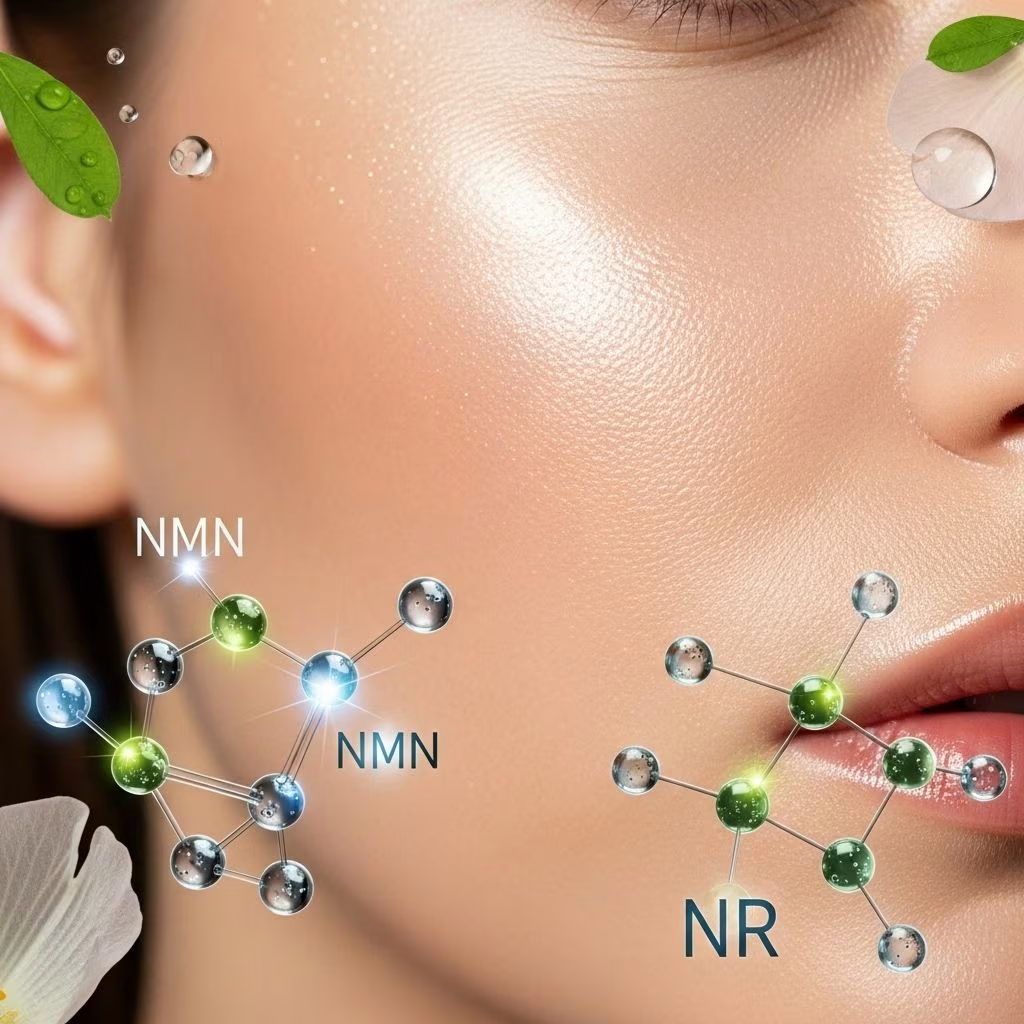
Nicotinamide Adenine Dinucleotide (NAD+) and its precursors, NMN (Nicotinamide Mononucleotide) and NR (Nicotinamide Riboside), are transforming approaches to skin aging and longevity. This extensive review explores their mechanisms, benefits, scientific backing, and practical considerations in skincare and anti-aging medicine.
Introduction: What is NAD+ and Why Is It Essential for Skin?
NAD+ (Nicotinamide Adenine Dinucleotide) is a fundamental coenzyme present in all living cells. It is critical for cellular energy production, DNA repair, and regulation of many metabolic pathways. As people age, NAD+ levels decline, causing cells, including skin cells, to function less effectively, which accelerates visible signs of skin aging such as wrinkles, reduced elasticity, dullness, and impaired repair mechanisms.
An increasing body of research links this decline to hallmark symptoms of skin aging, making NAD+ replenishment a compelling strategy for promoting youthful, healthy skin from within.
Mechanisms of NAD+ in Skin Aging
NAD+ supports a series of intertwined cellular pathways fundamental to skin health:
- DNA Repair: Activates enzymes like PARPs to repair DNA damage from UV exposure and environmental pollutants, limiting photoaging and pigmentation.
- Cellular Energy Production: Fuels mitochondria to produce ATP, energizing skin cells for regeneration, repair, and growth.
- Sirtuin Activation: NAD+ is essential for sirtuin proteins, which modulate inflammation, stress response, and cellular longevity—each crucial for resilient, youthful skin.
- Skin Barrier Strengthening: Promotes synthesis of structural proteins and lipids, reinforcing the skin barrier to conserve moisture and defend against irritants.
- Reduction of Oxidative Stress: NAD+ supports antioxidant pathways and neutralizes free radicals from pollution or sunlight, reducing cellular damage and premature skin aging.
On a practical level, NAD+ is so vital that it also helps the skin convert retinol to its active form, amplifying the effectiveness of active skincare ingredients while reducing irritation risk.
NMN and NR: Core NAD+ Precursors
NMN (Nicotinamide Mononucleotide) and NR (Nicotinamide Riboside) are two of the most effective NAD+ precursors. Supplementing with either can boost declining NAD+ levels and drive the anti-aging benefits deep into skin tissue, unlike many topical products that work primarily at the surface.
These molecules act as building blocks for NAD+ synthesis:
- NMN: Quickly enters cells and is converted directly to NAD+. Studies indicate NMN is effective in boosting NAD+ especially in tissues like muscle and skin. It is also available in oral, topical, and sometimes injectable forms.
- NR: A form of vitamin B3, is easily absorbed and converted to NMN, then to NAD+. NR is widely used in oral supplements and has shown bioavailability and safety in numerous human studies.
Both can dramatically increase NAD+ pool, activate sirtuins, and enhance mitochondrial function—major drivers in controlling the pace of skin aging.
How NAD+ Booster Pathways Work
When you supplement with NMN or NR:
- They are absorbed and transported into cells where enzymatic pathways convert them into NAD+.
- Boosted NAD+ then powers cellular processes, DNA repair, and defenses against oxidative stress.
- Elevated NAD+ supports collagen synthesis, barrier function, and epidermal turnover for fresher, healthier skin appearance.
Scientific Evidence for NAD+ Boosters in Skin Aging
Animal and Cell Studies
- Research in animal models and human skin fibroblast cultures demonstrates that exogenous NAD+—especially when paired with boosters like quercetin or enoxolone—can protect skin from UV-induced damage and slow both “intrinsic” and “extrinsic” (UV-damage) aging.
- Mechanisms involve increased sirtuin activation, improved mitochondrial function, and better autophagy (cellular cleanup), leading to practical anti-aging effects like denser collagen and smoother skin texture.
Human Research and Clinical Observations
- While more long-term and large-scale randomized human clinical trials are needed, early studies and expert observations show that NAD+ precursor supplementation can:
- Improve skin hydration and plumpness.
- Reduce fine lines and wrinkles by supporting skin barrier repair and fiber synthesis.
- Enhance tolerance and effectiveness of active skincare ingredients like retinoids.
- Lower markers of oxidative stress in skin tissue.
- Help conditions linked to impaired barrier, such as rosacea or perioral dermatitis.
Topical vs Oral Supplementation
- Oral NMN and NR: Evidence points to systemic absorption, with benefits reflected in skin, muscle, and other tissues.
- Topical NAD+ (and Enhancers): Emerging approaches use NAD+ in creams or enhanced with botanical ingredients like quercetin, with some studies showing increased sirtuin activity and visible benefits. However, research is younger than that supporting oral administration.
- Synergy: Combining oral boosters with topical products may have the most future promise, especially for targeted anti-aging concerns.
Comparative Table: NMN vs NR for Skin Health
| Feature | NMN | NR |
|---|---|---|
| Absorption | High (oral, sublingual, topical) | High (oral, topical possible) |
| Direct Conversion to NAD+ | Yes (one metabolic step) | Requires conversion to NMN first, then to NAD+ |
| Key Benefits for Skin | Collagen synthesis, DNA repair, anti-wrinkle, hydration | Barrier strengthening, energy, synergy with vitamin B3 |
| Safety Profile | Good in animal, emerging in human | Extensively tested in human trials |
| Optimal Delivery Forms | Oral, sublingual, topical | Oral, topical (limited) |
| Synergy | Works with sirtuin activators (e.g., resveratrol) | Synergy with niacinamide, retinoids |
How to Use NAD+ Boosters for Skin Benefits
- Oral Supplements: NMN and NR are typically taken in capsules or powders. Start with a low-moderate dose (consult medical advice) and adjust as tolerated. Common regimens range from 250-500mg/day.
- Topical Products: Look for serums or creams with NAD+, NMN, or advanced formulations including enhancement with botanicals like quercetin for better delivery.
- Lifestyle Optimization: Exercise, quality sleep, a diet rich in vitamin B3, and sun protection all aid in preserving natural NAD+ stores.
- Combine with Traditional Skincare: NAD+ boosters can enhance tolerance and effect of actives like retinoids, vitamin C, and peptides.
Choosing & Stacking Supplements
- Consult a healthcare professional, especially if you have underlying conditions.
- Seek reputable brands and third-party tested NMN/NR products.
- Develop a consistent skincare and supplement routine—results accrue over weeks to months, not overnight.
Potential Risks and Side Effects
Most studies report a favorable safety and tolerability profile for NMN and NR at typical dosages. Noted considerations include:
- Mild gastrointestinal upset (bloating, nausea) can occur initially.
- Human trials are still limited for long-term use, especially in higher doses and combinations.
- Rare skin irritation from some topicals. Patch test before facial application.
Pregnant or breastfeeding individuals, or those with cancer or autoimmune conditions, should seek medical guidance before beginning supplementation.
Frequently Asked Questions (FAQs)
What is NAD+ and why does it decline with age?
NAD+ is a coenzyme essential for energy production, DNA repair, and cellular defense. Age, chronic sun exposure, and stressors deplete its stores, accelerating signs of skin aging.
Does boosting NAD+ truly improve the skin?
Emerging research and clinical insights support that raising NAD+ through NMN/NR supplementation or topical use improves skin repair, hydration, and resilience, reducing fine lines and boosting overall skin vitality.
Is it better to use NAD+ boosters orally or topically?
Oral supplementation with NMN or NR affects systemic and skin NAD+ levels, while topicals may offer more localized benefits. Both approaches are being researched for their roles in skin rejuvenation, and combination use may be optimal.
Are NAD+ boosters safe?
Available studies show a strong safety profile for NMN and NR, but long-term results, especially at high doses, are still being collected. Always follow dosing guidance and consult a healthcare provider.
Who should consider NAD+ supplementation for skin?
Adults over 30, individuals with sun-damaged or aging skin, and anyone seeking to optimize their skin’s repair and defense mechanisms may benefit. People with chronic health conditions should consult a physician.
Conclusion: The Future of NAD+ in Anti-Aging Skin Care
NAD+ boosters like NMN and NR occupy a powerful position at the leading edge of anti-aging science. By replenishing declining NAD+ levels, these molecules offer not just potential cosmetic results—firmer, more hydrated, and vibrant skin—but a means of supporting the cellular health underlying real, lasting rejuvenation. As research progresses, combining internal supplementation with evidence-based topical products could redefine anti-aging skincare routines for generations to come.
Always consider current evidence, evolving research, and professional guidance before beginning any new supplement or advanced skincare regimen. The emerging science promises not just slower aging, but a more youthful, resilient complexion rooted in cellular vitality.


