


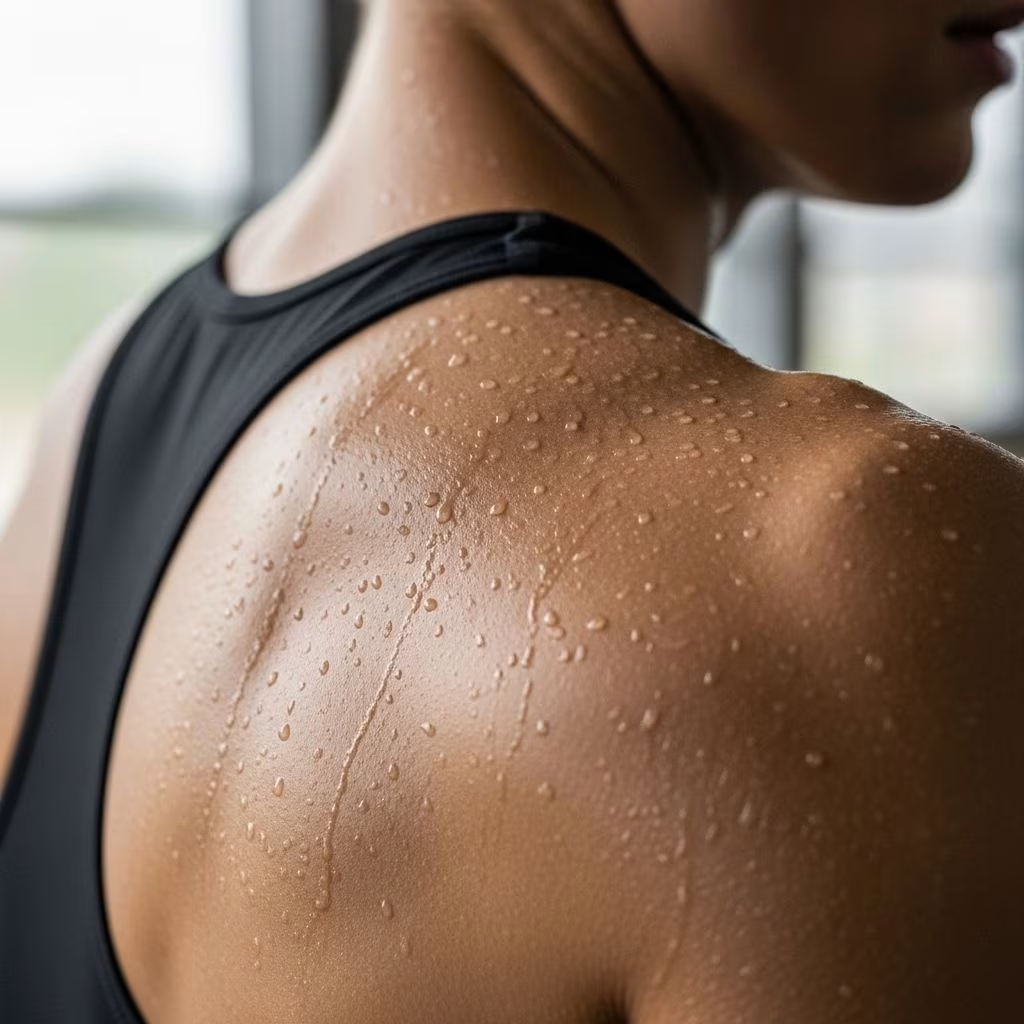
Sweat acne can be one of the most frustrating skincare challenges, especially for active individuals who prioritize fitness and outdoor activities. While exercise delivers incredible benefits for your overall health, the combination of sweat, friction, heat, and environmental factors can create the perfect storm for breakouts. Understanding how to prevent sweat-induced acne doesn’t mean sacrificing your workout routine—it simply requires a strategic approach to skincare that works with your active lifestyle.
This comprehensive guide will walk you through everything you need to know about preventing sweat acne, from understanding what causes these breakouts to implementing effective prevention strategies that keep your skin clear and healthy. Whether you’re dealing with facial acne, back breakouts, or chest pimples after workouts, you’ll find actionable solutions that fit seamlessly into your daily routine.
Understanding Sweat Acne: What It Is and Why It Happens
Sweat acne, often called sweat pimples, develops when a combination of factors work together to clog your pores and trigger inflammation. Contrary to popular belief, sweat itself isn’t the direct culprit behind these breakouts. Instead, it’s the complex interaction between increased oil production, bacteria, heat, humidity, and friction that creates an environment where acne thrives.
During physical activity or in hot weather, your body produces more sweat to regulate temperature. This increased moisture, combined with dead skin cells, bacteria, and sebum (your skin’s natural oil), creates a mixture that can easily obstruct your pores. When pores become clogged, they create an ideal breeding ground for acne-causing bacteria, leading to those frustrating red bumps and inflamed pimples.
The summer months tend to worsen sweat acne due to heightened oil production triggered by warmer temperatures. Additionally, thicker moisturizers and sunscreens that are essential for sun protection can contribute to pore congestion when layered on skin that’s already producing excess oil. The key is finding the right balance between protection and prevention without compromising either aspect of your skincare routine.
Common Areas Affected by Sweat Acne
Sweat acne doesn’t discriminate—it can appear anywhere on your body where sweat accumulates and skin folds trap moisture. However, certain areas are particularly vulnerable to these breakouts due to their natural tendency to produce more sweat and experience greater friction.
Facial Breakouts: The forehead is one of the most common areas for sweat acne, especially along the hairline where sweat tends to accumulate during workouts. This area is particularly prone because hair products, sweat, and oils combine to create stubborn clogged pores.
Back and Chest Acne: These large surface areas are prime territory for sweat pimples, particularly for athletes who wear tight-fitting sports gear. The back and chest naturally produce more oil and sweat during physical activity, making them susceptible to widespread breakouts that can be challenging to treat.
Underarm Region: The armpits are natural sweat zones where skin folds create warm, moist environments. Combined with friction from clothing and potential irritation from deodorants or antiperspirants, this area frequently develops small bumps and pimples.
Under the Breasts and Groin Area: These areas experience significant skin-on-skin contact and moisture retention, creating ideal conditions for acne development. The combination of sweat, friction, and limited air circulation makes these zones particularly challenging to keep clear.
Essentially, any location where skin folds and sweat becomes trapped presents a possibility for acne development. Recognizing your personal problem areas allows you to target prevention efforts more effectively.
Pre-Workout Skincare Preparation
Preparing your skin before exercise is just as important as your post-workout routine. A proper pre-workout skincare regimen creates a clean foundation that minimizes the risk of clogged pores once you start sweating.
Start with a Clean Slate: Before any workout, cleanse your face thoroughly to remove dirt, oil, and makeup that could mix with sweat and clog your pores. Use a gentle cleanser appropriate for your skin type—something that effectively removes impurities without stripping your skin of its natural protective barrier. This simple step significantly reduces the amount of debris that can contribute to breakouts during your workout.
Apply Lightweight Moisturizer: After cleansing, apply an oil-free, lightweight moisturizer to maintain skin hydration without adding heavy ingredients that could clog pores. Look for non-comedogenic formulas that won’t interfere with your skin’s ability to breathe during exercise. Proper hydration actually helps regulate oil production, which can reduce the likelihood of breakouts.
Choose the Right Sunscreen for Outdoor Activities: For outdoor workouts, sunscreen is absolutely non-negotiable. Select a broad-spectrum sunscreen with a minimum SPF 30 that’s specifically formulated for acne-prone skin. Water-resistant formulas are essential because they maintain effectiveness even when you sweat. Look for lightweight, oil-free sunscreens that won’t feel heavy or greasy on your skin. Ultra-absorbent formulas with a matte finish work particularly well for those concerned about shine and clogged pores.
Skip the Makeup: If possible, avoid wearing makeup to the gym entirely. Makeup creates an additional layer that traps sweat and bacteria against your skin, significantly increasing your risk of breakouts. If you absolutely must wear some coverage, opt for tinted moisturizers or BB creams with non-comedogenic formulas rather than full-coverage foundations that create a heavier barrier on your skin.
Post-Workout Skincare Essentials
What you do immediately after exercising can make or break your efforts to prevent sweat acne. The post-workout period is critical because sweat, bacteria, and oil are sitting on your skin, ready to clog pores if not addressed promptly.
Shower as Soon as Possible: Time is of the essence when it comes to post-workout skincare. Jump in the shower as quickly as you can after exercising to wash away sweat, grime, and bacteria before they have a chance to penetrate your pores. Waiting too long allows this mixture to settle into your skin, significantly increasing your breakout risk. If you can’t shower immediately, at least cleanse your face and wipe down your body with gentle cleansing wipes designed for acne-prone skin.
Use Proper Cleansing Techniques: When showering after a workout, avoid the temptation to scrub your skin vigorously. Rubbing sweat from your skin with a rough towel or harsh scrub can irritate your skin and actually worsen breakouts. Instead, use gentle circular motions with a soft washcloth or your hands, allowing your cleanser to do the work of removing impurities without causing additional inflammation.
Focus on Problem Areas: Pay special attention to areas where you’re most prone to breakouts. For back and chest acne, keep a bottle of body wash formulated with acne-fighting ingredients in your shower so treating these areas becomes an automatic part of your routine. Take the time to thoroughly cleanse these harder-to-reach spots where sweat and bacteria tend to accumulate.
Pat Dry Gently: After showering, pat your skin dry with a clean towel rather than rubbing. This gentle approach prevents irritation while still effectively removing moisture. Make sure to use a fresh, clean towel each time, as damp towels can harbor bacteria that contribute to breakouts.
Reapply Skincare Products: After cleansing and drying, replenish your skin’s hydration with a lightweight, non-comedogenic moisturizer. If you’re heading back outdoors, reapply your sunscreen to maintain protection throughout the day. This step ensures your skin stays balanced and protected without feeling heavy or greasy.
The Role of Salicylic Acid in Sweat Acne Prevention
When it comes to preventing and treating sweat acne, salicylic acid stands out as a true superhero ingredient. This beta hydroxy acid (BHA) works on multiple levels to keep your pores clear and your skin healthy, making it an essential component of any sweat acne prevention routine.
How Salicylic Acid Works: Salicylic acid is oil-soluble, which means it can penetrate deep into your pores to dissolve the mixture of sebum, dead skin cells, and debris that leads to clogged pores. Unlike water-soluble acids that work primarily on the skin’s surface, salicylic acid gets into the pore itself, breaking down the bonds that hold dead skin cells together and allowing them to shed more easily.
Benefits for Sweat-Prone Skin: This powerful ingredient offers multiple benefits for those struggling with sweat acne. It exfoliates the skin to remove dead cells that can mix with sweat to clog pores, unclogs existing blocked pores to reduce current breakouts, targets acne-causing bacteria to prevent new pimples from forming, and reduces inflammation to calm red, irritated skin.
Incorporating Salicylic Acid Into Your Routine: Salicylic acid foaming washes are particularly effective for both face and body acne prevention. These cleansers can be used in the shower immediately after workouts to target areas prone to sweat pimples. For facial care, use a salicylic acid cleanser as part of your post-workout routine, ensuring you’ve removed all traces of sweat and impurities. On the body, most skin types can tolerate daily or every-other-day use on the shoulders, chest, and back.
Frequency Recommendations: The appropriate frequency for using salicylic acid depends on your skin type. Oily and acne-prone skin can typically handle more frequent use, potentially even twice daily during peak sweat season. Normal to combination skin usually benefits from once-daily application, particularly after workouts. Dry or sensitive skin types should start with every other day or a few times weekly to assess tolerance, gradually increasing frequency if needed.
Lifestyle Habits That Prevent Sweat Breakouts
Beyond your skincare products and routines, certain lifestyle habits play a crucial role in preventing sweat acne. These practices address the environmental and behavioral factors that contribute to breakouts, creating a comprehensive prevention strategy.
Wash Bedding and Workout Gear Regularly: Your pillowcases, bed sheets, and workout clothes accumulate sweat, oil, and bacteria with each use. Sleeping on dirty pillowcases transfers these pore-clogging substances back onto your freshly cleansed skin, undoing all your prevention efforts. Wash your pillowcases at least twice weekly, or even more frequently if you’re particularly prone to breakouts. Change your bed sheets weekly without exception. Wash workout clothes after every single use—never wear the same gear twice before laundering, even if it doesn’t smell or look dirty.
Choose Clothing Wisely: The fabrics you wear during and after workouts significantly impact your skin’s health. Opt for loose-fitting clothes made from breathable materials like cotton that allow air circulation and reduce friction against your skin. Avoid tight-fitting synthetic fabrics that trap sweat and heat against your body, creating an ideal environment for acne development. For athletic activities, choose moisture-wicking technical fabrics specifically designed to pull sweat away from your skin.
Clean Sports Equipment and Accessories: Yoga mats, helmets, headbands, and other sports equipment can harbor acne-causing bacteria if not cleaned regularly. Make it a habit to wipe down equipment after each use with antibacterial wipes or spray. Pay special attention to items that come into direct contact with your skin, such as chin straps, helmet liners, and protective gear.
Keep Hair Products Away from Your Face: Hair products like gels, mousses, and leave-in conditioners can migrate from your hair to your face during workouts, contributing to forehead and hairline breakouts. Pull your hair back during exercise to minimize contact with your face, and consider using lighter hair products on workout days.
Avoid Touching Your Face: During workouts, resist the urge to touch your face with your hands or wipe sweat with a dirty towel. Your hands accumulate bacteria from gym equipment and other surfaces, transferring these microorganisms directly to your skin when you touch your face. If you need to wipe away sweat, use a clean, dedicated face towel or gentle blotting technique rather than rubbing.
Choosing the Right Products for Sweat-Prone Skin
Not all skincare products are created equal when it comes to preventing sweat acne. Understanding which ingredients and formulations work best for sweat-prone skin helps you build an effective prevention routine.
Look for Non-Comedogenic Labels: Non-comedogenic products are specifically formulated to not clog pores, making them essential for anyone prone to sweat acne. This designation should appear on all your skincare products, including cleansers, moisturizers, sunscreens, and makeup. These formulas are lighter and less likely to combine with sweat to create pore-blocking mixtures.
Opt for Oil-Free and Water-Based Formulas: Heavy, oil-based products can exacerbate sweat acne by adding extra lipids that mix with your skin’s natural oils and sweat. Instead, choose oil-free cleansers, water-based moisturizers, and gel-based sunscreens that provide necessary hydration and protection without adding pore-clogging ingredients.
Consider These Key Ingredients: Beyond salicylic acid, several other ingredients effectively prevent sweat acne. Benzoyl peroxide kills acne-causing bacteria and can be used as a spot treatment or in body washes for back and chest acne. Niacinamide helps regulate oil production and reduces inflammation, making it excellent for preventing future breakouts. Alpha hydroxy acids like glycolic or lactic acid gently exfoliate the skin’s surface to prevent dead cell buildup.
Avoid Common Irritants: Some ingredients can irritate sweat-prone skin and worsen breakouts. Avoid heavily fragranced products that can cause inflammation, thick silicones that create an occlusive barrier trapping sweat and bacteria, and harsh physical exfoliants with rough particles that can damage skin and trigger more oil production.
Special Considerations for Athletes and Outdoor Enthusiasts
Athletes and individuals who spend significant time outdoors face unique challenges when it comes to preventing sweat acne. The combination of prolonged physical activity, sun exposure, and environmental factors requires additional strategies beyond basic skincare routines.
Managing Extended Outdoor Activities: For activities lasting several hours, you can’t always shower immediately afterward. In these situations, bring cleansing wipes specifically designed for acne-prone skin to remove sweat and bacteria during breaks. Reapply sunscreen every two hours, choosing formulas that layer well without feeling heavy or greasy. Change out of sweaty clothes as soon as your activity ends, even if you can’t shower right away.
Dealing with Sports Gear and Equipment: Helmets, protective pads, and other equipment create pressure and friction that can worsen sweat acne. Use thin moisture-wicking liners under equipment to reduce direct contact with skin and absorb sweat. Clean all equipment regularly with antibacterial solutions to eliminate bacteria buildup. Consider applying a thin layer of barrier cream on areas that experience significant friction from gear.
Balancing Sun Protection and Acne Prevention: The need for sun protection shouldn’t be compromised by concerns about acne. Modern sunscreen formulations designed for acne-prone skin offer effective UV protection without clogging pores. Look for mineral sunscreens with zinc oxide or titanium dioxide, which sit on top of skin rather than absorbing into it. Choose formulas tested under extreme conditions to ensure they resist heat and humidity. Apply sunscreen as your final skincare step, and don’t skimp on the amount—use approximately one ounce for full body coverage.
Adjusting Your Routine by Season: Your sweat acne prevention strategy should evolve with the seasons. During summer months, switch to lighter moisturizers and gel-based products that won’t feel heavy in heat and humidity. Increase the frequency of exfoliation to account for higher sweat and oil production. In winter, you may need slightly richer moisturizers, but maintain your focus on non-comedogenic formulas to prevent breakouts from indoor heating systems.
Frequently Asked Questions
Q: How long after working out should I shower to prevent sweat acne?
A: Ideally, you should shower within 15-30 minutes after exercising. The longer sweat, bacteria, and oil sit on your skin, the greater the chance they’ll clog your pores and cause breakouts. If immediate showering isn’t possible, at minimum cleanse your face and use body wipes on areas prone to acne.
Q: Can I use the same acne products on my face and body?
A: Yes, many acne-fighting products, particularly those containing salicylic acid, are formulated to be gentle enough for facial skin while effective on the body. However, the skin on your body is generally thicker and can tolerate more frequent use. Start conservatively on your face and adjust based on how your skin responds.
Q: Is it better to use chemical or physical exfoliants for sweat acne prevention?
A: Chemical exfoliants like salicylic acid and glycolic acid are generally superior for preventing sweat acne because they penetrate into pores to dissolve debris without causing the irritation that physical scrubs can trigger. Physical exfoliants can actually aggravate acne-prone skin and potentially spread bacteria.
Q: Should I avoid working out if I’m having a bad breakout?
A: No, you shouldn’t stop exercising due to acne. Exercise provides too many health benefits to abandon. Instead, focus on proper pre and post-workout skincare, wear breathable clothing, and avoid touching your face during workouts. With the right prevention strategies, you can exercise regularly while keeping breakouts under control.
Q: How often should I wash my workout clothes to prevent sweat acne?
A: You should wash workout clothes after every single use, even if they don’t appear dirty or smell. Sweat, bacteria, and oils accumulate in the fabric during your workout, and wearing these clothes again transfers these pore-clogging substances back onto your clean skin, undoing your prevention efforts.
Q: Can diet affect sweat acne?
A: While sweat acne is primarily triggered by external factors like sweat, friction, and clogged pores, diet can influence your overall acne tendency. Some people find that high-glycemic foods, dairy products, or foods they’re sensitive to can worsen their acne. Staying well-hydrated and eating a balanced diet supports overall skin health.
Q: What’s the difference between sweat acne and heat rash?
A: Sweat acne consists of inflamed pimples caused by clogged pores, while heat rash (miliaria) appears as small, itchy bumps caused by blocked sweat ducts. Heat rash typically resolves quickly once you cool down and usually doesn’t involve the same inflammation as acne. If you’re unsure which you’re experiencing, consult a dermatologist for proper diagnosis.
Q: Are there any supplements that help prevent sweat acne?
A: Some supplements may support skin health, such as zinc, omega-3 fatty acids, and probiotics, though research on their effectiveness specifically for sweat acne is limited. Before starting any supplement regimen, consult with a healthcare provider or dermatologist, especially if you’re already using topical or oral acne medications.
Preventing sweat acne requires a multi-faceted approach that combines proper skincare techniques, smart product choices, and consistent lifestyle habits. While the challenge may seem overwhelming at first, implementing these strategies gradually and finding what works best for your unique skin type will lead to clearer, healthier skin that doesn’t interfere with your active lifestyle. Remember that consistency is key—stick with your prevention routine even when your skin looks clear, as maintaining results is easier than treating new breakouts. If you continue struggling with persistent sweat acne despite following these guidelines, consider consulting a dermatologist who can provide personalized treatment options tailored to your specific skin concerns.
References
- https://www.skin.software/journal/sweat-pimples
- https://health.clevelandclinic.org/sweat-pimples
- https://www.dermatologistskincancercenter.com/skincare-for-athletes-dealing-with-sweat-and-sun-exposure/
- https://www.laroche-posay.co.uk/en_GB/avoid-sweat-spots-pre-and-post-exercise-skincare-advice.html
- https://www.aad.org/public/diseases/acne/skin-care/habits-stop
- https://www.laroche-posay.us/skincare-tips-and-advice/acne-oily-skin/skincare-routine-for-acne-prone-skin.html
- https://www.brynmawrdermatology.com/sweat-sunscreen-and-acne-how-to-stay-clear-through-spring-activities/
- https://www.mayoclinic.org/diseases-conditions/acne/in-depth/acne-treatments/art-20045814
- https://slmdskincare.com/blogs/learn/prevent-workout-acne


