


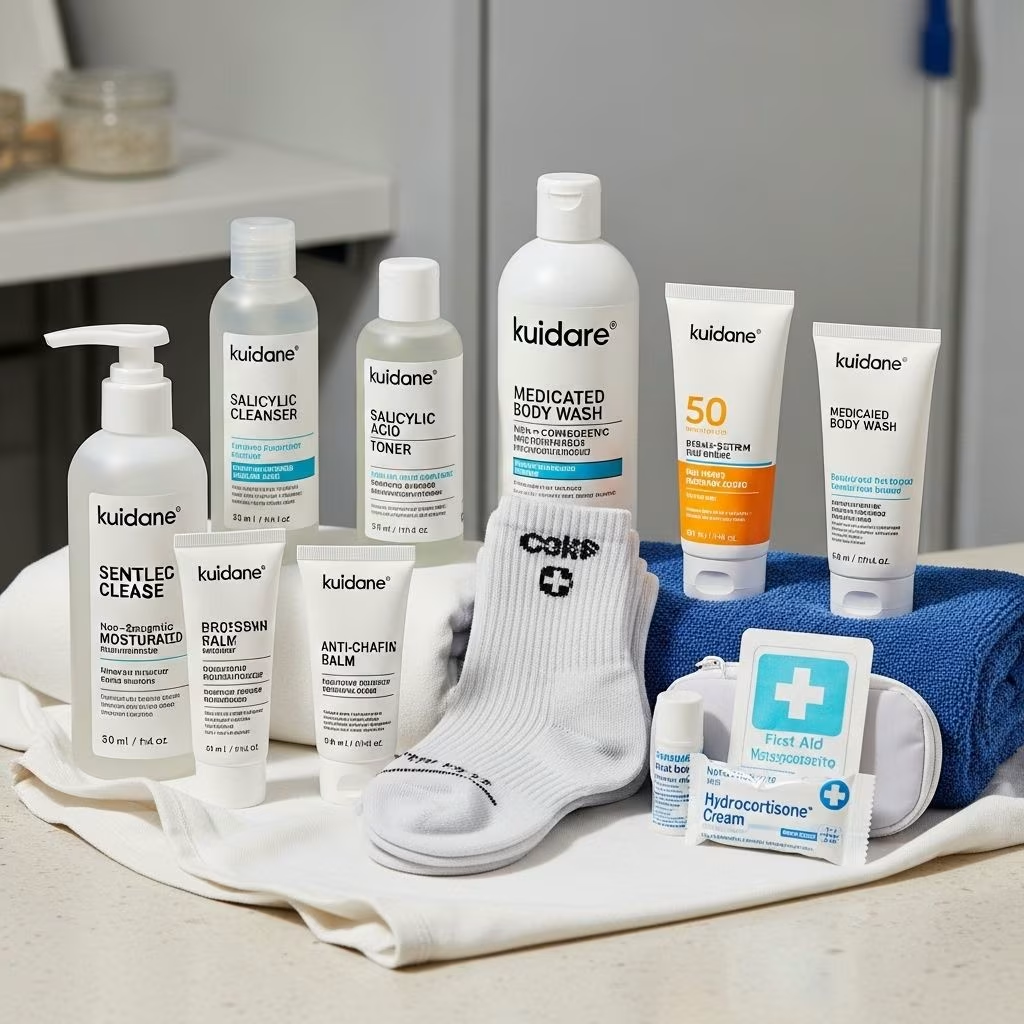
Maintaining healthy skin is a top priority for athletes, whose intense physical activity makes them uniquely vulnerable to sweat-related skin issues—including sweat folliculitis. This comprehensive guide unpacks the science behind sweat folliculitis, pinpoints risk factors, and provides actionable skincare practices to keep your skin resilient, comfortable, and breakout-free during training and competition.
Understanding Sweat Folliculitis
Sweat folliculitis is an inflammation and infection of the hair follicles primarily triggered by sweat, friction, and bacterial overgrowth on the skin. While all athletes sweat, not all will develop folliculitis—proactive care makes all the difference in minimizing risk and severity.
Key points:
- Also referred to as “sweat pimples,” this condition often appears as small red bumps or pus-filled lesions, usually where sweat and friction are most intense (e.g., back, chest, thighs, buttocks).
- Folliculitis may be mistaken for body acne; however, it typically involves both clogged follicles and infection with bacteria such as Staphylococcus aureus.
- Resolution requires interrupting the sweat-bacteria-friction cycle and implementing targeted skin protection.
Causes and Risk Factors in Athletes
While sweat doesn’t inherently cause folliculitis, it creates the perfect environment for pores to clog and bacteria to multiply, especially during high-intensity exercise. The following table summarizes typical risk factors among athletes:
| Risk Factor | Description |
|---|---|
| Prolonged Sweating | Moist, warm environments help bacteria and fungi thrive, increasing the chance of follicle blockage. |
| Tight/Non-breathable Clothing | Restrictive gear traps sweat, increases friction, and irritates hair follicles, worsening folliculitis risk. |
| Poor Post-Workout Hygiene | Delaying showers or staying in sweaty clothes allows bacteria to multiply and penetrate follicles. |
| Genetic Susceptibility & Hormones | Some individuals are more prone due to genetics or hormonal shifts, which can alter sweat and sebum production. |
| Shared Equipment/Facilities | Increased exposure to bacteria on communal surfaces, mats, or towels. |
Recognizing the Symptoms
Athletes should monitor for early signs of sweat folliculitis to intervene swiftly and prevent escalation:
- Red, inflamed bumps clustered around hair follicles
- Pus-filled pimples or blisters
- Itching, tenderness, or burning sensations
- Lesions that worsen with continued sweating or friction
- In severe cases, larger boils or abscesses may form
Differentiating folliculitis from acne or other rashes is important. Folliculitis typically features emerging bumps directly related to recent sweating, equipment use, or frictioned areas.
The Role of Sweat & Hygiene in Skin Issues
Effective skin hygiene is fundamental to keeping athletic skin clear. During workouts, sweat mixes with sebum, bacteria, and dead skin cells. Prolonged exposure can overwhelm the skin’s natural barrier, causing irritation and allowing microbes to enter follicles.
- Quickly removing sweat—in particular, from areas covered by tight apparel—reduces risk.
- Sharing equipment can transfer bacteria (e.g., Staphylococcus, Pseudomonas) that may cause or aggravate folliculitis.
Preventing Sweat Folliculitis: Best Practices
The most effective strategy is prevention. Dermatologists recommend these core guidelines:
- Shower Promptly: Wash the skin with a gentle, non-comedogenic cleanser within 30 minutes after exercise.
- Wear Breathable, Moisture-Wicking Clothing: Choose synthetic performance fabrics over cotton to reduce sweat retention and skin friction.
- Avoid Tight Apparel: Loose-fitting clothing minimizes physical irritation and allows sweat to evaporate.
- Change Out of Sweaty Clothes Immediately: Do not remain in damp workout gear longer than necessary.
- Keep Equipment and Towels Clean: Wash reusable gear regularly and avoid sharing towels or personal items.
- Prep Skin with Barrier Creams: Apply petroleum jelly or dedicated anti-chafing balms to areas prone to friction (e.g., inner thighs, bra lines) before activity.
- Choose Oil-Free, Non-Comedogenic Skincare: Select sunscreens and moisturizers that will not clog pores.
- Gently Pat (Not Rub) Skin With a Clean Towel: Blot excess sweat to ease irritation, especially on the face and neck.
- Exfoliate Moderately: Use gentle exfoliating cleansers (1–2x per week) to clear pores, but avoid over-scrubbing, which increases irritation.
Step-by-Step Skincare Routine for Athletes
Consistent skincare routines before, during, and after exercise are crucial for minimizing breakouts and infections.
Pre-Workout
- Cleanse skin with a mild, fragrance-free wash to remove makeup, oils, and dirt.
- Apply a lightweight, oil-free moisturizer to reinforce the barrier without clogging pores.
- If training outdoors, use a non-comedogenic, broad-spectrum sunscreen (SPF 30 or higher). Reapply as directed.
- Apply barrier creams to friction-prone sites; let them dry before dressing.
- Use moisture-wicking, properly fitted equipment and avoid cotton layers against the skin.
During Workout
- Pat sweat away with a clean, dry towel—do not wipe vigorously.
- Avoid touching your face, particularly with gloved or dirty hands.
- Wipe down equipment surfaces thoroughly before and after use.
Post-Workout
- Shower as soon as possible using lukewarm water and gentle, antibacterial or acne-fighting cleansers (e.g., containing benzoyl peroxide or salicylic acid).
- Change into clean, dry clothes immediately.
- Apply moisturizer to damp skin to lock in hydration.
- If prone to body breakouts, consider a weekly exfoliation regimen, but do not overscrub.
Product Recommendations and Ingredients
Choosing the right skincare products is essential for athletes. Look for:
- Non-Comedogenic Cleansers: Gentle gel or foaming cleansers that remove sweat and oil without stripping skin.
- Benzoyl Peroxide Washes (5–10%): Kills bacteria and helps unclog pores.
- Salicylic Acid Body Washes (0.5–2%): Lightweight exfoliation reduces follicle blockage.
- Fragrance-Free Moisturizers: Hydrate without irritating sensitive, post-exercise skin.
- Broad-Spectrum Sunscreen (SPF 30+): Water and sweat-resistant formulas designed for athletic activity.
- Anti-Chafing Balms: For high-friction zones (thighs, underarms, sports bra lines).
Always patch test new products to avoid reactivity, especially when applying to larger body areas.
Common Myths & Facts
| Myth | Fact |
|---|---|
| “Only people with dirty skin get folliculitis.” | Even those with good hygiene can develop folliculitis; friction, sweat, and genetics also play major roles. |
| “More scrubbing clears sweat pimples faster.” | Over-washing and harsh scrubbing can make irritation and folliculitis worse. |
| “Sun exposure will clear up breakouts.” | UV rays can worsen inflammation and damage healing skin. Always use sun protection. |
| “Antibacterial soaps are always necessary.” | Gentle, non-irritating cleansers are usually preferred unless directed by a dermatologist. |
Managing Breakouts and Irritations
Despite rigorous prevention, breakouts can still occur. If you notice signs of folliculitis:
- Apply over-the-counter topical treatments with benzoyl peroxide or salicylic acid as spot treatments.
- Use soothing, anti-inflammatory products such as calamine lotion and menthol for itching and redness.
- Refrain from picking or squeezing bumps to avoid worsening infection or scarring.
- If lesions worsen, expand, or do not resolve within one week, consult a dermatologist for possible prescription medications (oral or topical antibiotics, antifungals, or corticosteroids).
Frequently Asked Questions (FAQs)
What is the main difference between sweat folliculitis and acne?
While both conditions can appear similar, sweat folliculitis is primarily infection- and inflammation-driven, often caused by a combination of sweat, bacteria, and friction, while acne encompasses broader factors like hormones and sebum production.
Can I prevent sweat folliculitis if I have highly sensitive skin?
Yes. By using fragrance-free, gentle products, wearing loose, moisture-wicking clothing, and cleansing promptly after workouts, you can greatly minimize the risk, even with sensitive skin.
Is it okay to use chemical exfoliants on athletic skin?
Mild exfoliants (like low-concentration salicylic acid washes) 1–2 times weekly can help, but avoid aggressive scrubbing or daily exfoliation, especially if the skin is already irritated.
Should I avoid exercising if I have folliculitis?
Not necessarily. You may continue exercise if the affected area can stay clean, dry, and as friction-free as possible. However, severe or spreading infections should prompt a physician’s assessment.
When should I see a doctor for sweat folliculitis?
If lesions are painful, persistent, worsen with home care, show signs of systemic infection (fever, swelling, red streaks), or develop into large boils, see a healthcare provider immediately.
Conclusion: Skin Confidence for Every Athlete
Skin health is inseparable from optimal athletic performance and well-being. Integrating proactive hygiene, smart clothing choices, and targeted skincare helps prevent sweat folliculitis and supports every athlete’s confidence—on and off the field. With evidence-backed approaches, you can enjoy the rewards of your training while maintaining clear, comfortable, and resilient skin.
References
- https://www.onepeloton.com/blog/sweat-pimples
- https://avanzaskin.com/blogs/news/how-to-prevent-skin-conditions-in-athletes
- https://www.dermatologistskincancercenter.com/skincare-for-athletes-dealing-with-sweat-and-sun-exposure/
- https://www.mdcsnyc.com/post/skin-care-for-athletes-protecting-your-skin-from-sweat-and-sun
- https://www.goldenstatedermatology.com/blog/busting-the-myths-of-folliculitis-a-guide-to-smooth-skin-this-summer/
- https://www.epiphanydermatology.com/blog/how-to-prevent-summer-skin-problems-in-sports/
- https://www.olanskydermatology.com/a-skincare-plan-for-young-athletes/
- https://dancemagazine.com/best-skincare-for-athletes/
- https://drbaileyskincare.com/blogs/blog/can-sweat-cause-pimples-and-acne


