


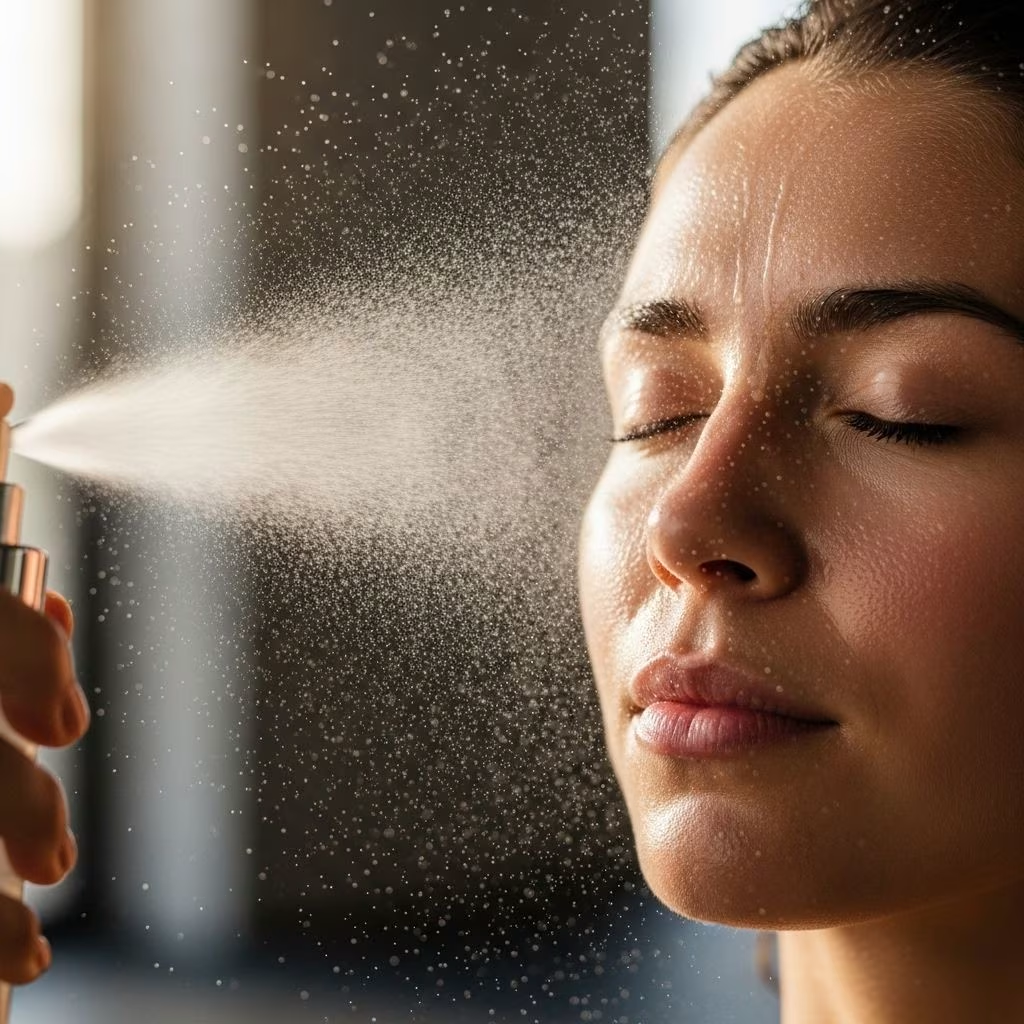
Thermal water mists are widely promoted as an instant, revitalizing post-exercise solution for the skin. Leveraging unique mineral profiles, they are suggested to hydrate, soothe, and aid in skin barrier recovery after sweating. This comprehensive review systematically analyzes their post-sweat efficacy, scientific rationale, dermatological implications, and practical guidance.
Introduction: The Rise of Post-Sweat Skin Rituals
With the growing focus on both personal wellness and dermatological health, post-exercise skin care has become an evolving field. Thermal water mists—fine sprays sourced from naturally mineral-rich underground springs—are now a popular part of many athletes’ and skincare aficionados’ gym bags. Their claims range from instant hydration and soothing to strengthening skin against environmental stressors. But do they deliver real benefits after sweating?
The Science of Sweat and Skin
Sweating is the body’s primary mechanism to cool itself during and after exercise. While critical for thermoregulation, heavy sweating can impact skin in several ways:
- Dehydration of the stratum corneum (skin’s outer layer), leading to tightness and discomfort.
- Elevation of skin pH, making it more alkaline and temporarily disrupting the natural acid mantle.
- Salt residue build-up, which may cause irritation, stinging, or a feeling of grittiness.
- Increased risk of occlusion and breakouts if sweat mixes with sebum and debris.
Repeated sweat exposure is linked to the aggravation of conditions like eczema and acne, highlighting the importance of proper post-exercise skin care.
What Exactly Are Thermal Water Mists?
Thermal water mists are bottled sprays containing water from geothermal springs, which accumulate minerals as they flow through underground rocks. Key features include:
- Mineral-rich composition: Essential elements such as magnesium, calcium, selenium, and silica.
- Hypotonic or isotonic properties: Depending on the source, these water types are gentle on skin cell balance.
- No added fragrances or irritants: Usually suitable for sensitive or compromised skin.
Each source boasts a unique mineral fingerprint, thought to impart specific dermatological benefits.
Post-Exercise Skin Health: Challenges and Needs
After vigorous exercise, skin undergoes distinct challenges:
- Moisture evaporation: Rapid water loss from sweating increases skin dryness.
- Redness and inflammation: Blood flow and dilation of skin vessels can result in a flushed appearance.
- Stinging or burning: Particularly for those with sensitive or pre-irritated skin.
Addressing these requires both gentle hydration and restoration of the acid mantle without further irritation—a space where thermal water mists claim utility.
Scientific Evidence: The Benefits of Thermal Water Mists
Claims for thermal water mists include anti-inflammatory, soothing, and barrier-supporting effects. Evaluation of evidence yields:
1. Hydration and Prevention of Dehydration
Thermal waters provide immediate hydration through direct deposition. Their mineral electrolytes (mainly calcium and magnesium) help bind moisture to epidermal cells. Repeated application visibly reduces sensations of tightness post-sweat .
2. Soothing and Anti-Irritant Effects
Several laboratory and clinical studies (often sponsored by brands) suggest certain thermal waters, such as Avène, modulate markers of cutaneous inflammation and reduce subjective burning or tingling after skin aggressions. Selenium in La Roche-Posay water is known for antioxidant activity, potentially countering oxidative stress from sweat-induced irritation.
3. Support for Compromised or Sensitive Skin
Thermal water mists are frequently recommended by dermatologists as adjuncts for conditions aggravated by sweat—eczema, rosacea, contact dermatitis—because of their gentle profiles .
4. Supportive, Not Substitute Recovery
There is little clinical evidence that mists alone actively repair damaged skin barrier function. They are best considered a supportive, not primary, modality post-sweat, especially in harsh climates or for individuals with heightened sensitivity.
Mechanisms of Action: How Do Thermal Water Mists Work?
The efficacy of thermal water mists hinges on their mineral composition and mode of application:
- Occlusive microfilm: The fine mist deposits a hydrating, mineral film on the skin, reducing trans-epidermal water loss.
- Electrolyte balance: Minerals restore the ionic equilibrium of the acid mantle disrupted by alkaline sweat.
- Antioxidant action: Trace elements (selenium, zinc) help neutralize reactive oxygen species generated by post-exercise skin stress.
Unlike regular tap water, which often leaves skin feeling dry due to chlorine and higher mineral hardness, thermal waters’ low-to-moderate mineral content and specific ions help minimize irritation.
How Do They Compare with Other Post-Sweat Recovery Approaches?
The use of water mists must be seen in the broader context of hydrotherapy and recovery sciences. Several post-exercise modalities have been studied for their effects on recovery and skin health:
Unlike immersions or conventional showers, thermal mists present a non-invasive, leave-on option, but do not replace thorough cleansing when needed.
Dermatologist and Clinician Opinions
Most independent dermatologists consider thermal water mists a benign, useful adjunct, emphasizing:
- Low irritation risk: Beneficial for those with heightened sensitivity after sweat or exercise.
- Practical hydration: Especially valuable in travel or gym settings where washing facilities may be suboptimal.
- Limited but positive published evidence: Brand-associated clinical studies support soothing and hydration benefits, with less independent research compared to other modalities .
- Not a substitute for medical treatment: Should not be expected to treat underlying dermatological disorders on its own.
Practical Application: Optimal Use After Exercise
To maximize the benefits of thermal water mists post-sweat:
- Spritz generously from 20–30 cm distance immediately after exercising or toweling off.
- Allow to air dry for several seconds or gently pat off excess to avoid evaporation-driven dehydration.
- Follow with a moisturizer if skin is extra dry or after lengthy endurance activity.
- Use in conjunction with cleansing: For heavy or persistent sweat, cleanse gently prior to misting.
For acne-prone or hypersensitive skin, choose formulations free from additives, fragrances, or alcohols.
Frequently Asked Questions (FAQs)
Q: Are thermal water mists effective as a standalone treatment for post-sweat irritation?
A: They help soothe and hydrate but are most effective when used alongside gentle cleansing and, if necessary, targeted treatments for irritation or barrier repair.
Q: Is there any risk in over-using thermal water mists?
A: Over-application is generally safe, but excessive moisture left unabsorbed can paradoxically encourage dehydration as it evaporates. Gently patting off excess is recommended for very dry environments.
Q: Do all brands of thermal water mists offer the same benefits?
A: No, mineral composition varies by geographic source, affecting the specific antioxidants, electrolytes, and trace elements delivered.
Q: Can thermal water mists replace moisturizer post-exercise?
A: Mists hydrate superficially. For lasting moisture, especially after sweating, pairing with an emollient or barrier-restoring cream is advised for dry or mature skin.
Q: Are they suitable for use on the body as well as the face?
A: Yes, they are safe and non-irritant for use across the body—especially on areas prone to friction, redness, or irritation post-sweat.
Conclusion: Are Thermal Mists Worth It?
Thermal water mists represent a convenient, low-risk addition to post-exercise skin routines. Backed by evidence for immediate hydration and subjective soothing, their greatest efficacy lies in addressing transient dryness, redness, or discomfort post-sweat. While not a replacement for robust skin treatments or hygiene, they offer a science-supported adjunct for athletes, sensitive skin types, and anyone seeking a refreshing solution on the go.
References
- https://pmc.ncbi.nlm.nih.gov/articles/PMC8595200/
- https://www.frontiersin.org/journals/sports-and-active-living/articles/10.3389/fspor.2021.660291/full
- https://www.sciencenews.org/article/cold-water-plunge-workout-muscle
- https://pmc.ncbi.nlm.nih.gov/articles/PMC12369307/
- https://www.avene.com.au/a/the-benefits-of-thermal-spring-water


