


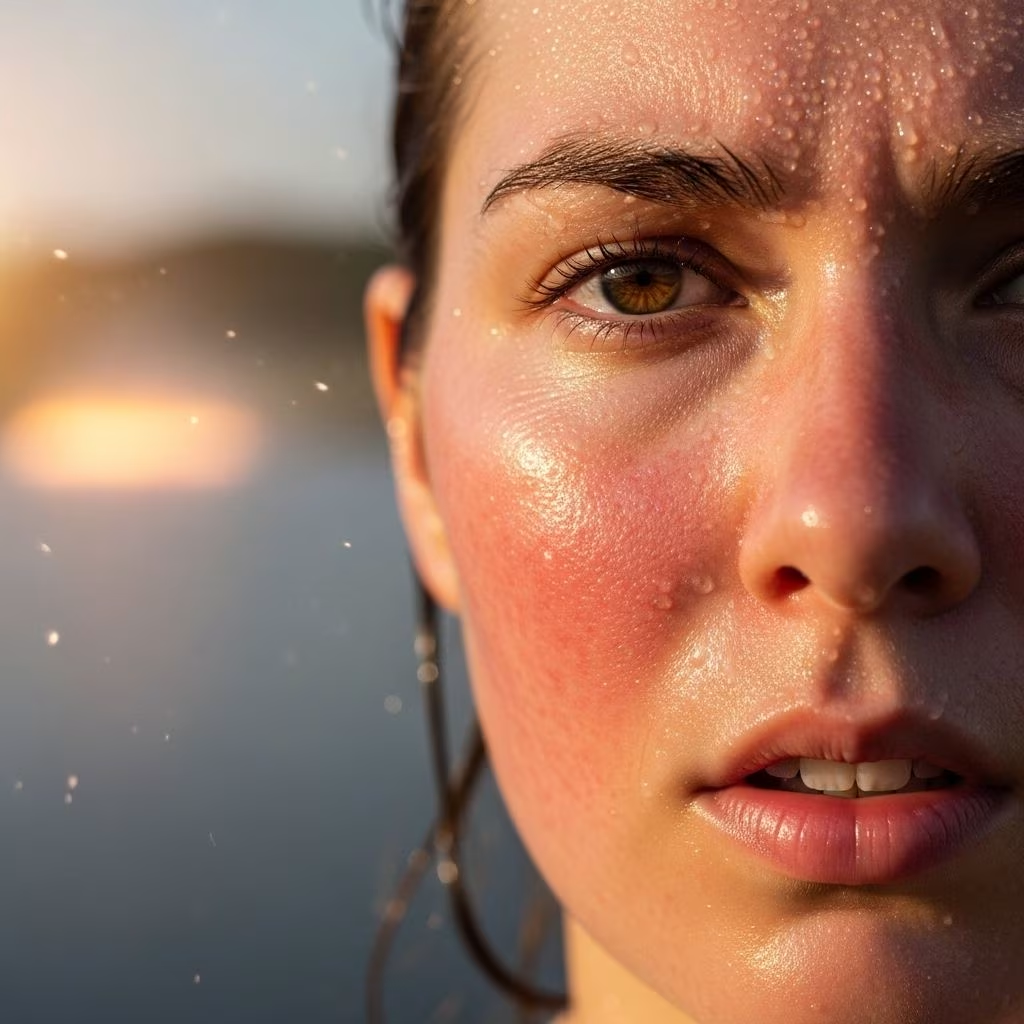
Rosacea is a chronic skin condition characterized by facial redness, visible blood vessels, and sometimes pimples and thickened skin. Among the diverse range of triggers, heat and sweat stand out as major contributors to sudden flare-ups. This article delves into the latest expert-backed strategies for managing rosacea in environments prone to high temperatures and moisture, helping you take control of your skin health year-round.
What is Rosacea?
Rosacea is a common, chronic inflammatory skin disorder, often presenting as persistent facial redness, visible blood vessels, and sometimes papules or pustules. It typically affects adults and is more common in those with fair skin, but anyone can develop it. The severity and subtype of rosacea vary significantly from person to person.
This condition is influenced by genetic and environmental factors and cycles through periods of improvement and exacerbation—commonly called flare-ups. One of the most frustrating aspects of rosacea is identifying and managing triggers, as these vary widely but often include heat and sweating.
How Heat and Sweat Affect Rosacea
Heat exposure—whether from direct sunlight, hot weather, indoor heating, hot baths or showers, or even spicy foods and hot beverages—can quickly provoke a rosacea flare-up. Similarly, sweating, which usually goes hand-in-hand with heat or exertion, also contributes to increased symptom severity.
Scientific studies have pinpointed key reasons for this:
- Increased Nerve Activity: People with rosacea exhibit higher nerve and blood flow responses to heat and stress. The sympathetic nervous system, which controls involuntary bodily functions like sweating, heart rate, and blood flow, is especially reactive in rosacea patients, leading to increased flushing and redness when exposed to heat or emotional triggers.
- Enhanced Blood Flow and Sweating: Rosacea patients have higher skin blood flow and sweating rates, both before and after exposure to heat.
- Trigger Sensitivity: Even small increases in body temperature or minor sweat production can precipitate noticeable symptoms, particularly facial redness and burning.
This means even seemingly minor exposures can provoke discomfort and visible skin changes in those with rosacea.
Common Heat-Related Rosacea Triggers
Not all heat or sweat triggers are the same. Understanding the most common situations and environmental factors can help you take steps to avoid them:
- Sun Exposure: Ultraviolet (UV) light is one of the leading triggers for rosacea. Even brief periods outdoors without sun protection can lead to redness and burning sensations.
- Hot Weather: Warm, humid days are likely to cause increased facial flushing and discomfort.
- Heavy Exercise: Vigorous activities raise body temperature, heart rate, and sweating—all potent triggers for flare-ups.
- Hot Showers & Baths: Prolonged exposure to hot water can dilate blood vessels and worsen symptoms.
- Indoor Heating: Sitting close to a fireplace, radiator, or heater can dry and warm the skin, increasing the risk of a flare.
- Spicy Foods and Hot Beverages: Foods and drinks that are hot in temperature or contain stimulating compounds (like capsaicin) can aggravate blood vessel dilation and facial warmth.
| Trigger | Common Sources | Prevention Tips |
|---|---|---|
| Sunlight | Outdoor activities, commuting | Use sunscreen, wear hats, seek shade |
| Hot weather | Summer outings, travel | Stay in cool environments, dress in layers |
| Exercise | Running, gyms | Exercise during cooler hours, use fans |
| Hot showers | Bathing, spas | Opt for warm (not hot) showers |
| Hot beverages & spicy food | Coffee, tea, curries | Choose cold drinks, mild seasonings |
Practical Management: Reducing Heat and Sweat Exposure
While some triggers are unavoidable, many can be effectively managed with smart planning and targeted lifestyle adjustments:
- Stay Cool Indoors: Use air conditioning or fans whenever possible. Portable cooling devices and facial mists can offer instant relief if you must be outside.
- Dress in Layers: Wearing breathable, lightweight clothing in layers lets you adjust quickly to changing temperatures.
- Reduce Bath/Showers Temperature: Prefer lukewarm water over hot water for all washing and bathing activities.
- Carry Cooling Aids: Keep a small towel, cold water bottle, or facial spray handy when traveling or engaging in physical activity.
- Plan Outdoor Activities Wisely: Schedule outdoor events or exercise during early morning or late evening hours when it’s cooler.
Lifestyle Adjustments for Better Control
Preventing heat- and sweat-induced flare-ups requires an ongoing commitment to sensible daily choices:
- Identify Your Personal Triggers: Keep a rosacea diary for several weeks, noting when flare-ups occur to spot patterns related to weather, foods, activities, and routines.
- Prioritize Stress Management: Emotional stress amplifies sympathetic nervous system activity, compounding the effects of heat and sweat. Regular relaxation techniques like yoga, meditation, or deep breathing can make a significant difference.
- Stay Hydrated: Drinking enough cold water helps regulate internal temperature and promotes skin health.
- Avoid Overheated Environments: Distance yourself from fire, radiators, ovens, and crowded places in hot weather.
Additional Strategies to Decrease Flare Severity
- Rethink Hot Beverages: If your rosacea flares after drinking hot tea or coffee, consider switching to iced beverages or allowing drinks to cool before consumption.
- Minimize Alcohol Intake: Alcohol (especially red wine) triggers flushes in many people with rosacea. Limiting consumption or choosing alternatives like white wine mixed with soda can help.
- Use Protective Accessories: Wide-brimmed hats, UV-protection sunglasses, and parasols further reduce heat exposure to the face.
Cooling Skincare Routines
Choosing the right skincare products and routines can help reinforce your protective strategies and soothe your skin after exposure:
- Gentle Cleansing: Use mild, fragrance-free cleansers and avoid scrubbing, which can worsen redness.
- Mist or Compress: Apply a cool, damp (not frozen) washcloth or a thermal spring water facial mist to the face for rapid relief after heat or exercise.
- Soothing Moisturizers: Opt for lightweight, non-comedogenic creams that include calming ingredients like niacinamide, ceramides, or allantoin.
- Sunscreen is Essential: Daily use of broad-spectrum SPF 30+ sunscreen, even on cloudy days, is vital. Look for formulations made for sensitive or rosacea-prone skin to minimize irritation.
- Avoid Irritating Products: Steer clear of exfoliants, retinoids, and astringent toners during flare-up periods.
Consult with a board-certified dermatologist for personalized advice and prescription treatments if over-the-counter options do not adequately control your symptoms.
Safeguarding Skin During Exercise
Physical activity is important for overall health, but it naturally increases core body temperature and promotes sweating—both risk factors for rosacea flare-ups. The following adjustments keep you active while minimizing skin reactions:
- Time Your Workouts: Exercise during the coolest part of the day—early mornings or evenings.
- Choose Cool Environments: Indoor, air-conditioned gyms or well-ventilated spaces are ideal.
- Hydrate Before, During, and After: Water helps keep you cool internally, reducing the extent of sweating.
- Wear Moisture-Wicking Clothing: These fabrics draw sweat away from the skin, minimizing irritation.
- Shorter Sessions: Consider breaking longer workouts into shorter, less intense segments separated by cooling breaks.
- Immediate Cooling Post-Exercise: Use a clean, cool towel on the face and head directly after workouts.
Steps to Avoid Overheating
- Plan ahead: Check the weather forecast and avoid outdoor events during the hottest hours (usually 10 am–4 pm).
- Layer Wisely: Remove layers as soon as you start to feel overly warm, even indoors.
- Avoid Saunas and Steam Rooms: These generate intense heat and humidity, triggering severe flushing in sensitive individuals.
- Sit Away From Direct Heat: Position yourself away from heaters, bonfires, grills, or the kitchen when possible.
- Portable Fan: Carry a battery-operated fan for on-the-go relief during events or travel.
Frequently Asked Questions (FAQs)
Q: Why does my rosacea seem worse in the summer?
A: Heat, sunlight, higher humidity, and increased outdoor activities all contribute to more frequent and severe flare-ups during warm months. Consistently applying sun protection and practicing cooling techniques can lessen the impact.
Q: Can sweating alone trigger a rosacea episode even if I’m not hot?
A: Yes, for some people, the act of sweating—even without overheating—can increase skin irritation and lead to visible flushing and discomfort.
Q: Are cold compresses safe to use during a flare-up?
A: Yes, a gentle cool (not frozen) compress is a safe way to reduce facial heat and redness. Avoid extreme cold, which can sometimes irritate the skin further.
Q: Are there any fabrics that are better for rosacea-prone skin?
A: Light, breathable fabrics like cotton and moisture-wicking synthetics are preferable. Avoid wool or rough synthetics that may irritate sensitive skin.
Q: Does using sunscreen clog my pores or make rosacea worse?
A: Non-comedogenic, fragrance-free sunscreens for sensitive skin are generally safe and highly recommended for people with rosacea. Avoid greasy or perfumed products and reapply frequently when outdoors.
Key Takeaways
- Rosacea flare-ups are strongly influenced by heat and sweat, due to heightened nerve and circulatory responses in sensitive individuals.
- Everyday strategies—such as cooling environments, adjusting personal care routines, and modifying habits around exercise and social activities—can dramatically reduce both the frequency and severity of symptoms.
- Consistent use of sun protection, proper hydration, and timely application of cooling measures offer the best chance for clear, comfortable skin year-round.
- Consult your dermatologist to develop a tailored plan if triggers persist despite lifestyle changes. Prescription treatments may be required for severe or persistent cases.
References
- https://www.rosacea.org/rosacea-review/2013/spring/new-study-shows-heat-increases-nerve-activity
- https://www.hinesdermatologyassociates.com/blog/the-5-most-common-rosacea-triggers
- https://dermatologyseattle.com/rosacea-flare-up-triggers-and-treatment/
- https://www.dermatologistnewyork.org/blog/dealing-with-rosacea-in-the-summertime
- https://www.luminarymedicalgroup.com/post/how-to-avoid-rosacea-triggers
- https://www.aad.org/public/diseases/rosacea/triggers/prevent
- https://duncandermatology.com/10-hidden-triggers-of-rosacea-flare-ups-you-need-to-know/
- https://sarasotadermatologist.com/winter-rosacea-triggers/


