


\n\n
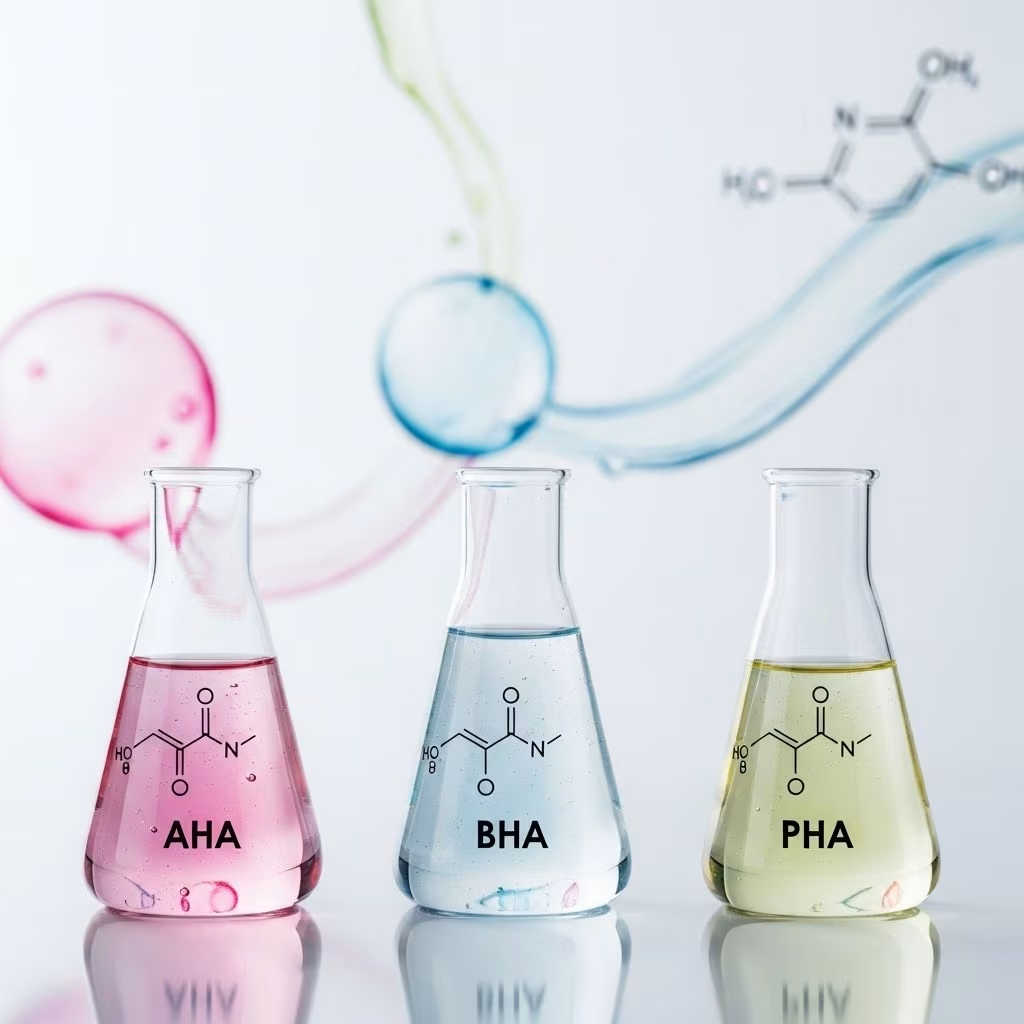
Chemical exfoliation has become a skincare powerhouse, transforming dull, rough, or uneven skin with products that are gentler and more effective than traditional scrubs. Among the most celebrated exfoliating ingredients are the families of acids known as AHAs, BHAs, and PHAs, all commonly found in modern exfoliating toners. But what are these acids, and how can you pick the right one for your unique needs? This comprehensive guide unpacks everything about AHAs, BHAs, and PHAs in exfoliating toners, arming you with the knowledge for glowing, healthy skin.
\n\n
Table of Contents
\n
- \n
- Understanding Exfoliation: Why It Matters
- What Are AHAs? (Alpha Hydroxy Acids)
- What Are BHAs? (Beta Hydroxy Acids)
- What Are PHAs? (Polyhydroxy Acids)
- AHAs vs BHAs vs PHAs: Key Differences
- Skin Benefits of Exfoliating Toners Containing Acids
- How to Choose the Right Exfoliating Toner for Your Skin Type
- How to Use Exfoliating Toners Safely and Effectively
- Expert Tips for Incorporating Acids Into Your Routine
- Frequently Asked Questions (FAQs)
\n
\n
\n
\n
\n
\n
\n
\n
\n
\n
\n\n
Understanding Exfoliation: Why It Matters
\n
Skin naturally sheds about 30,000 to 40,000 dead skin cells every minute, but as we age or due to external factors, this process slows down. Dead cells can accumulate, blocking pores and leaving skin rough and lackluster. This is where exfoliation steps in, boosting cell turnover and revealing a smoother, fresher complexion underneath. Exfoliation can be manual (using scrubs) or chemical, with acids like AHAs, BHAs, and PHAs leading the chemical approach.
\n\n
- \n
- Manual (Physical) exfoliants use particles to physically slough off dead skin.
- Chemical exfoliants use acids to dissolve the bonds between dead cells, enabling gentle and even removal.
\n
\n
\n
Chemical exfoliants are favored for their ability to deliver more thorough, consistent results with less risk of microtears or irritation compared to harsh physical scrubs.
\n\n
What Are AHAs? (Alpha Hydroxy Acids)
\n
AHAs, or alpha hydroxy acids, are a group of water-soluble acids derived mainly from fruits, milk, or sugar. Popular types of AHAs include glycolic acid (from sugarcane), lactic acid (from milk), mandelic acid (from bitter almonds), and citric acid (from citrus fruits).
\n
- \n
- AHAs primarily work on the skin’s surface by loosening the glue that holds together dead cells, promoting skin renewal.
- Because AHAs are water-soluble, they do not penetrate deep into oily pores and are ideal for dry, rough, sun-damaged, or aging skin.
- AHAs can visibly brighten skin, fade hyperpigmentation, minimize fine lines, and improve overall tone and texture.
- Lactic acid is renowned for its gentle, hydrating qualities, suitable for most skin types, including sensitive skin.
\n
\n
\n
\n
\n
Commonly used in toners, serums, and peels, AHAs can enhance radiance and smoothness when used correctly. Overuse or improper application may lead to sensitivity, so sunscreen is essential when using products with AHAs.
\n\n
Summary Table: Common AHAs and Their Properties
\n
| AHA Type | Source | Primary Benefit | Who Should Use |
|---|---|---|---|
| Glycolic Acid | Sugarcane | Deep exfoliation, brightening | Normal to dry, sun-damaged skin |
| Lactic Acid | Milk | Gentle exfoliation, hydration | Sensitive, dry, or first-time users |
| Mandelic Acid | Bitter almonds | Large molecule, gentle, even tone | Sensitive or uneven skin |
| Citric Acid | Citrus fruits | Brightening, antioxidant properties | Dull, tired skin |
\n\n
What Are BHAs? (Beta Hydroxy Acids)
\n
BHAs, or beta hydroxy acids, are a class of exfoliants that are oil-soluble. This key feature allows them to penetrate into pores clogged with oil or sebum, making them especially effective for oily or acne-prone skin.
\n
- \n
- The most prominent BHA in skincare is salicylic acid.
- BHAs can clean deep inside pores, target blackheads, whiteheads, and help reduce acne breakouts by removing trapped oil, dead skin, and bacteria.
- Because BHAs are also anti-inflammatory and antibacterial, they are frequently prescribed for sensitive acne-prone skin and even for conditions like psoriasis.
- BHAs, being oil-soluble, are best for those with oily, combination, acne-prone, or congested skin.
\n
\n
\n
\n
\n
Regular use of BHA toners can unclog pores, regulate excess sebum, and support a clearer, more refined skin texture.
\n\n
What Are PHAs? (Polyhydroxy Acids)
\n
PHAs, or polyhydroxy acids, are considered the \”next-generation\” exfoliants, offering similar benefits to AHAs but with larger molecular structures which limit their skin penetration. This makes them less likely to cause irritation or stinging, making PHAs a prime choice for very sensitive, reactive, or rosacea-prone skin.
\n
- \n
- Examples include gluconolactone and lactobionic acid.
- PHAs gently exfoliate on the skin’s surface, increasing cell turnover and hydration.
- They also possess antioxidant and moisturizing properties, helping strengthen the skin’s barrier and support a healthy biome.
- Ideal for people who cannot tolerate stronger AHAs or BHAs, such as those with dry, mature, or especially sensitive skin.
\n
\n
\n
\n
\n
PHAs are often found in innovation-driven exfoliating toners, serums, and moisturizers for those seeking gentle, gradual improvements without irritation.
\n\n
AHAs vs BHAs vs PHAs: Key Differences
\n
| Property | AHAs | BHAs | PHAs |
|---|---|---|---|
| Solubility | Water-soluble | Oil-soluble | Water-soluble, larger molecules |
| Penetration | Surface of skin | Deep in pores | Surface, gradual |
| Main Benefits | Brightening, anti-aging, texture | Pore-clearing, acne reduction | Gentle exfoliation, hydration |
| Best For | Dry, dull, aging | Oily, acne-prone | Sensitive, reactive |
| Typical Side Effects | Stinging, sun sensitivity | Irritation, dryness (if overused) | Minimal, rare sensitivity |
| Common Acids | Glycolic, lactic | Salicylic | Gluconolactone, lactobionic |
\n\n
Skin Benefits of Exfoliating Toners Containing Acids
\n
Well-formulated exfoliating toners can deliver a variety of transformative effects:
\n
- \n
- Smoother, brighter skin: Chemical exfoliants sweep away the old, revealing glowing, even-toned skin underneath.
- Fades discoloration: Regular use can reduce dark spots, sun damage, and post-acne marks.
- Minimizes fine lines and wrinkles: Stimulates collagen and cell regeneration, reducing visible aging.
- Clears pores and reduces acne: Especially with BHAs, which cut through oil and help keep pores clear and acne at bay.
- Boosts product absorption: Removing dead cells lets moisturizers and serums penetrate more effectively.
- Improves skin barrier function: PHAs in particular enhance moisture retention and support barrier health.
\n
\n
\n
\n
\n
\n
\n\n
How to Choose the Right Exfoliating Toner for Your Skin Type
\n
Finding your ideal exfoliating toner depends on your skin type, main concerns, and sensitivity. Consider these guidelines:
\n
- \n
- Dry, rough, sun-damaged, or aging skin: Opt for AHAs like glycolic or lactic acid for surface renewal and hydration.
- Oily, combination, or acne-prone skin: BHAs such as salicylic acid offer deep pore cleansing and sebum regulation.
- Sensitive, rosacea-prone, or easily irritated skin: PHAs provide gentle exfoliation with the added benefit of hydration and antioxidant support.
- First-time acid users: Start with lower concentrations or PHAs to reduce the risk of irritation.
\n
\n
\n
\n
\n
Consider products with additional soothing ingredients—like aloe, niacinamide, or panthenol—if you’re concerned about redness or sensitivity. Always patch-test a new formula.
\n\n
How to Use Exfoliating Toners Safely and Effectively
\n
To maximize benefits and avoid irritation, use exfoliating toners wisely:
\n
- \n
- Start slow: Use 2–3 times a week, gradually increasing frequency based on your skin’s tolerance.
- Apply after cleansing: Pat skin dry, then apply toner using a cotton pad or palms all over face and neck, avoiding eyes.
- Follow with hydrating products: Balance exfoliation with nourishing serums and moisturizers to restore moisture.
- Use sunscreen daily: Acids can increase sun sensitivity, so apply SPF 30 or higher every morning.
- Avoid mixing with other strong actives: Retinoids, vitamin C, or physical scrubs can heighten irritation if combined recklessly.
\n
\n
\n
\n
\n
\n
Observe your skin—redness, flaking, or burning are signs you should pull back on usage, opt for gentler acids, or take a break.
\n\n
Expert Tips for Incorporating Acids Into Your Routine
\n
- \n
- Dual approach for combo skin: Some benefit from alternating AHAs and BHAs or using targeted treatments (AHA on cheeks, BHA on T-zone).
- Layer carefully: Apply from thinnest to thickest—toner before serums and creams.
- Winter caution: Drier, colder months may require reducing frequency or switching to PHAs to prevent barrier issues.
- Consistency is key: Regular gentle exfoliation yields better results than occasional aggressive treatments.
- Listen to your skin: Adapt based on your skin’s feedback; more is not always better.
\n
\n
\n
\n
\n
\n\n
Frequently Asked Questions (FAQs)
\n
Q: Can I use AHAs and BHAs together?
\n
A: Yes, but introduce them slowly and watch for irritation. Some products combine both, but alternating days or using on different areas of the face is often preferred.
\n\n
Q: How long does it take to see results from exfoliating toners?
\n
A: Subtle improvements in smoothness and glow can occur after a week or two, with best results after consistent use for 4–6 weeks. Patience matters; overuse will not speed up progress.
\n\n
Q: Are exfoliating toners safe for pregnant or breastfeeding individuals?
\n
A: Many dermatologists recommend avoiding strong chemical exfoliants or consulting your healthcare provider. PHAs are generally considered the most gentle and may be preferred, but always check with your doctor.
\n\n
Q: What should I do if my skin becomes red or irritated?
\n
A: Stop using acids immediately, focus on gentle cleansing and barrier repair with fragrance-free, hydrating products. Resume exfoliation only after the skin feels completely normal, and consider switching to a lower strength or a PHA-based product.
\n\n
Q: Do exfoliating toners work on body skin?
\n
A: Absolutely. Many products are designed for body use, targeting rough patches, KP, or acne on areas like the arms, chest, and back. Use as recommended and follow with moisturizer.
\n\n
Final Thoughts
\n
The world of exfoliating toners powered by AHAs, BHAs, and PHAs offers a customized, science-backed approach to achieving smoother, clearer, and more luminous skin. Understanding what each acid family excels at allows you to select the perfect toner for your individual needs while avoiding side effects. Always prioritize healthy skin practices, like daily sun protection and listening to your skin’s unique signals, for the safest and most effective results.
References
- https://eminenceorganics.com/us/blog/what-are-ahas-phas-bhas
- https://www.drmtlgy.com/blogs/skin-care-ingredients/the-differences-between-ahas-bhas-and-phas
- https://www.cerave.com/skin-smarts/skincare-tips-advice/understanding-the-differences-between-ahas-and-bhas
- https://us.gotoskincare.com/blogs/the-go-to-guide/the-difference-between-ahas-bhas-phas
- https://beautybio.com/blogs/skincare-blog/exfoliation-demystified-what-s-the-difference-between-ahas-bhas-phas
- https://www.healthline.com/health/aha-vs-bha
- https://www.theinkeylist.com/blogs/news/ahas-vs-bhas-whats-the-difference
- https://www.cassandrabankson.com/blogs/latest/what-is-the-difference-between-ahas-and-bhas


