


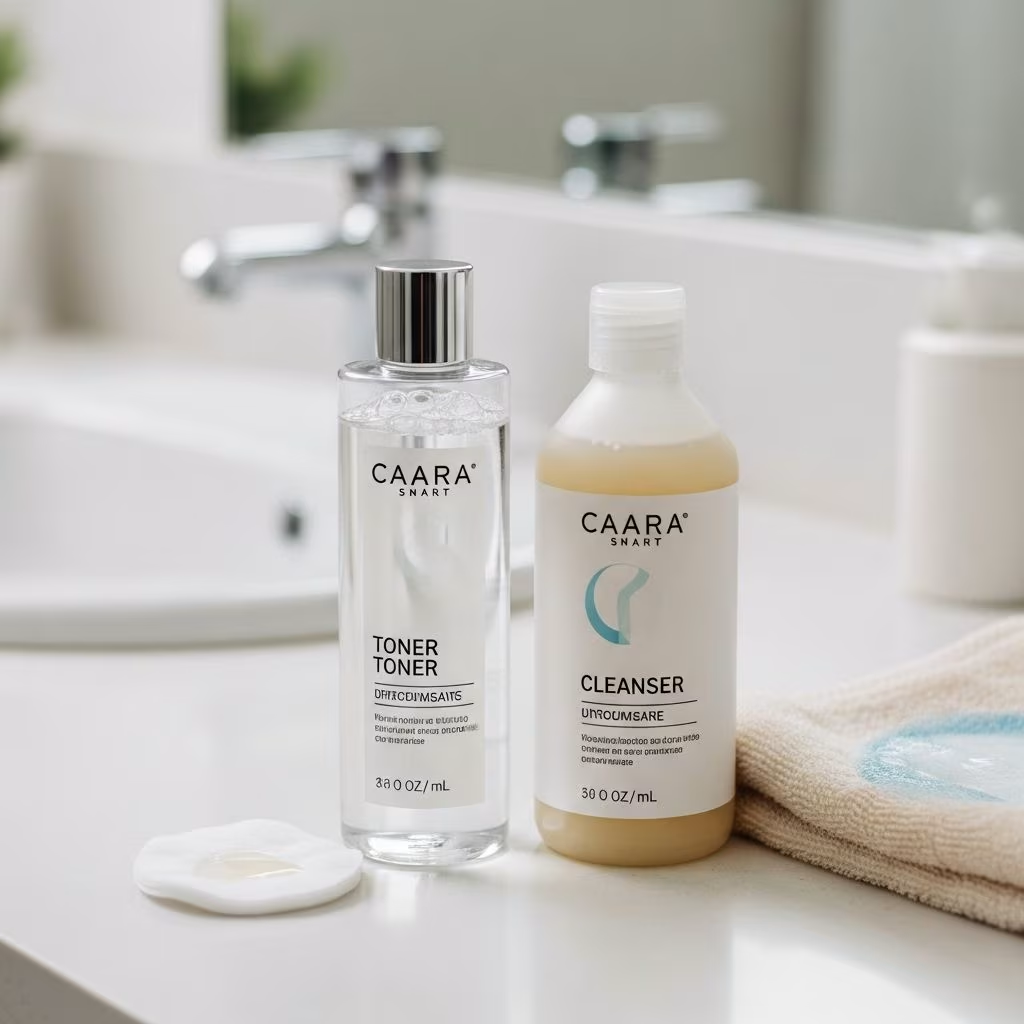
Introduction: The Cleansing vs. Toning Debate
In the evolving world of skincare, questions about product functions and possible overlaps are never-ending. One such common query is whether toner can replace cleansing—specifically, if a toner can do the job of a cleanser. To provide clarity, it’s essential to understand the primary functions, mechanisms, and benefits of both cleansers and toners in a skincare routine. This article delves deep into these topics, outlining what each product does, how they differ, and whether it’s safe or effective to substitute one for the other.
What Is a Cleanser?
A cleanser is the foundational step in any skincare regimen. Its primary purpose is to cleanse the skin by removing dirt, makeup, excess oil, sweat, bacteria, dead skin cells, and environmental pollutants that accumulate throughout the day. Cleansers come in various forms—gel, cream, oil, or foam—all designed to lift impurities from the skin’s surface and, in some cases, penetrate pores to unclog them.
How Does a Cleanser Work?
- Lifts Impurities: Cleansers contain surfactants that help dissolve oil, dirt, and makeup, allowing them to be rinsed away with water.
- Prepares Skin: By removing debris, cleansers create a clean canvas for the application of other products, enhancing their absorption and effectiveness.
- Hydration Balance: Quality cleansers are formulated to cleanse without stripping the skin of its natural moisture, maintaining the skin barrier integrity.
What Is a Toner?
Toner is a liquid product typically applied after cleansing and before serums or moisturizers. While often misunderstood as a secondary cleanser, toner’s true role is to restore the skin’s pH balance, hydrate, and remove any last traces of dirt, oil, or cleanser residue left behind after washing the face. Toners can also help refine pores, hydrate, and prep the skin for subsequent skincare steps.
How Does a Toner Work?
- pH Restoration: Cleansing can temporarily disrupt the skin’s natural pH; toners help reset it to a healthy, slightly acidic level.
- Hydration: Many modern toners include humectants that attract water to the skin, providing an extra layer of moisture.
- Remove Residue: Toners can catch any remaining impurities missed by the cleanser, especially after heavy makeup application.
- Prep Skin: The dampness left by toner aids the absorption of serums and moisturizers, boosting their efficacy.
Key Differences Between Cleansers and Toners
| Cleanser | Toner | |
|---|---|---|
| Primary Function | Removes dirt, oil, makeup, pollutants from the skin | Restores pH, hydrates, removes residual debris |
| When to Use | First step, before toner | After cleansing, before serums/moisturizers |
| Form | Gel, cream, oil, foam | Liquid (spray, lotion, or soaked pad) |
| Application | Applied to wet skin, rinsed off | Applied to dry or damp skin, not rinsed off |
| Skin Benefits | Deep cleaning, unclogs pores, prevents acne | Hydrates, refines pores, preps for absorption |
As seen in the table above, while both products contribute to a clean and healthy complexion, their mechanisms and purposes are distinct.
Can Toner Replace Cleanser? Examining the Facts
The central question of whether toner can replace cleanser hinges on understanding the depth and nature of cleaning each provides.
Why Toner Cannot Fully Replace Cleansing
- Surface-Limited Action: Toners primarily work on the skin’s surface and are not designed to dissolve and remove the same amount of oil, dirt, and pollutants that cleansers do.
- No Thorough Cleansing: While toners can remove some residue, they lack the emulsifying and surfactant ingredients needed to break down waterproof makeup, sunscreen, and heavy sebum.
- Insufficient for Pollution and Dead Skin: Cleansers are specifically formulated to lift away accumulated debris, dead skin cells, and environmental toxins—tasks toners are not equipped to handle adequately.
Exceptions and Overlaps
- Micellar Water: Some micellar waters blur the line between toner and cleanser, as they can remove light makeup and impurities without rinsing. However, for a truly deep clean, especially in polluted environments or after heavy makeup, a traditional cleanser is still recommended.
The Benefits of Using Both Products
Incorporating both a cleanser and a toner into your routine offers a comprehensive approach to skin health.
- Deep Cleansing: Starts with a cleanser to remove all impurities, preparing the skin for subsequent treatments.
- pH Balance: Toner restores the skin’s pH after cleansing, which is crucial for maintaining a healthy skin barrier.
- Enhanced Absorption: Toner’s hydrating effect creates a receptive base for serums and moisturizers to penetrate more effectively.
- Targeted Treatment: Both products can be tailored to specific skin concerns—oily, dry, sensitive, or acne-prone—by selecting formulations with appropriate active ingredients.
How to Use Cleanser and Toner in Your Routine
- Order Matters: Always use cleanser first, followed by toner. Cleansing sets the stage for toner to work optimally.
- Frequency: Both can (and should) be used twice daily—morning and night—unless you have specific instructions from a dermatologist.
- Application Method: Apply cleanser to wet skin, massage gently, then rinse. Pat skin dry, then apply toner with hands or a cotton pad; do not rinse off.
Choosing the Right Products for Your Skin
Both cleansers and toners come in formulations for every skin type. Here’s how to select the best options:
Cleanser Selection Tips
- For Dry Skin: Cream or oil-based cleansers that hydrate while cleaning.
- For Oily/Acne-Prone Skin: Gel or foaming cleansers with salicylic acid or benzoyl peroxide.
- For Sensitive Skin: Fragrance-free, gentle formulas with soothing ingredients like aloe or chamomile.
Toner Selection Tips
- For Dry Skin: Alcohol-free, hydrating toners with hyaluronic acid or glycerin.
- For Oily/Acne-Prone Skin: Toners with witch hazel, niacinamide, or mild exfoliants.
- For Sensitive Skin: Calming toners with minimal ingredients, no alcohol, and no harsh acids.
Common Misconceptions
- Myth: Toners are just for oily skin. Modern toners are formulated for all skin types, including dry and sensitive.
- Myth: Cleansers always dry out the skin. Quality cleansers maintain moisture and protect the skin barrier.
- Myth: You must use both every day. If your skin is balanced and healthy, you can sometimes skip toner, but never skip cleanser.
Frequently Asked Questions (FAQs)
Q: Can I use only toner to clean my face?
A: No, toner is not designed to remove the full spectrum of impurities, oil, and makeup that cleansers are made for. Toner is a supplementary step, not a replacement for cleansing.
Q: What if I have very sensitive skin? Can I skip toner?
A: Yes, if your skin is sensitive or easily irritated, you can skip toner, but always cleanse to remove impurities. Look for a gentle, fragrance-free toner if you wish to include this step.
Q: Can micellar water replace both cleanser and toner?
A: Micellar water can substitute for a cleanser in a pinch, especially for light cleansing, but for a thorough clean (e.g., after sunscreen or heavy makeup), a traditional cleanser is superior. Toner can still add hydration and pH-balancing benefits after micellar water.
Q: Do I need to use toner if I’m using a serum and moisturizer?
A: Toner is not mandatory. However, toner helps prime your skin for better absorption of serums and moisturizers, and provides hydration and pH balance that can be beneficial.
Q: Are toners with alcohol bad for your skin?
A: Alcohol-based toners can be drying and irritating, especially for dry or sensitive skin. Alcohol-free toners are recommended for most people, except those with very oily skin who may benefit from occasional use.
Conclusion: The Bottom Line
Toner cannot replace cleansing. Cleansers are essential for removing the daily buildup of oil, dirt, makeup, and pollutants, while toners play a supportive role in restoring pH, hydrating, and preparing the skin for further treatment. For a truly clean and healthy complexion, both products have their place in a well-rounded skincare routine. When in doubt, consult with a dermatologist to tailor your regimen to your specific skin type and concerns.
References
- https://vibrantskinbar.com/blog/cleanser-vs-toner/
- https://www.charlottetilbury.com/uk/secrets/toner-vs-cleanser
- https://www.ultimaii.com/en/read/beauty/Toner-VS-Cleanser-Whats-the-Difference
- https://vincebeauty.com/blogs/vince-blog/face-toner-vs-cleanser
- https://www.katesomerville.com/blogs/news/cleanser-vs-toner-which-one-is-better
- https://nassifmdskincare.com/blogs/skincare-news/basics-of-cleansing-toning-and-moisturizing
- https://jurlique.com/blogs/news/behind-the-skincare-debate-toner-or-essence-or-both


