


Table of Contents
- Introduction
- Why Patch Test Exfoliating Toners?
- How to Patch Test Exfoliating Toners
- Common Risks and Complications
- Choosing the Right Exfoliating Toner
- Frequently Asked Questions (FAQs)
- Conclusion
Introduction
Exfoliating toners are powerful skincare products that help remove dead skin cells, unclog pores, and improve skin texture. However, they often contain active ingredients like alpha-hydroxy acids (AHAs) or beta-hydroxy acids (BHAs), which can cause irritation or allergic reactions in some individuals. Patch testing is a crucial step in ensuring that these products are safe for your skin.
Why Patch Test Exfoliating Toners?
Patch testing is essential for identifying potential allergens or irritants in skincare products before they cause widespread skin issues. It helps in preventing full-face flare-ups, catching delayed reactions, and identifying triggers such as fragrances, essential oils, or certain preservatives. This simple test can give you confidence in your skincare routine by helping you understand what works for your skin and what doesn’t.
How to Patch Test Exfoliating Toners
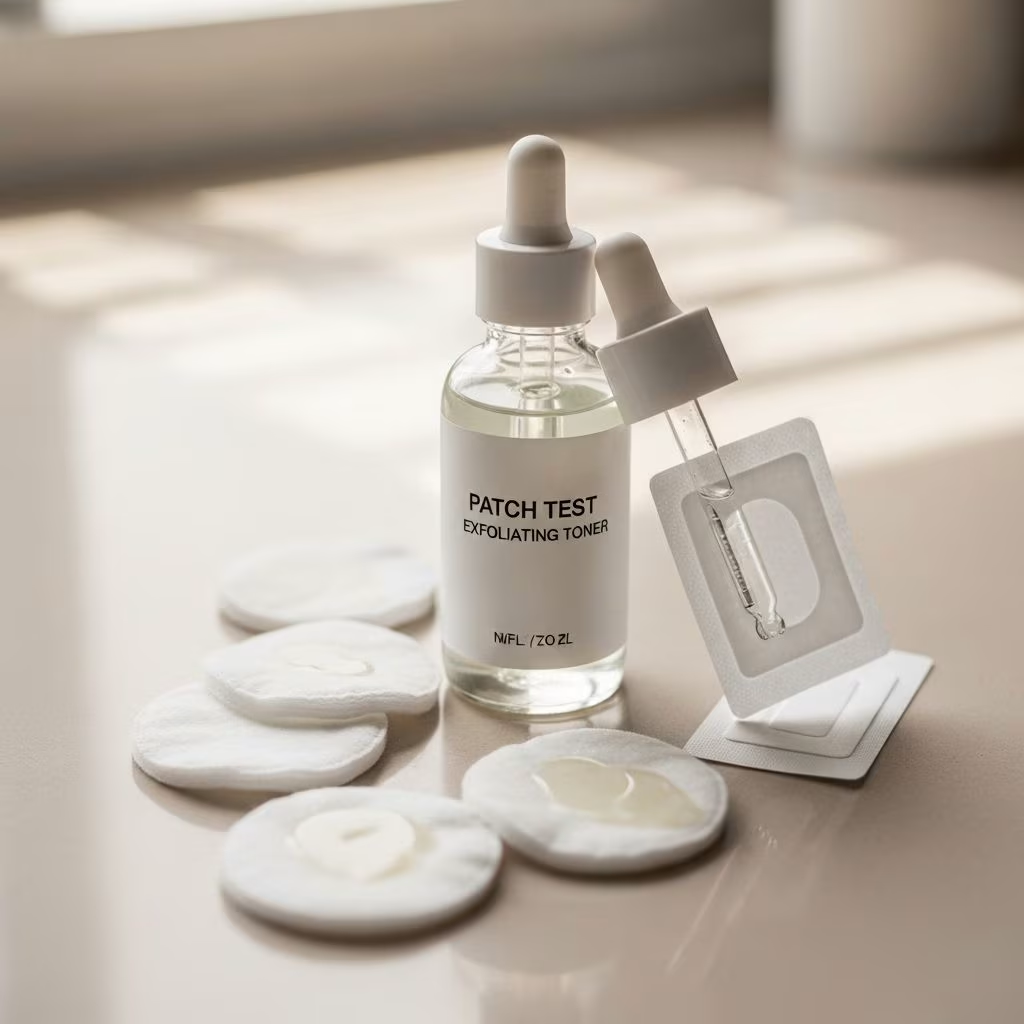
Patch testing involves applying a small amount of the product to a discreet area of your skin and observing it for any adverse reactions over a period of time. Here’s a step-by-step guide on how to patch test exfoliating toners:
Step 1: Choose a Test Area
Common areas for patch testing include behind the ear, on the inner forearm, or along the jawline. Ensure the area is free from any existing irritation or wounds.
Step 2: Cleanse the Area
Use a gentle, fragrance-free cleanser to remove any dirt, oil, or previous product residue from the test area.
Step 3: Apply the Product
Dip a clean cotton swab into the exfoliating toner and apply a thin layer to the test area. You can also use your fingertip if you prefer.
Step 4: Wait and Observe
Allow the product to stay on the skin for 24 to 48 hours. Avoid washing the area during this time unless the product is meant to be rinsed off.
Step 5: Assess the Results
Examine the test area closely for signs of irritation such as redness, swelling, itching, or burning. If no adverse reactions occur, it is likely safe to proceed with using the product on a larger area.
Common Risks and Complications
Exfoliating toners can cause various skin issues, including redness, irritation, or even allergic contact dermatitis. It’s important to distinguish between purging (temporary breakouts due to product use) and irritation. If you experience severe reactions, discontinue use and seek medical advice if necessary.
Choosing the Right Exfoliating Toner
When selecting an exfoliating toner, consider your skin type and needs. For sensitive skin, look for products with gentle ingredients and lower concentrations of active acids. Always read product labels carefully to identify potential allergens or irritants.
Frequently Asked Questions (FAQs)
Q: How long should I wait after patch testing?
A: Wait at least 24 to 48 hours before using the product on a larger area. For active ingredients like retinoids or acids, consider waiting up to 72 hours.
Q: What if I experience irritation?
A: If you notice any signs of irritation, discontinue use and soothe the area with a bland, fragrance-free moisturizer.
Q: Where should I patch test?
A: Common areas for patch testing include behind the ear, on the inner forearm, or along the jawline.
Conclusion
Patch testing exfoliating toners is a simple yet effective way to ensure that your skincare products are safe for your skin. By following these steps and being mindful of potential risks, you can enjoy the benefits of exfoliating toners while minimizing the risk of adverse reactions.
References
- https://rixincosmetics.com/blog/how-to-patch-test-a-skincare-product/
- https://asthetikskincare.com/blogs/news/how-to-patch-test-skincare-safe-step-by-step-guide
- https://us.namomonk.com/blogs/self-care-symphony/patch-testing-101-a-simple-guide-to-safe-skincare-and-identifying-what-doesnt-work-for-you
- https://edenskinstore.com/blogs/news/how-to-patch-test-skincare
- https://www.medicalnewstoday.com/articles/patch-test-skincare
- https://www.aad.org/public/everyday-care/skin-care-secrets/prevent-skin-problems/test-skin-care-products
- https://juicychemistry.com/blogs/jc-information/the-right-way-to-patch-test-a-product
- https://glimmergoddess.com/blogs/news/guide-to-patching-testing-your-skincare


