


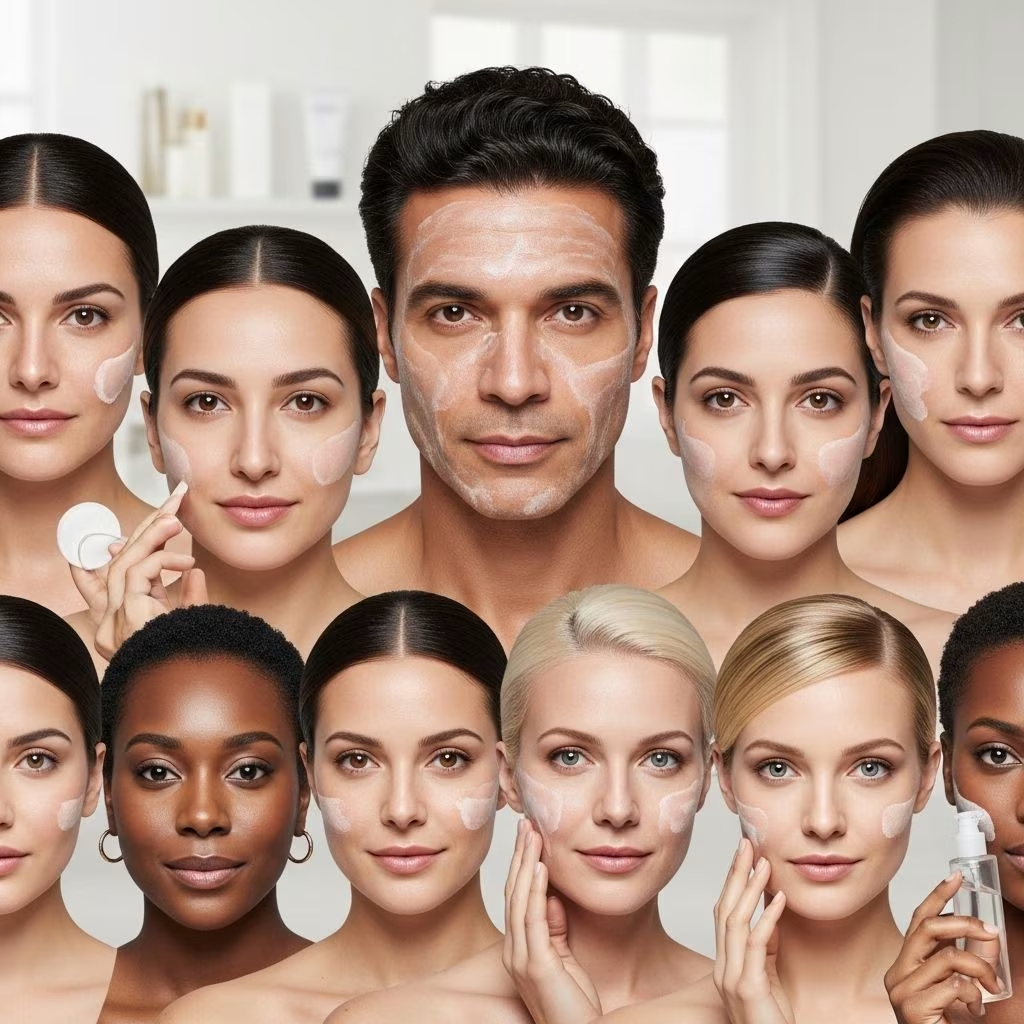
Toner is a foundational yet frequently misunderstood step in modern skincare. When used properly, it can balance pH, refine pores, remove lingering impurities, and prep skin for more effective moisturization. Yet, many people find their toner doesn’t deliver the results promised. This guide explores the most common mistakes with toner, practical tips for optimal results, and actionable advice tailored for every skin type.
Understanding What Toner Does
Before addressing the mistakes, it’s essential to define the purpose of toner in skincare:
- Removes residual makeup and impurities: Sweeps away trace dirt and cleanser left behind after washing.
- Restores pH balance: Modern cleansers may alter natural skin pH; toner helps return it to the optimal, healthy range.
- Minimizes the appearance of pores: While toners don’t change pore size, they can help them appear tighter and less visible.
- Preps skin for subsequent products: Enhanced penetration of serums and moisturizers means better results from your routine.
If toner isn’t working for you, it’s likely due to incorrect product selection or application, or both.
10 Common Mistakes That Prevent Toners From Working
Many users blame the toner itself for lackluster results, when the real culprit is how the product is chosen, applied, or incorporated into the overall routine. Here are the most frequent toner errors to avoid:
1. Skipping Toner Entirely
Many skip toner, assuming it’s unnecessary. Doing so can leave skin unbalanced, less receptive to serums and moisturizers, and prone to congestion and dullness. Toner bridges the gap between cleansing and hydrating, optimizing skin health and glow.
2. Using the Wrong Toner for Your Skin Type
Toner isn’t one-size-fits-all. Oily, dry, and sensitive skin need different formulas. Astringent or alcohol-heavy toners can worsen dryness and irritation on sensitive or dry skin. Likewise, rich, hydrating toners can be too much for oily skin, potentially causing breakouts.
3. Overusing Toner
“More isn’t always better.” Applying toner too often can strip natural oils, leaving skin dry, red, and irritated. Two times per day—morning and evening—is typical unless otherwise directed.
4. Misusing Alcohol-Based Toners
Traditional astringent toners contain alcohol to tighten pores and remove oil, but these can disrupt the skin barrier, leading to dryness, redness, or increased sensitivity—especially when overused.
5. Using Dirty Hands or Tools
Applying toner with unwashed hands or contaminated cotton pads introduces bacteria, potentially causing breakouts and irritation. Always use cleansed hands or a clean cotton pad.
6. Neglecting Moisturizer After Toner
Toners prepare skin for better moisture absorption. Skipping moisturizer after toner leaves skin vulnerable and tight, undermining hydration.
7. Ignoring the Ingredient List
Choosing toner blindly—without checking for harsh chemicals, fragrances, or known irritants—can result in allergic reactions and inflammation. Read ingredient labels to select gentle, beneficial formulas.
8. Incorrect Spraying or Application Technique
For spray toners, spraying randomly or at a distance can mean uneven coverage. Application should be even—follow up with gentle patting to ensure absorption.
9. Skipping a Patch Test
Some ingredients can trigger irritation or allergy. Failing to patch test before full application exposes you to unnecessary risk of breakouts, itchiness, or rashes.
10. Rubbing, Not Patting
Rubbing toner aggressively into skin can cause redness and disrupt the delicate skin barrier. The ideal technique is to gently pat toner using fingertips or a soft cotton pad.
Choosing the Right Toner for Your Skin Type
Some of the most harmful toner mistakes stem from not matching the product to your skin’s requirements. Use this guide to find your ideal match:
| Skin Type | Best Toner Features | Ingredients to Seek | Ingredients to Avoid |
|---|---|---|---|
| Oily / Acne-Prone | Oil control, exfoliation | Salicylic acid, niacinamide, witch hazel | Heavy oils, synthetic fragrance, excess alcohol |
| Dry | Hydration | Hyaluronic acid, glycerin, aloe vera | Alcohol, strong astringents |
| Sensitive | Calming, gentle | Chamomile, calendula, panthenol, allantoin | Alcohol, acids, synthetic fragrance, harsh botanicals |
| Combination | Balanced hydration | Lightweight humectants, niacinamide, mild exfoliants | Overly drying or heavy formulations |
How to Properly Apply Toner
Application matters as much as product choice. Follow these steps for optimal results and to avoid irritation:
- Cleansing first: Always apply toner immediately after cleansing while skin is still slightly damp for best absorption.
- Amount: Use only the recommended dose—generally a nickel-sized amount or 2-3 spritzes.
- Technique: Pat, don’t rub. Use clean hands or a soft cotton pad. Rubbing or scrubbing can irritate skin.
- Timing: Don’t let your skin dry out after cleansing. Apply toner within 1 minute to lock in moisture.
- If using cotton pads: For exfoliating or astringent toners, use a cotton pad for even application. For hydrating toners, apply with clean hands.
- Don’t apply with dirty hands/tools: Wash your hands and use fresh, clean pads every time.
Why Toner Ingredients Matter
Not all toners are beneficial for every skin type. Some “classic” toners are loaded with alcohol and astringents that can dry out and sensitize the skin, while some include beneficial humectants and soothers. Always inspect the ingredients and know what you’re applying:
- Avoid: Denatured alcohol, synthetic fragrances, parabens, harsh acids (unless specifically suitable for your skin goals).
- Seek: Hydrators, antioxidants, and soothing botanicals like aloe, calendula, green tea, panthenol, or niacinamide.
- Check pH: Toners should be slightly acidic (pH 4–6) to match healthy skin and help rebalance after cleansing.
Integrating Toner Into Your Skincare Routine
Even the best toner won’t help if used at the wrong step or with conflicting products. Here’s the optimal order:
- Cleanse: Wash face thoroughly but gently. Pat dry.
- Tone: Apply immediately after cleansing (while skin is slightly damp).
- Treat: Follow with serums or actives (such as Vitamin C or retinol) as needed for your skin.
- Moisturize: Lock in hydration to prevent evaporation and soothe freshly toned skin.
- Protect (AM only): Always finish with broad-spectrum sunscreen.
Consistency is key—make toner a regular part of morning and evening routines for best results.
Frequently Asked Questions (FAQs)
Q: Can using the wrong toner cause breakouts?
A: Yes. Oily or acne-prone skin may worsen with heavy, oily, or comedogenic toners. Similarly, astringent or alcohol-heavy formulas can irritate and dry the skin, potentially causing a cycle of excess oil production and irritation.
Q: How do I know if my toner is too harsh?
A: Signs include stinging, excessive redness, feeling uncomfortably tight, or flaking. This likely means the toner’s pH or ingredients are not compatible with your skin.
Q: Are spray toners less effective than liquid ones?
A: Not if applied correctly. Spritz evenly, then gently pat in. Uneven or insufficient product application can reduce efficacy.
Q: Can I layer more than one toner?
A: It’s possible but only with complementary, gentle formulas (for example, a hydrating toner followed by an exfoliating one). Avoid layering multiple strong actives.
Q: Should I stop toner if my skin feels worse?
A: Discontinue use if you notice irritation, persistent dryness, breakouts, or redness. Try switching to a gentler, alcohol-free, and fragrance-free formula and always patch test new products.
Expert Tips for Toner Success
- Invest time in ingredient research: Know what every ingredient does—avoid trendy actives that don’t meet your skin’s needs.
- Store toner properly: Keep out of sunlight and heat to preserve efficacy.
- Patch test new products: Especially if you have known sensitizers or allergies.
- Listen to your skin: If you notice increased dryness or sensitivity, review ingredient lists and reduce frequency.
- Consult a dermatologist: For persistent skin issues or confusion on product selection.
Conclusion
Many people find that their toner “isn’t working” not because of a flaw in the product itself, but due to common mistakes in product choice, application method, or integration within the full skincare regimen. Avoiding the errors outlined above—and tailoring your approach to your individual needs—will not only improve the efficacy of your toner but transform your entire skincare routine for healthier, more radiant skin.
References
- https://www.vosbody.com/face-toner-mistakes-to-avoid-in-the-new-year/
- https://www.youtube.com/watch?v=Jr9J1HydIRU
- https://lemonandbeaker.com/blogs/news/the-right-time-to-apply-toner-in-your-skincare-routine
- https://www.dermatologistschoice.com/blogs/news/whats-a-toner-and-why-you-need-it-in-your-skincare-routine
- https://www.rodanandfields.com/en-us/blog/doctors-notes/common-skincare-mistakes/
- https://www.gloskinbeauty.com/blog/10-skincare-mistakes-to-avoid
- https://www.cerave.com/skin-smarts/skincare-tips-advice/tips-for-including-toner-in-your-skincare-routine


