


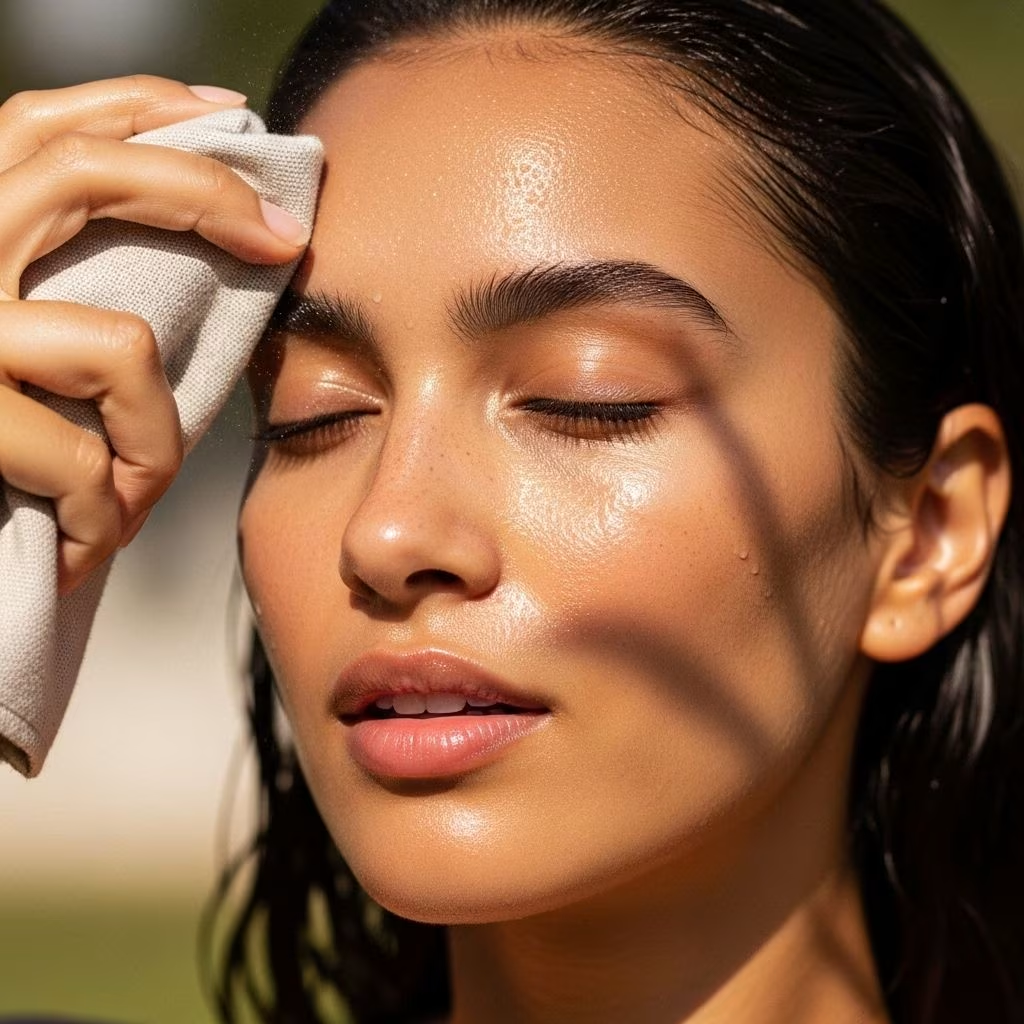
As global temperatures continue to rise, more individuals are experiencing the unwelcome side effects of heat stress on skin: inflammation, breakouts, excessive oiliness, and irritation. Adapting your skincare approach to combat these changes is essential for maintaining healthy, radiant skin throughout every heatwave.
Understanding Heat Stress & Your Skin
Heat stress occurs when high temperatures—often accompanied by humidity and sun exposure—overwhelm your skin’s natural ability to regulate moisture, oil, and inflammation. This sets the stage for a wide range of cutaneous issues, from dehydration to persistent breakouts. Both indoor and outdoor heat sources contribute, with factors like UV exposure, sweat, air conditioning, and polluted air all playing a role.
Why Heat Triggers Inflammation & Breakouts
When exposed to persistent heat, your skin’s defense mechanisms react in several ways:
- Increased perspiration—Sweat cools the body but can clog pores and foster bacterial overgrowth, leading to breakouts.
- Overactive sebaceous glands—Hot weather stimulates oil glands, contributing to a greasy complexion, clogged pores, and acne.
- Weakened skin barrier—Heat and sun can disrupt the skin barrier, heightening sensitivity, redness, and inflammation.
- Exposure to UV and environmental pollutants—UV rays and polluted air accelerate cellular damage, cause pigmentation, and trigger inflammatory responses.
- Moisture imbalance—Air conditioning or dry outdoor heat can strip moisture, highlighting wrinkles and increasing susceptibility to irritation.
Signs & Symptoms of Heat-Stressed Skin
- Frequent breakouts (pimples, blackheads, whiteheads)
- Persistent oiliness or greasy feeling
- Redness, blotchiness, or sensitivity
- Sensation of tightness or skin dryness, despite oil
- Rough patches or peeling
- Development of rashes or heat bumps (miliaria)
- Irritation, tenderness, or burning after sun exposure
Core Principles of Heat Stress Skincare
The following foundational strategies help minimize inflammation and breakouts during heat stress:
- Hydrate deeply, inside and out
- Support and repair the skin barrier
- Control oil and sweat without stripping skin
- Prioritize sun protection
- Avoid and gently treat breakouts
- Adjust products and routines to climate
Building a Summer Skincare Routine: Step-by-Step
1. Gentle, Thorough Cleansing
- Use a gentle foaming or gel cleanser twice daily to remove sweat, oil, sunscreen, and pollutants without over-drying.
- For heavy sunscreen or makeup, try a double cleanse: start with an oil-based cleanser followed by a mild water-based formula for fully clear skin.
- After workouts or excessive sweating, cleanse promptly to avoid clogged pores.
2. Hydration: Lightweight But Deep
- Opt for hydrating serums containing hyaluronic acid, glycerin, or panthenol—these act as humectants, drawing water to the skin and plumping without heaviness.
- Follow with a lightweight, oil-free moisturizer that won’t clog pores but helps lock in hydration.
- Use water-based gel creams in high humidity and slightly richer creams in very dry environments, layering products as needed.
- Refresh skin during the day with facial mists made with soothing botanicals like cucumber or aloe.
3. Sun Protection is Non-Negotiable
- Apply a broad-spectrum, SPF 30 or higher sunscreen every morning, regardless of the weather.
- Choose an ultra-light, non-comedogenic, water-resistant sunscreen suitable for oily or breakout-prone skin.
- Reapply every two hours, or more frequently if swimming or sweating heavily.
4. Targeted Treatments for Breakouts & Inflammation
- Use spot treatments with salicylic acid or benzoyl peroxide to target blemishes—these ingredients gently exfoliate and reduce bacteria.
- For overall anti-inflammatory support, look for formulations containing niacinamide, centella asiatica, and allantoin.
- Weekly clay masks or gel masks help manage oiliness and soothe skin, especially after sun exposure.
5. Minimal, Breathable Makeup
- If needed, choose lightweight, non-comedogenic and tinted moisturizers with SPF instead of heavy foundation.
- Thoroughly remove all makeup at the end of the day to prevent pore congestion and breakouts.
Heat-Friendly Ingredients & Ingredients to Avoid
Summer-Affirming Actives
| Ingredient | Function |
|---|---|
| Hyaluronic acid | Deep hydration, plumping |
| Niacinamide | Reduces redness, strengthens barrier, controls oil |
| Centella asiatica | Soothes, anti-inflammatory, helps repair |
| Aloe vera | Calms and hydrates, post-sun repair |
| Glycerin | Locks in moisture without heaviness |
| Zinc oxide or titanium dioxide | Physical sun protection, gentle for sensitive skin |
Ingredients to Avoid or Use With Caution
- Heavy occlusives (petrolatum, mineral oil)—May clog pores and feel greasy in heat.
- Strong retinoids and exfoliating acids (AHA/BHA)—Increase sun sensitivity; use only at night, if at all, in summer.
- Irritating fragrances or essential oils—Can trigger more inflammation in already sensitive, heat-stressed skin.
- Alcohol-heavy toners—Drying and can worsen irritation.
Sun Protection Strategies
- Choose SPF 30+ (broad-spectrum), ideally water/sweat-resistant.
- Apply 15 minutes before sun exposure and reapply every 2 hours, using 1/4 tsp for face and 1 oz (shot glass) for body.
- Physical protection: Wear wide-brimmed hats, sunglasses, and UV-protective clothing; seek shade during 10am–4pm.
Lifestyle & Diet Tips for Resilient Skin
- Hydrate proactively: Drink plenty of water all day long; add electrolytes if sweating a lot.
- Eat antioxidant-rich foods: Berries, leafy greens, tomatoes, and citrus can help skin fight oxidative stress.
- Don’t overlook indoor factors: Use humidifiers if air conditioning is drying, and air purifiers to reduce pollutants.
- Stay active: Exercise supports circulation, transporting nutrients where skin needs them most.
Managing Post-Sun Inflammation and Recovery
If you’ve experienced sunburn, rashes, or uncomfortable inflammation, prompt care is vital:
- Cool the skin—Use a gentle, tepid shower and avoid hot water or harsh soaps.
- Soothe with after-sun products—Look for gels or lotions with aloe vera, chamomile, or centella asiatica to reduce redness and discomfort.
- Hydrate intensely—Apply lightweight hydrating serums and seal with a cream if skin is peeling or very dry.
- Cold compresses—Use them on affected areas, or try compresses soaked in green tea or milk for temporary relief from burning sensations.
Frequently Asked Questions (FAQs)
Q: Why does my skin break out more in the summer?
A: Heat increases sweat and oil production, both of which can clog pores and foster the growth of bacteria, leading to more frequent and severe breakouts.
Q: Can I use retinol or exfoliating acids during the summer?
A: Gentle retinoids can be used at night, but always pair with vigilant sun protection. Strong acids may increase risks of irritation and pigmentation in the sun; use with caution and moisturize well.
Q: What’s the best moisturizer for hot, humid weather?
A: Lightweight gel-based moisturizers with hydrating ingredients (hyaluronic acid, glycerin) provide hydration without heaviness or pore-clogging.
Q: Is sunscreen necessary indoors?
A: Yes, especially if you’re exposed to sunlight through windows or spend time near screens, which emit small amounts of blue/UV light.
Q: How do I calm a sudden heat rash?
A: Keep the area cool and dry, avoid friction, and apply fragrance-free hydrating lotions with anti-inflammatory ingredients (like aloe vera or centella asiatica).
Final Thoughts
Proactive, attentive skincare during periods of heat stress can make the difference between persistently irritated skin and a balanced, clear, summer glow. By emphasizing gentle cleansing, strategic hydration, oil management, barrier repair, and unwavering sun protection, you’ll empower your skin to withstand the strains of hot weather—and emerge healthy, calm, and luminous.
References
- https://teintteint.com/blogs/skin-journal/hot-weather-skincare-your-essential-guide
- https://pourmoiskincare.com/blogs/beautyforecast/hot-weather-skincare-keeping-your-skin-fresh-in-the-heat
- https://www.healingholidays.com/blog/how-to-maintain-healthy-skin-during-warmer-months
- https://www.isdin.com/us/blog/skincare/how-climate-affects-your-skin/
- https://www.jhah.com/en/news-events/news-articles/adapting-to-heat-skin-care-tips/
- https://cardonskin.com/blogs/mens-skincare-tips/the-hot-weather-skincare-guide
- https://peoplesbeauty.com/blogs/edit/skincare-guide-for-beating-the-extreme-heat
- https://www.hindustantimes.com/lifestyle/health/summer-skincare-tips-heres-how-to-save-your-skin-from-irreparable-damage-in-hot-weather-101683260161960.html
- https://www.juvenusmedspa.com/sarasota-dermatology-blog/summer-skin-survival-guide-tips-to-beat-the-heat-sun-safely


