


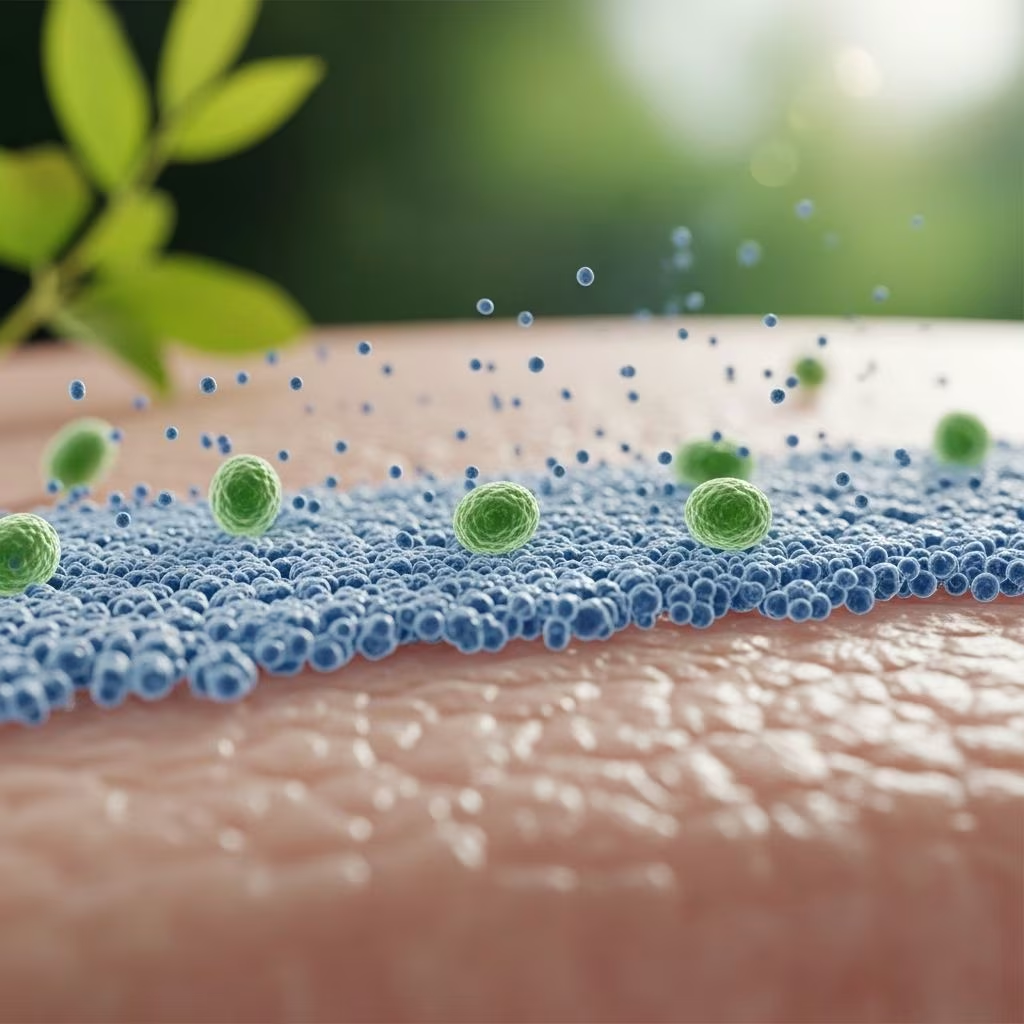
Probiotics have emerged as transformative agents in skin health, forging new strategies for defending skin from environmental stressors while optimizing the natural balance of the skin biome. Advances in dermatology and microbiology have highlighted the profound impact of live beneficial microbes—probiotics—on the skin’s resilience, appearance, and overall wellness. This article delves into the multifaceted relationship between probiotics and skin, from defending against environmental microbes to fostering a healthy, thriving skin microbiome.
Introduction to Probiotics and the Skin
Probiotics are live microorganisms, chiefly bacteria, that deliver health benefits to their host when administered in adequate amounts. Originally explored for gut health, their beneficial properties now extend to skin health, where their ability to balance and protect the skin’s delicate ecosystem is gaining robust scientific backing. They interact with and enrich the skin and gut microbiomes, both of which influence immunity, inflammation, and susceptibility to environmental damage.
Understanding the Skin Microbiome
The skin microbiome encompasses a complex community of bacteria, fungi, and other microbes residing on the skin surface. Each square centimeter of skin is home to millions of microorganisms. A balanced microbiome contributes to:
- Defending against pathogenic bacteria
- Maintaining skin barrier integrity and hydration
- Regulating local immunity
- Detoxifying environmental pollutants
- Modulating inflammation
Disturbances in this microbial balance—due to harsh skincare, antibiotics, or environmental pollutants—can lead to conditions like eczema, acne, and chronic dryness.
Key Components of the Skin Biome
- Commensal bacteria: ‘Friendly’ microbes that suppress pathogens and support barrier functions.
- Pathogenic bacteria: Microbes that can incite disease or inflammation when unregulated.
- Fungi and viruses: Minor but important members, interacting with both commensals and host defenses.
Environmental Microbe Defense: The Role of Probiotics
Our skin is constantly exposed to environmental challenges, including:
- Ultraviolet (UV) radiation
- Pollution (particulates, toxins, heavy metals)
- Temperature fluctuations and humidity extremes
- Pathogenic bacteria and environmental microbes
Probiotics support the skin’s defense by integrating into the microbiome and restoring its protective functions. They help:
- Outcompete harmful bacteria for space and resources on the skin.
- Modulate immune response to minimize inflammation and allergic reactions.
- Strengthen skin barrier by boosting production of ceramides and other protective lipids.
- Reduce effects of UV damage by lowering oxidative stress and promoting cellular repair.
Mechanisms: How Probiotics Protect and Repair Skin
Research highlights several interconnected mechanisms by which probiotics benefit the skin:
1. Restoration of Skin pH and Microbial Balance
Probiotics help normalize the skin’s natural, slightly acidic pH, creating an environment less favorable for harmful bacteria while supporting beneficial species.
2. Inhibition of Pathogen Colonization
Some probiotics directly secrete antimicrobial peptides or compete for resources, pushing out pathogenic microbes that would otherwise trigger infection or inflammation.
3. Enhanced Skin Barrier Function
By stimulating the production of ceramides—essential fats in the skin—probiotics strengthen the protective barrier. This minimizes water loss (combatting dryness) and increases resilience against environmental assaults.
4. Immune System Modulation
Bacteria that reside on or in the skin continually educate and support the immune system, teaching it to recognize harmful agents and dampening allergic responses or chronic inflammation.
5. Antioxidant and Anti-Inflammatory Effects
Certain probiotic strains have been demonstrated to combat oxidative stress—one of the leading drivers of skin aging and damage from UV and pollution. Probiotics upregulate enzymes such as superoxide dismutase and glutathione, which neutralize damaging reactive oxygen species (ROS).
6. Promotion of Wound Healing and Cellular Repair
Probiotics can accelerate skin healing by supporting tissue repair and reducing harmful inflammation during recovery from injuries or environmental abrasion.
Probiotics for Specific Skin Conditions
Growing research indicates that both oral and topical probiotics can help combat and manage several common skin issues:
| Condition | Probiotic Role | |
|---|---|---|
| Eczema (Atopic Dermatitis) | Reduces flare-ups, inflammation, and skin dryness by restoring microbial and immune balance. | |
| Acne | Balances skin oil production and flora, suppressing acne-causing bacteria and inflammation. | |
| Rosacea | Mitigates gut and skin inflammation, restoring the skin barrier and reducing sensitivity triggers. | |
| UV-Induced Damage | Attenuates free radical formation and aids in DNA and cellular repair, reducing photoaging effects. | |
| Dryness, Dullness & Premature Aging | Supports ceramide synthesis, improves hydration, elasticity, and overall skin glow. |
For eczema and chronic dryness, probiotics boost ceramide production, strengthening skin’s ability to lock in moisture and repel external threats. In acne, specific strains (e.g., Lactobacillus and Bifidobacterium) regulate sebum production and reduce inflammatory markers.
Oral vs. Topical Probiotics: Which Is More Effective?
Both oral and topical probiotics offer significant, but distinct, skin health benefits.
| Aspect | Oral Probiotics | Topical Probiotics |
|---|---|---|
| Primary Action | Balances gut flora, reduces systemic inflammation, improves gut-skin axis | Directly modulates skin microbiome, enhances barrier and local immune function |
| Speed of Effects | Gradual, systemic benefits | Faster, localized improvements (e.g., hydration, reduced redness) |
| Key Benefits | Regulates chronic skin inflammation, supports healing from inside-out | Minimizes localized dryness, accelerates wound healing, immediate barrier support |
| Best For | Conditions with underlying gut involvement (acne, rosacea, eczema) | Immediate skin barrier repair, acute inflammatory symptoms, targeted treatments |
There is no one-size-fits-all approach; for many skin concerns, a combined regimen of both oral and topical probiotics may deliver the most comprehensive benefits.
Safety, Regulation, and Future Directions
Generally, probiotics are well-tolerated by healthy individuals, though those with compromised immune systems should consult healthcare professionals before starting any regimen. In the United States, topical and oral probiotics fall under different regulatory categories:
- Oral probiotics: Often regulated as dietary supplements, with oversight on strain safety and dosage.
- Topical probiotics: Most are classified as cosmetics, but currently there are no specific FDA regulations or approved products for live probiotics intended for external use. Research continues to inform regulatory guidelines as the field advances.
Future innovation may focus on personalized skin microbiome mapping, targeted probiotic formulations, and advanced delivery systems to maximize efficacy and safety.
Incorporating Probiotics into Your Skin Care Routine
For those looking to harness the benefits of probiotics for their skin, consider the following tips:
- Choose evidence-backed products: Opt for supplements or topicals with clinically studied probiotic strains, such as Lactobacillus, Bifidobacterium, or Lacticaseibacillus rhamnosus GG.
- Look for multi-strain formulas: Products with a diversity of strains may provide broader support for skin health.
- Practice consistency: Probiotic benefits are most apparent with regular, long-term use.
- Consult with professionals: Seek guidance from dermatologists or healthcare providers, especially if you have sensitive skin or chronic health conditions.
- Support with lifestyle: Maintain a balanced diet rich in prebiotics (fibers that feed probiotics), minimize harsh cleansers, and protect skin from excessive sun and pollutants.
Frequently Asked Questions (FAQs)
How do probiotics differ from prebiotics and postbiotics when it comes to skin health?
Probiotics are live beneficial bacteria that support the skin’s biome. Prebiotics are the food source for these microbes, while postbiotics are the beneficial byproducts of probiotic metabolism. All three play roles in gut and skin health by supporting microbial balance and barrier function.
Can probiotics help with skin aging and sun damage?
Yes, research shows that certain probiotics reduce oxidative stress and inflammation caused by UV light, improving the skin’s antioxidant capacity and reducing signs of photoaging.
Which is better for the skin: oral or topical probiotics?
Both oral and topical probiotics provide complementary benefits. Oral forms address gut-linked skin issues and general inflammation, while topical probiotics rapidly enhance skin barrier function and localized healing. Combined approaches may offer optimal results.
Are there risks or side effects to using skin probiotics?
Probiotics are generally considered safe for most people, with mild side effects (such as temporary digestive upset) being rare. Immunocompromised individuals, however, should consult healthcare providers before use.
Can probiotics replace traditional skincare treatments?
Probiotics can complement, but not necessarily replace, established treatments for severe or persistent skin conditions. They are most effective as part of an integrated approach encompassing gentle cleansing, sun protection, and a healthy lifestyle.
Conclusion
Probiotics have fundamentally expanded our perspective on skincare, moving beyond cosmetic approaches to embrace the health and balance of the skin’s living ecosystem. Whether used topically for rapid barrier repair or taken orally to modulate systemic inflammation via the gut-skin axis, probiotics empower the skin with resilient defenses against environmental insults. As research and regulatory practices continue to evolve, the future promises even more targeted, personalized, and science-driven probiotic interventions for optimal skin health and environmental microbe defense.
References
- https://www.healthline.com/health/probiotics-skin-care
- https://www.westdermatology.com/2025/02/21/the-role-of-gut-health-in-skincare-how-probiotics-can-transform-your-complexion/
- https://pmc.ncbi.nlm.nih.gov/articles/PMC11649641/
- https://pmc.ncbi.nlm.nih.gov/articles/PMC10385652/
- https://my.clevelandclinic.org/health/treatments/14598-probiotics
- https://clarusdermatology.com/probiotics-for-skin-health-topical-vs-oral/


