


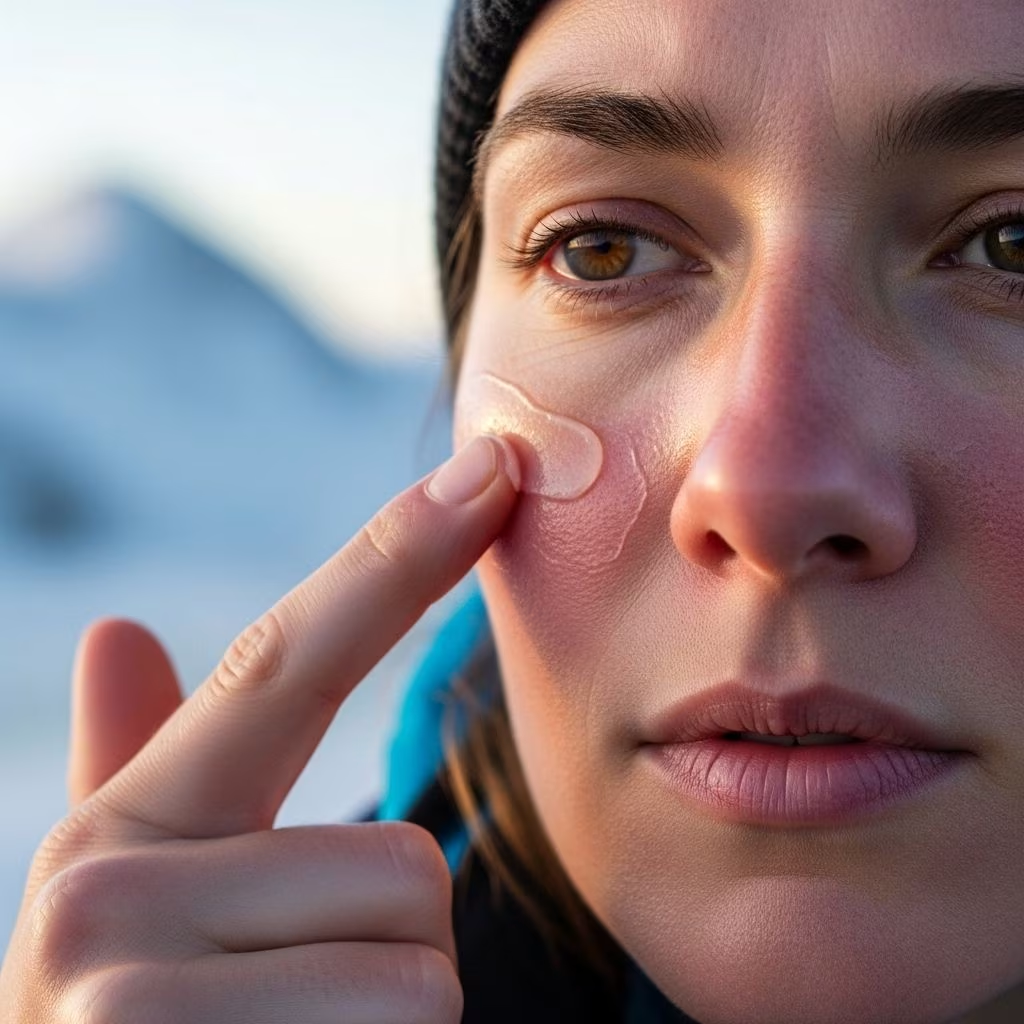
Cold, blustery days and high winds can leave skin feeling raw, red, and painfully sensitive—a condition known as windburn. While commonly mistaken for sunburn, windburn is a distinct skin reaction to extreme wind and low humidity, stripping away your skin’s protective barrier. This comprehensive guide offers science-backed, actionable advice to help you shield, soothe, and rejuvenate your skin and face from windburn, whether you’re enjoying winter sports, hiking, or just facing the daily elements.
What is Windburn?
Windburn is an inflammation of the skin caused by prolonged exposure to cold, dry, and windy conditions. Unlike sunburn, which results from ultraviolet (UV) radiation, windburn occurs when the outermost layer of skin—the stratum corneum—is stripped of its natural oils and moisture by forceful winds and low humidity. This leaves the skin raw, chapped, and hypersensitive, often mimicking the redness and discomfort of sunburn.
Symptoms and Signs of Windburn
- Redness and flushed skin on exposed areas, especially the face, neck, and hands
- Dryness and peeling
- Soreness or tenderness
- Itching and burning sensations
- In severe cases: blistering or cracked skin
- Heightened skin sensitivity to touch and products
Early identification and intervention are crucial to prevent worsening symptoms and possible long-term skin concerns.
Why Does Windburn Happen?
Windburn is primarily caused by the abrasive effect of wind, which rapidly removes moisture and lipids from the skin’s surface. This depletes the protective barrier, making it more prone to irritation, redness, and inflammation. Additional factors increasing susceptibility include:
- Low humidity environments
- Cold temperatures
- High altitudes (increasing both wind exposure and UV risk)
- Prolonged time outdoors during windy conditions
- Pre-existing dry or sensitive skin
Windburn Prevention Strategies
Preventive measures are the best defense. Here are essential steps for protecting your exposed skin and face from windburn:
- Cover up effectively: Wear scarves, face masks, balaclavas, and gloves to create a physical barrier against the wind. Sunglasses offer eye-area protection.
- Dress in layers: Layering helps trap warmth, keeping skin less vulnerable to wind and cold.
- Limit exposure: Minimize time outdoors during the harshest wind and cold, and seek shelter when possible.
- Apply protective skincare: Use barrier-forming moisturizers and ointments, ideally those containing ceramides or occlusive ingredients such as petroleum jelly, shea butter, jojoba oil, or argan oil.
- Wear broad-spectrum sunscreen: UV rays can penetrate clouds and intensify damage on already wind-stripped skin.
- Choose SPF 30 or higher, labeled ‘broad-spectrum’.
- Stay hydrated: Adequate water intake helps maintain healthy skin from the inside out.
Skincare Routine for Windburn Prevention
Integrate these steps into your daily and pre-activity regimen for optimal protection:
Cleansing
- Select gentle, creamy cleansers: Avoid strong foaming or low-pH cleansers; steer clear of those with hydroxy acids or physical exfoliants.
- Look for labels: Hypoallergenic, fragrance-free, and dye-free cleansers minimize irritation.
- Use lukewarm (not hot) water: Hot water strips moisture from your skin.
Moisturizing
- Choose thick, barrier-repair creams: Look for products rich in ceramides, shea butter, sunflower seed oil, jojoba oil, or petrolatum.
- Avoid high-humectant moisturizers and serums (like those containing high levels of hyaluronic acid or glycerin alone, especially without occlusives), as they can draw moisture from your skin in dry environments.
- Layer with a petroleum-based or oil-based ointment: This strengthens the wind barrier and locks in moisture. Apply to lips as well.
- Apply moisturizer at least twice daily: Before exposure and after cleansing.
Sunscreen
- Never skip SPF: Windburned skin is even more vulnerable to UV damage.
- Mineral (physical) sunscreens with zinc oxide or titanium dioxide are generally gentler on sensitive skin. SPF 30 or higher recommended.
- Reapply every two hours when outdoors, especially during extended exposure.
General Skincare Modifications
- Avoid exfoliants and retinoids: Exfoliating acids (AHA, BHA) and retinol/retinoids thin the outer skin, increasing windburn risk and irritation.
- Pause strong actives: If you plan extended outdoor exposure, stop these products about a week prior.
- Introduce soothing botanicals: Aloe, cucumber, and calendula are beneficial on wind-exposed skin.
Product Recommendations
| Skincare Step | Recommended Ingredients | Tips |
|---|---|---|
| Cleansing | Ceramides, fatty alcohols, creamy textures | Avoid sulfates, acids, and scrubs |
| Moisturizer | Ceramides, petrolatum, shea butter, jojoba oil, argan oil | Apply thick layer before going outdoors |
| Sunscreen | Zinc oxide, titanium dioxide, SPF 30+ | Use broad-spectrum label; reapply often |
| Lip Protection | Petroleum jelly, beeswax, shea butter | Apply liberally and frequently |
Windburn vs. Sunburn: What’s the Difference?
| Aspect | Windburn | Sunburn |
|---|---|---|
| Cause | Physical stripping of oils/moisture by wind | Damage from UV radiation |
| Key Symptoms | Redness, sore, dry, flaky skin; sensitivity | Redness, burning, possible swelling/blisters |
| Typical Onset | Windy, cold or low-humidity days | Direct sun exposure, especially midday |
| Risk Areas | Exposed skin: face, hands, neck | All sun-exposed zones |
| Prevention | Barrier skincare, shielding, hydration | Sunscreen, time management, clothing |
Both conditions can occur together, especially in snowy or high-altitude settings where wind and UV are intense. Thus, combining sun protection with windburn strategies is vital.
How to Treat Windburn
If windburn occurs, prioritize healing and comfort with these steps:
- Remove exposure: Immediately shield skin from wind and cold.
- Moisturize frequently: Use gentle, fragrance-free creams with barrier-strengthening agents. Layer with ointments.
- Apply soothing ingredients: Aloe vera, cucumber, and colloidal oatmeal are ideal for reducing redness and itching.
- Avoid further skin stress: Do not exfoliate, pick at, or scrub affected skin. Pause retinoids and acids until healed.
- Consider an OTC 1% hydrocortisone cream for severe redness or itching—but only for short-term use and not on broken skin.
- Stay hydrated: Support skin repair from within by drinking plenty of water.
- Consult a healthcare professional if skin blisters, cracks deeply, or is not improving in several days.
Lifestyle Adjustments for Added Protection
- Use a humidifier indoors: Cold outdoor air and heated indoor environments both dry out skin; a humidifier can help maintain optimal skin hydration.
- Plan activities smartly: Limit outdoor exposure during peak wind or cold and plan breaks inside when possible.
- Select appropriate gear: Ski masks, balaclavas, and technical fabrics designed for weather protection can make a substantial difference.
- Protect all exposed skin: Ears, lips, and neck are often forgotten but are just as vulnerable to windburn.
Frequently Asked Questions (FAQs)
Q: Can windburn and sunburn occur together?
A: Yes. Cold, windy days—especially at high altitudes or around water or snow—can result in both wind and sunburn, compounding damage to your skin.
Q: Can I use my regular moisturizer for windburn prevention?
A: In harsh wind and cold, standard moisturizers may be inadequate. Opt for barrier-rich, occlusive creams with robust hydrating and protective agents such as ceramides, petrolatum, or natural oils.
Q: Should I avoid all exfoliating products during winter?
A: Avoid exfoliants and retinoids if you anticipate regular wind or cold exposure. For normal skin maintenance, limit use to times when the skin is not directly at risk of windburn.
Q: How often should I reapply protective creams and sunscreen outdoors?
A: Apply a protective moisturizer and sunscreen before exposure, and reapply every two hours—more frequently if sweating or wiping your face.
Q: Are natural oils effective against windburn?
A: Many natural oils—like jojoba, argan, and shea butter—are rich in fatty acids and antioxidants that both hydrate and shield skin, making them excellent for windburn prevention and care.
Q: Is windburn dangerous?
A: While usually not dangerous, repeated or severe windburn can weaken your skin barrier and increase the risk of chronic dryness, sensitivity, and even infection if the skin is cracked. Seek professional advice if the condition is severe or doesn’t improve with proper care.
Protecting your skin against windburn is about more than comfort—it’s essential for maintaining overall skin health, resilience, and appearance. With the right knowledge and proactive steps, everyone can enjoy the outdoors while keeping their skin shielded, hydrated, and glowing.
References
- https://www.goodrx.com/health-topic/environmental/windburn-treatment-prevention
- https://skintypesolutions.com/blogs/skincare/face-cream-for-skiing
- https://www.skincare.com/expert-advice/skin-care-advice/windburn
- https://www.nivea.in/advice/windburn-prevention-tips
- https://www.healthline.com/health/windburn
- https://www.prevention.com/beauty/skin-care/a24746527/windburn-on-face/
- https://us.yonka.com/blogs/blog/windburn
- https://sokoglam.com/blogs/theklog/quide-preventing-treating-skin-windburn


