


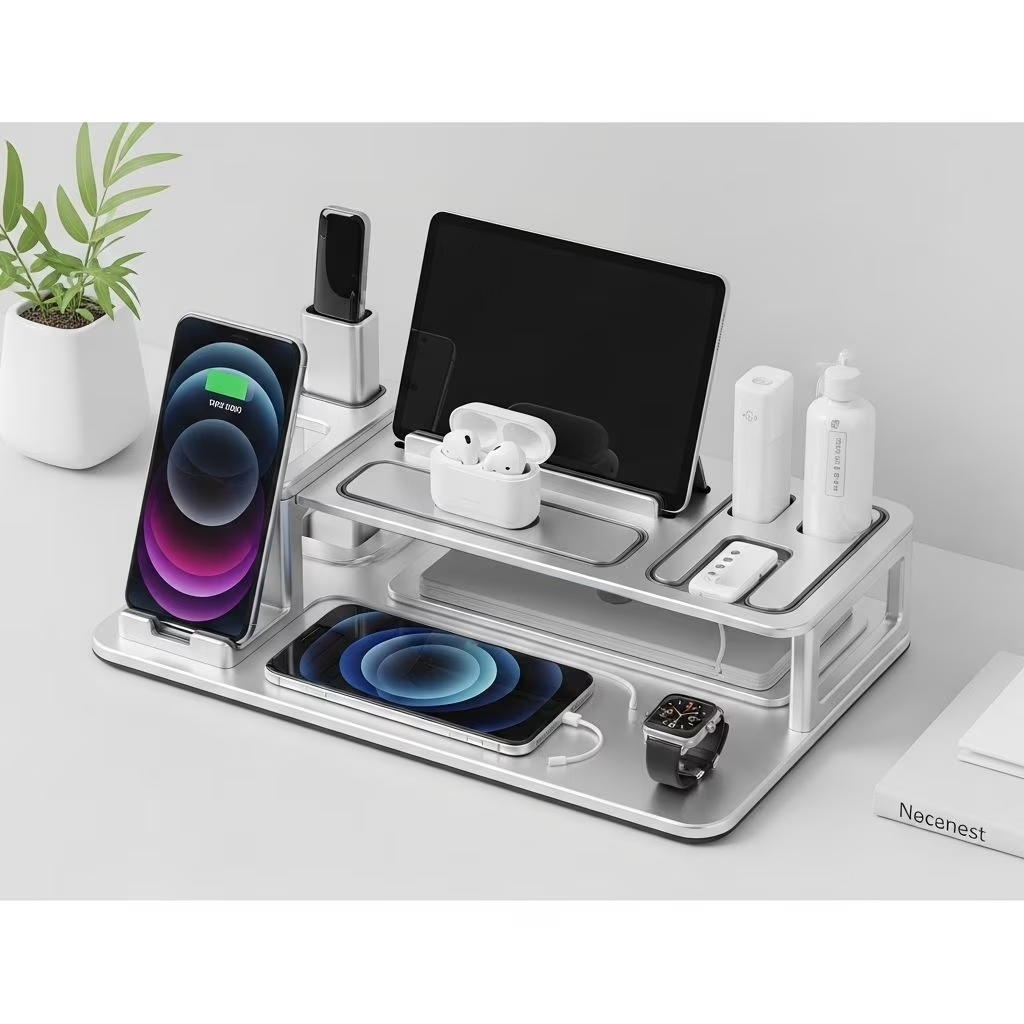
Leaving the house in a flurry of forgotten items, frantic searching for keys, and lingering stress can drain your energy before the day even begins. The Launch Pad System offers a practical and personalized solution to this all-too-common challenge: a designated, organized space designed to streamline your out-the-door routines. This comprehensive guide explores the science, essential strategies, customization options, and actionable steps you need to create an efficient launch pad tailored to your life’s unique demands.
Introduction: The Out-the-Door Dilemma
The start of your day often sets the tone for everything that follows. Yet, millions experience the chaos of scrambled mornings: lost keys, misplaced wallets, missed buses, and a rising sense of anxiety. These seemingly minor mishaps, repeated daily, can accumulate into significant stress. The launch pad system was developed to tackle this very pain point, transforming morning mayhem into calm, organized efficiency.
What is a Launch Pad System?
A launch pad system is a dedicated space, typically near your home’s exit point (like the front door), where all essential items for leaving the house are stored and organized. Think of it as your household’s “mission control” – a hub that prevents last-minute scrambles and forgotten necessities.
- Physical space: A shelf, table, basket, or hooks used to centralize everyday essentials.
- Systemic practice: An established routine that supports returning items to the launch pad after use and prepping them for the next day.
- Visual cues: Prompts or checklists to remind you of less frequently needed items (e.g., umbrellas, paperwork).
The launch pad system is adaptable – it can be as simple as a single hook for keys or as extensive as a multi-zoned organizational shelf for entire families.
Core Benefits
- Reduces morning stress and decision fatigue
- Improves punctuality and preparedness
- Supports executive functioning, especially for neurodivergent individuals
- Promotes habit-building and healthy routines
The Science Behind Routine and Organization
Researchers have established clear links between structured routines, environmental cues, and improved executive functioning – the set of cognitive skills that help with organizing, planning, and initiating tasks. For both neurotypical and neurodivergent individuals (including those with ADHD or autism), external organizational tools like a launch pad can:
- Minimize distractions at transition times, such as leaving the house
- Decrease anxiety by cultivating predictability and control
- Increase academic and work performance by ensuring preparedness
- Reinforce routines through visual reminders and repeated action
Studies have shown that adopting structured organization systems reduces stress and enhances overall productivity, particularly for those with executive function challenges.
Planning Your Launch Pad: Key Steps
Creating a launch pad system is highly personal, but the following steps offer a universal blueprint for success:
- Identify Critical Activities and Items
List every item you need when leaving the house: keys, phone, wallet, ID badges, school bags, medication, lunch, etc.
- Analyze Your Routine
Note pain points in your current routine. When and where do you lose time or forget essentials?
- Select a Convenient Location
Near the door is usually best, but use whatever spot naturally fits your home and flow.
- Gather Organizing Tools
Bins, trays, baskets, hooks, small shelves, labels, or a bulletin board for reminders.
- Design the Layout
Keep frequently used items most accessible. Consider hard-to-forget zones (for wallet, medication, mask) and zones for occasional items (like return packages).
- Make it Visual
Use checklists, labels, or visual schedules to reinforce routines.
- Set the Habit
Create triggers: Place items at the launch pad the night before, or as soon as you return home. Revisit and refine as your needs evolve.
Essential Items for an Effective Launch Pad
| Item | Purpose | Best for |
|---|---|---|
| Hooks | Hanging keys, bags, coats | Everyone |
| Tray or Basket | Phones, wallets, loose items | Adults and teens |
| Mail/Document Holder | Forms, permission slips, important paperwork | Families |
| Charging station | Chargers for phones, tablets, battery packs | All ages |
| Whiteboard or Bulletin Board | Reminders, checklists, visual schedules | Neurodivergent individuals, kids |
| Shoe rack | Quick access and easy storage | Families, kids |
| Specialized bins | Sports equipment, return items, seasonal gear | Those with diverse routines |
Customizing Your Launch Pad for Every Lifestyle
The success of your launch pad system depends on personalization. Consider the following adaptations:
- For Individuals: One small basket and key hook may suffice. Add a checklist for medications or work IDs.
- For Families: Use color-coded baskets for each family member. Assign shelf or hook space. Add a communal whiteboard for reminders.
- For Students: Organize homework, library books, and permission slips alongside school bags.
- For Neurodivergent Users: Use maximum visual cues: color, images, checklists, and schedules to support executive function.
- For Shift Workers: Assign “grab and go” bins to accommodate irregular schedules.
Launch Pads for Families and Shared Spaces
Families and housemates often benefit most when everyone has a clearly defined spot. A family launch pad not only prevents personal forgetfulness but also reduces group tensions in shared spaces.
- Assign a space for each member – labeled bins or hooks encourage return after use.
- Establish family routines: For example, everyone preps their launch pad the evening before.
- Communicate visually: A shared whiteboard for appointments, “today’s essentials,” and rotating chores.
- Model and reinforce: Parents can model prepping their own launch pad space and reward kids for participation.
Maintaining and Evolving the Launch Pad System
Once established, the launch pad system requires minimal maintenance but benefits from regular review:
- Weekly check: Remove accumulated clutter, return stray items, and restock as needed.
- Adapt as life changes: New seasons, jobs, or school years may require adjusting the system.
- Solicit household feedback: Ask family or roommates what’s working and what’s not.
The Psychology of Habits and the Launch Pad Method
The launch pad method is rooted in the science of cue-based habit formation. By embedding cues – such as always returning your keys to the same spot or seeing your checklist by the door – you automate essential behaviors. Research confirms that environmental cues are among the most reliable ways to build new healthy habits and disrupt unproductive cycles. Repetition and ease of access drive compliance, making the launch pad a “frictionless” path to finishing your routine strong each day.
Troubleshooting and Common Mistakes
- Overcomplicating the system: Keep your launch pad simple and suited to your routine.
- Poor location: If your launch pad is out of sight or inconvenient, you won’t use it.
- Neglecting maintenance: Cluttered or full launch pads quickly become dumping grounds. Schedule a regular tidy-up.
- Unclear ownership or roles: In families or shared spaces, make sure each person knows what space is theirs.
- Failing to update: Life changes, and so should your launch pad system. Review after major routine shifts (school year, new job, change in weather).
Success Stories: Real-Life Launch Pad Transformations
- Busy parent: “Prepping the launch pad at night means I haven’t forgotten a single permission slip all year.”
- Neurodivergent teen: “The colored bins give me cues. Now, leaving on time is much less stressful.”
- Dorm student: “My mini-shelf by the door keeps my ID, mask, and headphones together. I’m always set for class.”
- Family of five: “Each kid has a basket and hook; mornings are finally calm!”
Frequently Asked Questions
Q: What is the difference between a launch pad and a standard organizer?
A: A launch pad is uniquely focused on transition routines—meaning it’s tailored to what you need for successful exits, not just general storage.
Q: Where should I put my launch pad?
A: Ideally, place it near your primary exit door for greatest convenience, but adapt to where you naturally transition out of the home (like a mudroom, garage, or bedroom corner).
Q: Can a launch pad help a child with ADHD?
A: Yes. Visual cues and clear, consistent routines at a designated point greatly support executive functioning and reduce forgetfulness for children with ADHD and other neurodivergent traits.
Q: How often should I update my launch pad system?
A: Review and update your system whenever you experience a change in routine, season, or family needs—at least quarterly is recommended.
Q: How can I build the habit of using my launch pad?
A: Pair prepping your launch pad with another daily cue, such as as soon as you return home, and use visible checklists to reinforce the new behavior.
Action Steps: Making Your Launch Pad Work Long-Term
- Start small – organize one or two essential items first.
- Celebrate early wins – notice the stress reduction after just a few organized mornings.
- Involve everyone in shared spaces for greater buy-in and consistency.
- Tweak and iterate as your needs change.
- Prioritize function over aesthetics—though an attractive display can increase motivation!
By implementing a tailored, well-placed launch pad, you can reclaim your mornings, minimize stress, and ensure every day starts with greater efficiency and calm.
References
- https://lifeskillsadvocate.com/blog/neurodivergent-toolbox-how-to-use-a-launch-pad/
- https://www.jessicamassey.com/blog/5-steps-to-creating-a-productive-schedule
- https://brili.com/blog/what-does-your-launch-pad-for-the-day-look-like-solving-the-disorganized-morning-shuffle/
- https://www.stylist.co.uk/fitness-health/wellbeing/how-to-build-habits-launch-pad-method/833594
- https://theorganisedhousewife.com.au/family-parenting/back-to-school/back-to-school-tips-back-to-school/school-day-launch-pad-morning-routine/
- https://adebtfreestressfreelife.com/10-ways-the-flylady-system-changed-my-morning-routine-forever/
- https://sheslaystheday.mykajabi.com/the-launchpad


