


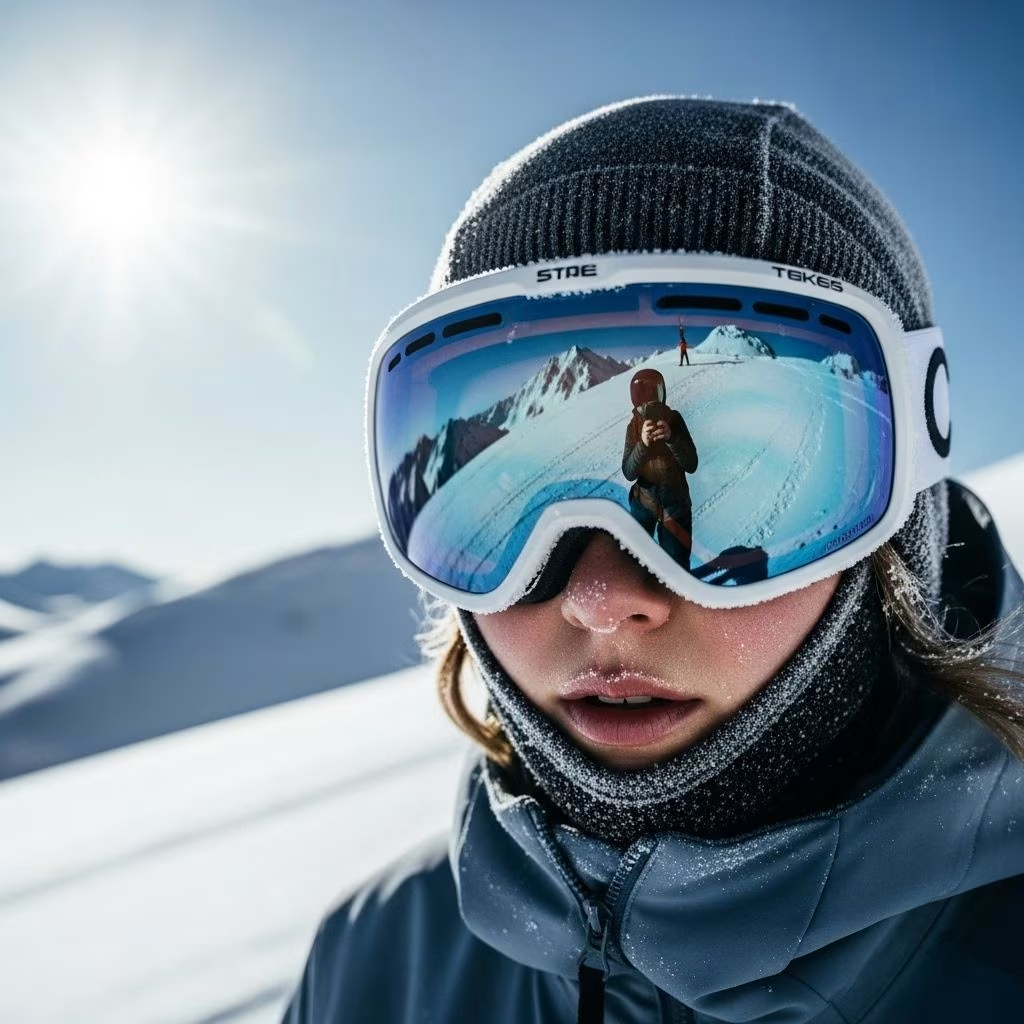
High altitudes, icy winds, and glaring sunlight can wreak havoc on your skin. Proper skincare for skiing is essential not only for comfort and appearance, but also for maintaining your skin’s health and resilience on the slopes. This comprehensive guide delivers expert-approved tips, routines, and product recommendations to ensure your skin stays protected from cold, glare, and wind chill while you ski.
Why Separate Skincare for Skiing?
Skiing exposes your skin to conditions seldom encountered in everyday life. The combination of cold temperatures, high-altitude sun, dry mountain air, and strong winds can rapidly strip away your skin’s natural defenses, resulting in dryness, windburn, sunburn, irritation, and, over time, accelerated skin aging. Adapting your skincare routine for ski conditions is as critical as choosing the right ski gear.
Understanding the Mountain Elements
Before tailoring your skincare routine, it’s important to understand how each element commonly encountered during skiing affects the skin:
- Cold: Low temperatures slow oil production, leading to dryness, flaking, and chapping.
- Glare: Sunlight reflecting off snow dramatically increases exposure to ultraviolet (UV) radiation, accelerating sunburn risk even on cloudy days.
- Wind Chill: High-speed winds strip moisture and damage the outer skin barrier, compounding dryness and causing windburn.
- Low Humidity: Mountain air has reduced moisture content, hastening dehydration of exposed skin.
- High Elevation: The thinner atmosphere offers less UV filtering and intensifies radiation exposure.
Risks of Improper Care
- Increased chance of windburn, presenting as redness, soreness, peeling, and even blistering.
- Rapid drying and cracking of lips, hands, and cheeks.
- Sunburn (sometimes severe), particularly on the nose, forehead, and around goggles.
- Over time, long-term damage such as premature aging, pigment changes, and elevated skin cancer risk can occur.
Essential Pre-Ski Skincare Prep
The key to healthy ski-season skin is to begin your day with a protective, hydrating foundation. Here’s how to prepare your face and body for skiing:
1. Gentle Cleansing
- Use a mild or hydrating cleanser to avoid stripping natural oils]
- Avoid harsh exfoliants and strong acids in the morning to minimize sensitivity
- Use lukewarm (not hot) water to prevent further dryness
2. Deep Hydration & Barrier Support
- Start with a light hydrating serum, preferably containing hyaluronic acid, to draw moisture into the skin
- Layer a richer, emollient moisturizer or barrier cream to lock in hydration
- Oils (such as squalane or jojoba) are effective for extra protection, even for oily skin types
3. Sun Protection: Not Optional
- Apply a broad-spectrum sunscreen SPF 30 or higher to face, neck, and any exposed skin, even on cloudy or snowy days (UV rays penetrate clouds and snow reflects up to 80% of those rays)
- Use a sunscreen designed for facial use to ensure non-comedogenic, lasting coverage
- Reapply every 2-3 hours, especially after sweating or wiping your face
- Protect lips with a robust SPF lip balm—skin cancer and severe burns are a real possibility on lips
4. Special Protection for Vulnerable Areas
- Windburn balm (often zinc-based) helps shield exposed nose, cheeks, and around the mouth
- Consider covering the most sensitive areas (nose tip, cheekbones) with an extra layer of balm, especially for prolonged exposures
Protecting Your Skin on the Slopes
Once on the mountain, ongoing protection is just as important as your pre-ski ritual.
On-the-Go Application Tips
- Carry a travel-size tube of restorative balm and SPF for frequent touch-ups
- Reapply windburn balm and SPF to nose, lips, and other exposed skin throughout the ski day
- For lips, reapply every 1-2 hours or whenever you feel dryness
- Use facial oils or creams to reinforce the barrier during midday breaks
- Protect hands with gloves at all times; if exposed, use a thick hand cream
Don’t Forget the Scalp and Ears
- Though often under a helmet, the scalp can be prone to dryness and flaking
- Use hydrating, sulfate-free shampoos and a conditioner with ingredients that retain moisture
- Apply sunscreen to exposed ears and part lines on the scalp
Après-Ski: Skin Restoration
Effective après-ski skincare is vital for repairing and nourishing skin exposed to harsh mountain conditions.
Step 1: Gentle Cleansing Again
- Use a gentle hydrating cleanser to remove sunscreen, soot, and sweat from your skin’s surface, prepping it for recovery
Step 2: Moisture Surge
- Apply a hydrating mask or deeply nourishing cream to restore lost moisture
- Ingredients like panthenol, shea butter, or Cicaplast (La Roche-Posay) accelerate healing of dry, irritated, or windburned skin
- On persistently dry patches, layer with healing ointments or occlusive balms (e.g., Aquaphor or specialized ski balms)
Step 3: Pamper the Hands and Lips
- Apply thick, restorative hand cream regularly
- At night, use nourishing lip masks or balms—petrolatum-based balms are highly effective
Step 4: Overnight Recovery
- Use barrier-repair creams or gentle retinol on unaffected skin to accelerate cell renewal
- Continue to avoid harsh exfoliants until damaged areas are fully healed
Role of Gear and Accessories
Physical barriers are the first line of defense against the mountain’s harsh elements. Choose the right gear to aid your skin’s battle:
- Neck gaiters, face masks, and balaclavas: Cover as much skin as possible to shield from wind and UV exposure.
- Helmets and hats: Protect the scalp and ears from dryness, sunburn, and wind. Ensure fabrics wick away sweat but insulate against cold.
- Ski goggles: Shield the delicate under-eye area from sun, wind, and snow glare. Opt for UV-protective lenses.
- Moisture-wicking gloves and liners: Prevent hand irritation and dryness. Use glove liners for added comfort and warmth.
Key Product Recommendations
These expert- and user-recommended products consistently perform well for skiers:
| Type | Product Recommendation | Key Benefit/Ingredient |
|---|---|---|
| Facial Sunscreen | Heliocare Oil Free Gel SPF 50 | Light, non-greasy broad spectrum; works as a primer |
| Lip Balm | O’Keeffe’s Lip Repair SPF 35 / Aquaphor Lip Repair +SPF | High SPF, designed to resist wind and cold |
| Windburn Balm | Dermatone Skin Protection Balm | Zinc-based, shields against wind and cold |
| Hydrating Serum | Skinmedica HA5 Hydra Collagen | Hyaluronic acid delivers deep hydration |
| Barrier Cream | La Roche-Posay Cicaplast Mains Hand Cream | Long-lasting, gentle, multipurpose healing |
| Face Oil | Squalane, jojoba, rosehip oil | Restores lipid barrier, softens, prevents dryness |
| Scalp Care | Moroccanoil Frizz Control Shampoo / Olaplex No.5 | Sulfate-free and moisture-boosting shampoos |
Special Considerations
Sensible tweaks and precautions for sensitive skin, children, and men:
- Sensitive Skin: Use fragrance-free, hypoallergenic products. Patch test new items before using on the face.
- Children: Select pediatrician-approved sunscreen, keep gear clean, and double up on balms for tiny noses and cheeks
- Men: Apply moisturizer and SPF immediately post-shaving to reduce irritation in exposed skin.
- Underlying Skin Conditions: Those with eczema, rosacea, or psoriasis should carry a prescription balm or ointment and avoid known irritants.
Frequently Asked Questions (FAQs)
Q: Do I really need sunscreen while skiing, even in overcast or snowy conditions?
A: Yes. UV exposure intensifies at high altitudes and reflects off the snow, causing rapid sunburn even when skies are gray. Apply generous SPF before going outside and reapply frequently.
Q: How can I prevent windburn on my face?
A: Cover as much skin as possible with gear, and use a robust windburn balm (look for zinc oxide or petrolatum). Layer over your moisturizer and sunscreen for best results.
Q: What’s the best way to treat chapped or burning skin after a ski day?
A: Immediately rehydrate with a gentle cleanser, thick barrier creams or balms, and overnight masks. Avoid irritating ingredients like strong acids or retinoids until skin heals. If skin blisters or cracks, consider a healing ointment or consult a dermatologist.
Q: Are oils or creams better for ski protection?
A: Oils (like squalane or jojoba) provide an occlusive layer that locks in moisture, while creams replenish lost hydration and support the skin barrier. The best approach is to layer both: serum or oil, then cream, then SPF.
Q: Can I use my regular skincare products for skiing?
A: Many products work year-round, but skiing conditions demand richer, more protective formulas. Switch to heavier moisturizers, add a windburn shield, and increase frequency of application.
Conclusion
Skincare for skiing goes far beyond vanity: it is essential prevention against harsh, unforgiving elements at high altitude. By understanding the unique risks posed by cold, glare, and wind chill, and invoking a practical routine with targeted products, you can keep your skin healthy, comfortable, and resilient—so you can focus on enjoying the slopes.
References
- https://www.sheisnotlost.com/blog/ski-trip-skincare-only-three-essentials-to-protect-your-skin-in-winter
- https://www.skimag.com/culture/style/skincare-for-skiing/
- https://karmameju.com/blogs/guides-rituals/top-5-skincare-for-the-ski-holiday-winter-holiday
- https://www.fresh.com/us/stories/skincare-education/article-skincare-routine-ski-season.html
- https://www.californiaskininstitute.com/winter-skiing-skincare-expert-tips-for-cold-weather-care/


