


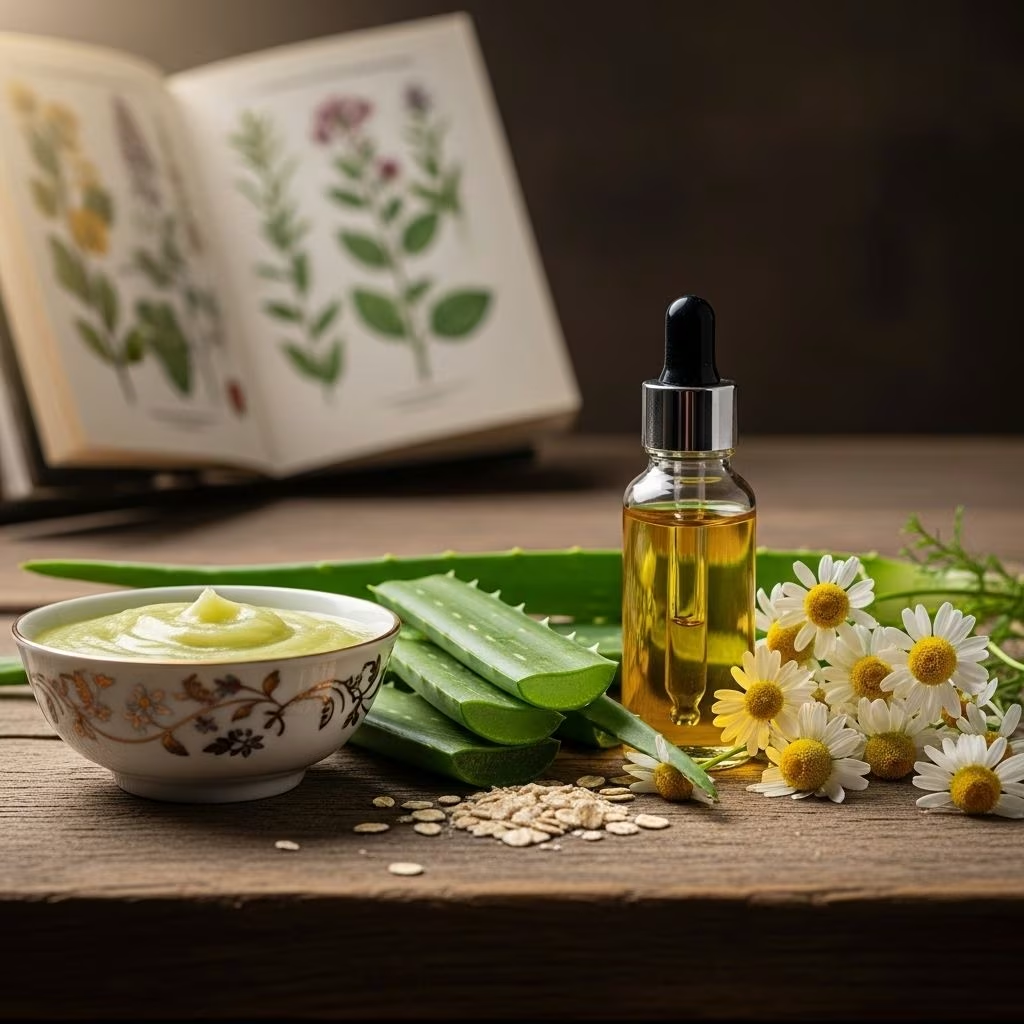
Natural Remedies for Eczema & Psoriasis Symptoms: Comprehensive Guide
Chronic skin conditions such as eczema and psoriasis affect millions of people globally, often causing persistent discomfort, itching, inflammation, and self-consciousness. While traditional medical therapies provide valuable treatment options, many individuals seek effective natural remedies to complement conventional care, minimize side effects, and foster overall skin wellness. This guide offers an in-depth overview of time-tested and research-supported approaches for soothing symptoms and promoting healthier skin.
- Table of Contents
- Understanding Eczema and Psoriasis
- Natural Bathing Solutions
- Topical Natural Remedies
- Dietary and Nutritional Support
- Environmental and Lifestyle Adaptations
- Frequently Asked Questions (FAQs)
- Key References
1. Understanding Eczema and Psoriasis
Eczema (atopic dermatitis) and psoriasis are both chronic inflammatory skin conditions, but they differ in their causes, symptoms, and triggers:
- Eczema: Manifests as dry, itchy, inflamed patches; commonly triggered by allergies, irritants, and environmental factors; often begins in childhood.
- Psoriasis: Characterized by thick, scaly plaques and redness; considered autoimmune with genetic predisposition; can be aggravated by stress, infection, and certain medicines.
Both conditions fluctuate in severity, requiring personalized management strategies. In addition to medical treatments, natural remedies can support symptom control and skin barrier restoration.
2. Natural Bathing Solutions
Bathing practices have a profound impact on skin hydration, itch control, and overall comfort for both eczema and psoriasis sufferers.
2.1 Oatmeal Baths
Colloidal oatmeal is finely ground oats suspended in bath water, soothing irritated skin through anti-inflammatory and skin barrier-supportive properties. It can be beneficial for:
- Reducing itchiness and dryness.
- Restoring smoothness and calming active flares.
- Suitable for both adults and infants.
Tips:
- Use products specifically labeled “colloidal oatmeal,” or grind whole oats until fine.
- Soak for 10–15 minutes in lukewarm water (avoid hot water to prevent dryness).
- Apply moisturizer immediately after bathing.
2.2 Epsom & Dead Sea Salt Baths
Add Epsom salt or Dead Sea salt to warm bath water to help soften rough plaques and reduce scaling, especially for psoriasis. Minerals in these salts may loosen dead skin and provide relief from tightness.
- Add 1–2 cups to bathwater; soak for up to 15 minutes.
- Follow with a rich moisturizer.
2.3 Bleach Baths (For Eczema)
A dilute bleach bath (household bleach added to water) can decrease bacterial load and inflammation in eczema.
- Add 1/4 to 1/2 cup bleach to a full bathtub.
- Soak for 10 minutes; rinse with fresh water afterward.
- Consult a doctor before this approach—chlorine may irritate sensitive skin.
2.4 Apple Cider Vinegar Baths
For eczema, apple cider vinegar can be added to bathwater as a way to restore healthy skin pH and reduce inflammation.
- Add 1–2 cups per full tub; soak for 10–15 minutes.
- Rinse well and moisturize afterward.
2.5 Warm and Lukewarm Baths: Best Practices
| Bath Type | Conditions Benefited | Recommended Additives | Key Precautions |
|---|---|---|---|
| Colloidal Oatmeal | Eczema, Psoriasis | Finely ground oats | Lukewarm water; moisturize afterward |
| Epsom/Dead Sea Salt | Psoriasis | Mineral salts | Not for open wounds; moisturize after soak |
| Bleach Bath | Eczema | Dilute household bleach | Doctor’s approval needed; rinse well |
| Apple Cider Vinegar | Eczema | Naturally fermented ACV | Test on small area; diluted for safety |
3. Topical Natural Remedies
Moisturizing, anti-inflammatory, and antimicrobial topical agents help heal the skin and alleviate ongoing symptoms.
3.1 Aloe Vera
- Aloe vera gel or creams with up to 0.5% aloe content can reduce inflammation, scaling, discoloration, and itching, especially in psoriasis.
- Apply up to three times daily—look for products free of added fragrances/dyes.
3.2 Coconut Oil
- Packed with antibacterial fatty acids; helps restore the skin barrier and relieve dryness.
- Use cold-pressed or virgin coconut oil; avoid processed variants with additives.
- Gentle enough for infants, reducing eczema symptoms when applied after bathing.
3.3 Sunflower Seed Oil
- Shown to have both barrier-restoring and anti-inflammatory effects in clinical studies.
- Locks in moisture and soothes itch without clogging pores.
- Apply to damp skin post-bath for optimal absorption.
3.4 Petroleum Jelly (Ointments)
- Highly effective for sealing in moisture after baths and minimizing flare frequency.
- Choose ointments (thick, oil-rich formulations) over lotions, as they last longer and better protect compromised skin.
3.5 Natural Butters and Creams
- Shea butter, oat-based balms, and vitamin E creams provide added hydration and antioxidant support.
- Avoid products with dyes, fragrance, or strong chemicals.
3.6 Apple Cider Vinegar (Topical)
- May help restore skin’s natural acidity and reduce bacterial colonization.
- Apply diluted (1:1 with water) or use in a bath as described.
3.7 Oregon Grape
- Contains berberine, a compound with anti-inflammatory and antimicrobial properties.
- Used in topical skin balms for psoriasis; may reduce scaling and redness.
4. Dietary and Nutritional Support
Dietary choices can influence systemic inflammation, immune function, and skin symptoms.
4.1 Omega-3 Fatty Acids
- Present in flaxseed oil, nuts, seeds, soy, and fatty fish.
- May reduce inflammation—studies show mixed benefits for psoriasis.
- If considering fish oil supplements, consult a physician for safety and dosage advice.
4.2 Turmeric (Curcumin)
- Contains powerful anti-inflammatory and antioxidant compounds.
- Some studies suggest that oral or topical turmeric may decrease symptom severity in psoriasis.
4.3 Probiotics and Gut Health
- Emerging research links gut microbiome balance with eczema control.
- Dietary yogurt, kefir, and fermented foods may help—but more studies are needed for firm recommendations.
4.4 Foods to Favor and Avoid
| To Favor | To Limit/Avoid |
|---|---|
| Omega-3-rich foods (fatty fish, chia seeds, walnuts) | Processed foods high in sugar/fat |
| Antioxidant-rich fruits/vegetables | Dairy (if sensitive), red meat (for some), alcohol |
| Whole grains, fermented foods | Artificial preservatives, dyes |
5. Environmental and Lifestyle Adaptations
5.1 Laundry and Cleaning Products
- Use fragrance-free, dye-free detergents to avoid flare-ups from chemical irritants.
5.2 Humidifier Use
- Maintaining indoor humidity above 40% helps prevent excessive skin dryness, especially in winter.
5.3 Stress Management
- Chronic stress is known to aggravate psoriasis and eczema symptoms.
- Mindfulness, yoga, meditation, and other techniques may moderate immune responses.
5.4 Sun Exposure and Vitamin D
- Moderate sun exposure may help; always use SPF on unaffected areas and avoid sunburn.
- Vitamin D supplementation has shown benefits for some psoriasis sufferers.
5.5 Weight Management
- For psoriasis, healthy weight can mitigate systemic inflammation and improve outcomes.
5.6 Clothing Choices
- Wear breathable, soft natural fabrics to reduce friction and sweating.
- Avoid tight, synthetic, or rough materials that might irritate sensitive skin.
5.7 Daily Moisturizing Habits
- Moisturize skin at least twice daily, ideally immediately after bathing.
- Use thick creams or ointments (petroleum jelly, mineral oil, coconut oil).
- Avoid products with alcohol, fragrances, or strong acids.
6. Frequently Asked Questions (FAQs)
Q: Are natural remedies safe for all ages, including infants?
Many natural remedies such as colloidal oatmeal, virgin coconut oil, and sunflower seed oil are gentle and have proven safe for infants when applied to intact skin. However, always consult a pediatrician before trying new treatments, especially if allergies are suspected.
Q: Should I stop prescription medication if using natural remedies?
No. Natural remedies are intended to complement but not replace medical advice or prescribed treatments. Discuss any new therapies or supplements with your healthcare provider to avoid interactions or complications.
Q: Can changes in diet cure eczema or psoriasis?
There is no dietary cure for eczema or psoriasis. However, anti-inflammatory diets, omega-3 intake, and minimizing processed foods can support immune regulation and reduce flare frequency in some people.
Q: How can I find fragrance-free, safe products?
Look for products labeled “fragrance-free,” “hypoallergenic,” and “for sensitive skin.” Avoid added perfumes, harsh chemicals, and confirm suitability with your dermatologist.
Q: Are bleach baths really safe for eczema?
If used exactly as directed, dilute bleach baths have a long record of safety for eczema and can reduce infection risk. Never exceed recommended concentrations or use on broken skin. Always follow with rinsing and moisturizing. Only do this under medical guidance.
7. Key References
- Healthline: 11 Home Remedies for Psoriasis
- WebMD: Home Remedies for Eczema
- Cleveland Clinic: Best Home Remedies for Eczema
- National Eczema Association: Natural Treatments for Eczema
- NCBI: Alternative Remedies for Atopic Dermatitis
- Mayo Clinic: Psoriasis Diagnosis & Treatment
Summary: Holistic Support for Lifelong Skin Health
Combining natural remedies with medical care offers a holistic pathway to managing eczema and psoriasis symptoms. Regular moisturizing, anti-inflammatory bathing solutions, safe nutritional supplements, and environmental adaptations can dramatically enhance comfort and quality of life. Always personalize your approach in collaboration with healthcare professionals to ensure safety and effectiveness. With persistence and thoughtful self-care, chronic skin conditions can become easier to live with, allowing you to embrace life and your skin with greater confidence.
References
- https://www.healthline.com/health/psoriasis/moderate-to-severe/8-home-remedies-for-psoriasis-do-they-work
- https://www.webmd.com/skin-problems-and-treatments/eczema/eczema-home-treatment
- https://health.clevelandclinic.org/home-remedies-for-eczema
- https://nationaleczema.org/blog/natural-treatments-for-eczema/
- https://pmc.ncbi.nlm.nih.gov/articles/PMC4518179/
- https://www.mayoclinic.org/diseases-conditions/psoriasis/diagnosis-treatment/drc-20355845


