


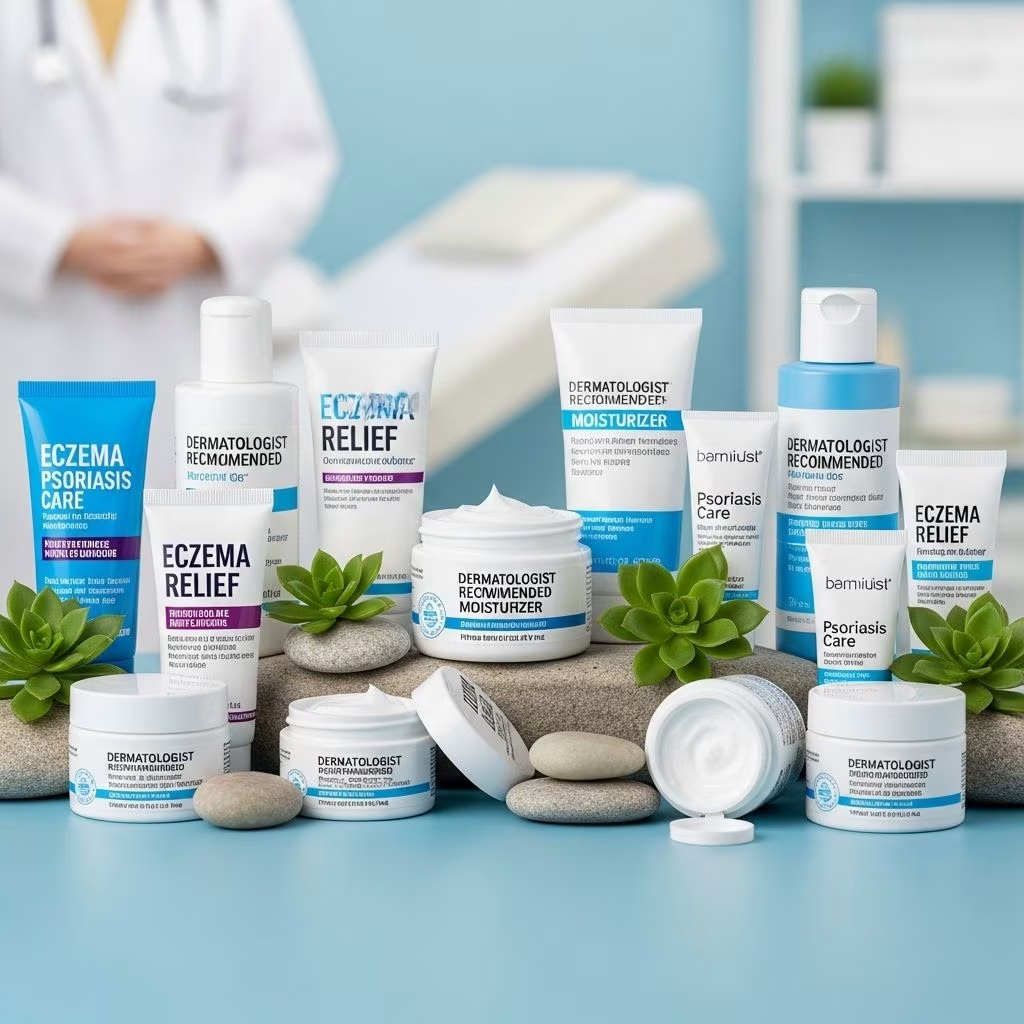
For millions worldwide, the chronic skin conditions eczema and psoriasis bring persistent irritation, itchiness, dryness, and visible patches that can disrupt daily life and self-confidence. While there is no cure for these complex disorders, a critical cornerstone of daily management is the use of effective, targeted moisturizers to support the skin’s barrier, reduce symptoms, and prevent flare-ups. This comprehensive guide explores the science behind moisturizing for eczema and psoriasis, top product recommendations, essential ingredients, and expert tips for lasting relief.
Understanding Eczema and Psoriasis
Eczema (atopic dermatitis) and psoriasis are chronic inflammatory skin conditions, both characterized by dry, irritated, and itchy patches of skin, though they differ in their underlying causes and typical appearance.
- Eczema: Results from a compromised skin barrier, leading to increased water loss and sensitivity to irritants. Symptoms include redness, swelling, oozing, extreme dryness, flaking, and severe itching.
- Psoriasis: An autoimmune disease causing rapid skin cell turnover, resulting in thick, raised, scaly plaques. Common symptoms are silvery-white, itchy, or burning scales on red, inflamed skin.
Despite their differences, both conditions benefit profoundly from consistent moisturizing to support the skin’s protective barrier, limit water loss, and alleviate irritation.
Why Moisturizing is Crucial
Effective skin hydration is the foundation of managing both eczema and psoriasis. People with these conditions have a weakened skin barrier, making them more prone to water loss and exposure to environmental triggers. Regular and liberal use of moisturizers brings several vital benefits:
- Reduces skin dryness and flaking.
- Relieves itching and discomfort.
- Strengthens the protective skin barrier, reducing the risk of irritation and infection.
- Minimizes the frequency, duration, and intensity of symptom flares.
Moisturizing also enhances the effectiveness of other prescribed treatments (such as topical steroids or immunomodulators) by creating optimal skin conditions for healing and maintenance .
How to Choose the Right Moisturizer
The ideal moisturizer for eczema and psoriasis is one that hydrates, supports skin repair, and soothes inflammation without causing irritation. Most dermatologists recommend:
- Ointments and creams (rather than lotions): These thicker, more “greasy” formulas contain more oil, which better traps moisture and protects sensitive skin .
- Fragrance-free and dye-free products: To avoid potential allergens and irritants that can trigger flares.
- Formulas containing ceramides, glycerin, shea butter, or petrolatum for advanced hydration and barrier repair.
- “Accepted” by reputable organizations such as the National Eczema Association or National Psoriasis Foundation.
Specific needs may depend on age, body area (face vs. body), season, and individual sensitivity.
| Type | Oil Content | Pros | Cons |
|---|---|---|---|
| Ointment | High | – Maximum moisture retention – Minimal risk of irritation | – Greasy texture, may feel heavy |
| Cream | Medium | – Good moisture lock – Absorbs faster, more comfortable for daytime | – Slightly less effective than ointments for very dry skin |
| Lotion | Low | – Lightweight, easy application | – Less protective, may require frequent reapplication |
Top Moisturizer Recommendations
The following dermatologist-recommended products consistently receive high praise for effectiveness, safety, and comfort for those with eczema and psoriasis.
CeraVe Psoriasis Moisturizing Cream
- Contains 2% salicylic acid (gentle exfoliation), lactic acid, niacinamide (calming), and three essential ceramides for barrier repair.
- Developed with dermatologists; delivers ingredients using time-release MVE technology for lasting hydration and symptom control .
- Recognized by the National Psoriasis Foundation.
MG217 Psoriasis Medicated Multi-Symptom Moisturizing Cream
- Features salicylic acid and colloidal oatmeal for itch and scale relief.
- Affordable and widely available over-the-counter .
Vanicream Moisturizing Cream
- Free from dyes, fragrances, parabens, and other common irritants – ideal for highly sensitive skin.
- Rich in petrolatum and natural emollients for intensive hydration .
Gold Bond Multi-Symptom Psoriasis Relief Cream
- Salicylic acid for exfoliation, along with soothing aloe and moisturizing shea butter.
- Fragrance-free and targeted for scaling and redness .
Avène XeraCalm A.D Lipid-Replenishing Cream
- Formulated for atopic eczema and extremely dry, itch-prone skin.
- Contains ceramides and Avène thermal spring water (anti-inflammatory) .
Weleda Skin Food Original Ultra-Rich Cream
- Features natural plant oils and extracts for deep, long-lasting moisture.
- Suited for dry patches and as an under-makeup moisturizer .
Psoriasis Honey Skin-Renewing Cream
- Combines natural anti-inflammatory ingredients (honey, aloe vera, shea butter) suitable for sensitive users .
La Roche-Posay Cicaplast Balm B5 Soothing Therapeutic Multi-Purpose Cream
- Enriched with vitamin B5, made for repairing skin during harsh or dry climates .
Key Moisturizing Ingredients Explained
Understanding ingredient functions helps you tailor choices for your unique symptoms and lifestyle. Here are the most effective ingredients in eczema and psoriasis creams:
- Ceramides: Lipids that restore and reinforce the protective skin barrier, preventing water loss .
- Salicylic acid: Gently exfoliates scales and dead cells, especially helpful for psoriasis .
- Lactic acid or urea: Hydrate while softening thick skin patches .
- Colloidal oatmeal: Natural anti-inflammatory; soothes itch and redness .
- Glycerin: Draws water to the skin, boosting hydration.
- Petrolatum (petroleum jelly): Forms a thick, occlusive layer locking in moisture.
- Shea butter, jojoba oil, natural oils: Emollients that soften, cushion, and relieve roughness.
- Niacinamide: Reduces redness and has barrier-strengthening properties .
- Aloe vera and honey: Offer additional soothing and healing, especially for sensitive users .
Optimal Moisturizer Application Methods
Maximize benefits (and minimize irritation) by following these expert tips:
- Apply moisturizer within three minutes of bathing to lock in hydration (“Soak and Seal” method) .
- Moisturize at least twice daily or more frequently as needed, especially after hand washing or exposure to water .
- Use clean hands or a spatula when removing cream from tubs to avoid contamination .
- If using prescription topical medication, apply it first. Wait a few minutes, then cover unaffected areas with moisturizer .
- For severe dryness, consider wet wrap therapy: After applying moisturizer, wrap the affected area with damp gauze or clothing to boost penetration and hydration .
- Stroke moisturizer gently onto the skin in downward motions; avoid vigorous rubbing to prevent additional irritation .
Special Considerations: Sensitive Skin, Children, and More
- Fragrance- and dye-free: Children, elderly, and highly sensitive users should avoid preservatives, fragrances, and colorants—these can trigger eczema and psoriasis flares .
- Patch test: Especially with new products, test on a small area for 2–3 days to check for reactions before liberal use.
- Gentle cleansing: Use non-soap, pH-balanced cleansers to limit dryness and retain natural oils .
Lifestyle and Environmental Tips
- Avoid long, hot showers—opt for lukewarm water to reduce moisture loss .
- Wear soft, breathable fabrics (like cotton) instead of wool or synthetics, which can scratch and irritate the skin.
- Keep indoor air humidified, especially in cold or dry climates.
- Recognize and avoid known triggers (stress, allergens, harsh chemicals, certain foods, excessive sun or cold).
- Stay hydrated by drinking adequate water daily for skin health support.
Frequently Asked Questions (FAQs)
Q: Should I use ointment, cream, or lotion for eczema and psoriasis?
Ointments and creams are generally better than lotions for eczema and psoriasis, as they have higher oil content and are more effective in restoring and protecting the skin barrier .
Q: What should I avoid in a moisturizer for sensitive skin?
Avoid ingredients such as added fragrance, dyes, harsh exfoliants, parabens, and alcohol. Choose hypoallergenic and dermatologist-tested formulations .
Q: How often do I need to apply moisturizer for best results?
Apply at least twice daily and always after bathing, but increase frequency as needed if drying symptoms worsen .
Q: Can I use the same moisturizer for both eczema and psoriasis?
Many moisturizers are suitable for both conditions, especially those rich in ceramides, glycerin, and petrolatum; look for formulations tested and recommended for sensitive and compromised skin .
Q: Are over-the-counter (OTC) medicated creams safe?
OTC creams containing ingredients like salicylic acid, colloidal oatmeal, and hydrocortisone can safely supplement regular moisturizers for symptom control. Always follow package instructions or consult a dermatologist for long-term use .
Q: What is the “soak and seal” method?
This involves soaking the skin in lukewarm water for 5–10 minutes, patting skin gently to leave it damp, and applying moisturizer within three minutes to lock in moisture. It is especially helpful for eczema patients .
Q: Which brands carry the National Eczema Association or Psoriasis Foundation Seal?
Brands such as CeraVe, Vanicream, Gold Bond, and MG217 offer products accepted by these organizations for safety and efficacy .
Q: Can natural oils help?
Yes, natural emollients such as jojoba, coconut, and shea butter can support barrier repair and soften skin. However, always patch test and choose cold-pressed, unrefined versions; avoid in case of known allergies.
Conclusion
For those living with eczema and psoriasis, consistent use of superior-quality moisturizers is the most foundational daily step. Choose fragrance-free, dermatologist-developed creams or ointments high in ceramides and emollients, apply them generously and frequently, and combine with gentle lifestyle habits for the best control and healthiest skin. Always consult a healthcare professional for personal recommendations and before incorporating any new active ingredients or treatments.
References
- https://www.cerave.com/skincare/moisturizers/psoriasis-moisturizing-cream
- https://www.healthline.com/health/facial-moisturizer-for-psoriasis
- https://nationaleczema.org/treatments/moisturizing/
- https://www.psoriasis.org/advance/10-must-have-lotions-under-10/
- https://www.goodrx.com/conditions/psoriasis/best-psoriasis-cream
- https://nationaleczema.org/treatments/over-the-counter/
- https://www.aad.org/public/diseases/psoriasis/treatment/medications/non-prescription
- https://fsastore.com/health-condition/eczema-and-psoriasis


