


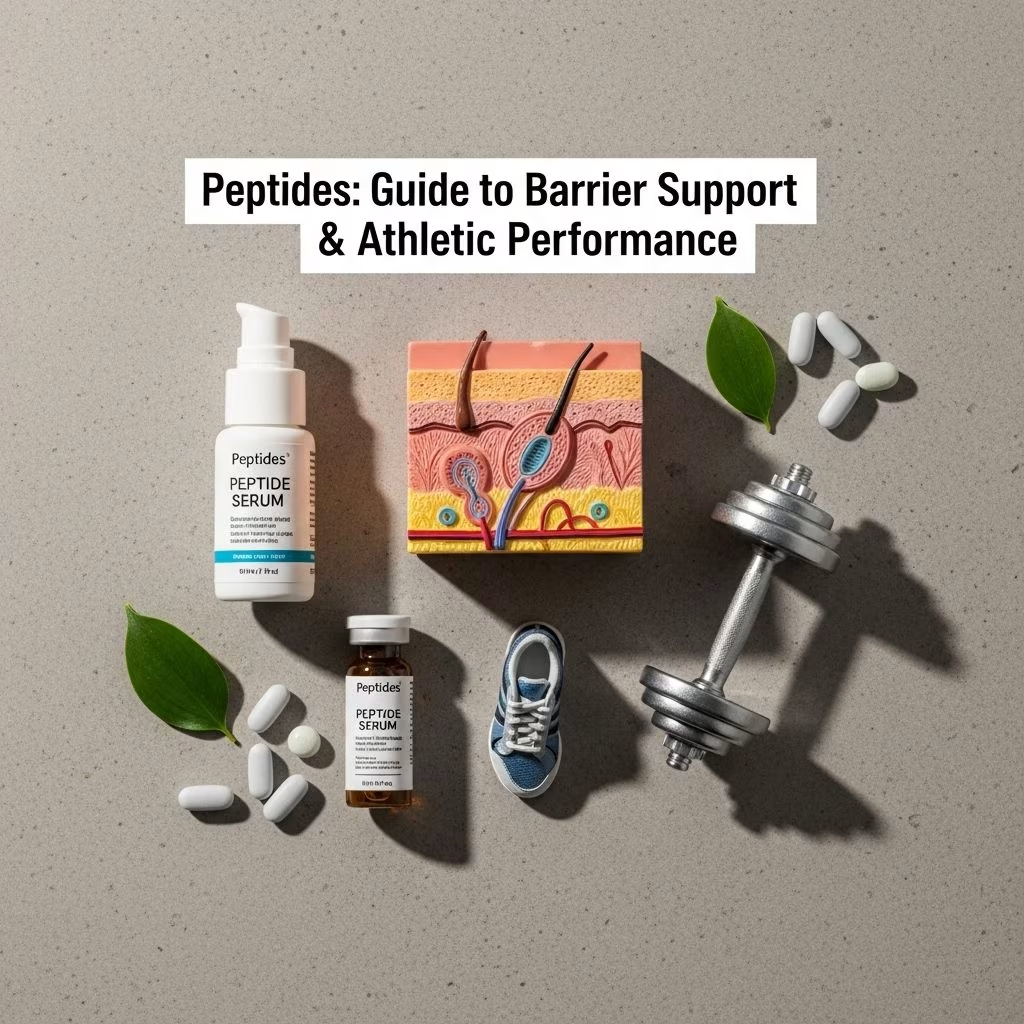
Peptides have emerged as one of the most versatile and powerful components in both skincare and athletic performance optimization. These short chains of amino acids serve as cellular messengers, triggering specific biological responses that can enhance barrier function, accelerate recovery, and create powerful synergies when combined with other active ingredients. Understanding how peptides work within active routines—whether for athletic performance or skincare enhancement—reveals their remarkable potential for supporting overall health and wellness.
The unique advantage of peptides lies in their ability to penetrate tissues effectively and engage with specific receptors at the cellular level. This targeted action allows them to address multiple concerns simultaneously, from strengthening the skin’s protective barrier to enhancing muscle recovery and reducing inflammation. As bioactive molecules, peptides work harmoniously with the body’s natural processes rather than forcing artificial changes, making them a preferred choice for those seeking sustainable improvements in performance and appearance.
Understanding Peptides and Their Biological Role
Peptides are physiologically active molecules primarily derived from proteins through various processes including gastrointestinal digestion, fermentation, or hydrolysis by proteolytic enzymes. These short amino acid sequences function as signaling molecules, communicating with different cells and tissues throughout the body to trigger specific biological responses. Unlike their parent proteins, peptides can be absorbed in their intact form, allowing them to exert direct effects on target tissues.
The biological activity of peptides stems from their ability to bind to specific receptors on cell surfaces, initiating cascades of cellular events. Some peptides demonstrate hormone-like effects, stimulating growth and repair processes within tissues. Others exhibit tissue-specific actions, targeting particular areas such as muscle fibers, connective tissue, or skin cells to enhance their function and regenerative capacity. This specificity makes peptides incredibly valuable for targeted therapeutic and performance-enhancing applications.
Key Mechanisms of Peptide Action
Peptides operate through several sophisticated mechanisms that distinguish them from simple amino acids or whole proteins. They interact with receptors and endogenous proteins including mammalian target of rapamycin (mTOR), glycogen synthase, and glucose transporter type 4 (GLUT-4), producing effects that exceed those achievable with individual amino acids alone. This enhanced bioactivity explains why peptide supplementation often yields superior results compared to traditional protein sources in specific applications.
At the cellular level, peptides influence metabolic processes including protein synthesis, fat metabolism, and energy production. They can modulate inflammatory pathways, reduce oxidative stress, and promote angiogenesis—the formation of new blood vessels that deliver nutrients and oxygen to tissues. These multifaceted effects position peptides as powerful tools for addressing diverse health and performance goals simultaneously.
Peptides and Barrier Support Mechanisms
Barrier support represents one of the most critical functions of peptides, particularly in skincare applications and tissue protection. The barrier function—whether referring to the skin’s stratum corneum or the protective membranes surrounding muscles and organs—serves as the first line of defense against environmental stressors, pathogens, and physical damage. Peptides strengthen these barriers through multiple complementary mechanisms.
Collagen Synthesis and Structural Integrity
Peptides play a fundamental role in stimulating collagen production, which forms the structural foundation of skin and connective tissues. By signaling fibroblasts to increase collagen synthesis, peptides help maintain the firm, resilient quality of these protective barriers. This enhanced collagen production doesn’t just improve appearance—it creates a more robust physical barrier capable of withstanding environmental challenges and mechanical stress.
The collagen-supporting properties of peptides extend beyond simple production increases. They also help organize collagen fibers in optimal configurations, improving the tensile strength and elasticity of tissues. This organized structure enhances barrier function by creating a tighter, more efficient protective layer that prevents moisture loss and blocks the penetration of harmful substances.
Inflammation Control and Tissue Repair
Chronic inflammation compromises barrier integrity by disrupting cellular structures and depleting protective lipids. Certain peptides significantly reduce inflammation markers while promoting faster tissue regeneration. This dual action helps maintain barrier function even under challenging conditions such as intense physical training, environmental stress, or skin damage. The anti-inflammatory properties of peptides work at the cellular level to optimize the body’s natural healing processes without suppressing necessary immune responses.
Research demonstrates that peptides can modulate inflammatory pathways more precisely than broad-spectrum anti-inflammatory agents. This targeted approach reduces collateral damage to healthy tissues while still controlling harmful inflammation. The result is faster recovery of barrier function following injury or stress, with improved long-term resilience.
Moisture Retention and Lipid Barrier Enhancement
Peptides support the production and organization of lipids within barrier structures, particularly in skin applications. These lipids form a waterproof seal that prevents transepidermal water loss while maintaining skin hydration. By promoting healthy lipid production and organization, peptides help create a more effective moisture barrier that keeps skin supple and protected from dehydration-related damage.
Peptides in Athletic and Active Routines
The application of peptides in athletic performance and active lifestyles has gained substantial attention as research reveals their capacity to enhance multiple aspects of physical capability. Bioactive peptides offer athletes and fitness enthusiasts a safer alternative to traditional performance enhancers, with significantly lower risks of side effects and organ toxicity compared to steroids or synthetic hormones.
Enhanced Muscle Recovery and Reduced Soreness
Peptides accelerate tissue repair by reducing inflammation, promoting angiogenesis, and stimulating collagen production within muscles and connective tissues. This leads to faster recovery from intense training sessions and physical injuries, allowing athletes to maintain more consistent training schedules. The peptides accomplish this by promoting increased blood flow to damaged tissues, delivering essential nutrients and oxygen while removing metabolic waste products that contribute to soreness and fatigue.
Many individuals report improved energy levels and reduced fatigue when incorporating peptides into their recovery protocols. This enhanced recovery capacity translates to better long-term fitness outcomes, as athletes can train more frequently and intensely without accumulating excessive tissue damage. The cellular-level action of peptides optimizes natural healing processes rather than masking symptoms, leading to genuine improvements in tissue quality and function.
Increased Stamina and Endurance Capacity
Mitochondrial peptides improve ATP production and mitochondrial biogenesis, leading to more efficient energy utilization and delayed muscle fatigue. This allows athletes to sustain peak performance for extended periods, which is particularly valuable for endurance sports such as marathons, cycling, and swimming. The enhanced mitochondrial function also improves the body’s ability to utilize oxygen efficiently, reducing the accumulation of lactate and other fatigue-inducing metabolites.
Peptides promote erythropoiesis—red blood cell production—which enhances oxygen supply to muscle cells. This improved oxygen delivery reduces fatigue and improves endurance during prolonged physical activity. The combination of enhanced energy production and optimized oxygen utilization creates a powerful synergy that elevates performance capacity across various athletic disciplines.
Body Composition and Metabolic Optimization
Certain peptides stimulate lipolysis—fat breakdown—while preserving lean muscle mass, helping athletes maintain optimal body composition and energy levels. This selective effect on fat metabolism occurs without the muscle-wasting side effects associated with many weight loss interventions. Growth hormone-releasing peptides help regulate growth hormone and IGF-1 levels, improving muscle tissue repair, reducing cortisol-induced catabolism, and enhancing overall recovery after intense training sessions.
The metabolic effects of peptides extend to improved glucose utilization and insulin sensitivity. By enhancing the function of glucose transporters and improving cellular energy metabolism, peptides help maintain stable energy levels throughout training sessions and daily activities. This metabolic optimization supports both performance and recovery while promoting favorable changes in body composition over time.
Joint and Connective Tissue Protection
Peptides support the repair of connective tissues, reducing the risk of joint, muscle, and tendon injuries common in demanding physical activities. This protective effect is particularly valuable for athletes engaged in high-impact or repetitive-motion sports, where cumulative stress can lead to chronic injuries. By enhancing collagen production and organization within tendons, ligaments, and joint capsules, peptides strengthen these structures and improve their ability to withstand mechanical stress.
Synergistic Effects of Peptides with Active Ingredients
The true power of peptides often emerges when they’re combined with other active ingredients, creating synergistic effects that exceed the benefits of any single component. Understanding these synergies allows for the design of more effective protocols in both skincare and performance enhancement applications.
Peptides and Vitamin C
The combination of peptides with vitamin C creates a powerful synergy for collagen synthesis and barrier support. Vitamin C serves as an essential cofactor in collagen production, while peptides signal cells to initiate and maintain this synthesis. Together, they accelerate collagen formation while also providing antioxidant protection that prevents oxidative damage to newly formed structural proteins. This partnership is particularly effective in skincare applications where both barrier strengthening and antioxidant protection are desired.
Peptides and Hyaluronic Acid
Hyaluronic acid’s exceptional moisture-binding capacity complements peptides’ barrier-strengthening effects perfectly. While peptides work to repair and fortify barrier structures, hyaluronic acid maintains optimal hydration levels that support cellular function and tissue repair. This combination is especially valuable in skincare routines where barrier damage has led to dehydration and compromised protection.
Peptides and Retinoids
Although retinoids can sometimes compromise barrier function through increased cell turnover, combining them with barrier-supporting peptides mitigates this effect. Peptides help maintain barrier integrity while retinoids stimulate cellular renewal, creating a balanced approach that delivers the benefits of both ingredients without the typical irritation associated with retinoid use. This synergy allows for more aggressive treatment protocols with better tolerability.
Peptides and Niacinamide
Niacinamide enhances barrier function through multiple mechanisms including ceramide synthesis and anti-inflammatory effects. When combined with peptides, particularly those that support collagen production, the result is comprehensive barrier support addressing both the lipid and protein components of protective structures. This combination shows particular promise for addressing barrier dysfunction from multiple angles simultaneously.
Peptides and Omega-3 Fatty Acids
In athletic applications, combining peptides with omega-3 fatty acids amplifies anti-inflammatory effects and supports cellular membrane integrity. Omega-3s provide the raw materials for anti-inflammatory mediators while peptides modulate inflammatory signaling pathways. This combination reduces exercise-induced inflammation more effectively than either component alone, supporting faster recovery and reduced tissue damage.
Peptides and Creatine
The synergy between peptides and creatine in athletic performance stems from their complementary effects on energy metabolism and muscle function. Creatine enhances immediate energy availability through phosphocreatine systems, while peptides support mitochondrial function and long-term cellular energy production. Together, they provide both immediate performance enhancement and sustained energy capacity improvements.
Practical Application Strategies
Timing and Dosing Considerations
Optimal results with peptides require attention to timing and dosing strategies. In skincare applications, peptide products are typically most effective when applied to clean, slightly damp skin, allowing for better penetration. Layering peptide serums under moisturizers helps seal them against the skin for extended contact time. For athletic applications, timing peptide supplementation around training sessions—either immediately before or after exercise—may enhance their effects on recovery and performance.
Building an Effective Peptide Routine
A well-designed peptide routine considers both immediate and long-term goals. For barrier support in skincare, starting with a gentle peptide serum and gradually building to more complex formulations prevents overwhelming the skin. In athletic applications, beginning with conservative doses and monitoring responses allows for individualized optimization. Combining peptides with complementary active ingredients should be done systematically, introducing one new element at a time to assess individual and synergistic effects.
Monitoring Progress and Adjusting Protocols
Tracking objective measures of progress helps optimize peptide protocols. In skincare, monitoring hydration levels, barrier function tests, and visible improvements guides adjustments. For athletic applications, tracking recovery time, performance metrics, and subjective measures like energy levels and soreness provides valuable feedback. Regular assessment allows for protocol refinement based on individual responses rather than generic recommendations.
Safety Considerations and Quality Standards
Selecting high-quality peptide products from reputable sources ensures safety and efficacy. In skincare, looking for stabilized peptide formulations with appropriate pH levels maximizes effectiveness while minimizing irritation risk. For athletic applications, choosing pharmaceutical-grade peptides with third-party testing verification ensures purity and potency. Consulting with healthcare providers before beginning peptide supplementation, particularly for athletic performance, helps identify potential contraindications or interactions with existing medications.
| Application Type | Primary Benefits | Key Synergies | Optimal Timing |
|---|---|---|---|
| Skincare Barrier Support | Enhanced collagen, improved hydration, strengthened barrier | Vitamin C, hyaluronic acid, niacinamide | Morning and evening application |
| Athletic Recovery | Reduced inflammation, faster tissue repair, decreased soreness | Omega-3 fatty acids, antioxidants | Post-workout supplementation |
| Performance Enhancement | Increased stamina, improved energy metabolism, enhanced endurance | Creatine, B-vitamins | Pre-workout or daily supplementation |
| Injury Prevention | Strengthened connective tissue, improved joint integrity | Collagen, vitamin D | Consistent daily use |
Frequently Asked Questions
Q: How long does it take to see results from peptide use in active routines?
A: Results vary depending on the specific application and individual factors. For skincare barrier support, noticeable improvements often appear within 4-8 weeks of consistent use. Athletic performance benefits may be observed within 2-4 weeks, with more substantial improvements developing over 8-12 weeks of regular supplementation combined with appropriate training.
Q: Can peptides be used safely alongside other active ingredients?
A: Yes, peptides generally combine well with other active ingredients and often create beneficial synergies. However, introducing new combinations gradually allows for monitoring of individual tolerance. Some combinations, such as peptides with strong acids or high-concentration retinoids, may require careful layering or alternating application schedules to prevent irritation.
Q: Are peptides suitable for all skin types and fitness levels?
A: Peptides are generally well-tolerated across various skin types and fitness levels. Their targeted action and lower risk of side effects compared to alternatives like steroids make them accessible to a broad range of users. However, individuals with specific health conditions should consult healthcare providers before beginning peptide supplementation for athletic purposes.
Q: Do peptides work better when applied topically or taken as supplements?
A: The optimal delivery method depends on the intended application. For skincare barrier support, topical application delivers peptides directly to target tissues with minimal systemic exposure. For athletic performance and recovery, oral or injectable peptides may be more effective as they need to reach muscle tissues and systemic circulation. Some peptides are specifically designed for one route of administration and may not be effective via alternative methods.
Q: What is the difference between peptides and collagen supplements?
A: Peptides are shorter amino acid chains that function as signaling molecules, triggering specific cellular responses including collagen production. Collagen supplements provide the raw amino acid building blocks for collagen synthesis. Peptides offer more targeted effects and better tissue penetration, while collagen supplements support overall structural protein availability. Combining both can provide complementary benefits for barrier support and tissue repair.
Q: Can peptides help with both athletic performance and skincare simultaneously?
A: Yes, certain peptides offer benefits across multiple domains. Peptides that support collagen synthesis and reduce inflammation can strengthen both the skin barrier and connective tissues within muscles and joints. Using peptides in both topical skincare formulations and as part of athletic supplementation creates comprehensive support for barrier function and tissue health throughout the body.
Q: Are there any side effects associated with peptide use?
A: Peptides generally demonstrate excellent safety profiles with minimal side effects compared to alternative performance enhancers or aggressive skincare ingredients. Topical peptides rarely cause irritation, though some individuals may experience mild sensitivity. Systemic peptide supplementation may occasionally cause injection site reactions or mild digestive effects, but serious adverse events are uncommon when using pharmaceutical-grade products at appropriate doses.
Q: How do I choose the right peptides for my specific needs?
A: Selecting appropriate peptides requires considering your specific goals. For barrier support in skincare, look for peptides known to stimulate collagen production and enhance hydration such as palmitoyl peptides. For athletic recovery, growth hormone-releasing peptides and those supporting tissue repair are most relevant. For performance enhancement, peptides affecting energy metabolism and endurance capacity are ideal. Consulting with dermatologists for skincare applications or sports medicine professionals for athletic use helps ensure optimal selection.
References
- https://pmc.ncbi.nlm.nih.gov/articles/PMC8622853/
- https://www.onusiv.com/blog/6-biggest-benefits-of-peptides
- https://pliability.com/stories/best-peptides-for-athletic-performance
- https://pmc.ncbi.nlm.nih.gov/articles/PMC9223426/
- https://www.healthline.com/health/peptides-for-skin
- https://www.nature.com/articles/s41392-022-00904-4
- https://palmbeachdermatologygroup.com/peptides-in-skincare-and-the-science/
- https://www.gerrishmedesthetics.com/the-promise-of-peptides-medical-benefits-and-future-potential/


