


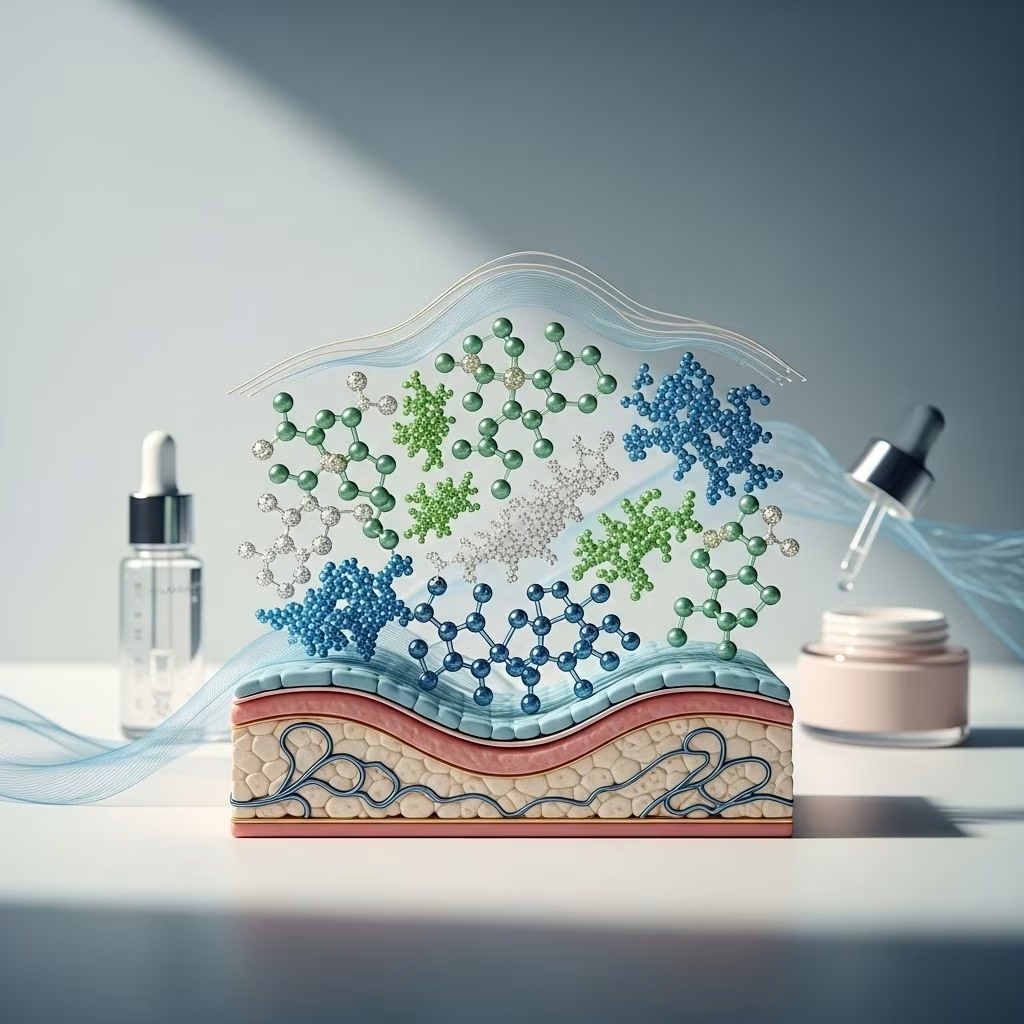
Peptides in Active Routines: Barrier Support & Synergy
Peptides are emerging as foundational molecules in personal health, sport nutrition, and skincare, uniquely positioned to provide robust barrier support and synergistic benefits for individuals with active routines. This article explores the science, practical application, and real-world impact of peptides—how they fortify cellular barriers, regulate recovery, and integrate synergistically into high-performance and wellness regimens.
Introduction to Peptides
Peptides are short chains of amino acids, acting as biological signaling molecules that orchestrate various physiological activities. Unlike large proteins, peptides are often designed to target specific receptors, triggering tightly regulated processes for growth, repair, immunity, metabolism, and more. Modern research highlights their unique cellular specificity, low toxicity, and strong safety profile compared to synthetic compounds or steroids.
Biological Role and Mechanisms of Peptides
Mechanisms of Action:
- Signaling molecules: Peptides transmit messages between cells, activating pathways critical for repair and adaptation.
- Hormone mimics: Some peptides emulate hormonal effects, influencing growth, metabolism, and recovery.
- Tissue targeting: Specific peptides act on muscle, connective tissue, or skin, offering concentrated benefits.
- Metabolic regulators: Peptides modulate enzymatic activity, fat metabolism, and mitochondrial function for improved energy utilization.
Peptides excel at balancing repair and regeneration—making them powerful tools for athletes, active individuals, and those embracing intense physical and mental routines.
Peptides in Sports, Fitness, and Wellness
Within active lifestyles, peptides are proven to accelerate not just muscle recovery, but also endurance, strength gains, body composition optimization, and injury prevention.
- Muscle Recovery & Repair: Peptides reduce inflammation, stimulate angiogenesis (new blood vessel growth), and boost collagen—key for fast, efficient recovery after exercise.
- Endurance & Stamina: Mitochondrial peptides drive ATP generation, enable streamlined energy use, and minimize fatigue, supporting extended periods of intense activity.
- Optimized Oxygen Utilization: Through the stimulation of erythropoiesis (red blood cell production), peptides enhance oxygen delivery to muscles, crucial for peak performance.
- Fat Metabolism: Select peptides increase lipolysis (fat breakdown) while supporting muscle hypertrophy and lean body mass, ideal for athletes maintaining optimal body composition.
- Connective Tissue Health: Peptides fortify joints, ligaments, and tendons, reducing the risk of overuse injuries, and supporting active aging.
- Hormonal Balance: Growth hormone-releasing peptides (GHRPs) regulate hormones integral to muscle repair and stress adaptation.
Recent evidence confirms that peptide-driven strategies, combined with proper nutrition and restful recovery, elevate both performance and wellness for athletes and the general population.
Peptides & Barrier Support
The concept of barrier support with peptides extends from cellular membranes to tissues and organ systems:
- Cell Membrane Integrity: Peptides strengthen lipid and protein structures, stabilizing cellular barriers against stressors and facilitating nutrient influx.
- Skin Barrier Reinforcement: In dermatology, peptides stimulate collagen and ceramide synthesis, building a resilient epidermal layer.
- Gut Barrier Protection: Specific bioactive peptides improve intestinal wall health—crucial for nutrient absorption and immune defense.
- Connective Tissue Barriers: By supporting extracellular matrix components (collagen, elastin), peptides reinforce structural integrity in muscles, tendons, and joints.
This multi-tiered barrier support is essential for protecting the body from inflammation, oxidative stress, and micro-injury during strenuous routines.
Synergistic Effects of Peptides in Active Routines
Synergy refers to the amplifying effect achieved when peptides are combined with other health-promoting practices, like nutrition, exercise, and skincare:
- Enhanced Nutrient Absorption: Peptides pair well with antioxidants, vitamins, and minerals, optimizing nutrient uptake and cellular response.
- Accelerated Recovery: Routine integration of peptides—alongside rest, hydration, and balanced diets—expedites resolution of micro-trauma and inflammation.
- Adaptive Training Response: Peptides synergize with progressive overload and functional training regimens, improving adaptation at the muscular and systemic levels.
- Skin Barrier Synergy: Topical and ingestible peptides, especially in conjunction with ceramides or niacinamide, create a layered defense for the skin and underlying tissues.
Peptide synergy is also found in protocols that combine them with complementary bioactives, maximizing cumulative outcomes for active individuals and athletes.
Peptides in Skincare: Barrier Reinforcement and Visible Benefits
Skincare science increasingly embraces peptides for their barrier-enhancing, restorative, and anti-aging capabilities:
- Collagen Production: Peptides stimulate collagen and elastin, maintaining skin firmness and elasticity.
- Reduction of Wrinkles: Enhanced cellular repair diminishes fine lines and uneven skin texture.
- Even Skin Tone: Peptides regulate pigment formation and reduce post-inflammatory markers.
- Anti-Inflammatory Effects: Lowered skin inflammation following environmental stress or cosmetic procedures.
- Barrier fortification: Peptides build a stronger epidermal layer, reducing trans-epidermal water loss and increasing resilience.
Regular integration of peptides—both topically and via supplementation—can visibly restore compromised skin barriers and accelerate recovery from stress or damage.
Types of Peptides and Their Unique Functions
| Peptide Type | Main Function | Application |
|---|---|---|
| Bioactive Peptides | Cell signaling, tissue repair, anti-inflammatory | Sports nutrition, pain management |
| Growth Hormone-Releasing Peptides (GHRPs) | Stimulate growth hormone and IGF-1 | Muscle recovery, anti-aging |
| Mitochondrial Peptides | Improve cellular energy, endurance | Athletic performance |
| Collagen Peptides | Stimulate collagen synthesis, repair tissue | Skin, joint health |
| Signaling Peptides | Direct cellular activities | Active recovery, wellness |
The spectrum of peptides is vast, with each class engineered or derived for unique biological outcomes.
Integrating Peptides in Active Routines
Maximizing the benefits of peptides requires thoughtful integration into daily practice:
- Supplementation: Oral, injectable, and topical peptides are available; select forms based on goals (e.g., muscle repair, skin health).
- Dosage & Timing: Follow professional guidance for dosage; time peptide intake around activity or recovery windows for best results.
- Synergistic Practices: Combine peptide use with nutrient-rich foods, structured exercise, hydration, and sleep hygiene for optimal recovery and adaptation.
- Skincare Application: Integrate peptides with other skin barrier enhancers (ceramides, niacinamide) in routine care for visible, resilient skin.
- Ongoing Monitoring: Track performance, recovery, and visible improvements to adjust routines as needed.
Frequently Asked Questions (FAQs)
Q: How do peptides support the body’s barriers?
A: Peptides strengthen cell membranes, connective tissues, and skin layers, protecting against inflammation and micro-injury in high-stress or active environments.
Q: Are peptides safer than steroids for performance enhancement?
A: Yes, peptides offer targeted benefits with a lower risk of toxicity and harmful side effects compared to traditional anabolic steroids, making them a preferred option for athletes.
Q: Can peptides accelerate workout recovery?
A: Peptides facilitate post-exercise recovery by reducing inflammation, stimulating tissue repair, increasing blood flow, and balancing hormones.
Q: Do peptides work in skincare products?
A: Peptides are effective in skincare, boosting collagen, reducing wrinkles, and fortifying the skin’s barrier—resulting in improved texture and resilience.
Q: Are there any risks or side effects?
A: Peptides are generally well-tolerated, but quality, dosage, and individual response can vary. As with all bioactives, professional guidance is recommended for safe and effective use.
Q: How can I maximize peptide synergy in my routine?
A: Align peptide use with evidence-based nutrition, targeted exercise, and structured recovery strategies to realize comprehensive benefits in both performance and skin health.
References
- https://pmc.ncbi.nlm.nih.gov/articles/PMC8622853/
- https://www.onusiv.com/blog/6-biggest-benefits-of-peptides
- https://pliability.com/stories/best-peptides-for-athletic-performance
- https://palmbeachdermatologygroup.com/peptides-in-skincare-and-the-science/
- https://www.healthline.com/health/peptides-for-skin
- https://www.gerrishmedesthetics.com/the-promise-of-peptides-medical-benefits-and-future-potential/
- https://www.medicalnewstoday.com/articles/326701


