


- Introduction
- Foundational Nutrition for Athletes
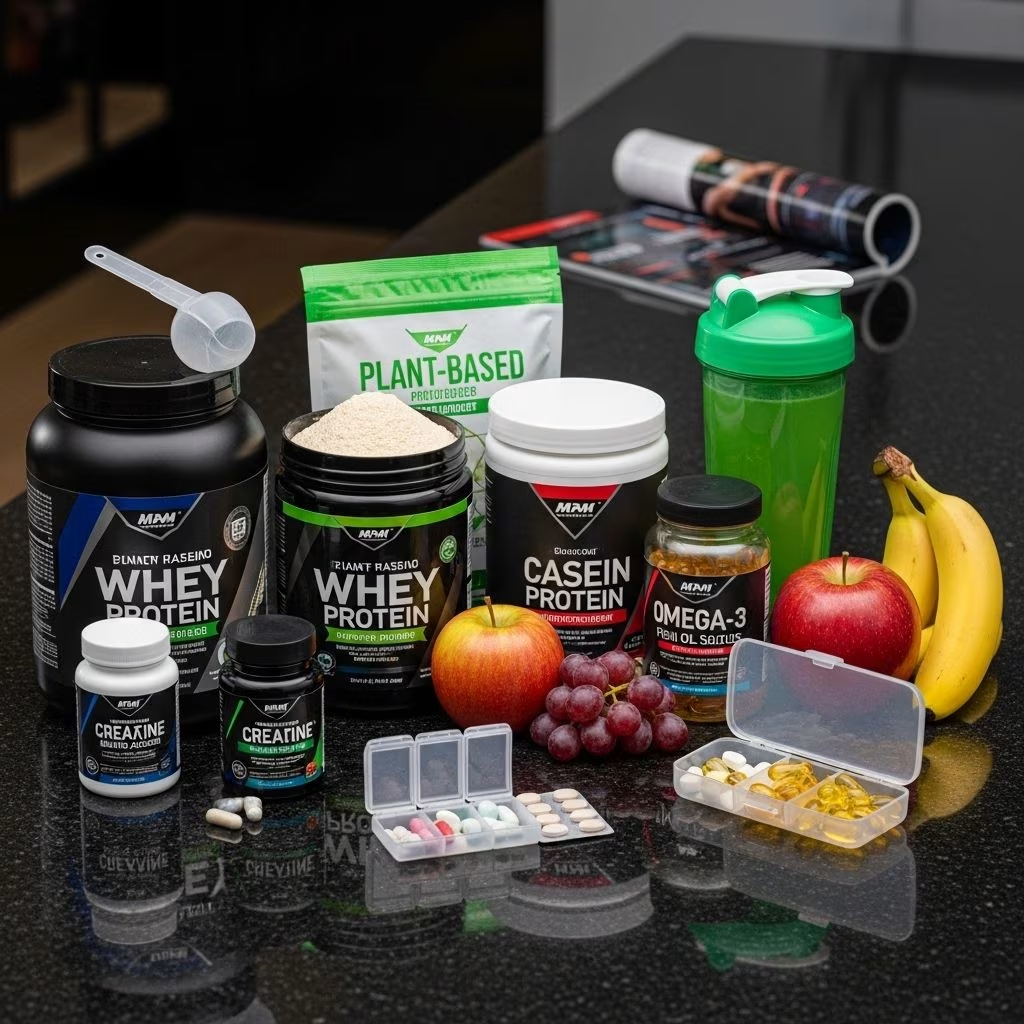
- Common Dietary Supplements for Athletes
- Evidence-Based Effects on Performance
- Individualization and Personalization
- Risks, Awareness, and Regulatory Concerns
- Debunking Myths and Misconceptions
- Practical Recommendations for Athletes
- Frequently Asked Questions (FAQs)
Introduction
Athletic performance is shaped by a complex interplay of genetics, training, and nutrition. While rigorous training programs are essential for attaining peak physical condition, diet and supplementation strategies often play a crucial—yet sometimes misunderstood—role in enhancing outcomes for both elite and recreational athletes. This article reviews the latest scientific evidence on how diet and dietary supplements impact athletic performance, highlights effective strategies, and addresses common misconceptions.
Foundational Nutrition for Athletes
Optimal nutrition is the cornerstone of athletic success. Without a well-balanced diet that provides adequate energy and nutrients, even the most talented athletes can experience suboptimal performance, prolonged recovery, and increased risk of injury.
Key Nutritional Components
- Carbohydrates: Primary energy source for high-intensity and endurance activities; typically recommended at 1.4–4.5 g/lb (3–10 g/kg) body weight daily, depending on activity level.
- Protein: Essential for muscle repair and growth; recommended intake ranges from 0.55–0.9 g/lb (1.2–2.0 g/kg) body weight per day, with higher needs during intense training or recovery.
- Fats: Important for energy, hormone production, and cell function; should comprise 20–35% of total calorie intake.
- Vitamins and Minerals: Vital for metabolic processes, immune function, and injury prevention; requirements may increase with athletic stress.
- Fluid and Electrolytes: Critical for hydration, thermoregulation, and performance, especially during prolonged or hot-weather exercise.
Hydration Strategies
Athletes must replace fluids lost through sweating to maintain performance and reduce the risk of cramping, overheating, and dehydration. Water is sufficient for most activities, but for prolonged or intense sessions, electrolyte solutions may be beneficial.
Common Dietary Supplements for Athletes
Supplements are widely used among athletes, often with the aim of improving performance, speeding recovery, or compensating for dietary gaps. Usage patterns vary by sport, gender, and level of competition, with elite athletes more likely to use supplements than their recreational counterparts.
Most Commonly Used Supplements
- Caffeine: Used for its ergogenic effects, particularly in enhancing power output and technical performance; effective doses generally range from 3–6 mg/kg body weight.
- Creatine: Supports high-intensity, short-duration activities by increasing phosphocreatine availability in muscles; benefits are well-documented for power and strength sports.
- Beta-Alanine (β-alanine): Buffers muscle acidity during intense exercise, delaying fatigue; optimal dosing is 4–6 g/day for at least 2–4 weeks.
- Branched-Chain Amino Acids (BCAAs): May aid in reducing fatigue and muscle soreness; evidence is mixed and context-dependent.
- Dietary Nitrates: Found in beetroot juice; may improve endurance performance by enhancing blood flow and oxygen delivery, though effects are less clear in elite athletes.
- Protein Powders: Convenient for meeting increased protein needs, especially post-exercise for muscle recovery.
- Vitamin and Mineral Supplements: Sometimes used to address deficiencies (e.g., iron for female athletes, vitamin D in low-sunlight environments).
Evidence-Based Effects on Performance
The efficacy of supplements varies widely depending on the compound, dosage, timing, and the athlete’s individual physiology, sport, and goals. Recent systematic reviews and meta-analyses provide insights into which supplements deliver measurable benefits and under what conditions.
Performance Enhancers
| Supplement | Evidence Level | Typical Benefit | Optimal Use Case |
|---|---|---|---|
| Caffeine | Strong | Power output, technical skills, alertness | Single dose pre-competition/training (3–6 mg/kg) |
| Creatine | Strong | Strength, power, muscle mass | Daily loading (20 g/day for 5–7 days), then maintenance (3–5 g/day) |
| Beta-Alanine | Moderate | Delayed fatigue, improved high-intensity endurance | Daily intake (4–6 g/day for 2–4+ weeks) |
| BCAAs | Limited | Reduced muscle soreness, possible fatigue mitigation | As needed, during/after intense training |
| Dietary Nitrates | Limited in elites | Possible endurance improvement | Acute dosing pre-endurance events |
Recovery Supplements
- Amino Acids/Protein: Support muscle repair and adaptation, especially when consumed shortly after exercise.
- Probiotics: Emerging evidence suggests benefits for gut health, immune function, and potentially exercise tolerance.
- Omega-3 Fatty Acids: May reduce inflammation and support joint health.
Gender and Sport-Specific Considerations
Most research has focused on male athletes, but there are growing calls for more studies on female and para-athletes, as responses to supplementation may differ due to physiological and hormonal differences. Sport specificity also matters: a supplement effective for a sprinter may not benefit a marathon runner, and vice versa.
Individualization and Personalization
There is no one-size-fits-all approach to supplementation. Efficacy depends on the athlete’s baseline nutrition, training load, genetics, and specific performance goals. Collaboration with a sports dietitian or physician is recommended to personalize strategies and avoid unnecessary or potentially harmful supplement use.
Steps for Personalized Supplementation
- Assess baseline diet and identify any deficiencies.
- Define clear performance or health goals.
- Select supplements based on strong evidence and relevance to goals.
- Monitor effects and adjust as needed.
- Regularly review with a qualified professional.
Risks, Awareness, and Regulatory Concerns
The dietary supplement industry is vast, but not all products are safe, effective, or free from banned substances. Studies suggest that 10–15% of supplements may contain prohibited substances, risking accidental doping violations.
Key Risks
- Contamination: Supplements may contain undeclared ingredients, including stimulants or anabolic agents.
- Adverse Effects: Some supplements can cause side effects (e.g., caffeine—insomnia, beta-alanine—tingling).
- Lack of Regulation: Supplement quality and safety are not as tightly controlled as pharmaceuticals.
Minimizing Risk
- Choose third-party tested products (e.g., NSF Certified for Sport, Informed-Sport).
- Consult with sports medicine professionals before starting any supplement.
- Be cautious with “miracle” claims or products lacking scientific backing.
Debunking Myths and Misconceptions
Despite widespread use and marketing, not all supplements live up to their claims. Many products promising rapid muscle growth, fat loss, or dramatic performance gains lack scientific support.
Common Myths
- “More is better”: Excessive intake of certain nutrients or supplements can be harmful and is rarely beneficial.
- “Supplements replace a poor diet”: Supplements should complement, not substitute for, a balanced diet.
- “All natural means safe”: Natural does not always mean safe or effective.
Practical Recommendations for Athletes
To maximize performance and health, athletes should focus first on foundational nutrition, then consider evidence-based supplements in consultation with professionals.
Nutrition First
- Prioritize whole, nutrient-dense foods to meet energy and micronutrient needs.
- Ensure adequate carbohydrate intake for training and competition.
- Consume sufficient protein to support muscle repair and adaptation.
- Stay well-hydrated before, during, and after exercise.
Supplement Wisely
- Use supplements only when there is strong evidence for efficacy and personal benefit.
- Start with small doses and monitor for effects and side effects.
- Document all supplement use and report to coaches or medical staff.
Ongoing Education
Athletes, coaches, and support staff should stay informed about the latest research and regulatory updates. Reliable sources include peer-reviewed journals, professional organizations (e.g., ISSN, ACSM), and certified sports dietitians.
Frequently Asked Questions (FAQs)
Q: Do dietary supplements improve athletic performance for everyone?
A: No, supplements are most effective when they address specific deficiencies or enhance performance in a particular context. Their benefits vary by individual, sport, and training status.
Q: Is creatine safe for long-term use?
A: Creatine is one of the most researched and generally recognized as safe supplements for healthy individuals when used as directed. Long-term studies in athletes have not shown significant adverse effects.
Q: Can caffeine improve endurance and strength performance?
A: Yes, caffeine has strong evidence for improving both endurance and high-intensity, short-duration performance when taken in appropriate doses (3–6 mg/kg body weight) before exercise.
Q: Should female athletes follow the same supplementation protocols as males?
A: Some differences may exist, but most protocols are based on research in males. Female athletes should consult a professional to tailor recommendations, as hormonal and physiological factors can influence responses.
Q: How can athletes avoid banned substances in supplements?
A: Choose supplements certified by third-party organizations (e.g., NSF Certified for Sport), consult with a sports dietitian, and verify products with anti-doping agencies before use.
Q: Are organic or natural supplements better than synthetic ones?
A: The source (organic vs. synthetic) does not necessarily determine efficacy or safety. Focus on evidence-based ingredients and third-party testing rather than marketing claims.
Q: Can supplements compensate for poor dietary habits?
A: No, supplements are intended to complement, not replace, a balanced and adequate diet. Poor nutrition cannot be fully offset by supplementation.
References
- https://www.frontiersin.org/journals/nutrition/articles/10.3389/fnut.2025.1675654/full
- https://pubmed.ncbi.nlm.nih.gov/35801724/
- https://ods.od.nih.gov/factsheets/ExerciseAndAthleticPerformance-HealthProfessional/
- https://health.ucdavis.edu/blog/cultivating-health/the-truth-about-supplements-for-athletes-and-whether-you-should-be-using-them/2023/05
- https://journalofethics.ama-assn.org/article/seven-points-athletes-consider-using-dietary-supplement/2022-05
- https://www.nutrition.gov/topics/dietary-supplements/dietary-supplements-athletes
- https://www.massgeneralbrigham.org/en/about/newsroom/articles/sports-and-nutrition


