


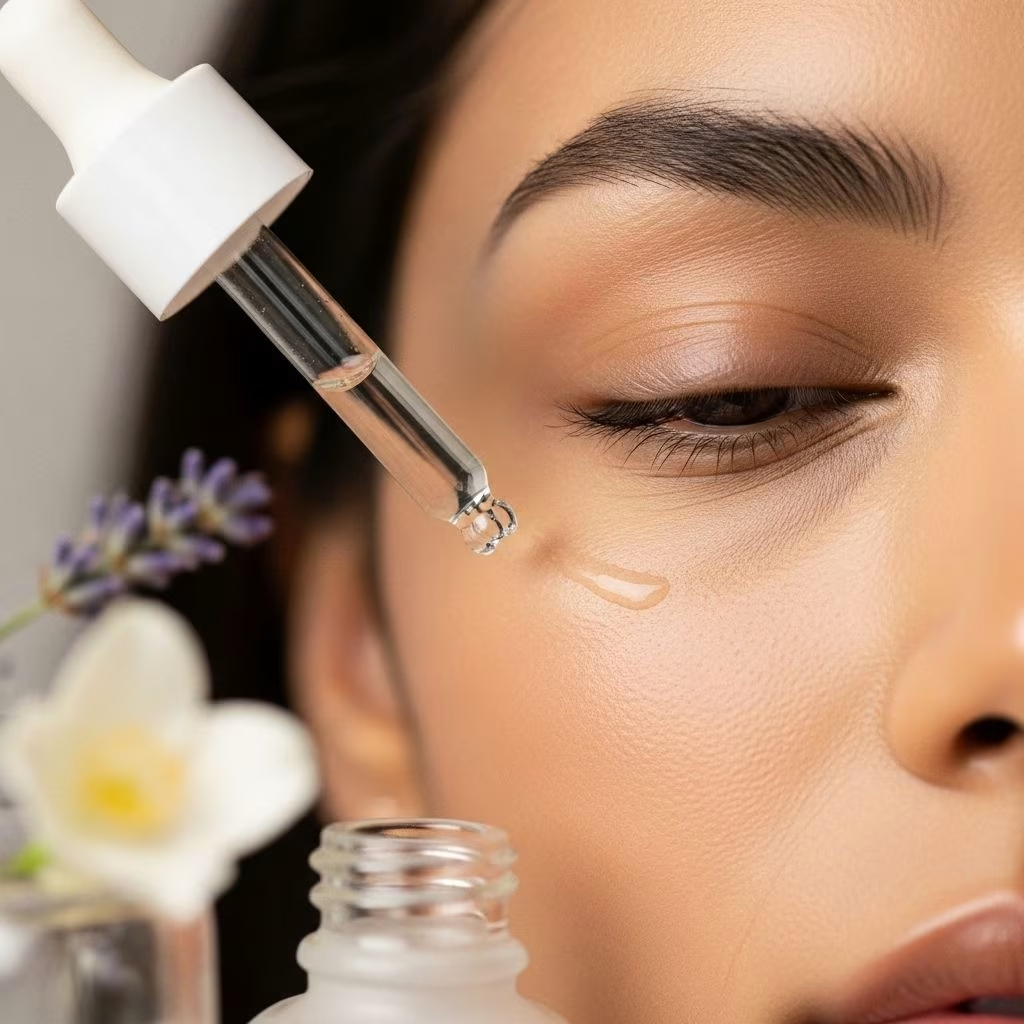
The delicate skin around the eyes often reveals some of the first signs of aging, stress, and lifestyle habits. Two of the most common concerns are under-eye dark circles and crepiness. This in-depth guide explores the science, causes, and—most importantly—evidence-backed actives and solutions for these issues. Whether you are seeking over-the-counter actives or professional treatments, understanding what truly works is crucial for visible improvement.
Understanding Under-Eye Dark Circles and Crepiness
Under-eye dark circles are a form of periorbital discoloration, often manifesting as shades of brown, blue, purple, or black beneath the lower eyelids. They are commonly associated with tiredness but, in reality, result from a complex interplay of genetic, vascular, structural, and lifestyle factors.
Crepiness refers to skin that appears loose, finely wrinkled, and thin—much like crepe paper. This is due to the intrinsic properties of the under-eye skin: naturally thin, with fewer oil glands, fat, and less collagen and elastin compared to other facial areas.
Why the Under-Eye Area Is So Vulnerable
- Thinner dermis and epidermis
- Less subcutaneous fat and structural support
- Fewer oil glands, leading to dryness
- Increased sensitivity to environmental damage
Main Causes of Under-Eye Dark Circles & Crepiness
- Genetics: Strong familial predisposition for hyperpigmentation, skin thinness, and vascular visibility.
- Aging: Collagen and fat loss, skin thinning, bone resorption increase hollowing and shadowing.
- Sun exposure: Accelerates pigment production and degrades collagen/elastin.
- Lifestyle factors: Poor sleep, smoking, dehydration, excessive alcohol, poor diet, chronic stress.
- Allergies or congestion: Vasodilation, blood pooling, and persistent rubbing of the eye area.
- Anemia and medication: Reduced oxygenation can darken skin; certain medications can exacerbate vascular visibility.
Classification of Under-Eye Dark Circles
| Type | Appearance | Main Causes |
|---|---|---|
| Vascular | Bluish, purplish, or reddish tones | Poor circulation, thin skin, allergies, eye strain |
| Pigmented | Brown or black | Sun exposure, genetics, post-inflammatory pigmentation |
| Structural | Shadows, hollowness | Loss of fat, deep-set eyes, aging |
| Mixed | Combination of above | Multiple contributing factors |
Overview: Topical Actives and Their Mechanisms
Topical actives are scientifically formulated ingredients that address specific skin concerns. For under-eye circles and crepiness, the most effective actives function by:
- Stimulating collagen and elastin production
- Reducing melanin/pigment production
- Supporting vascular health
- Hydrating and strengthening the skin barrier
- Providing antioxidant protection
Key Actives for Under-Eye Dark Circles
1. Vitamin C (Ascorbic Acid)
- Mechanism: Potent antioxidant, brightens hyperpigmentation, supports collagen synthesis.
- Benefits: Reduces brown pigmentation; protects against UV and free radical damage.
- Evidence: Regular use can visibly lighten dark spots and improve skin clarity.
2. Niacinamide (Vitamin B3)
- Mechanism: Inhibits melanosome transfer (reduces pigment), supports barrier, has anti-inflammatory properties.
- Benefits: Brightens dark circles with hyperpigmentation; suitable for sensitive skin.
3. Caffeine
- Mechanism: Vasoconstricts blood vessels, reducing bluish discoloration; de-puffs by reducing swelling.
- Benefits: Best for vascular-type dark circles and morning puffiness.
4. Retinoids (Retinol, Retinaldehyde)
- Mechanism: Promotes turnover, boosts collagen production, thickens dermis.
- Benefits: Reduces appearance of both pigmentation and vascular circles; improves skin texture.
- Instructions: Use low concentrations specifically formulated for the eye area; gradually introduce to avoid irritation.
5. Peptides
- Mechanism: Complexes signal skin to produce more collagen and elastin.
- Benefits: Plumps up thin skin, diminishing shadowing and improving skin resilience.
6. Licorice Extract
- Mechanism: Inhibits tyrosinase, reducing melanin synthesis.
- Benefits: Excellent for brown hyperpigmentation under the eyes, especially for darker skin tones.
7. Hyaluronic Acid
- Mechanism: Humectant that draws and retains moisture.
- Benefits: Hydrates, reduces the appearance of fine lines, and mildly plumps the under-eye area.
Key Actives for Crepiness and Texture Improvement
1. Retinoids
- Mechanism: Increasing epidermal thickness, stimulating collagen, and smoothing fine lines over the long term.
- Target: Most evidence-based for crepey, thin, or finely wrinkled skin—best used in carefully titrated, mild eye formulations.
2. Peptides
- Function: “Signal” peptides encourage dermal repair and new collagen/elastin synthesis, which restores firmness and reduces surface wrinkles.
3. Growth Factors
- Role: Biologically active proteins; promote regeneration and healing, supporting skin density and repair.
4. Ceramides
- Function: Restore and reinforce the lipid barrier, preventing moisture loss that accelerates crepiness.
5. Hyaluronic Acid & Other Humectants
- Role: Maintain hydration critical for skin plumpness, which minimizes crepe-like fine lines.
6. Antioxidants (Vitamin E, Ferulic Acid, Green Tea)
- Neutralize oxidative damage that accelerates dermal aging.
Lifestyle & Home Care Solutions
Topical actives work best in synergy with healthy lifestyle habits and external protection:
- Consistent Sun Protection: Daily use of high-SPF sunscreen or UV-blocking sunglasses prevents pigment accumulation and collagen loss.
- Quality Sleep: At least 7-8 hours nightly for cellular repair and healthy circulation.
- Hydration: Drink adequate water and use gentle moisturizers to prevent dehydration-induced dullness.
- Allergen Control: Address allergies or nasal congestion to minimize vascular dilation and under-eye swelling.
- Nutrition: Diet rich in antioxidants, vitamins C, K, and iron supports skin health and systemic circulation.
- Cold Compress: Temporarily constricts blood vessels, reducing vascular dark circles and puffiness.
Professional Dermatological Treatments
When topical actives and lifestyle changes aren’t sufficient, professional procedures offer more dramatic improvement. Choice depends on underlying causes:
- Laser Therapy: Resurfaces under-eye skin, reduces pigmentation and vascular prominence, stimulates collagen for tightening. Must be performed by trained experts due to sensitivities in the area.
- Chemical Peels: Light (alpha hydroxy acid) and medium peels exfoliate, improve superficial pigment, and smooth texture under the eyes.
- Microneedling: Induces collagen and elastin production via controlled micro-injuries; reduces crepiness and brightens the area.
- Hyaluronic Acid Fillers: Immediately restore lost volume, diminish hollowing, and reduce shadowing. Ideal for structural circles, not pigment.
- Platelet-Rich Plasma (PRP): Uses patients’ own plasma to stimulate healing, collagen, and elasticity. Suitable for both discoloration and crepey texture.
- Blepharoplasty: Surgical solution for significant excess skin or fat pockets; delivers the most pronounced improvement in severe crepiness.
- Fat Transfer: Autologous fat corrects volume loss long term.
Note: Always consult a board-certified dermatologist or oculoplastic surgeon for safe and appropriate treatment selection.
Combining Actives Safely for Maximum Effect
The under-eye area is highly sensitive. For best results and minimal irritation:
- Introduce only one new active at a time.
- Start with lower concentrations (especially retinoids and acids).
- Apply sunscreen daily—even on cloudy days—over all actives in morning routines.
- Use actives designed for delicate eye skin (avoid strong retinoids or acids meant for other face areas).
- If irritation develops (redness، flaking، stinging)، discontinue and use bland moisturizers until symptoms resolve.
- Consult skin experts for personalized active combinations.
Frequently Asked Questions (FAQs)
Q: Do eye creams for dark circles actually work?
A: Effectiveness depends on the cause and the active ingredients. Products with vitamin C، niacinamide، caffeine، or peptides often produce visible improvement، while creams lacking evidence-based actives may only hydrate.
Q: Are there risks to using retinoids around the eyes?
A: Yes—retinoids can cause irritation، redness، or dryness. Always choose eye-specific formulations and introduce them slowly. Avoid if skin is highly sensitive or compromised.
Q: Can diet or lifestyle alone eliminate under-eye circles?
A: While sleep، hydration، allergy management، and sun protection help، they often do not fully reverse genetically determined circles or age-related crepiness without additional targeted treatments.
Q: How long do topical actives take to show results under the eyes?
A: Most actives require 8-12 weeks of consistent use to notice visible changes.
Q: Are professional procedures safe for all skin types?
A: Most are safe when performed by experienced professionals، but ethnic and sensitive skin types require tailored approaches (e.g.، lower laser intensity، pigment-safe peels).
Q: What’s the most common mistake treating under-eye circles?
A: Applying the wrong active for your type of dark circles—e.g.، using creams for hollowness or fillers for pure pigmentation—often yields little benefit and can even worsen the appearance.
References
- US Dermatology Partners. Treatments for Eye Darkness and Crepey Skin.
- Allure Aesthetics LLC. Dark Circles Under Eyes: Causes & Treatments.
- Healthline. What Causes Dark Circles Under Your Eyes?.
- Cleveland Clinic. Dark Circles Under The Eyes.
- Medical News Today. What causes dark circles under the eyes?.
- Skin by Lovely. Causes and Solutions for Dark Under-Eye Circles.
- PMC. Treatments of Infra-Orbital Dark Circles by Various Etiologies.
References
- https://www.usdermatologypartners.com/blog/treatments-for-eye-darkness-and-crepey-skin/
- https://allureaestheticsllc.com/blog/dark-circles-under-eyes/
- https://www.healthline.com/health/dark-circle-under-eyes
- https://my.clevelandclinic.org/health/symptoms/23128-dark-circles-under-eyes
- https://www.mayoclinic.org/symptoms/dark-circles-under-eyes/basics/causes/sym-20050624?p=1
- https://www.medicalnewstoday.com/articles/325989
- https://pmc.ncbi.nlm.nih.gov/articles/PMC7992473/
- https://www.skinbylovely.com/blog/13-causes-and-solutions-for-dark-under-eye-circles/
- https://www.cigna.com/knowledge-center/bags-dark-circles-under-eyes
- https://www.sknclinics.co.uk/conditions/under-eye-wrinkles


