


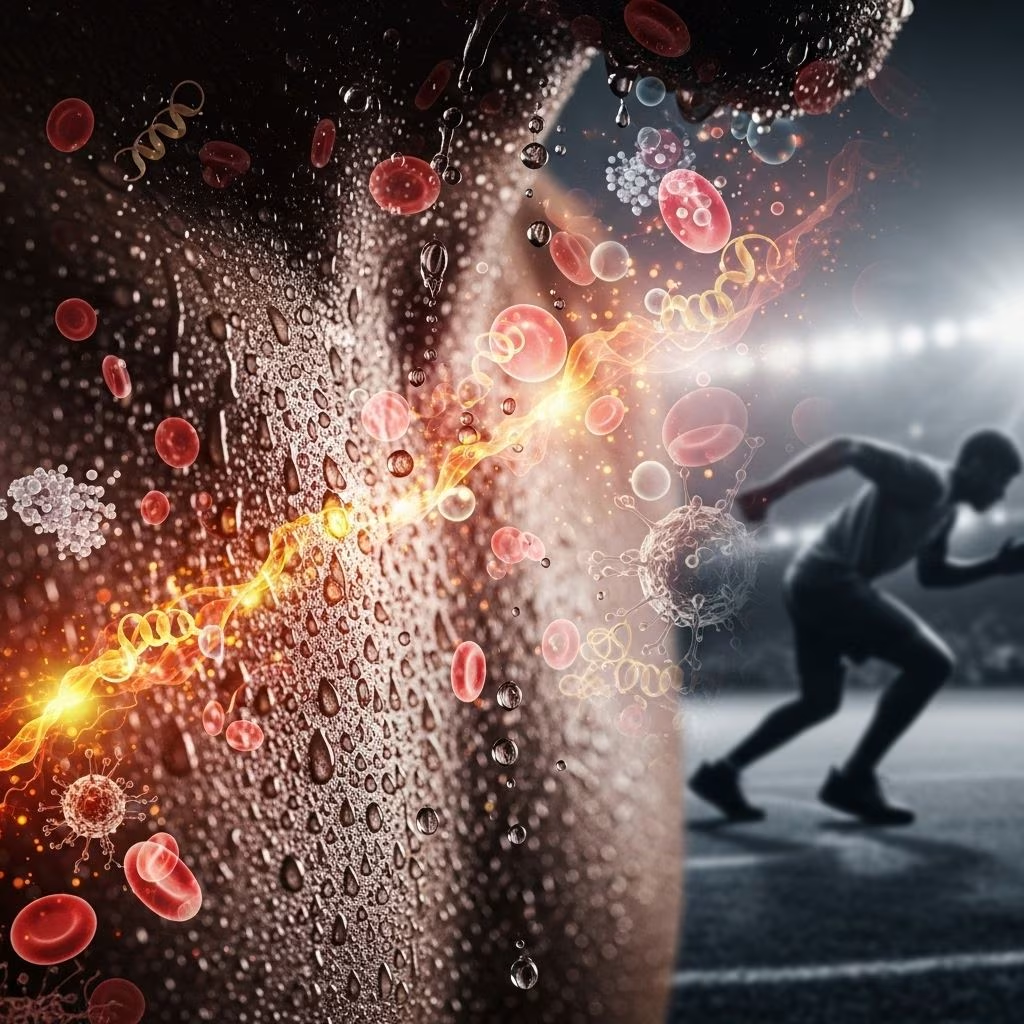
Actives for Athletes: The Dynamic Role of Sweat and Inflammation in Sports Performance
Athletes relentlessly pursue peak performance, pushing their bodies to new heights through rigorous training and competition. Central to their journey are two biological responses: sweat and inflammation. These processes are vital for physical adaptation and recovery, but require strategic management for optimal health and results. This comprehensive guide explores the science of actives for athletes, unfolds how sweat and inflammation shape performance, and reveals evidence-based nutritional and recovery strategies to empower elite and everyday competitors.
Sweat: Function, Physiology and Performance Impacts
Sweat is an essential physiological response during physical exertion. It is primarily produced by the eccrine glands and serves several vital functions:
- Thermoregulation: Maintains core body temperature by dissipating excess heat through evaporation.
- Fluid Balance: Facilitates water and electrolyte loss, impacting hydration status and muscular function.
- Metabolic Waste Removal: Contains trace amounts of metabolic byproducts that can be excreted.
The Science Behind Sweating in Athletics
Athletes—particularly those engaging in high-intensity, endurance-based sports—can lose significant amounts of fluid and electrolytes. Excessive sweating, combined with insufficient replenishment, may cause:
- Decreased Performance: Leads to early fatigue, diminished mental acuity, and reduced muscular efficacy.
- Hyponatremia: A dangerous drop in blood sodium levels due to overhydration with plain water, lacking adequate electrolytes.
- Impaired Recovery: Slower post-exercise recuperation due to metabolic and electrolyte imbalances.
Fluid Loss Through Sweat: Quantitative Overview
| Exercise Type | Average Sweat Rate (L/hour) | Key Electrolytes Lost |
|---|---|---|
| Endurance running | 1.0–2.0 | Sodium, potassium, chloride, magnesium |
| Cycling (intense) | 1.2–2.5 | Sodium, potassium |
| Strength training | 0.5–1.0 | Potassium, sodium |
Inflammation in the Athletic Context
Inflammation is a complex immune response triggered by tissue stress, damage, or infection. In athletics, inflammation often follows intense exercise or injury and is characterized by physiological changes such as:
- Pain or tenderness at affected sites
- Localized swelling and redness
- Heat production due to increased blood flow
Types of Athletic Inflammation
- Acute Inflammation: Short-term and generally beneficial response to physical stress or minor injury; supports tissue repair.
- Chronic Inflammation: Persistent, sometimes damaging, often a result of repetitive strain or inadequate recovery; linked to suppressed performance and risk of overtraining.
Role in Adaptation and Recovery
Short-lived inflammation is crucial for muscular adaptation, triggering cellular repair and growth processes. However, unchecked inflammation impairs tissue restoration, raises injury risk, and can compromise immune function, making strategic management a central concern for athletes.
The Interplay Between Sweat and Inflammation
The relationship between sweat and inflammation is dynamic. Intense exercise raises core temperature and metabolic rate, stimulating sweat production and impacting fluid/electrolyte balance. Simultaneously, it triggers microtrauma in muscles, fueling acute inflammation for repair and adaptation. If dehydration results from excessive fluid loss, the inflammatory response may be exacerbated, delaying healing and heightening fatigue.
Consequences of Poorly Managed Sweat and Inflammation:
- Poor performance due to early fatigue, cramps, or diminished focus
- Prolonged recovery time and heightened soreness after events
- Increased risk of heat illness or chronic injuries
- Suppressed immune system function, increasing susceptibility to illness
Nutritional Actives for Athletes: Key Nutrients & Supplements
Nutrition—the strategic provision of energy, macro- and micronutrients—can both mitigate inflammatory responses and facilitate optimal sweat management. Evidence-based actives for athletes include:
Major Macronutrients
- Carbohydrates: Essential fuel for endurance and high-intensity activities, minimizing muscular fatigue and supporting repair. Research supports 30–60 g/h intake during sustained exercise for anti-fatigue and improved performance.
- Proteins: Provide amino acids for muscular repair and adaptation, supporting the management of inflammation after physical strain.
- Fats & n-3 PUFAs: Polyunsaturated fatty acids (like omega-3s) help regulate immune and inflammatory responses, with lipid-enriched drinks demonstrating improvements in oxidative balance and vascular function.
Essential Vitamins and Minerals
- B vitamins: Support energy metabolism and resilience during stress; crucial for athletes’ overall health.
- Iron: Vital for oxygen transport and endurance; deficiency impairs stamina and recovery.
- Calcium and Vitamin D: Ensure bone and muscle integrity; reduce injury risk.
- Magnesium: Supports muscular function and energy yield; supplementation can enhance performance.
- Vitamin K2: May support maximal cardiac output in aerobic sports.
Key Supplements
- Creatine: Boosts muscular performance, especially in high-intensity activities; supports the development of lean body mass.
- Beta-Alanine: Shown to decrease neuromuscular fatigue and enhance performance in tasks lasting more than 60 seconds; recommended loading dose is 4–6 g/day for several weeks.
- Methylsulfonylmethane (MSM): Aids post-exercise recovery by enhancing antioxidant capacity.
- Choline: Supports cognitive function and muscle control, maintaining athlete focus.
- Coenzyme Q10: Benefits cardiovascular function and may improve endurance.
- Ashwagandha: Emerging evidence for reduction of exercise-induced stress and improved recovery.
Sports Drinks and Functional Beverages
Functional sports drinks are engineered to address both energy needs and physiological losses during exercise. Formulations typically feature:
- Carbohydrates (CHO): легко absorbed, maintain energy supply, delay muscle fatigue, and support glycogen replenishment.
- Electrolytes: Sodium, potassium, and magnesium help replace what is lost through sweat, preventing dehydration and cramps.
- Antioxidants and Polyphenols: Vitamin E, polyphenols, and n-3 PUFAs help counteract exercise-induced oxidative stress and modulate inflammation.
Latest research affirms CHO-intake intervals (30–80 g/h via 6–8% CHO-electrolyte drinks) offer measurable performance improvements across multiple endurance measures. Isotonic drinks combining glucose and fructose minimize GI distress and maximize carbohydrate uptake, offering practical benefits.
Comparison Table: Popular Ingredients in Sports Drinks
| Ingredient | Primary Function | Evidence for Athletic Benefit |
|---|---|---|
| Glucose/Fructose | Rapid energy, glycogen protection | Improves endurance and delays fatigue |
| Electrolytes (Na, K, Mg) | Hydration, nerve and muscle function | Prevents cramps, regulates fluid balance |
| Omega-3 PUFAs | Anti-inflammatory, cardiovascular health | Supports immune adaptation, vascular flow |
| Polyphenols/Vitamin E | Oxidative stress defense | Reduces inflammation risk |
| Creatine | Muscle energy, power generation | Enhances high-intensity output |
Managing and Minimizing Inflammation: Recovery Strategies
Managing inflammation is key to sustained training and optimal recovery. Athletes must combine targeted nutrition, thoughtful rest, and smart supplementation to balance adaptation and avoid chronic, detrimental inflammation.
Evidence-Based Strategies:
- Active Recovery: Gentle movement post-exercise (walking, swimming, yoga); enhances lymphatic clearance, supports tissue repair.
- Anti-Inflammatory Nutrients: Emphasis on foods rich in omega-3 fatty acids (fatty fish, walnuts), polyphenols (berries, green tea), and antioxidants (leafy greens, citrus).
- Rest and Sleep: 7–9 hours of restorative sleep promotes inflammatory resolution and muscular repair.
- Tactical Supplementation: Use of MSM, beta-alanine, and n-3 PUFA-enriched beverages to actively modulate post-exercise inflammatory cascades.
- Hydration: Routine monitoring and timely replenishment of fluids/electrolytes—especially post-training or competition.
- Periodized Training: Alternating between load and recovery phases to minimize risk of chronic inflammation or overtraining.
Recovery Nutrition Recommendations
- Consume a mixed meal (carbohydrates + protein) within 30–60 minutes post-exercise
- Rehydrate based on weight-loss during exercise; 1.2–1.5 times the lost fluid is recommended
- Include sources rich in anti-inflammatory phytonutrients and omega-3s
Frequently Asked Questions (FAQs)
Q: How does sweat affect athletic performance if I don’t hydrate well?
A: Inadequate hydration amplifies fatigue, diminishes muscular power, and can raise core body temperature to unsafe levels, increasing risk of heat illness and impairing mental focus.
Q: Are all forms of inflammation bad for athletes?
A: No. Acute inflammation is necessary for muscular adaptation and tissue repair; however, uncontrolled or chronic inflammation due to inadequate recovery can be harmful and lead to injuries.
Q: What are the best nutrients or supplements to reduce exercise-induced inflammation?
A: Omega-3 PUFAs, polyphenols, MSM, and antioxidants (such as vitamin E) have demonstrated roles in minimizing post-exercise inflammation. High-quality protein and regular hydration are also essential.
Q: Can sports drinks help with inflammation and recovery, or are they only for hydration?
A: Advanced sports drinks and functional beverages often provide anti-inflammatory ingredients, antioxidants, and essential fatty acids in addition to hydration and energy substrates, supporting both immediate performance and longer-term recovery.
Q: Should athletes routinely use supplements, or focus on food?
A: Supplements can be useful for optimizing performance in situations where dietary intake is insufficient or when targeted physiological support is required, but whole foods should remain the foundation of nutrition.
Q: Does excessive sweating always signal adaptation, or can it indicate problems?
A: While sweating is crucial for thermoregulation and fitness adaptation, excessive, unmonitored sweat loss can risk dehydration, electrolyte imbalance, and subsequent inflammation. Regular hydration management and electrolyte monitoring are needed.
Conclusion
Sweat and inflammation are intertwined in the physiology of athletic performance. Understanding their functions empowers athletes to implement targeted nutritional strategies, optimize hydration, and select functional actives—be they foods or supplements—that foster adaptation, minimize recovery time, and reduce injury risks. By mastering the interplay of sweat and inflammation, athletes elevate their resilience and maximize their results across sports and training modalities.
References
- https://balchem.com/hnh/benefits/sports/
- https://pmc.ncbi.nlm.nih.gov/articles/PMC6213308/
- https://ods.od.nih.gov/factsheets/ExerciseAndAthleticPerformance-HealthProfessional/
- https://www.massgeneralbrigham.org/en/about/newsroom/articles/sports-and-nutrition
- https://www.medicalnewstoday.com/articles/327166
- https://www.glanbianutritionals.com/en/nutri-knowledge-center/insights/athletic-sports-performance


