


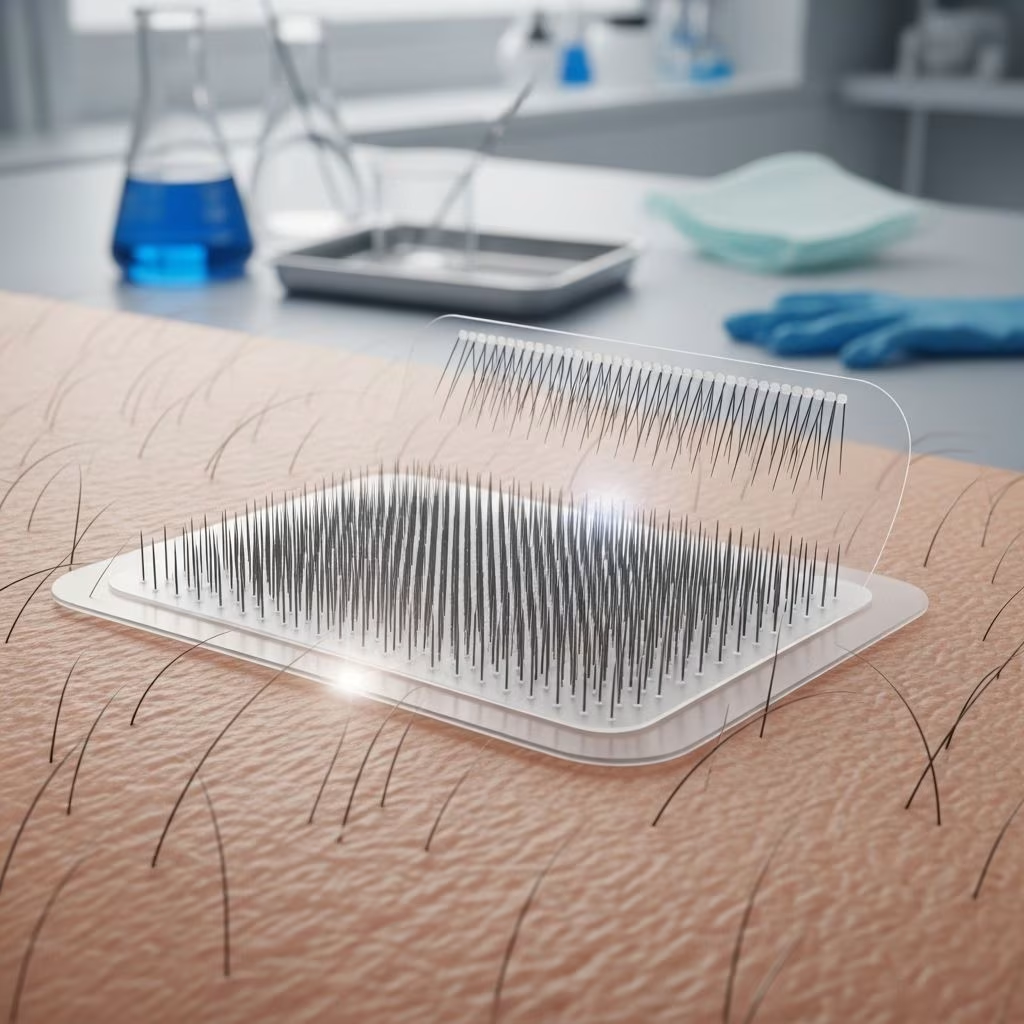
Introduction to Microneedle Patches
Microneedle patches have emerged as a promising tool in the field of drug delivery, offering a minimally invasive method to administer drugs directly into the skin. These patches are composed of tiny needles that can create microchannels in the skin, allowing for the controlled release of drugs. This technology has shown great potential in improving the efficacy of drug delivery, enhancing patient comfort, and reducing the risk of adverse reactions associated with traditional methods.
Mechanism of Action
Microneedles work by creating minor breaches in the skin, which allows drugs to be delivered locally or systemically. The mechanism involves the use of microneedles with different materials and designs, depending on the intended application. For instance, microneedles can be made from biodegradable materials like hyaluronic acid, which dissolves in the skin after administration, or they can be designed with temperature-sensitive polymers that change their properties when exposed to heat, triggering drug release.
Drug Release Mechanisms
The drug release from microneedle patches can be triggered by various factors such as temperature, pH, or the presence of specific molecules. For example, microneedles containing insulin can be designed to release the drug in response to glucose levels, ensuring a more regulated and natural insulin delivery system.
Applications of Microneedle Patches
Microneedle patches have a wide range of applications in drug delivery, including:
- Insulin Delivery: Microneedles can be tailored to release insulin in response to glucose levels, providing a more natural and controlled insulin delivery system. This is achieved through the use of substances like phenylboronic acid, which binds to glucose, triggering insulin release.
- Wound Healing: By delivering growth factors or other therapeutic agents directly to the wound site, microneedle patches can enhance wound healing rates and effectiveness.
- Cancer Treatment: Microneedles can be used to deliver chemotherapy drugs directly to tumors, reducing systemic side effects and improving treatment efficacy.
- Vaccine Delivery: Microneedles are being explored for vaccine administration, offering improved immune response and reduced injection pain compared to traditional needles.
Blue-Ringed Octopus-Inspired Microneedle
Recent innovations include the development of blue-ringed octopus-inspired microneedle patches, which utilize shrinking silk-fibrinogen microneedles. These patches can provide rapid drug delivery due to the phase transition of PNIPAm (poly(N-isopropylacrylamide)) from hydrophilic to hydrophobic states when heated, allowing for both immediate and sustained drug release.
Advantages of Microneedle Patches
The use of microneedle patches offers several advantages over traditional drug delivery methods:
- Pain Reduction: The small size of microneedles reduces the pain associated with injections.
- Improved Efficacy: Targeted drug delivery can enhance therapeutic efficacy by ensuring drugs reach the site of action directly.
- Enhanced Patient Compliance: The minimally invasive nature of microneedle patches can improve patient compliance with treatment regimens.
- Flexibility in Design: Microneedles can be designed to release drugs in response to various stimuli, offering flexibility in drug delivery strategies.
Challenges and Future Directions
Despite the promising potential of microneedle technology, several challenges need to be addressed:
- Scalability and Cost: The production cost and scalability of microneedle patches are significant challenges that need to be overcome to make them widely available.
- Material Safety: Ensuring the biocompatibility and safety of materials used in microneedles is crucial for long-term use.
- Regulatory Frameworks: Clear regulatory guidelines are necessary to ensure the safe and effective use of microneedle patches.
Near-Infrared Triggered Drug Release
Another innovative approach involves using near-infrared (NIR) radiation to trigger drug release from microneedle patches. This method enhances drug delivery efficiency by allowing for controlled release in response to external stimuli, such as heat generated by NIR irradiation.
Conclusion
Microneedle patches represent a significant advancement in drug delivery technology, offering improved efficacy, reduced pain, and enhanced patient compliance. As research continues to address the challenges associated with this technology, it is likely that microneedle patches will play a more prominent role in various therapeutic applications.
Frequently Asked Questions (FAQs)
Q: What are microneedle patches used for?
A: Microneedle patches are used for drug delivery, vaccine administration, and enhancing wound healing by creating microchannels in the skin for targeted therapeutic delivery.
Q: How do microneedles release drugs?
A: Drug release from microneedle patches can be triggered by factors such as temperature, pH, or specific molecules, allowing for controlled and targeted delivery.
Q: Are microneedle patches safe?
A: Microneedle patches are generally considered safe, but the biocompatibility of materials and the regulatory frameworks around their use must be carefully evaluated.
Summary
Microneedle patches are an innovative tool in drug delivery, offering advantages such as pain reduction, improved efficacy, and enhanced patient compliance. With ongoing research addressing challenges like scalability and material safety, these patches hold significant promise for future therapeutic applications.
References
For more detailed information on microneedle technology and its applications, refer to the provided links and citations.


