


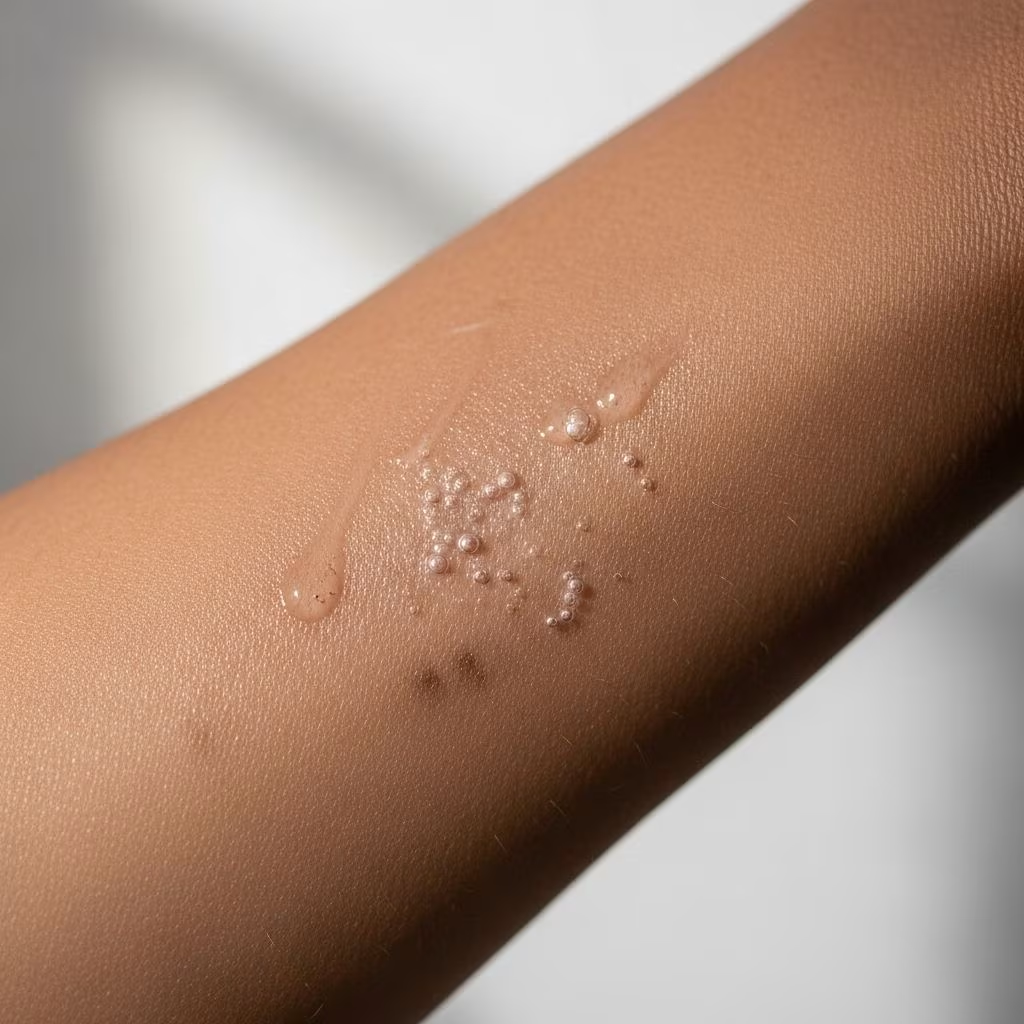
Post-inflammatory hyperpigmentation (PIH) is an especially common challenge for those with deeper skin tones, where even mild inflammation can trigger persistent dark spots. Choosing the right exfoliating actives can be transformative—encouraging smooth, bright, and even-toned skin—when used with deep knowledge and care. This guide provides a research-driven overview of how to select and use exfoliating actives safely and effectively to prevent and treat PIH in skin of color.
Understanding Post-inflammatory Hyperpigmentation (PIH) in Skin of Color
PIH refers to the development of darkened patches or spots on the skin following injury or inflammation—often from acne, cuts, eczema, or even mild irritation. Skin of color—typically classified as Fitzpatrick skin types IV, V, and VI—is much more susceptible to pigmentation changes because melanocytes (cells responsible for melanin production) react robustly to inflammation, producing more pigment in response to even minor trauma or irritation.
- Incidence: Up to 65% of people of African, Asian, or Hispanic descent develop PIH after acne or other irritant exposures.
- Triggers: Acne, eczema, insect bites, aggressive skincare treatments, waxing, burns, and even friction (e.g., from shaving or tight clothing).
- Persistence: PIH can take months or even years to fade, especially if not managed carefully or if triggers persist.
- Psychosocial Impact: PIH can significantly impact quality of life, contributing to self-esteem and mental health challenges.
Role of Exfoliation in PIH Prevention and Treatment
Exfoliation removes dead skin cells from the surface, encourages skin renewal, and can accelerate the fading of PIH by encouraging the turnover of pigmented cells. However, exfoliation must be approached with caution in skin of color: while appropriate routine exfoliation is highly beneficial, over-exfoliation can damage the skin barrier, worsen inflammation, and increase PIH risk.
- Benefits: Promotes cell turnover, brightens uneven skin, smoothes texture, and boosts the efficacy of other topicals by improving penetration.
- Risks: Overuse or using harsh exfoliants (scrubs, aggressive acids) can increase irritation and susceptibility to PIH.
- Frequency: Generally, exfoliating 1–3 times per week with gentle actives is considered optimal for skin of color.
Choosing Exfoliating Actives: Types, Benefits, and Risks
Exfoliating actives fall into two broad categories: physical and chemical.
- Physical exfoliants: Include scrubs and microbeads. Often too abrasive for skin of color; increase risk of microtears and irritation—avoid if possible.
- Chemical exfoliants: Use acids or enzymes to dissolve or loosen the bonds between dead skin cells. When chosen wisely, these are safer and more effective for skin of color.
Chemical Exfoliant Types
| Type | Common Ingredients | Primary Benefits | Risks and Considerations |
|---|---|---|---|
| Alpha Hydroxy Acids (AHAs) | Glycolic acid, lactic acid, mandelic acid | Even skin tone, smooth texture, fade dark spots | Can irritate in high concentrations; patch test strongly advised |
| Beta Hydroxy Acids (BHAs) | Salicylic acid | Penetrates pores, reduces acne, reduces inflammation | Generally well-tolerated, but avoid overuse |
| Retinoids | Retinol, tretinoin, adapalene | Boosts turnover, treats acne, improves overall tone | High irritation risk; start slow, moisturize, use gentle formulations |
| Gentle Exfoliating Botanicals | Soy extract, grape seed extract | Anti-inflammatory, antioxidant, mild exfoliation and brightening | Low risk when used in well-formulated products |
Top Exfoliating Actives for Skin of Color
1. Alpha Hydroxy Acids (AHAs)
- Glycolic Acid: Well-studied for hyperpigmentation; effective in low concentrations (≤5%). Promotes even tone and boosts other brighteners.
- Lactic Acid: Gentler than glycolic acid; suitable for sensitive skin. Promotes gradual fading of PIH.
- Mandelic Acid: Largest molecular size of common AHAs, leading to slow penetration and minimal irritation—ideal for skin of color and those new to acids.
- Usage Tips: Use 1–2 times a week, gradually increasing as tolerated. Always patch test first.
2. Beta Hydroxy Acid (BHA) — Salicylic Acid
- Properties: Oil-soluble; clears pores and calms inflammation, making it excellent for acne-prone skin of color.
- Efficacy: 20–30% concentrations used in professional peels; lower (2%) effective for home care. Reduces risk of new PIH from breakouts.
- Advantages: Proven safety in high skin phototypes (V and VI) when appropriately formulated.
3. Retinoids
- Types: Includes tretinoin, adapalene, retinol. Effective for PIH and acne.
- Benefits: Boosts cell turnover, helps clear existing spots, prevents future hyperpigmentation from acne.
- Risks: Can cause irritation (“retinoid dermatitis”). Start with low strengths, increase gradually, and use non-irritating formulas such as creams instead of gels for higher tolerability in skin of color.
4. Azelaic Acid
- Dual Action: Mildly exfoliating and anti-inflammatory; reduces dark spots while calming redness.
- Advantages: Gentler than many acids. Suitable for sensitive skin and effective for acne-prone individuals.
5. Non-Acidic Botanical Exfoliants
- Soy Extract: Suppresses melanosome transfer and reduces excess pigmentation; doubles as both preventative and corrective for PIH.
- Grape Seed Extract: Contains proanthocyanidins that are both antioxidant and anti-inflammatory.
Supporting Brightening and Anti-PIH Ingredients
Combining exfoliants with proven brightening ingredients maximizes fading of existing PIH and reduces recurrence. Some of the most effective pairings include:
- Vitamin C (Ascorbic Acid): Potent antioxidant; brightens, evens skin tone, and boosts collagen production.
- Niacinamide (Vitamin B3): Reduces inflammation and inhibits melanin transfer, helping fade spots and calm redness.
- Licorice Extract: Natural lightener; inhibits tyrosinase, the enzyme behind pigment production.
- Kojic Acid: Naturally-derived inhibitor of melanin synthesis; often found in professional blends with AHAs and retinoids for more advanced pigmentation.
- Hydroquinone (Under Supervision): A strong depigmenting agent, especially for severe or stubborn PIH, but should be used cautiously and with specialist guidance due to potential side effects and risk of paradoxical pigmentation.
- Stem Cell Cytokines: Emerging evidence supports their anti-inflammatory and reparative effects.
Formulating a Safe and Effective Exfoliation Routine
Creating a routine that balances exfoliation with barrier protection and pigment control is crucial. Here’s a sample weekly regimen for skin of color with PIH tendency:
- Cleanser: Gentle, non-stripping, sulfate-free formula. Avoid harsh cleansers that can dry or irritate.
- Exfoliant: Start with 1–2 times per week (e.g., a lactic acid or mandelic acid serum); gradually increase to 2–3 times as tolerated. Avoid exfoliating active breakouts or irritated areas.
- Treatment Serum: Layer in a brightening serum (vitamin C, niacinamide, or licorice extract) on non-exfoliation days for synergistic effects.
- Moisturizer: Barrier-repairing creams containing ceramides, hyaluronic acid, or panthenol to maintain hydration and calm.
- Sunscreen: Broad-spectrum SPF 30+ daily. Sunscreen is non-negotiable—UV exposure always worsens PIH, even from indoor sunlight.
Tip: Always patch test new exfoliants and introduce one active at a time, waiting 2–4 weeks before adding another to assess skin tolerance.
What to Avoid: Exfoliation Pitfalls in Skin of Color
- Physical Scrubs: Even if marketed as “gentle,” many physical exfoliants can cause microtears and inflammation—prime triggers for new PIH in skin of color.
- Over-Exfoliation: Daily or excessive use of strong acids, peels, or retinoids damages the skin barrier and triggers more pigmentation.
- DIY Acids or Lemon Juice: Potent unregulated acids or citrus extracts are very risky and can provoke unpredictable pigment changes.
- Aggressive Treatments on Inflamed Skin: Never exfoliate over fresh acne, eczema, sunburn, or compromised skin.
- Neglecting Sun Protection: UV exposure can undo months of progress and worsen existing PIH.
Advanced and Professional Treatments
For stubborn PIH or where at-home actives are insufficient, advanced treatment options with proven safety in skin of color include:
- Chemical Peels: Superficial peels using low concentrations of glycolic acid, salicylic acid, or Jessner’s solution (by professionals only)—effective for moderate PIH.
- Prescription Actives: Higher-strength retinoids (tretinoin, adapalene, tazarotene), azelaic acid, or combinations (hydroquinone with retinoids/AHAs) under a dermatologist’s guidance.
- Laser or Light-Based Therapies: Fractional lasers (e.g., Nd:YAG, blue light therapy) can be safely used in expert hands, but are not first-line due to risk of further pigment issues.
- Microneedling: In some cases, can be combined with topical serums for targeted resurfacing, but always with an experienced professional familiar with skin of color.
Note: Always ensure your provider understands the unique needs of melanated skin to minimize adverse effects.
Frequently Asked Questions (FAQs)
Q1: Can I exfoliate if my skin is actively breaking out?
No. Exfoliating active acne or inflamed skin increases risk for worsening PIH. Allow inflammation to subside before introducing chemical exfoliants.
Q2: How soon will I see results from using exfoliating actives?
Visible improvement in PIH may start in 4–6 weeks, with continued fading over 3–6 months when actives are used consistently and safely. Patience and consistent sunscreen use are critical.
Q3: Is it safe to layer multiple exfoliating actives?
Generally, no. Start with one (e.g., lactic acid or salicylic acid). Once tolerance and improvement are observed (after at least 2–4 weeks), you may add a complementary brightening agent (e.g., vitamin C), but layering strong acids increases PIH risk.
Q4: I noticed more dark spots after starting an exfoliant—is this normal?
Initial purging (temporary breakouts) is possible with some actives, but new or worsening hyperpigmentation signals irritation. Discontinue and consult a dermatologist specializing in skin of color.
Q5: What is the most important step besides exfoliation for PIH prevention?
Consistent, broad-spectrum sunscreen use daily. UV exposure significantly amplifies hyperpigmentation and can quickly reverse any progress made with actives.
Q6: Are natural acids safe for exfoliating skin of color?
Some, like lactic acid (often derived from milk or fermented foods) and mandelic acid (from bitter almonds), are generally safe. However, avoid DIY formulations and always use professional, well-formulated products after patch testing.
Q7: Can PIH be permanently removed?
Most PIH spots gradually fade with appropriate treatment and diligent sun protection. Some stubborn spots may persist, but significant improvement is usually possible.
References
- Art of Skincare — How To Treat Post-Inflammatory Hyperpigmentation at Home
- National Institutes of Health — Postinflammatory Hyperpigmentation: A Review
- LearnSkin — Preventing Post-inflammatory Hyperpigmentation In Skin of Color
- Spa Reveil — Hyperpigmentation Treatment For Dark Skin
References
- https://artofskincare.com/blogs/learn/how-to-treat-post-inflammatory-hyperpigmentation-at-home
- https://pmc.ncbi.nlm.nih.gov/articles/PMC2921758/
- https://www.learnskin.com/articles/preventing-post-inflammatory-hyperpigmentation-in-skin-of-color/
- https://spareveil.com/hyperpigmentation-treatment-for-dark-skin-understanding-your-options/
- https://pmc.ncbi.nlm.nih.gov/articles/PMC9165630/
- https://skinbydrsethi.com/blogs/skin/post-inflammatory-hyperpigmentation-treatment
- https://www.youthtothepeople.com/blog/to-the-people–youth-to-the-people/how-to-get-rid-of-pih-using-the-power-mask.html


