


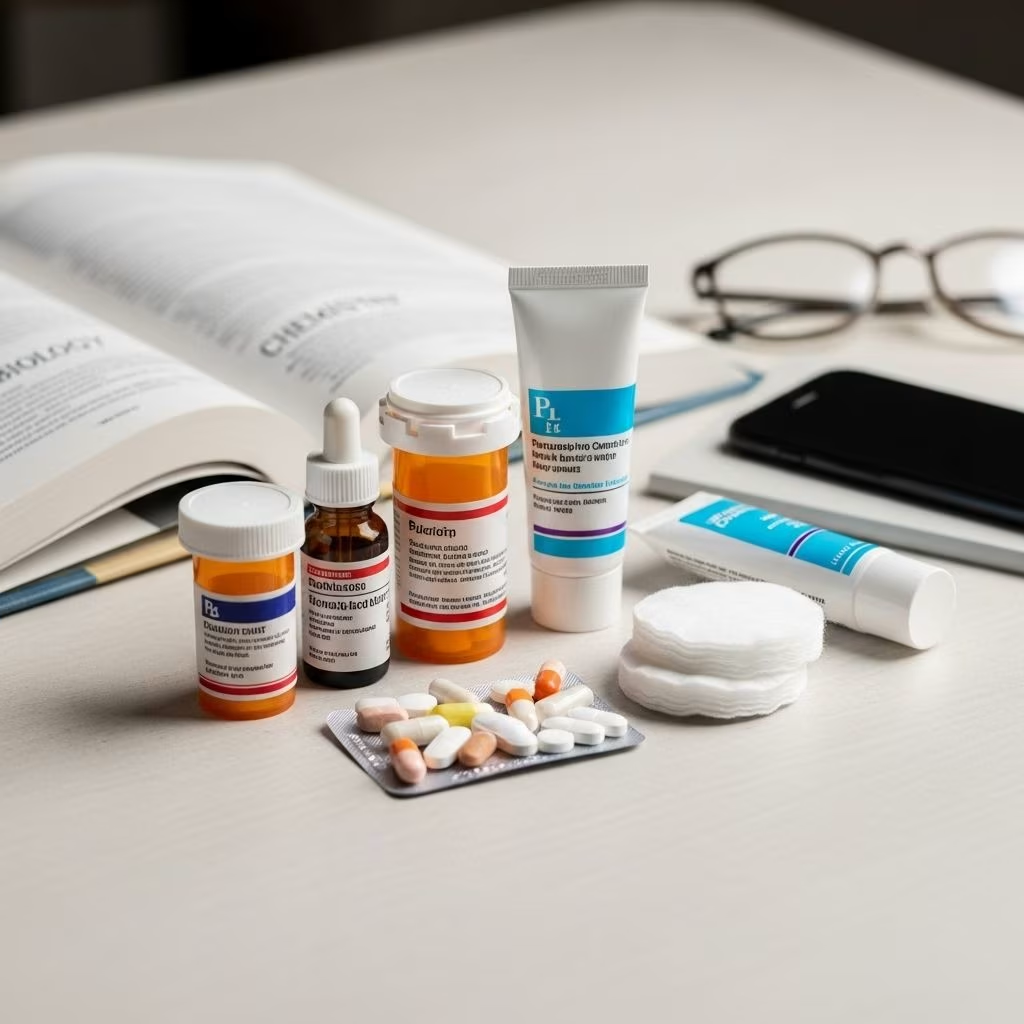
Prescription medications are powerful tools for treating a range of medical conditions in teenagers, from ADHD and chronic pain to anxiety and more. However, these medicines carry risks if used improperly. This comprehensive guide delves into the safe use of prescription actives for teenagers, the dangers associated with misuse, and provides actionable strategies for parents, caregivers, and young people themselves.
Understanding Prescription Actives
Prescription actives are the main ingredients in medicines that have therapeutic effects. Examples include stimulants (for ADHD), opioids (for pain), and antidepressants. These actives require a physician’s prescription due to their potency, potential side effects, and risk of misuse or dependency when not used as directed.
Why Are They Important for Teenagers?
Teenagers are prescribed medications for conditions such as:
- Attention-deficit/hyperactivity disorder (ADHD)
- Depressive or anxiety disorders
- Chronic or acute pain management
- Sleep disorders
- Severe allergies or asthma
With adolescence being a period of rapid physical and emotional changes, managing chronic and acute conditions safely is crucial for development and wellbeing.
Common Prescription Drugs and Their Uses in Teenagers
The most commonly prescribed and misused classes of drugs among teenagers include:
| Drug Class | Examples | Intended Use | Risks if Misused |
|---|---|---|---|
| Stimulants | Adderall, Ritalin | ADHD symptom control, narcolepsy | Addiction, heart issues, seizures |
| Opioids | OxyContin, Vicodin | Pain relief | Overdose, respiratory depression |
| Depressants/Sedatives | Xanax, Valium | Anxiety, sleep disorders | Memory loss, slowed breathing, addiction |
| Antidepressants | Zoloft, Prozac | Depression, anxiety | Worsening symptoms, withdrawal effects |
Proper use involves following the prescribed dose, schedule, and guidance provided by a qualified health professional.
Risks of Misuse in Adolescence
While prescription drugs are invaluable in treating certain medical conditions, their misuse poses significant risks for teenagers.
- Health risks: Overdose, addiction, seizures, heart complications, and organ failure.
- Accidental poisoning: Emergency rooms see tens of thousands of cases involving teens and medication poisoning annually.
- Illegal activities: Sharing, selling, or purchasing prescription actives online or on the street is not only dangerous but also illegal.
- Pharming parties: Some teens engage in “pharming”—mixing random pills to get high—dramatically increasing the odds of adverse or lethal reactions.
- Contaminated or counterfeit drugs: Pills sold through unregulated online sources may contain dangerous substances like fentanyl.
Parent and Caregiver Responsibilities
Parents and caregivers play a critical role in ensuring the safe use of prescription medications for teenagers. Here’s how:
1. Secure All Medications
- Keep all prescription and over-the-counter drugs out of reach and sight, preferably in a locked cabinet.
- Do not leave prescription bottles on counters, bedside tables, or backpacks—anywhere easily accessible.
2. Monitor Medication Inventory
- Count pills periodically and check expiration dates to quickly notice any discrepancies.
- Be alert for signs of tampering, such as missing pills or altered packaging.
3. Model Responsible Medication Use
- Take prescription medications only as directed by a healthcare provider.
- Never share your own prescriptions; set an example of responsible use for teens.
4. Properly Dispose of Unused Medicines
- Regularly clean out the medicine cabinet and safely dispose of expired or unused medications. Pharmacies or community take-back programs can often help.
Best Practices for Teenagers: Responsible Medication Habits
Empowering teens to responsibly manage their own health is as vital as parental oversight. Key recommendations include:
- Always follow the doctor’s instructions—never change the dose, frequency, or method of intake without consulting a healthcare provider.
- Never use someone else’s prescription medication—even if symptoms seem the same.
- Never share your own medicines with friends or family members.
- Read medicine labels carefully and be aware of possible interactions with other drugs, supplements, or foods.
- Do not mix prescription medicines with recreational drugs or alcohol. Mixing substances can have unpredictable and dangerous results.
- If a dose is missed, contact a healthcare provider for advice; do not take extra to “catch up” without instruction.
Recognizing Warning Signs of Misuse or Abuse
Early detection of prescription misuse or dependency is essential for timely intervention. Watch for:
- Missing pills, changing pill counts, or empty bottles
- Declining performance at school or work
- Mood swings or behavioral changes (withdrawal, secrecy, irritability)
- Physical signs: unusual sleepiness, restlessness, or unexplained health changes
- Sudden interest in medication or requests for early refills
If you suspect misuse, address the issue directly and seek guidance from medical professionals. In case of suspected ingestion or overdose, immediate medical attention is critical or contact a poison control center.
Safe Storage and Disposal
Safe storage and proper disposal of prescription actives are foundational to preventing unintentional access, abuse, and environmental harms.
- Lock up all medications, especially during parties or when visitors are present.
- Keep medicines in their original, child-resistant containers with the labels intact for easy identification.
- Do not store medications in places like cars, purses, or unlocked drawers that might be easily accessed by teens or their friends.
- Use official take-back programs or pharmacy drop-offs to dispose of unused medicines safely. Never flush medications down the toilet unless instructed by the label or pharmacist.
Open Communication and Education
Starting the Conversation
Open, non-judgmental discussions about prescription medications and the dangers of misuse lay the groundwork for positive decisions in the future:
- Start conversations early, ideally before the teen years.
- Be clear about the dangers of both prescription and over-the-counter drug misuse, including addiction, accidental poisoning, and possible death.
- Ask questions and listen. Allow teenagers to express their views and doubts; dispel myths that “prescription drugs are always safe.”
- Educate teenagers about reading labels, dosage instructions, and recognizing active ingredients—highlighting not to take more than one medication with the same active at the same time.
- Reinforce that prescription medications are only for the person to whom they are prescribed and that sharing is dangerous and illegal.
Resources for Teens and Parents
- School counselors and pediatricians
- Community drug prevention programs
- National hotlines and poison control centers
- Reputable online resources focused on medication safety and teen health
Legal and Medical Consequences of Misuse
The consequences of prescription active misuse can be life-altering, both medically and legally:
- Medical: Overdose, hospitalization, long-term brain or organ damage, mental health decline, or death.
- Legal: Possession or distribution of prescription medicines without a valid prescription can result in criminal charges, school disciplinary action, or loss of privileges such as college scholarships or extracurricular participation.
- Academic & Social: Negative impact on grades, relationships, and reputation if marijuana or prescription medication abuse is discovered at school or with authorities.
Frequently Asked Questions (FAQs)
Q: Why might a teenager be prescribed powerful medications like stimulants or opioids?
A: Stimulants are commonly prescribed for ADHD to help with focus and hyperactivity. Opioids may be prescribed short-term for severe pain after surgery or significant injury, but their use is closely monitored due to high risks of addiction and misuse.
Q: Is it ever safe to take a friend’s prescription if I have the same symptoms?
A: No. Even if symptoms appear similar, individual health conditions, dosages, and history differ. Taking someone else’s prescription can be dangerous and is illegal.
Q: How can I tell if my teenager is misusing prescription medication?
A: Watch for missing pills, unexplained mood swings, withdrawal from friends or activities, sudden interest in medication, or changes in sleep and eating patterns. If you suspect misuse, consult a healthcare provider.
Q: What should I do with unused or expired medications?
A: Participate in official pharmacy or community take-back programs to safely dispose of unused medicines. If those aren’t available, follow FDA or pharmacist guidance to ensure your disposal method does not pose health or environmental risks.
Q: Are prescription medications safer than “street drugs”?
A: Not necessarily. Prescription medications can be just as dangerous, particularly if taken without guidance or in larger amounts than prescribed. Many teens wrongly believe prescriptions are always safe, contributing to the risk of overdose or addiction.
Additional Resources
- Poison Control Center helpline: 1-800-222-1222 (emergency advice if ingestion suspected)
- Office of National Drug Control Policy: Up-to-date drug safety resources for parents and teens
- School counselors and student health centers: For confidential guidance and information sessions
Conclusion
Prescription actives are essential in modern medicine, but their safe use among teenagers relies on a robust partnership between parents, care providers, and teens themselves. Combine secure storage, open communication, education, and vigilant monitoring to minimize risks, promote well-being, and ensure prescription medications fulfill their intended life-saving roles.
References
- https://drugfreeclubs.com/2023/12/21/keeping-teens-safe-from-prescription-medicines/
- https://www.henryford.com/Blog/2018/09/From-Toddlers-To-Teens-Medication-Safety-Tips-For-Parents
- https://www.urmc.rochester.edu/encyclopedia/content?contenttypeid=1&contentid=4240
- https://www.healthychildren.org/English/ages-stages/teen/substance-abuse/Pages/dangers-of-prescription-drug-misuse-tips-to-keep-your-teen-safe.aspx
- https://generationrx.org/wp-content/uploads/2015/06/1.MedicationSafetyForTeens_SpeakingNotes.pdf
- https://www.getreliefresponsibly.com/teen-medication-safety
- https://www.aacap.org/AACAP/Families_and_Youth/Facts_for_Families/FFF-Guide/Preventing-Misuse-and-Diversion-of-Medication-113.aspx
- https://www.safekids.org/safetytips/field_age/teens-15%E2%80%9319-years/field_risks/medication


