


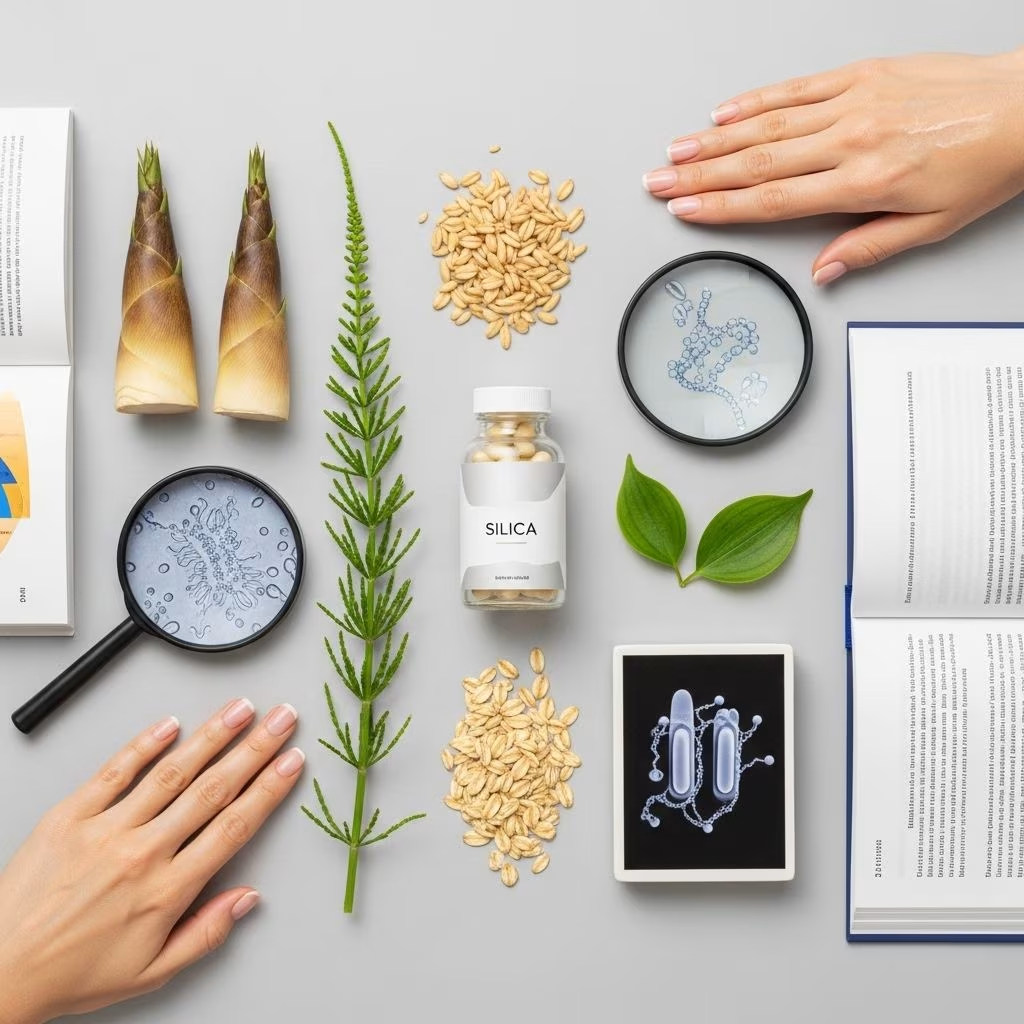
Silica supplements have emerged as a staple in the beauty and wellness industry, often touted for their ability to boost skin elasticity, promote nail strength, and enhance hair health. But how strong is the evidence supporting these claims, and are silica supplements truly effective or necessary for achieving vibrant skin and resilient nails? This comprehensive guide explores the science, benefits, potential risks, and practical considerations surrounding silica supplementation for skin and nail health.
What is Silica?
Silica, also known as silicon dioxide (SiO2), is a naturally occurring compound found abundantly in the Earth’s crust and in many plants. In the human body, silica is present in the form of silicon and plays a crucial, albeit often overlooked, role in the maintenance of connective tissues such as skin, nails, hair, bones, and cartilage.
Dietary sources of silica include whole grains, leafy greens, green beans, onions, cucumbers, and certain herbal plants like horsetail and bamboo. Due to food processing and soil depletion, modern diets may provide less silica than ancestral diets, leading some to consider supplementation.
How Silica Works in the Body
Silica primarily supports the structure and repair of connective tissues. Its main actions include:
- Stimulating collagen production
- Supporting keratin synthesis for hair and nails
- Participating in glycosaminoglycan synthesis, important for skin hydration and resilience
- Contributing to bone mineral density and cartilage strength
The element’s primary value is its ability to act as a catalyst in essential biochemical processes, especially those involved in tissue regeneration and strength.
Silica and Skin Health
Silica has gained the nickname of the “beauty mineral” owing to its role in maintaining skin structure and appearance. Its mechanisms and potential benefits for skin include:
Supporting Collagen Production
Collagen is the body’s most abundant protein, responsible for skin elasticity, firmness, and the reduction of fine lines and wrinkles. Silica stimulates the enzymes responsible for constructing and cross-linking collagen fibers, thus contributing directly to:
- Improved skin elasticity and resilience
- Firmer, more youthful skin
- Slower development of skin sagging and wrinkles
Improving Hydration and Texture
Silica is involved in the synthesis of glycosaminoglycans, such as hyaluronic acid, which help the skin retain moisture. This leads to:
- Better skin hydration
- Smoother skin texture
- Reduction in dullness and rough patches
- Potential decrease in the appearance of enlarged pores
Protection Against Environmental Damage
Through its role in collagen and hydrating molecule synthesis, silica may help reinforce skin’s natural barrier, making it more resistant to free radical and sun-induced damage.
Silica and Nail Strength
Nails are rich in silicon, and their health closely reflects systemic silicon status. Silica’s influence on nails includes:
- Strengthening nail matrix and structure
- Decreasing brittleness and preventing splitting
- Encouraging faster and healthier nail growth
- Enhancing resistance against nail infections by improving nail integrity
Deficiency in silica can manifest as soft, thin, brittle, or slow-growing nails.
Scientific Evidence on Silica Supplements
The efficacy of silica supplementation for skin and nail health has been investigated in several studies:
- Randomized, Double-Blind, Placebo-Controlled Trials: A notable study with 50 women (aged 40–65, with signs of photoaged skin) demonstrated that daily supplementation with 10 mg of choline-stabilized orthosilicic acid (ch-OSA) over 20 weeks led to significant improvements in skin microtopography and mechanical properties, alongside visible benefits for nails and hair. The treatment was well tolerated with no adverse effects.
- Synergistic Effects: Research combining biotin and Bambusa arundinacea-derived silica found synergistic benefits: increased skin hydration, improved elasticity, stronger nails, and shinier hair.
- Support in Clinical Practice: Many dermatologists recommend silica for fragile hair and nails when dietary intake is low, as a safe adjunct to topical and systemic treatments.
| Study Type | Form of Silica | Population | Dosage | Outcomes |
|---|---|---|---|---|
| Randomized Controlled Trial (RCT) | ch-OSA | 50 women (40-65 yrs) | 10 mg/day | Improved skin texture, elasticity, stronger nails, healthier hair |
| RCT | Bambusa-derived silica + Biotin | Mixed adults | Standardized dose | Increased skin hydration, nail strength, hair shine |
Despite these promising findings, some studies are limited by small sample sizes, short duration, or variable supplement formulations, warranting further research.
Sources of Silica
Dietary Sources
- Whole grains (brown rice, oats, barley)
- Leafy greens (spinach, kale, green beans)
- Cucumbers, onions, strawberries
- Herbal sources: horsetail, bamboo shoot
- Mineral water with naturally occurring silicon dioxide
Supplemental Sources
- Capsules and tablets (often derived from horsetail or bamboo extract)
- Liquid silica (orthosilicic acid drops)
- Powdered supplements for mixing into beverages
Dosage, Forms, and Absorption
Silica supplements come in several forms, the most common being:
- Choline-stabilized orthosilicic acid (ch-OSA): Demonstrated the best evidence for absorption and efficacy in human studies
- Bamboo or horsetail extract: Popular in natural health products, though absorption rates can vary
- Silicon dioxide (synthetic): Used as an anti-caking agent in foods; typically not absorbed as efficiently as ch-OSA
Typical dosing for adults ranges from 10 mg to 30 mg of elemental silicon daily, with some products recommending up to 500 mg of compound (depending on absorption rates and source). For optimal absorption, silica should be taken with water and, if possible, in conjunction with vitamin C-rich foods, as vitamin C supports collagen synthesis.
Potential Benefits of Silica Supplementation
- Boosts collagen production for firmer, more youthful skin
- Improves skin hydration and smooths rough textures
- Reduces the appearance of fine lines and wrinkles
- Strengthens nails, decreasing brittleness and boosting growth
- Enhances hair structure and shine
- Supports bone health by aiding mineralization
Improvements are typically noticed within one to two months of consistent supplementation, though individual results vary.
Safety and Risks of Silica Supplementation
Silica is considered safe when used at recommended dosages for healthy adults. Key safety considerations include:
- Safety in Clinical Trials: No significant adverse effects reported in short-term studies with healthy volunteers
- Excessive Intake: Very high doses (far above those used in beauty supplements) may increase the risk of kidney stones or affect kidney function, especially in people with existing kidney disease.
- Food vs. Supplement: Dietary silica is naturally regulated by the body, whereas supplementation should conform to product guidelines.
- Pregnancy and Children: Safety in these groups has not been thoroughly established—consult a healthcare provider before use.
- Drug Interactions: There are no well-documented interactions, but always discuss supplement use with a healthcare professional, especially if taking multiple medications.
The U.S. Food and Drug Administration (FDA) considers most silica-containing supplements as generally recognized as safe (GRAS) when used appropriately, but no long-term studies exist on very high-dose use.
Should You Take Silica Supplements?
Silica supplements may be beneficial for individuals who:
- Have brittle nails, hair, or early signs of skin aging and do not consume a silica-rich diet
- Follow plant-based or highly processed diets that are low in whole grains and green vegetables
- Desire an adjunct to other topical or systemic beauty treatments
However, if your diet already includes ample whole plant foods, and you have no symptoms suggestive of deficiency, additional supplementation may offer only incremental benefits. Most dermatologists agree that supplements should never replace diverse, nutrient-rich diets and good skincare practices. Always personalize supplement routines based on individual health status, goals, and advice from qualified health professionals.
Frequently Asked Questions (FAQs)
Q: How long does it take to see results from silica supplements?
A: Clinical studies and anecdotal reports suggest that improvements in nail strength and skin texture can be seen within one to two months of daily use.
Q: Are there any side effects of taking silica supplements?
A: At standard doses, silica is well tolerated. Excessive intake may cause digestive upset or, rarely, kidney issues—especially in people with kidney disease. Always follow dosage guidelines.
Q: Can silica be obtained from food?
A: Yes. Leafy greens, whole grains, green beans, cucumbers, and bamboo shoots are excellent dietary sources. Supplements are recommended only if dietary intake is inadequate.
Q: What is the best form of silica supplement?
A: Choline-stabilized orthosilicic acid (ch-OSA) has shown the best absorption and efficacy in clinical trials.
Q: Who should avoid silica supplements?
A: Individuals with kidney disease or those on restricted mineral diets should consult a healthcare provider before starting silica supplements. Pregnant or breastfeeding individuals should avoid use unless advised by a professional.
References
- ClearStem. “Top Silica Benefits for Skin Health”
- PMC. “Use of silicon for skin and hair care”
- Cureus. “Role of Biotin and Bamboo-derived Silica in Skin and Nail Health”
- EBSCO. “Silicon’s therapeutic uses”
- Healthline. “Silica For Hair: Benefits, Supplements, and More”
- DailyVita. “Silica in Supplements: Skin, Hair, and Bone Benefits”
- Holland & Barrett “What is Silica? Benefits, Dosage, Side-effects”
- PMC. “Silicon: A Review of Its Potential Role in the Prevention…”
- Nature. “Relative absorption of silicon from different formulations…”
References
- https://clearstem.com/blogs/skin-care-learning-center/silica-benefits-for-skin
- https://pmc.ncbi.nlm.nih.gov/articles/PMC4938278/
- https://www.cureus.com/articles/385055-the-role-of-sesbania-grandiflora-derived-biotin-and-bambusa-arundinacea-derived-silica-extracts-in-promoting-hair-skin-and-nail-health-a-randomized-double-blind-placebo-controlled-clinical-study.pdf?email=
- https://www.ebsco.com/research-starters/complementary-and-alternative-medicine/silicons-therapeutic-uses
- https://www.healthline.com/health/silica-for-hair
- https://dailyvita.com/blogs/news/silica-in-supplements-skin-hair-and-bone-benefits
- https://www.hollandandbarrett.com/the-health-hub/vitamins-and-supplements/supplements/what-is-silica/
- https://pmc.ncbi.nlm.nih.gov/articles/PMC3671293/
- https://www.nature.com/articles/s41598-021-95220-2


