


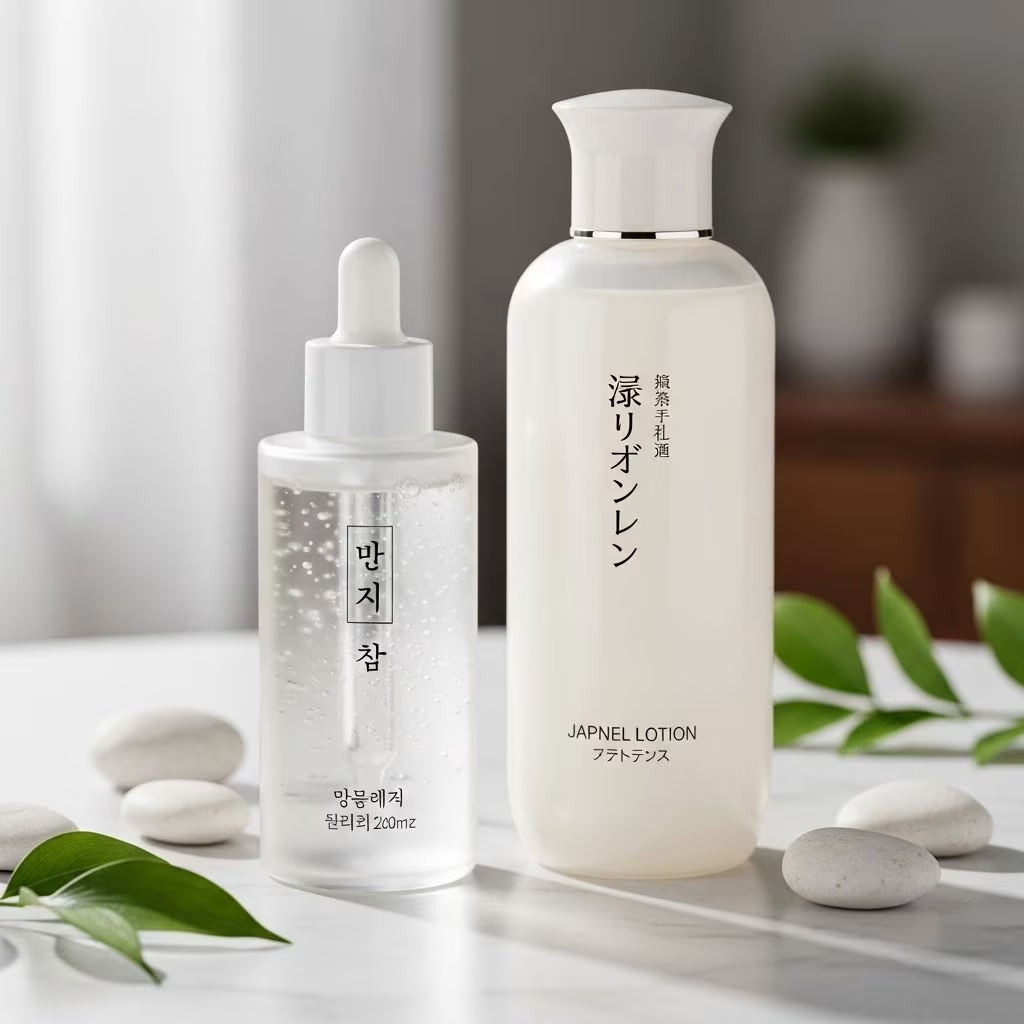
When it comes to skincare, the hydration step sets the foundation for healthy, resilient skin. Two powerhouse beauty cultures—K-beauty and J-beauty—each offer their own approach: the renowned Korean toner and the distinctive Japanese lotion. But what truly sets them apart, how do they fit into your routine, and which one should you use? This comprehensive guide unveils every detail to help you make an informed decision tailored to your skin’s unique needs.
Introduction to K-Beauty and J-Beauty Hydration
Both Korean and Japanese skincare routines prioritize gentle care and layered hydration, but their methods and philosophies diverge. K-beauty is famed for transformative, multi-step regimens designed to produce the “glass skin” effect: a luminous, dewy complexion. Japanese beauty (J-beauty), in contrast, is about simplicity and consistency, aiming for “mochi-hada”—skin that is soft, balanced, and bouncy like mochi rice cakes.
Hydration, the critical step after cleansing, is approached differently. In Korea, toners are the essential first layer of moisture prep. Japan, meanwhile, elevates the watery “lotion” to a starring role, using it to saturate and soften skin for optimal product absorption.
Understanding these approaches is key to picking the right hydration step for your routine.
What Is Korean Toner? What Is Japanese Lotion?
Korean Toner
A Korean toner is a lightweight, water-based liquid designed to rebalance the skin’s pH after cleansing, replenish hydration, and prepare the skin for serums and moisturizers. Modern K-beauty toners often contain soothing ingredients, humectants, and sometimes gentle exfoliants, distinguishing them from the sometimes astringent Western toners.
They set the stage for layering additional treatments, like essences and ampoules, central to the famed multi-step Korean skincare routine.
Japanese Lotion
In Japanese skincare, “lotion” is not a moisturizer as in Western parlance. Instead, it’s a watery essence applied after cleansing, packed with hydrating ingredients like hyaluronic acid and glycerin. Japanese lotion’s main purpose is to saturate the skin, enabling deeper absorption of subsequent products—serums and creams—while restoring moisture lost during cleansing.
This method is foundational in J-beauty routines, prized for maintaining the skin’s natural balance and resilience.
The Philosophy: Minimalism vs. Innovation
- Korean Skincare Philosophy: Innovative, multi-step routines. An emphasis on experimental ingredients and visible transformation, such as “glass skin.” Allows for personalization with layering products like toner, essence, serum, and more.
- Japanese Skincare Philosophy: Minimalist, methodical routines. A focus on gentle hydration, balanced skin barrier, and the traditional “mochi-hada” ideal. Fewer steps, carefully chosen ingredients, and consistency are emphasized.
Comparison Table: Korean Toner vs Japanese Lotion
| Feature | Korean Toner | Japanese Lotion |
|---|---|---|
| Main Purpose | pH balancing, hydration, prepping for layering | Intensive hydration, enhancing absorption, softening skin |
| Texture | Watery, sometimes slightly viscous | Watery, light, non-greasy |
| Ingredients | Humectants, soothing extracts, light exfoliants | Humectants (hyaluronic acid, glycerin), often fewer actives |
| Application Style | Layered with essence and serum, patting or cotton pad | Generously patted, sometimes multiple layers |
| Routine Integration | First step after cleansing, followed by other hydration layers | First hydration step after cleansing, followed by serum/emulsion |
| Results | Dewy, glassy, radiant finish | Soft, plump, balanced, mochi-like skin |
| Typical Routine Length | Multi-step (7–10 steps) | Minimal steps (3–5 steps) |
Role in Skincare Routines
Korean Skincare Routine
- Double cleansing: Oil-based and water-based cleansers
- Toner: Hydrating, rebalancing
- Essence (optional but common): Further hydration and prepping
- Serum/Ampoule: Targeted treatments
- Moisturizer: Seals in previous layers
- Sunscreen: Essential for daily use
Japanese Skincare Routine
- Double cleansing: Oil followed by gentle foaming cleanser
- Lotion: Hydration and prepping for absorption
- Emulsion/Serum: Light, balanced moisture
- Cream: Optional for drier skin
- Sunscreen: Staple protection for daily care
Key Ingredients and Their Benefits
Common Korean Toner Ingredients:
- Hyaluronic acid: Strong hydration
- Centella asiatica: Calms and repairs
- Green tea extract: Antioxidant and soothing
- Beta-glucan: Strengthens moisture barrier
- Light exfoliants: Gentle rejuvenation
Common Japanese Lotion Ingredients:
- Glycerin: Deep and lasting hydration
- Rice extract: Brightening and smoothing
- Ceramides: Protects and restores skin barrier
- Aloe vera: Soothing and calming
- Less focus on actives, more on hydration
How to Choose: Factors for Selection
- Skin Goals: If you seek a radiant, dewy finish (“glass skin”), Korean toner may suit you. For soft, balanced, baby-like skin (“mochi skin”), Japanese lotion could be ideal.
- Routine Preference: Enjoy lengthy, layered routines? K-beauty’s toner fits. For efficient, minimal care, J-beauty’s lotion is more compatible.
- Ingredients Sensitivity: Korean toners offer a wider variety, including fermented ingredients and light exfoliants—excellent for targeting specific issues but potentially reactive for sensitive skin.
- Climate: Humid climates may favor Korean layering; dry, seasonal changes respond well to Japanese lotion’s simplicity and strong barrier support.
- Budget and Time: Korean routines may involve many products; Japanese routines require fewer, streamlined steps.
Best for Your Skin Type and Concerns
| Skin Type | Korean Toner | Japanese Lotion |
|---|---|---|
| Dry Skin | Multiple hydrating layers; humectant-rich toners are ideal | Perfect for intensive yet light hydration, can be layered |
| Oily/Combination | Helps rebalance pH, refining, controls oil with gentle exfoliants | Moisturizes without heaviness, supports barrier without grease |
| Sensitive | Choose fragrance-free, soothing formulas, avoid exfoliating actives | Minimal ingredients, gentle hydration, low irritation |
| Aging/Mature | Antioxidants, niacinamide, fermented ingredients for radiance | Hydrating, barrier-repairing ceramides for plump skin |
Application Methods and Tips
- Korean Toner: Pat onto skin using clean hands or a cotton pad. For extra hydration, apply two to three light layers (“the 7-skin method”).
- Japanese Lotion: Pour into hands and gently pat or press onto skin until fully absorbed. For deeper hydration, layer lotion up to three times. Sensitive skin? Use fewer layers.
- Universal Tips: Always follow with your preferred serum/emulsion and seal with a moisturizer. Avoid harsh rubbing to protect skin barrier.
Frequently Asked Questions (FAQs)
Q: Can I use both Korean toner and Japanese lotion in my routine?
A: Yes, you can, but it is best to avoid overlapping products to prevent dilution of benefits. If experimenting, apply the lighter product first and monitor your skin’s response.
Q: Are Japanese lotions suitable for very dry skin?
A: Absolutely. Their high humectant content and layering potential make them excellent for dry skin, especially when followed by richer moisturizers.
Q: Do Korean toners exfoliate the skin?
A: Some K-beauty toners include gentle exfoliants (like polyhydroxy acids or beta hydroxy acids), but many focus solely on hydration. Always check the label for exfoliating ingredients if you have sensitive skin.
Q: Is one product categorically better than the other?
A: No. Both serve to hydrate and prep the skin, but their textures, ingredients, and philosophies differ. The best choice depends on your skin type, desired results, and routine preferences.
Q: How soon will I see results?
A: Consistent use is key. Expect improved hydration within days and stronger barrier health over weeks. Immediate glow with Korean toner and progressive softness with Japanese lotion are common.
Summary: Making the Right Choice
Ultimately, both Korean toner and Japanese lotion offer exceptional hydration and skin prep, setting the stage for a radiant complexion.
Choose Korean toner if you embrace innovation, enjoy multiple layers for ultimate glow, or want to customize your routine for specific concerns. Opt for Japanese lotion if you favor minimal simplicity, gentle hydration, and a soft, balanced skin feel.
No matter your choice, remember that consistency—and sunscreen—are the true keys to lifelong skin health.
References
- https://buymejapan.com/blogs/japanese-skincare-and-beauty/korean-vs-japanese-skincare-unveiling-top-differences
- https://www.teamiblends.com/blogs/lifestyle/japanese-korean-skincare-differences
- https://www.eyurs.com/blogs/beauty/japanese-vs-korean-skincare-what-s-the-difference
- https://mystiqare.com/blogs/articles/japanese-vs-korean-skincare-key-differences-and-what-they-mean-for-your-skin
- https://kokorojapanstore.com/blogs/blogs/japanese-vs-korean-skincare-whats-the-difference
- https://japanesetaste.com/blogs/japanese-taste-blog/japanese-vs-korean-skincare-what-s-the-difference
- https://www.youtube.com/watch?v=WWluJo959ms
- https://www.youtube.com/watch?v=8swBNoZNI64
- https://sokoglam.com/blogs/theklog/korean-skin-care-vs-japanese-skin-care


