


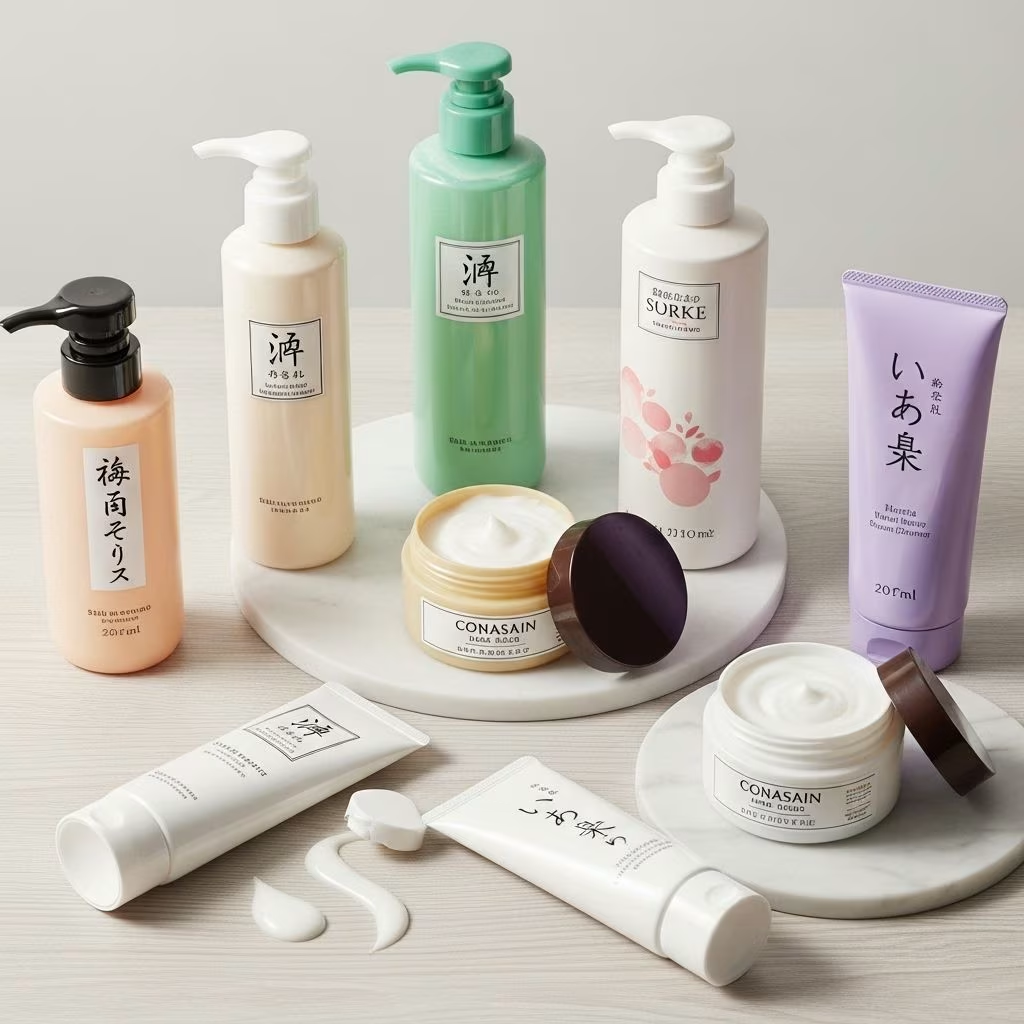
Best J-Beauty Haircare Brands in the West: Tradition, Innovation, and Science
Japanese beauty—often referred to as J-Beauty—is renowned for its fusion of time-honored rituals and state-of-the-art technologies. In recent years, J-Beauty haircare brands have emerged from the background and are rapidly gaining recognition in Western markets, prized for their gentle formulas, minimalist routines, and measurable results.
This article guides you through the leading Japanese haircare brands making an impact in the West, explores what sets them apart, and examines why their approach resonates with Western consumers.
Why J-Beauty Haircare Is Different
J-Beauty philosophy stands out for its focus on simplicity, gentle science-backed ingredients, and a holistic approach to wellness. Unlike routines in other markets that emphasize layering multiple hair products, Japanese brands often prescribe minimalist regimens—fewer, more potent steps. This is rooted in the belief that the healthiest hair comes not just from treating problems, but from nurturing hair and scalp daily.
- Simplicity: Streamlined routines, focusing on essentials such as cleansing, conditioning, and sun protection.
- Science & Tradition: Harnessing traditional ingredients (e.g., rice water, camellia oil) and blending them with modern technology.
- Focus on Prevention: Emphasizing preventive care—hydration, anti-aging, sun protection—to preserve scalp and hair health.
- Nourishing, Not Over-Treating: Feeding hair with nutritious ingredients over quick-fix treatments.
The Arrival of J-Beauty Brands in the West
While Korean beauty (K-Beauty) entered Western consciousness with viral products and trend-driven innovations, J-Beauty has played the long game.
Japanese heritage brands like Shiseido and Kao have supplied Western consumers for decades, yet often without obvious Japanese branding. Today, Western markets—from the US to Europe—are embracing J-Beauty’s unique approach, drawn to its reputation for efficacy and clean formulations.
- Historically, Japanese products quietly built trust in the West, sometimes without being recognized as Japanese.
- Digital retail platforms and specialty stores have made genuine J-Beauty products widely accessible to Western shoppers.
- Social media and influencer campaigns (especially with Millennials and Gen Z) have helped fuel recent surges in popularity for Japanese haircare brands.
- Sustainability initiatives—biodegradable packaging and refillable solutions—appeal strongly to Western shoppers.
Signature Ingredients and Formulas
The hallmark of J-Beauty haircare is the careful selection of gentle, effective raw ingredients drawn from Japan’s natural bounty and supported by modern science. Key ingredients spotlighted in Japanese formulas include:
| Ingredient | Benefits | Brands Using It |
|---|---|---|
| Rice Water | Strengthens, hydrates, improves shine | Shiseido, Tatcha, Yuzu Beauty |
| Camellia Oil | Moisturizes, smoothes, fortifies strands | Oshima Tsubaki, Shiseido, Ichikami |
| Hyaluronic Acid | Plumps, locks in moisture, scalp hydration | Kao, Kose, POLA Orbis |
| Sake Extract | Nourishes scalp, boosts elasticity | FANCL, Saborino |
| Algae & Seaweed | Mineral-rich, promotes healthy scalp | Kose, Kao |
These ingredients are combined in formulas designed to be free of harsh chemicals, often preservative- and additive-free, promoting long-term scalp and hair health.
Top J-Beauty Haircare Brands in the West
Below are the most influential Japanese brands shaping the Western haircare landscape, each bringing unique philosophies, heritage, and innovative products.
Shiseido
Shiseido is arguably the most recognizable J-Beauty brand globally, offering decades of expertise in gentle, scientifically-formulated hair and scalp care. Shiseido’s lines are known for luxurious textures, subtle fragrances, and a blend of traditional Japanese ingredients (e.g., rice protein) with modern advances like hyaluronic acid. They cater to both salon professionals and consumers.
- Notable products: Shiseido Sublimic Wonder Shield, Shiseido Fino Premium Touch Hair Mask.
- Available at specialty beauty retailers and select salons in the USA and Europe.
Kao Corporation
Kao is a powerhouse in Japanese beauty, home to best-selling haircare brands such as Asience, Merit, and Essential. Kao’s lines focus on both premium and everyday haircare, with formulas that highlight sustainability, biodegradable packaging, and clean ingredient profiles.
- Known for hair smoothing treatments, scalp care, and easy-to-use products for busy lifestyles.
- Emphasizes environmental stewardship alongside effective haircare.
POLA Orbis Holdings
POLA Orbis targets the luxury segment with anti-aging ingredients and sophisticated formulas. Their haircare products reflect the ethos of holistic wellness—feeding hair and scalp to combat age-related issues such as thinning, dryness, and loss of shine.
- POLA’s hair masks and shampoos are rich in antioxidants and botanical extracts.
- Coveted by Western consumers looking for premium haircare solutions.
FANCL Corporation
FANCL stands out with its dedication to clean beauty, delivering preservative-free and additive-free haircare solutions. Their minimalist philosophy aligns perfectly with Western trends toward ingredient transparency and skinimalism.
- FANCL’s haircare is gentle even for sensitive scalps, focusing on restorative hydration and scalp wellness.
- Free-from formulas appeal to eco-conscious and health-driven consumers.
KOSÉ Corporation
KOSÉ blends cutting-edge skincare technology with traditional Japanese ingredients in its haircare lines. Their dual expertise in skincare and haircare means their products often deliver visible scalp and strand benefits, especially for anti-aging.
- Popular for conditioners and scalp treatments developed for both Asian and Western hair types.
Ichikami (Kao sub-brand)
Ichikami features botanical-rich formulas based on traditional Japanese herbal medicine (Kampo). The range emphasizes repair, scalp health, and prevention of damage, using ingredients like rice bran and camellia oil.
- Available globally via e-commerce; celebrated for gentle, restorative care.
Oshima Tsubaki
Oshima Tsubaki is famous for its pure camellia oil—a staple in Japanese hair rituals for centuries. Used both as a hair oil and scalp treatment, it’s ideal for smoothing frizz and fortifying hair against breakage.
- The single-ingredient formula delivers concentrated nourishment and shine.
Other Notable Brands
- Saborino: Quick masks and scalp treatments—ideal for busy routines.
- Tatcha: While best known for skincare, offers limited-edition hair treatments with rice and silk.
- SENSAI Cosmetics Inc.: Luxury hair care crafted from silk and rare botanicals.
Why Western Consumers Love J-Beauty Haircare
- Simplicity: Streamlined routines are accessible for busy lifestyles.
- Long-term results: The focus on gentle ingredients and preventive wellness delivers benefits over time, not just temporary fixes.
- Ingredient transparency: Western shoppers are increasingly wary of harsh chemicals, making J-Beauty’s clean formulations attractive.
- Eco-friendly packaging: The shift toward recyclable, refillable, and biodegradable packaging aligns with growing sustainability concerns.
- Influencer momentum: Social media campaigns have spurred curiosity about Japanese haircare philosophies.
How Western Markets Have Evolved for J-Beauty
The Western haircare market—particularly in the US, Canada, and major European countries—has seen robust growth for J-Beauty brands, thanks largely to e-commerce and specialty stores enhancing accessibility. In 2024, the haircare segment of J-Beauty in the US was valued at USD 9.4 billion, with steady growth projected.
| Region | Market Size (2024, USD Billion) | Growth Rate (%) |
|---|---|---|
| United States | 9.4 | 4.0 |
| Europe | ~6.7 | 3.6 |
| Japan | 12.3 | 5.15 |
| China | 8.2 | 5.8 |
- DTC (direct-to-consumer) brands and digital-first strategies have boosted the visibility of Japanese haircare in the West.
- Product categories include both organic and conventional offerings, catering to a broad range of consumer values.
- Western beauty standards are increasingly embracing Japan’s holistic, prevention-first approach to hair and scalp health.
Future Trends: What’s Next for J-Beauty Haircare
- Sustainability: Expect growth in refillable, biodegradable packaging and clean, natural formulas as both Japanese brands and Western consumers push for eco-friendly choices.
- Ingredient innovation: Continued research into gentle, effective ingredients—potentially more focus on scalp microbiome health.
- Personalized routines: Brands may introduce diagnostic tools and tailored solutions for individual hair types and concerns.
- Digital-first launches: Expansion of virtual consultations and influencer-led campaigns to educate consumers about Japanese haircare rituals.
- Inclusivity: Product lines will broaden to suit Western hair textures and multicultural requirements.
Frequently Asked Questions (FAQs)
Q: What makes J-Beauty haircare different from K-Beauty haircare?
K-Beauty trends focus on multi-step routines and fast innovation, while J-Beauty haircare prizes simplicity, tradition, and gentle science-backed ingredients. J-Beauty routines typically use fewer products with longer-term benefits.
Q: Are these Japanese haircare products suitable for all hair types?
Yes, most leading brands have adapted their formulas for Western audiences, offering products for straight, wavy, curly, fine, and thick hair. Many brands, such as Shiseido and Kao, have lines specifically designed for multiple hair textures.
Q: Is J-Beauty haircare more expensive than Western brands?
Pricing varies: luxury Japanese lines can be premium, but many brands offer affordable options. The focus tends to be on quality and long-term value rather than short-term results.
Q: Where can I buy authentic J-Beauty haircare products in the West?
Authentic products are widely sold through specialty beauty retailers like Sephora, select department stores, e-commerce platforms, and directly from brand websites.
Q: What results should I expect from using J-Beauty haircare?
Expect improved scalp health, enhanced shine and softness, reduced hair breakage, and better long-term resilience against environmental stressors.
Conclusion
As Western consumers seek gentle, effective haircare solutions that deliver long-term wellness, J-Beauty brands stand out for their meticulous approach, clean formulas, and minimalist rituals. From trusted names like Shiseido and Kao to innovative, preservative-free lines from FANCL, the Japanese philosophy of feeding—not over-treating—hair is reshaping beauty cabinets across the West. The future points to continued growth, sustainability, ingredient transparency, and new digital-first experiences that will keep J-Beauty haircare at the forefront of global trends.
References
- https://www.futuremarketinsights.com/reports/j-beauty-product-market
- https://www.marketsandata.com/industry-reports/japan-skin-care-market
- https://www.researchandmarkets.com/report/j-beauty-products
- https://cosmeticsbusiness.com/k-beauty-vs-j-beauty-western-markets
- https://www.sphericalinsights.com/our-insights/j-beauty-products-market
- https://shikobeauty.com/pages/japanese-beauty-industry-statistics
- https://www.statista.com/outlook/cmo/beauty-personal-care/personal-care/hair-care/japan


