


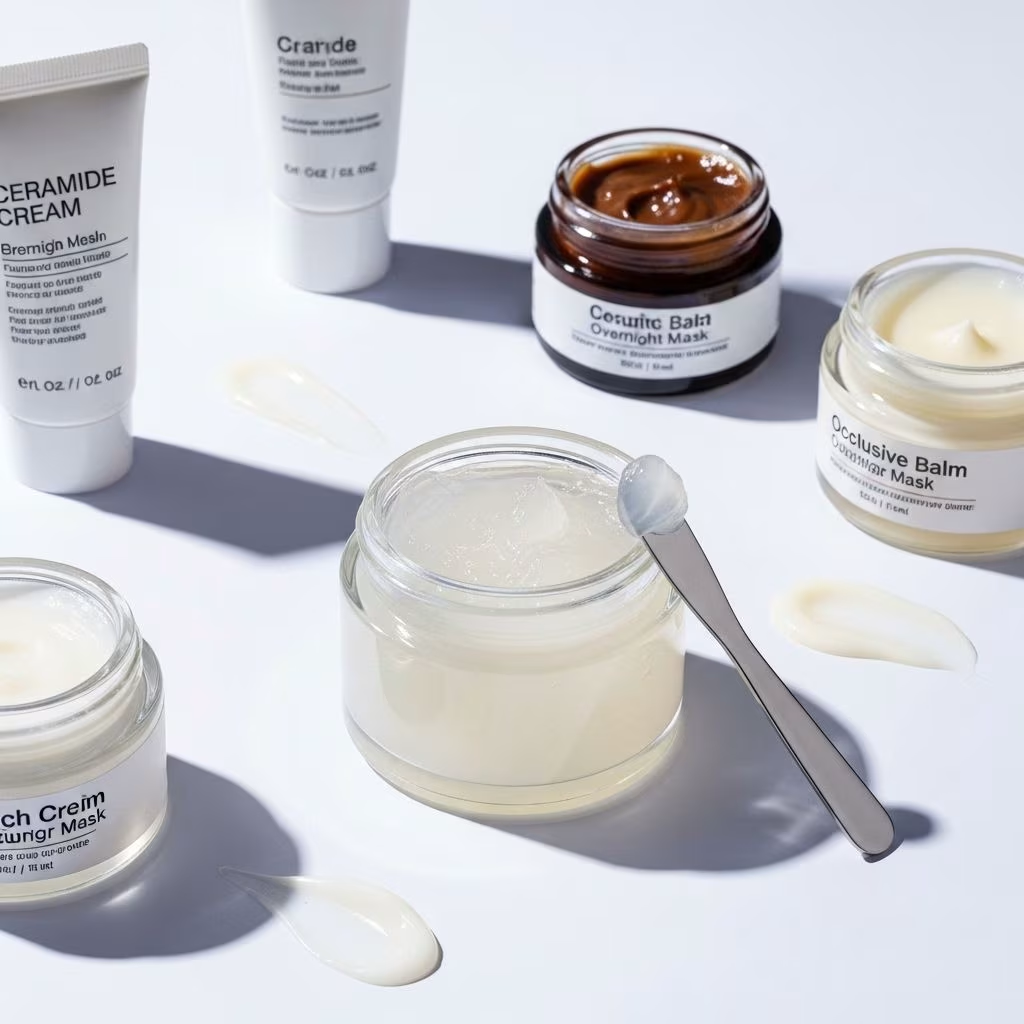
In the ever-evolving landscape of skincare, K-Beauty slugging has emerged as a viral sensation, promising dewy, resilient skin through a simple yet powerful technique. Rooted in Korean beauty wisdom, slugging focuses on maximizing moisture retention overnight. This article delves into the origins, method, benefits, risks, ideal candidates, and essential product recommendations for anyone interested in this transformative skincare ritual.
What is K-Beauty Slugging?
Slugging is a skincare technique that involves applying a thick layer of an occlusive agent (most commonly petroleum jelly) as the final step of your nighttime routine. The name references the shiny, slug-like appearance the skin takes on after application . By creating a protective barrier, slugging locks in moisture and prevents transepidermal water loss (TEWL), supporting intensive overnight hydration and skin barrier repair .
Key Characteristics of Slugging:
- Uses occlusive products (e.g., petroleum jelly, petrolatum-based ointments)
- Applied as the last step of your evening routine
- Leaves skin with a noticeable sheen or oily layer
- Main goal: lock in hydration and amplify barrier repair
Origin and Rise of the Slugging Trend
Slugging originated in Korean beauty (K-Beauty) culture and spread globally thanks to online beauty communities and viral TikTok trends . Korean skincare’s holistic approach emphasizes skin barrier health and hydration, making slugging a natural addition to multi-step routines.
While initially popular in Korea for reviving compromised skin barriers during dry seasons, slugging’s newfound celebrity on platforms like TikTok and Instagram has propelled it into mainstream skincare discussions worldwide. Dermatologists and skincare professionals are now weighing in on its science and safety.
How Does Slugging Work?
Occlusive agents form a semi-permeable barrier over the skin. This prevents water and beneficial ingredients from escaping, allowing the skin to repair itself more efficiently overnight. Here’s what happens during slugging:
- Reduces TEWL (Transepidermal Water Loss): By blocking evaporation, moisture stays within the skin layers.
- Supports skin barrier repair: The skin shifts from defense to repair mode, allowing self-healing processes to dominate .
- Amplifies efficacy of previous skincare steps: Active serums and humectants applied beneath the occlusive layer may deliver enhanced results .
- Protects against environmental irritants: The barrier keeps pollutants, allergens, and irritants away while you sleep.
Step-by-Step Guide: How to Slug
Follow these carefully curated steps for optimal slugging results:
- Start with a gentle cleanse: Thoroughly wash your face to remove makeup, SPF, dirt, and impurities. (Important: Skipping this can trap debris and bacteria under the barrier.)
- Apply hydrating skincare: Layer hydrating toners, serums, or lightweight moisturizers as per your routine. Focus on humectants like hyaluronic acid or glycerin.
- Seal with an occlusive: Take a pea- to dime-sized amount of petroleum jelly or a suitable occlusive product; gently spread it over your face as the final step.
- Duration: Leave the occlusive layer on overnight. Rinse off during your morning skincare routine.
Pro Tips for Beginners:
- Perform slugging 2–3 nights a week initially to gauge skin response.
- Focus on dry areas if your skin is combination or oily.
- Change pillowcases regularly to prevent residue buildup.
Key Benefits of Slugging
When done correctly and on the right skin types, slugging delivers a stunning array of benefits:
- Intense Hydration: Seals in water for soft, plump, dewy skin by dramatically reducing overnight moisture loss .
- Enhanced Barrier Repair: Gives damaged or compromised skin a chance to heal by providing a safe, nurturing environment .
- Soothes Dryness and Irritation: Reduces redness, flaking, and dryness, ideal for those with atopic dermatitis or eczema .
- Improves Skin Texture: Over time, skin may appear smoother and more even, diminishing the look of fine lines and rough patches .
- Maximizes Product Absorption: Active ingredients (like peptides, ceramides, humectants) applied beneath the occlusive are absorbed more effectively .
- Temporary Glow: Waking up to bright, radiant, “glass” skin is a commonly reported benefit .
Scientific Insight:
Occlusives like petroleum jelly are proven to reduce TEWL by over 90%, far outperforming many other barrier creams .
Potential Risks and Precautions
Slugging is generally safe for many, but it does present several risks and drawbacks, especially for certain skin types:
- Increased Breakouts: Those with acne-prone skin may experience breakouts, as trapped sebum or impurities can exacerbate clogged pores—even if the occlusive itself is non-comedogenic .
- Occluding Irritants: If the skin isn’t properly cleansed, or if irritating products (strong actives, fragrances) are trapped underneath, this can worsen irritation, redness, or even cause contact dermatitis .
- Temporary Greasy Sensation: The sticky texture may feel uncomfortable and may transfer onto pillows and clothing .
- Risk of Milia: Prolonged, improper use can result in tiny white bumps (milia), particularly around the eyes.
Who Should Avoid Slugging?
- Those with active acne, very oily, or congested skin
- People allergic or sensitive to petroleum-based products
- Anyone using topical prescriptions or potent actives (retinoids, exfoliating acids): these can be intensified under an occlusive, risking irritation or chemical burns .
Best Practices:
- Always start with clean skin.
- Test slugging on a small area (patch test) before applying to the whole face.
- Discontinue use if irritation, breakouts, or discomfort develop.
Who Should (and Should Not) Try Slugging?
| Skin Type/Condition | Recommended? | Notes |
|---|---|---|
| Very dry/dehydrated | Yes | Greatest benefit; restores Barrier |
| Normal to dry | Yes (esp. in winter) | Use less frequently or in targeted areas |
| Sensitive/eczema-prone | Yes, with caution | Choose fragrance-free, medical-grade occlusives |
| Oily/acne-prone | Rarely | Risk of breakouts; patch test first |
| Active breakouts | No | May worsen skin congestion |
Choosing the Best Products for Slugging
While classic petroleum jelly (e.g., Vaseline) reigns as the most popular go-to, the K-Beauty market offers various occlusive options designed for different skin needs:
- 100% Pure Petrolatum Products: Vaseline, Aquaphor (contains panthenol and glycerin for added benefits)
- Ceramide-Enriched Balms: CeraVe Healing Ointment, Avene Cicalfate+ Balm – provide lipid repair with additional barrier support
- Plant-Based Occlusives: Squalane balms, shea butter-based balms for those wishing to avoid mineral oil
- Fragrance-Free Ointments: Ideal for sensitive or eczema-prone skin
Popular K-Beauty Products for Slugging:
- Dr. Jart+ Cicapair Tiger Grass Camo Cream (soothes and protects sensitive skin)
- Etude House Soon Jung 5-Panthensoside Cica Balm (lightweight, barrier-strengthening)
- Laniege Cica Sleeping Mask (targeted for overnight barrier support)
- IUNIK Centella Calming Gel Cream (calms and hydrates; best for combination skin)
Tip: Always prioritize balms and ointments without strong fragrances or essential oils for barrier-focused slugging.
Frequently Asked Questions (FAQs)
Q: Can I slug every night?
A: Most skin types benefit from slugging two to three times per week. Daily slugging may be excessive unless you have consistently dry or compromised skin. Adjust frequency based on your skin’s reaction .
Q: Can I combine slugging with retinoids or exfoliating acids?
A: Avoid using strong actives immediately before slugging, as occlusion can intensify both their effects and risks of irritation. Use actives on alternate nights or wait until your skin adapts .
Q: Will slugging clog my pores?
A: Pure petroleum jelly is non-comedogenic, but if your skin is acne-prone, it may trap sebum and irritants, risking breakouts. For acne-prone skin, spot-test or use only on dry, non-oily areas .
Q: Is there a vegan alternative to petroleum jelly?
A: Yes! Look for squalane-based balms or products using hydrogenated plant oils. These offer occlusion with fewer environmental or ethical concerns.
Q: Can I slug other parts of my body?
A: Absolutely. Slugging works well for extremely dry hands, elbows, and feet, especially in cold or low-humidity conditions.
Final Thoughts
K-Beauty slugging offers a simple yet transformative solution for anyone battling dryness, dehydration, or a weakened skin barrier. While the method unlocks the glow and suppleness associated with iconic Korean glass skin, thoughtful product selection and attention to individual skin needs remain crucial. Slug responsibly, patch test, and enjoy the benefits of deeply hydrated, resilient skin—one slug-like sheen at a time.
References
- https://nayaglow.com/blogs/news/slugging-tiktok-beauty-trend
- https://www.clinikally.com/blogs/news/slugging-skin-benefits-and-side-effects
- https://us.typology.com/library/beauty-trend-what-is-slugging
- https://www.orogoldcosmetics.com/the-truth-about-slugging/
- https://www.tatcha.com/blog/skincare-slugging.html
- https://www.cerave.com/skin-smarts/skincare-tips-advice/what-is-slugging
- https://www.marieclaire.com/beauty/slugging-skincare/
- https://skinpharm.com/blogs/blog/slugging
- https://www.mdlinx.com/article/what-is-slugging-and-is-it-safe-for-the-skin/2hYQZlsLjidYFju2tusV8x
- https://www.accio.com/business/slugging_skin_trend


