


Introduction
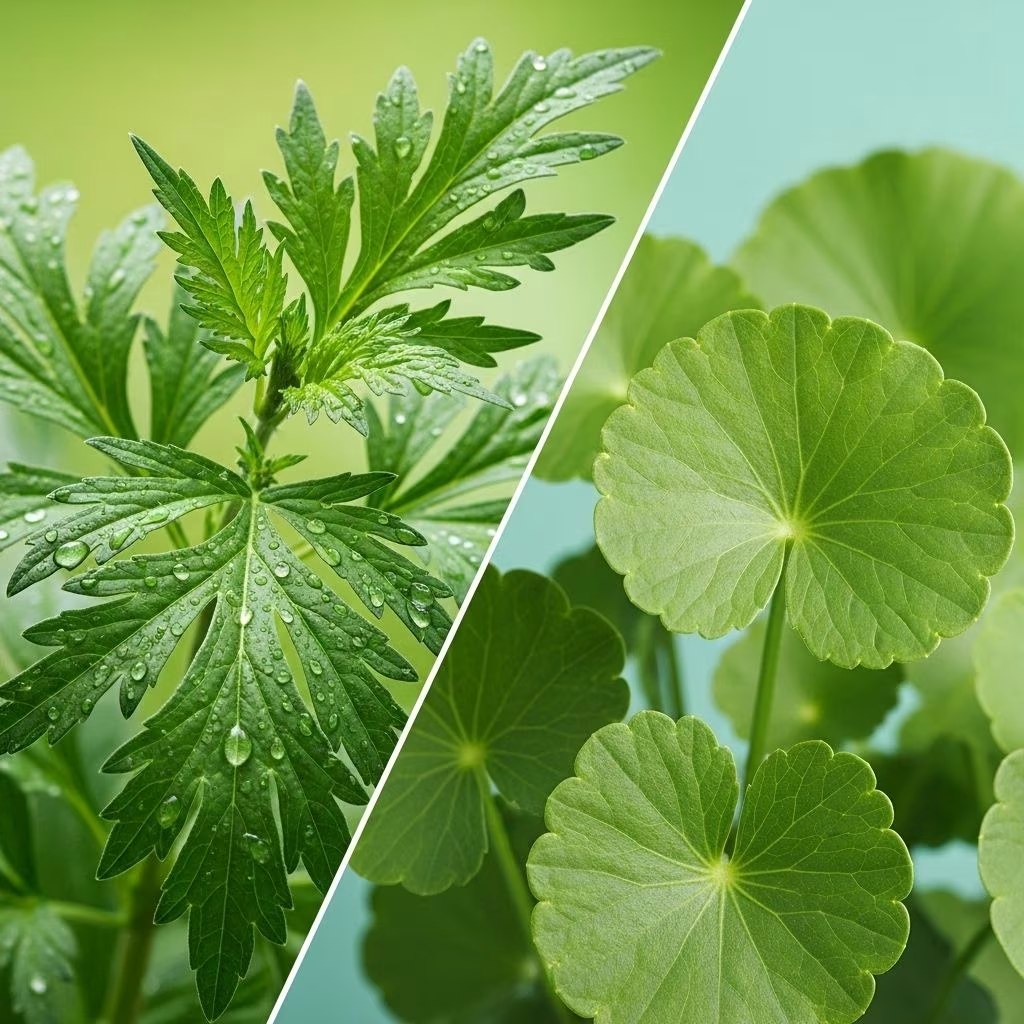
Korean beauty, or K-beauty, has long been celebrated for its innovative ingredients and multi-step routines. Among the most acclaimed botanical ingredients in recent years are mugwort (Artemisia) and cica (centella asiatica). Both have roots in traditional Asian medicine but have found new life in modern skincare, particularly for sensitive, irritated, and acne-prone skin. This article provides a comprehensive guide to mugwort and cica in K-beauty, exploring their origins, benefits, scientific evidence, and practical usage guidelines.
What Is Mugwort?
Mugwort, scientifically known as Artemisia vulgaris or Artemisia princeps, is a herbaceous plant native to Europe, Asia, and North America. It is characterized by its yellow or reddish-brown flowers and a strong, aromatic scent. In traditional Korean culture, mugwort has been used for centuries in medicinal tonics, teas, soups, and even bath soaks due to its reputed healing properties. In modern K-beauty, mugwort is most commonly found as an extract in serums, essences, masks, and creams.
History and Cultural Significance in K-Beauty
Mugwort’s use in Korean culture spans culinary, medicinal, and beauty realms. Known as ssuk in Korean, it has been a staple in folk medicine for treating a variety of ailments, including digestive issues, menstrual cramps, and skin irritations. In skincare, mugwort’s calming and therapeutic effects have been harnessed to address modern concerns like redness, inflammation, and environmental stress. Its gentle yet potent profile makes it particularly suitable for sensitive skin, a hallmark of K-beauty’s approach to skincare.
Mugwort Skin Benefits in K-Beauty
Mugwort is celebrated for its multifaceted benefits, making it a standout ingredient in sensitive skin care routines.
- Anti-Inflammatory: Mugwort extract is rich in antioxidants and has been shown in cell-based and clinical studies to reduce inflammation, making it effective for soothing conditions like eczema, psoriasis, and acne.
- Antibacterial & Antifungal: Its natural properties help prevent rashes, itching, and skin irritation, protecting the skin from bacterial and fungal infections.
- Calms & Soothes: Mugwort is especially beneficial for those with red, angry, or reactive skin, offering relief from discomfort and visible redness.
- Moisture Retention: High in vitamin E, mugwort helps retain skin moisture and prevent water loss, promoting hydration and a healthy glow.
- Antioxidant Protection: Packed with vitamins C and E, mugwort defends against free radicals, pollution, and UV damage, helping to prevent premature aging.
- Collagen Stimulation: Some research suggests mugwort may stimulate collagen production, leading to plumper skin with reduced fine lines.
- Wound Healing: Fermented mugwort extracts have shown potential in promoting cell regeneration and wound healing, which could benefit aging or damaged skin.
What Is Cica?
Cica, short for Centella asiatica (also known as gotu kola or tiger grass), is a small, perennial herb native to Asia, Australia, and South Africa. It has been used in traditional medicine for centuries, especially in Ayurvedic and Chinese practices, where it is prized for its healing and calming effects.
History and Cultural Significance of Cica
Centella asiatica has a long history in Asian folk medicine, where it was used to treat wounds, burns, and skin disorders. Its nickname, “tiger grass,” comes from the legend that tigers would roll in the plant to heal their wounds. In K-beauty, cica has become a keystone ingredient in products targeting sensitive, irritated, and damaged skin, thanks to its proven therapeutic effects.
Cica Skin Benefits in K-Beauty
Cica is renowned for its soothing, healing, and protective qualities:
- Wound Healing & Skin Repair: Cica contains triterpenoids that accelerate the healing of minor cuts, burns, and scars.
- Anti-Inflammatory: It reduces redness and irritation, making it ideal for reactive and sensitive skin types.
- Strengthens Skin Barrier: Cica helps reinforce the skin’s natural barrier, improving resilience against environmental stressors.
- Hydration: It boosts moisture levels, keeping skin supple and dewy.
- Antioxidant Protection: Cica fights free radicals, helping to prevent premature aging.
- Calming Effect: Its soothing properties make it effective for post-procedure care and everyday calming.
Mugwort vs. Cica: A Comparative Table
| Feature | Mugwort | Cica |
|---|---|---|
| Scientific Name | Artemisia vulgaris/Artemisia princeps | Centella asiatica |
| Key Benefits | Anti-inflammatory, calming, antibacterial, antioxidant, collagen stimulation | Wound healing, skin repair, anti-inflammatory, barrier strengthening |
| Best For | Sensitive, irritated, acne-prone, dehydrated skin | Sensitive, damaged, dry, post-procedure skin |
| Vitamins | High in E and C | Rich in amino acids, fatty acids |
| Cultural Roots | Korean, East Asian traditional medicine | Ayurvedic, Chinese, and Korean traditional medicine |
| Common Forms | Extract, essence, mask, cream | Cream, gel, ampoule, sheet mask |
How to Use Mugwort and Cica in Your Skincare Routine
Both mugwort and cica can be integrated into various steps of a K-beauty skincare routine for maximum benefit.
Mugwort Usage Tips
- Apply mugwort essence or toner after cleansing to calm and prep the skin.
- Use a mugwort sheet mask or sleeping mask for an intensive treatment, especially after sun exposure or irritation.
- Layer mugwort serum under moisturizer for added hydration and protection.
- Combine with other calming ingredients like snail mucin or hyaluronic acid for synergistic effects.
Cica Usage Tips
- Apply cica gel or cream as a spot treatment on irritated or damaged areas.
- Use cica ampoule after toner for concentrated healing and barrier repair.
- Layer cica sheet masks for a soothing, hydrating treatment.
- Incorporate cica-infused sunscreen for daily protection and calming benefits.
Combined Routine Example
- Cleanse with a gentle, pH-balanced cleanser.
- Apply mugwort essence or toner.
- Follow with a cica ampoule or serum.
- Layer a hydrating mugwort or cica gel cream.
- Finish with a cica-based sunscreen during the day.
Scientific Evidence and Effectiveness
While both mugwort and cica have a long history of traditional use, recent scientific studies support many of their purported benefits:
- Mugwort: Research has demonstrated its anti-inflammatory and antioxidant properties, with some evidence for wound healing and collagen stimulation, though more clinical studies are needed.
- Cica: Numerous studies confirm cica’s ability to accelerate wound healing, reduce inflammation, and strengthen the skin barrier, making it one of the most evidence-backed botanicals in skincare.
Dermatologists note that while both ingredients are effective for soothing and calming the skin, cica currently has more robust scientific backing, while mugwort is gaining traction with promising preliminary results.
Top K-Beauty Products Featuring Mugwort and Cica
Korean skincare brands have embraced mugwort and cica in a variety of formulations. Here are some standout products:
Mugwort Products
- I’m From Mugwort Essence: A watery essence formulated with 100% mugwort extract grown in Korea, designed to soothe and recharge moisture.
- Round Lab Mugwort Cream: A calming moisturizer packed with mugwort extract and other soothing botanicals.
- Missha Artemisia Essence: A cult favorite for calming redness and irritation.
Cica Products
- Dr. Jart+ Cicapair Cream: A rich cream with centella asiatica to repair and calm sensitive skin.
- La Roche-Posay Cicaplast Baume B5: A global favorite for barrier repair and soothing irritation.
- Purito Centella Unscented Serum: A lightweight, fragrance-free serum with high concentrations of cica extract.
Frequently Asked Questions (FAQs)
Q: Can mugwort and cica be used together?
A: Yes, mugwort and cica can be layered in your routine for enhanced calming and healing effects. Both are suitable for sensitive skin and can address irritation, redness, and dehydration.
Q: Are mugwort and cica suitable for all skin types?
A: Both ingredients are especially beneficial for sensitive, irritated, or acne-prone skin, but they can be used by all skin types seeking hydration and antioxidant protection.
Q: How often should I use products with mugwort or cica?
A: Mugwort and cica products can be used daily, either morning or night, depending on your skin’s needs. For intensive care, use sheet masks or ampoules 2–3 times a week.
Q: Are there any side effects of using mugwort or cica?
A: Both ingredients are generally well-tolerated, but as with any new product, perform a patch test to ensure no allergic reaction occurs.
Q: Can mugwort or cica help with acne?
A: Yes, both ingredients can help calm inflammatory acne and reduce redness, though they are not substitutes for targeted acne treatments.
Conclusion
Mugwort and cica have emerged as powerhouse ingredients in K-beauty, offering a natural solution for sensitive, irritated, and aging skin. Mugwort, with its anti-inflammatory, antioxidant, and moisture-retaining properties, provides effective relief for redness and irritation. Cica, with its proven wound-healing and barrier-repairing abilities, helps the skin recover from damage and environmental stress. Together, they represent the best of Korean skincare’s innovation—rooted in tradition, validated by science, and tailored for modern skin concerns. By incorporating mugwort and cica into your skincare routine, you can achieve a calmer, more resilient, and glowing complexion with the wisdom of centuries-old botanicals.
References
- https://wishtrend.com/blogs/glam/skingredients-mugwort
- https://roundlab.com/blogs/news/making-sense-of-mugwort-a-korean-key-to-healing-sensitive-skin
- https://www.bostondermadvocate.com/science-of-skincare/are-there-any-benefits-for-using-mugwort-essence
- https://sokoglam.com/products/im-from-mugwort-essence-160ml
- https://asianbeautyessentials.com/blogs/the-idol-beauty-blog/mugwort-benefits-for-skin
- https://skin-seoul.com/blog/mugwort-extract


