


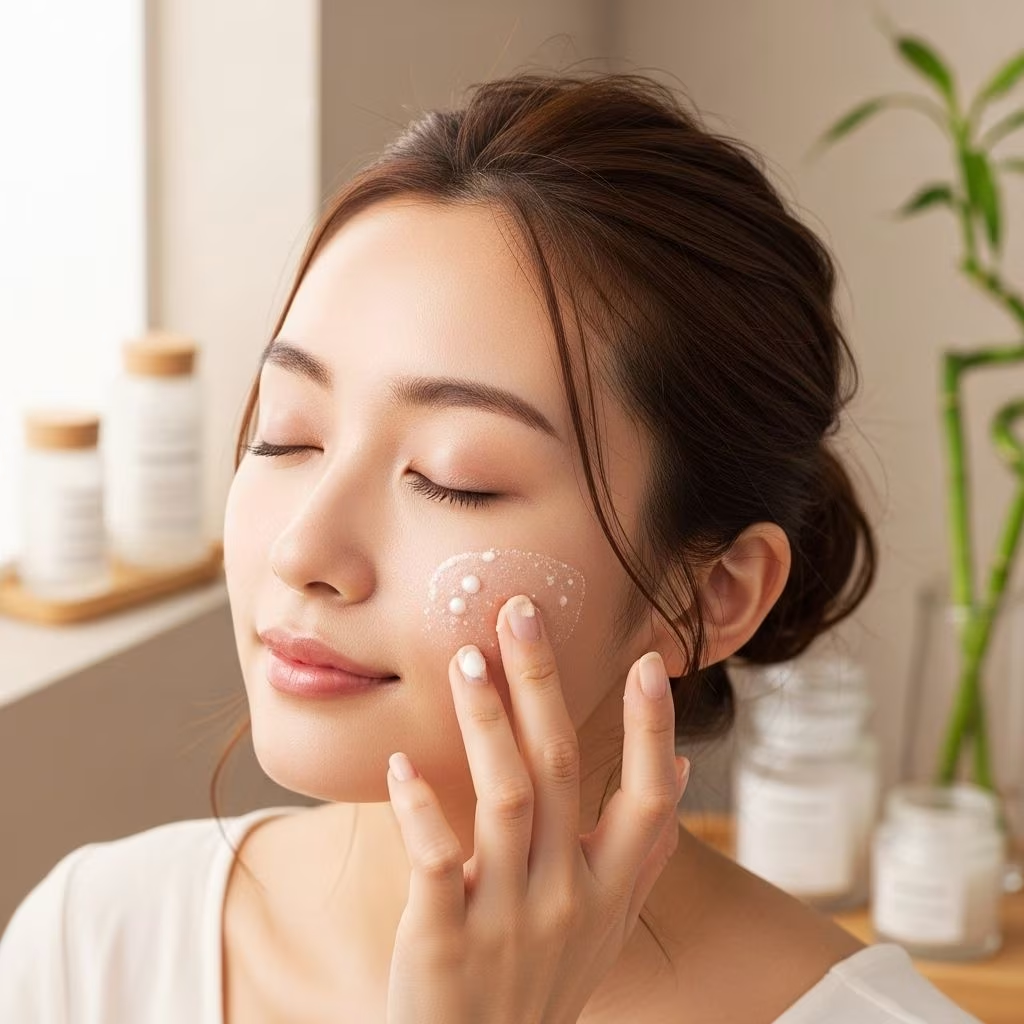
What is J-Beauty Exfoliation?
Japanese beauty, or J-Beauty, is a globally admired skincare philosophy renowned for its meticulous attention to detail, focus on skin health, and preference for gentle, effective ingredients. Exfoliation in J-Beauty is a ritualistic step designed to promote glowing, youthful skin without compromising its natural barrier.
Unlike Western trends that often push for aggressive chemical formulations, J-Beauty exfoliation emphasizes consistency, skin respect, and minimizing stress to the skin. The result is skin that is not just superficially polished but deeply nurtured, comfortable, and resilient.
Why Japanese Skincare Favors Less Chemical Exfoliants
Japanese skincare philosophies prioritize gentleness and subtlety—hallmarks that extend directly to their exfoliation practices. Here’s why J-Beauty tends to use fewer chemical exfoliants:
- Skin Sensitivity: Japanese consumers and creators are highly attuned to skin sensitivity. Harsh exfoliants, such as strong acids or high-concentration peels, are known to damage the skin barrier and cause irritation. J-Beauty prefers formulations that minimize this risk.
- Longevity of Skin Health: The goal is not only instant glow but sustainable health over decades. Over-exfoliation with strong chemical agents can thin the skin, accelerate aging, and make skin more prone to damage from sun and pollution.
- Hydration at the Core: J-Beauty formulations often incorporate hydrating and soothing ingredients, especially hyaluronic acid and botanical extracts, which counteract the drying effects sometimes caused by chemical exfoliants.
- Cultural & Philosophical Roots: Japanese skincare is influenced by the belief that skin is a reflection of overall well-being. This holistic view encourages gentle care and avoidance of anything that could cause undue stress to the body’s largest organ.
Types of Exfoliation in J-Beauty
J-Beauty embraces both physical and chemical exfoliation, though the latter is often mild and synergistic with other nurturing ingredients.
| Type | Description | J-Beauty Example |
|---|---|---|
| Physical Exfoliation | Uses gentle scrubs or textured tools to remove dead skin cells mechanically. | Polishing soaps, konjac sponges |
| Enzyme Exfoliation | Employs fruit enzymes (e.g., papaya, pineapple) to dissolve dead skin cells without abrasion. | Fruit enzyme masks |
| Chemical Exfoliation | Utilizes mild AHAs/BHAs (alpha/beta hydroxy acids) in low concentrations, often embedded in multi-ingredient formulations for balance. | AHA-infused cleansers, lactic acid gels |
Popular J-Beauty Exfoliation Products
Many Japanese brands have gained international acclaim for their innovative yet subtle exfoliating products. Below are some standout examples:
- DetClear Bright & Peel Fruits Peeling Jelly: Contains AHAs from fruit extracts and BHAs from plant extracts, offering a gentle yet effective exfoliation that brightens and refines skin texture. Versatile for use on face and body, underscoring the J-Beauty commitment to gentle, multi-use formulas.
- Asta C Peel: This gel exfoliant relies on lactic acid and three types of hyaluronic acid for deep hydration. Olive fruit extract from Tuscany enhances soothing and antioxidant benefits, making it a favorite for those with sensitive or dehydration-prone skin.
- Auna Mild Hot Cleansing Gel: A gentle, warming gel cleanser suitable for sensitive skin, free from fragrance, preservatives, and sulfates. While not a traditional exfoliant, it preps skin for subsequent exfoliation by deeply cleansing without stripping.
- Cleansing Research Wash Cleansing r: An apple-scented AHA cleanser that exfoliates while maintaining moisture, ideal for nightly use without causing tightness or discomfort.
- Bifesta Micellar Cleansing Water: While primarily a cleanser, the “Bright Up” variant contains AHA and vitamin C derivatives, adding a mild exfoliating touch to daily cleansing.
The Role of Hydration and Soothing Ingredients
A defining feature of Japanese exfoliators is the integration of hydrating, soothing, and barrier-supporting ingredients. This minimizes the risk of irritation and dryness, common side effects of chemical exfoliants.
- Hyaluronic Acid: Frequently used in multiple molecular weights to hydrate skin at different depths, ensuring plumpness and resilience post-exfoliation.
- Botanical Extracts: Ingredients like olive fruit extract (rich in polyphenols) and herbal waters calm and nourish the skin, reducing redness and sensitivity.
- Ceramides and Amino Acids: Often added to reinforce the skin’s natural barrier, protecting it from environmental stressors.
This multi-pronged approach ensures that exfoliation is not just about removing dead skin but also about fortifying and nurturing the skin’s ecosystem.
How to Exfoliate the Japanese Way
Japanese exfoliation is not a one-size-fits-all process. It’s a personalized ritual focused on skin harmony. Here’s a step-by-step guide inspired by J-Beauty practices:
- Cleanse Thoroughly: Start with a gentle cleanser to remove impurities and makeup. This prepares skin for effective yet safe exfoliation.
- Apply Exfoliator: Use a mild physical exfoliant (like a konjac sponge) or a chemical exfoliant with low acid concentration. Allow the product to sit on your skin for a few minutes (if directed), then gently massage in circular motions.
- Rinse and Dry: Rinse with lukewarm water and pat dry gently, avoiding any harsh rubbing.
- Hydrate Immediately: Lock in moisture with a hydrating toner, serum, or moisturizer enriched with hyaluronic acid and ceramides.
- Frequency: Limit exfoliation to 1–3 times per week, depending on your skin’s tolerance. Listen to your skin and adjust as needed.
- Sun Protection: Always apply a broad-spectrum sunscreen during the day, as exfoliation can increase sun sensitivity.
J-Beauty vs. Other Skincare Approaches
Compared to Western skincare, which often prioritizes rapid results through potent actives, J-Beauty’s exfoliation philosophy is nuanced:
| Aspect | J-Beauty | Western Skincare |
|---|---|---|
| Exfoliant Strength | Mild, often multi-ingredient | Often stronger, higher concentrations |
| Hydration | Integrated, non-negotiable | Sometimes secondary to exfoliation |
| Frequency | Less frequent, as-needed | Can be daily or intense |
| Philosophy | Holistic, skin as an organ to nurture | Results-driven, sometimes aggressive |
Frequently Asked Questions
Q: What is a typical J-Beauty exfoliation routine?
A: Start with a gentle cleanse, use a mild physical or enzyme-based exfoliant 1–3 times per week, and follow with a hydrating toner and moisturizer. Sun protection is essential on exfoliation days.
Q: Can oily or acne-prone skin benefit from J-Beauty exfoliation?
A: Yes. Japanese exfoliants like DetClear Bright & Peel Fruits Peeling Jelly or BHA-infused products can help unclog pores and control excess oil without over-drying.
Q: Are J-Beauty exfoliants suitable for sensitive skin?
A: Absolutely. Many J-Beauty exfoliants are formulated with sensitivity in mind, incorporating soothing ingredients and low acid concentrations.
Q: How do I know if I’m over-exfoliating?
A: Signs include persistent redness, tightness, flaking, or increased sensitivity. If you experience these, reduce frequency and focus on hydration and barrier repair.
Q: Can I combine J-Beauty exfoliation with other skincare routines?
A: Yes, but proceed with caution. Avoid layering multiple exfoliants or combining with strong retinoids unless your skin is accustomed to them.
Conclusion
Japanese beauty’s approach to exfoliation—favoring less chemical exfoliants and more gentle, hydrating, and multi-functional products—offers a sustainable path to glowing, healthy skin. By respecting the skin’s natural rhythms and focusing on nourishment, J-Beauty redefines exfoliation not as a harsh reboot but as a harmonious, nurturing ritual. Whether you’re new to J-Beauty or looking to refine your routine, embracing these secrets can lead to long-term skin wellness and radiance.
References
- https://www.youtube.com/watch?v=o7qhVW1RpWM
- https://thewagamamadiaries.com/my-top-10-j-beauty-cleansers-and-exfoliators/
- https://www.glowbytomoko.com/post/my-all-time-favorite-japanese-exfoliant-for-glowing-skin
- https://theyokuglow.com/blogs/news/exfoliation-101
- https://int.japanesetaste.com/blogs/japanese-taste-blog/10-of-the-best-japanese-detox-skincare-products-for-beautiful-skin
- https://cureaquagel.com


