


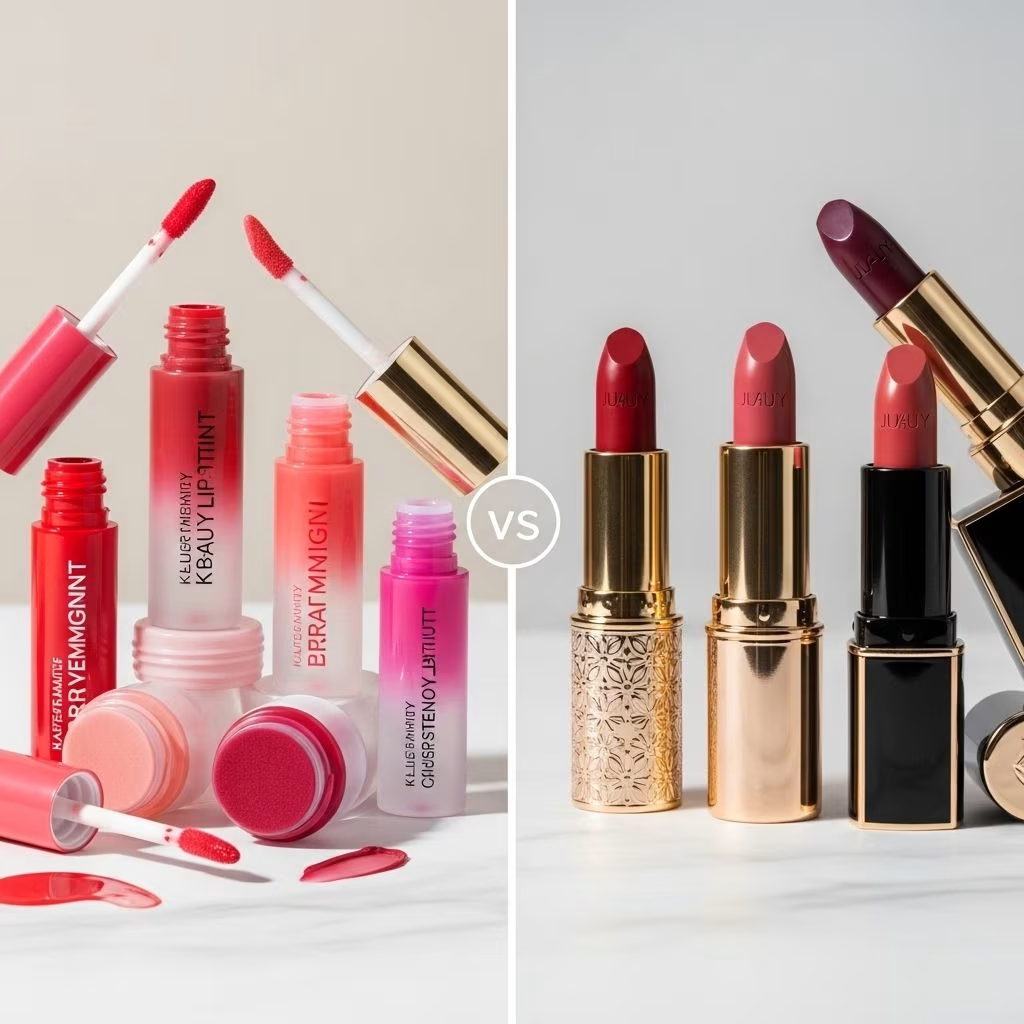
Lip products have become a defining aspect of Asian beauty cultures, with Korea and Japan continuously setting global trends. Among all the offerings, K-Beauty lip tints and J-Beauty lipsticks stand as cult favorites, each representing not just a product but an entire aesthetic philosophy. From innovative formulas and long-lasting wear to shade diversity and packaging, this article offers a detailed look at every facet of these two beauty legends.
Introduction: K-Beauty vs J-Beauty
The rivalry between Korean and Japanese beauty standards is both friendly and inspiring. The rapid innovation in both countries—driven by consumer demands, pop culture, and international influence—has resulted in a diverse array of lip products. While K-Beauty excels at launching trend-driven, experimental formats like gradient tints and blurring effects, J-Beauty prioritizes classic quality, comfort, and refined elegance in their lipsticks.
Historical and Cultural Context
K-Beauty lip tints rose to international fame in the 2010s, fueled by K-pop idols and dramas showcasing soft, youthful, and natural lip looks—often with the famous ‘gradient’ or ‘blur’ effect. In contrast, J-Beauty lipsticks have cultivated a reputation since the late 20th century for precise, polished color that enhances without overpowering, reflecting Japanese ideals of subtle sophistication and effortlessness.
Both product types reflect broader beauty ideals: Koreans focus on playful experimentation and a “glass skin” lip look, whereas Japanese trends embrace minimalism, functionality, and lasting comfort.
Core Formulas: Tint vs Lipstick
- K-Beauty Lip Tints: Typically available in water, gel, oil, or mousse formats. They deposit pigment that soaks into lips, creating sheer, buildable color and a light feel.
Examples: Etude House Fixing Tint (matte, transfer-resistant); Dear Darling Water Gel Tint; Daisique Juicy Dewy Tint (moisturising, glossy). - J-Beauty Lipsticks: Usually cream, gel, or balm-like sticks. Deliver precise, even application with a richer texture. Can be matte, satin, or glossy.
Examples: Shiseido VisionAiry Gel Lipstick (matte, long-lasting); Cezanne Colour Lip Tint (hybrid tint-lipstick with glossy look).
Texture and Finish
| Feature | K-Beauty Lip Tints | J-Beauty Lipsticks |
|---|---|---|
| Texture | Lightweight, often watery or gel-based; mousse versions provide soft velvety texture | Rich, creamy, or balm-like; gels and creams melt onto lips |
| Finish | Matte, sheer, glossy, or dewy. Popular for gradient and blurred effects | Mostly semi-matte to satin or high-shine; emphasises natural fullness |
| Feel | ‘Barely there’, weightless feel; some can be drying depending on formula | Cushiony and smooth; focus on hydration and comfort |
Korean lip tints often cater to those seeking a youthful, vivid, and experimental aesthetic, while Japanese lipsticks resonate with users desiring polished, reliable, and easy-to-maintain lips.
Shade Variety and Color Trends
- K-Beauty: Bold corals, sweet pinks, juicy oranges, berries, milk teas, and moody browns. Frequent seasonal releases and collaborations with pop culture icons. Emphasis on vibrant, punchy shades.
- J-Beauty: Elegant pinks, rosy beiges, sophisticated reds, muted plums, and MLBB (My Lips But Better) tones. More focus on adapting universally flattering shades for various undertones. Understated colors for everyday wear are highly popular.
K-Beauty brands are fast to pick up viral trends from music videos or dramas, leading to rapid shade turnover, while J-Beauty launches are more curated, with attention to wearable classics.
Longevity and Performance
K-Beauty Tints: Renowned for their staining effect—lips stay tinted even after food, drinks, or mask use. However, because tints soak in, some may emphasize dry patches or cause flakiness without prep.
- Water and gel tints last 4–6 hours with minimal touch-up.
- Mousse/velvet tints offer softer color but may require reapplication after eating.
- Tip: Layer with a balm or gloss for added comfort and less dryness.
J-Beauty Lipsticks: Cream and gel formulas tend to transfer more easily but offer even, forgiving fade. Innovations in gel and melting lipsticks improve longevity while preserving moisture.
- Matte and gel sticks last 3–5 hours; balms and glosses 2–3 hours.
- Comfort stays high, even with frequent reapplication. Fading is less patchy.
Application Experience
- K-Beauty Tints: Often come in doe-foot tubes or squeeze pens—quick, portable, and suitable for both precise and blurry application. Ideal for both gradient lips and full-color looks.
- J-Beauty Lipsticks: Traditional stick or bullet format. Facilitates precise, single-swipe coverage and on-the-go touch-ups. Gel or balm textures glide effortlessly.
K-Beauty’s playful packaging and unique spatulas stand out, while J-Beauty lipsticks rely on sleek, minimalist packaging and functionality.
Ingredients and Skincare Benefits
- K-Beauty: Frequently incorporates trendy moisturizing and plumping agents such as hyaluronic acid, collagen, fruit extracts, and cica. Some tints double as cheek stains or balms. Newer releases prioritize hydration to address dryness seen in early formulas.
- J-Beauty: Focus on classic hydration: squalane, rice bran, jojoba oil, ceramides, and vitamin E. Many gel or melting lipstick formulas are fragrance-free, hypoallergenic, and designed for sensitive skin. Some double as lip treatment and color in one.
Packaging and Aesthetic Appeal
- K-Beauty: Colorful, fun, and full of limited-edition collaborations with celebrities or animated characters. A key part of the K-beauty experience is collecting cute packaging.
- J-Beauty: Understated, minimalist, and elegant designs dominate, reflecting the Japanese aesthetic value of simplicity. Packaging often prioritizes portability and a secure feel.
Price, Accessibility & Drugstore Scene
- K-Beauty: Widely distributed through global online retailers, specialized K-beauty boutiques, and select drugstores. Prices range from affordable (Etude House, Peripera) to premium (Sulwhasoo, Hera).
- J-Beauty: Many top lipsticks and tints (like Cezanne, Shiseido) are mainstays in Japanese drugstores. Cezanne, especially, is lauded as affordable and widely available, while trendier brands (e.g., Daisique) can be harder to find. Japanese brands emphasize cost-per-wear; some lip balms or lipsticks last a very long time and offer good value .
Best-Selling & Recommended Products (2025 Update)
| Brand | Product | Type | Description |
|---|---|---|---|
| K-Beauty | Etude House Fixing Tint | Matte Tint | Transfer-resistant, available in a wide range of shades, gives a soft matte finish but may feel dry without prep. |
| K-Beauty | Daisique Juicy Dewy Tint | Dewy Tint | Highly moisturising, leaves a radiant, juicy finish, popular for glass-like lips. |
| J-Beauty | Cezanne Colour Lip Tint | Lip Tint/Lipstick Hybrid | Glossy finish that matches natural lip color. Known for everyday wear and comfort. |
| J-Beauty | Shiseido VisionAiry Gel Lipstick | Gel Lipstick | Matte, high-impact, long-lasting color. Works well alone or with gloss topcoat. |
| J-Beauty | Cezanne Lasting Lip Gloss | Tinted Gloss/Balm | Moisturising, offers subtle color and shine, acts as both treatment and makeup. |
Strengths and Weaknesses Table
| K-Beauty Lip Tints | J-Beauty Lipsticks | |
|---|---|---|
| Strengths |
|
|
| Weaknesses |
|
|
Cultural Impact and Beauty Communities
K-Beauty‘s lip tints are closely tied to youth culture, online sharing, and the influence of K-pop idols and web dramas. Social media platforms like Lemon8, Instagram, and TikTok fuel rapid trend cycles and emphasize individuality through experimentation.
J-Beauty lipsticks emphasize practicality, everyday use, and comfort—attributes praised in beauty forums and by working professionals. Product innovation is more gradual, with steadier best-sellers and less seasonal volatility.
Frequently Asked Questions (FAQs)
Are K-Beauty lip tints drying?
Some matte or water-based tints can accentuate dryness, but recent K-Beauty formulas often add moisturising ingredients. Prepping lips with balm helps prevent discomfort.
Do J-Beauty lipsticks last as long as tints?
Generally, no; tints stain the lips for long periods, while most J-Beauty lipsticks wear off more evenly but may need reapplication after meals.
Can K-Beauty tints be used as blush?
Many are multipurpose—especially watery or gel formats—which makes them great for matching lips and cheeks.
Are J-Beauty lipsticks safe for sensitive lips?
Most Japanese lipstick formulas are tested for sensitivity, fragrance-free, and enriched with skin-loving oils, making them suitable for sensitive or chapped lips.
Which brands are easiest to find globally?
Major K-Beauty brands like Etude House and Peripera and J-Beauty brands like Shiseido and Cezanne are widely available through online shops and select global retailers.
How to Choose: What’s Right for You?
- If you prioritize long wear, lightweight feeling, and playful color: K-Beauty lip tints will likely suit you best. Focus on gel or watery formulas for freshest looks; mousse tints offer more color impact with less dryness.
- If you value hydration, classic elegance, and easy touch-ups: J-Beauty lipsticks and hybrid tinted balms are your match. Creamy or gel stick formulas are forgiving for dry lips and maintain a professional appearance.
- Experiment with layering: Many enthusiasts use a tint for base color and a Japanese glossy balm on top for shine and comfort, blending the best of both worlds.
Lip preferences are highly personal and reflect both your beauty philosophy and daily routine. Whether you resonate with the youthful, daring appeal of K-Beauty lip tints or the practical, understated sophistication of J-Beauty lipsticks, both categories elevate the modern makeup collection—and their ongoing innovation guarantees endless discovery.
References
- https://www.lemon8-app.com/@glowynotchloe/7233392250611515906?region=sg
- https://www.youtube.com/watch?v=WWluJo959ms
- https://www.youtube.com/watch?v=sugxmIOH17w
- https://www.youtube.com/watch?v=_LDuisFVkdk
- https://thewagamamadiaries.com/10-best-korean-and-japanese-beauty-products/
- https://metropolisjapan.com/japan-drugstore-guide-lip-products/


