


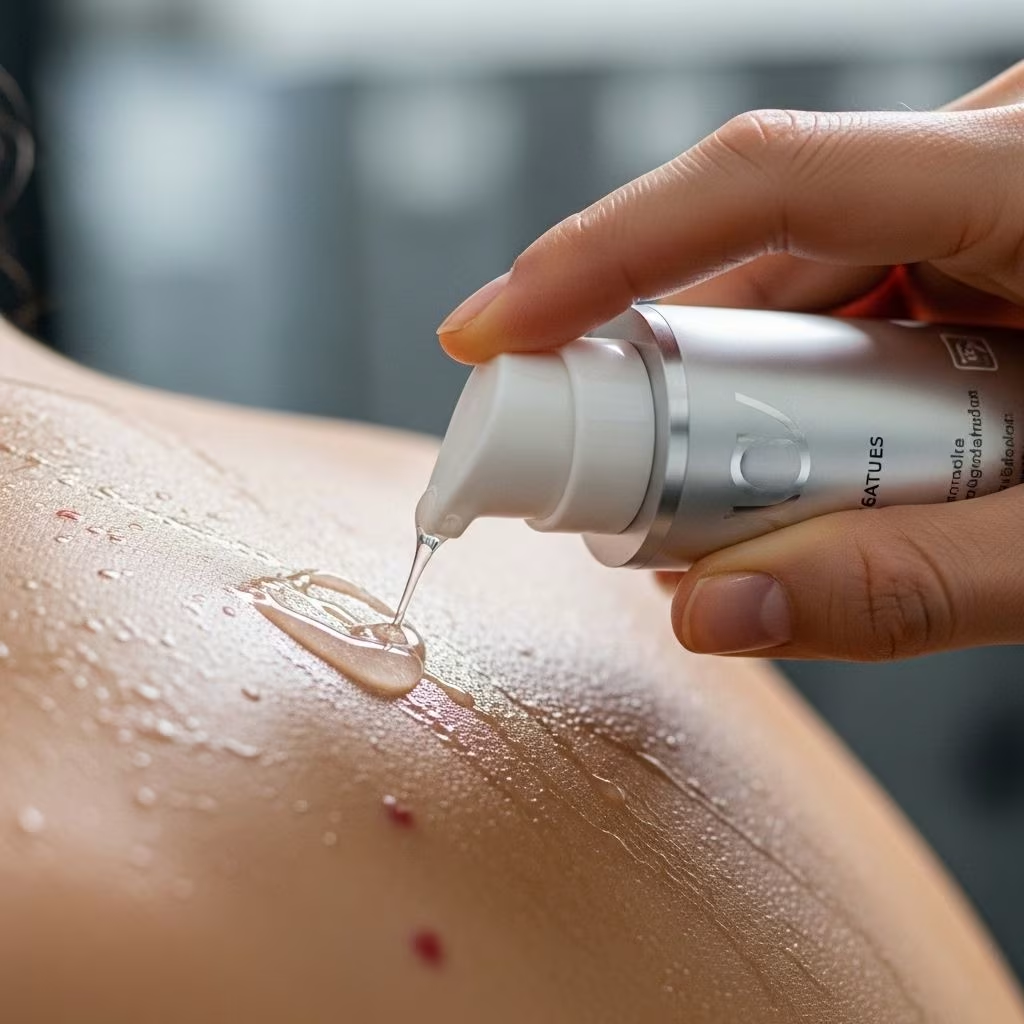
Acne breakouts don’t have to be your price for an active lifestyle. Regular workouts are fantastic for physical and mental health, but they often come with an annoying side effect: acne. Whether you’re a fitness enthusiast or just starting your exercise journey, understanding how to swiftly and safely treat post-workout acne is essential for maintaining clear, healthy skin. This guide explores the causes, preventive measures, and the most effective spot treatments for post-workout acne, offering a blend of science-based strategies and dermatologist-approved tips to help you look and feel your best after every workout.
About Post-Workout Acne
Post-workout acne refers to pimples, pustules, or clogged pores that appear after exercise. This type of acne commonly shows up on the face, back, shoulders, and chest. The combination of sweat, friction, heat, and exposure to bacteria during physical activity creates the perfect environment for breakouts, especially in acne-prone individuals. Addressing post-workout acne quickly minimizes discomfort and prevents long-term skin issues.
Key Causes of Post-Workout Acne
Understanding what triggers post-exercise breakouts can help you design an effective treatment plan. The main contributing factors include:
- Excessive Sweating: Traps bacteria, dirt, and dead skin in pores, leading to clogged follicles and pimples.
- Friction and Pressure: Tight athletic wear, helmets, or straps increase local irritation (a phenomenon known as “acne mechanica”).
- Unwashed Equipment and Fabrics: Dirty gym towels, mats, or workout clothes transfer bacteria and oil onto your skin.
- Makeup and Heavy Skincare Layers: Makeup or thick sunscreen under sweat can occlude pores and trap debris.
- Hormonal Fluctuations and Stress: Intense or chronic stress from exercise may stimulate oil glands or worsen inflammatory responses.
Prevention Strategies
Prevention is the first line of defense against post-workout acne. Dermatologists and skincare experts recommend the following approaches:
- Wear Breathable, Moisture-Wicking Clothing: Clothes made from synthetic, sweat-wicking fabrics keep skin dry, reduce friction, and minimize bacterial buildup. Avoid cotton, which can trap moisture on skin .
- Shower Promptly After Exercise: A quick shower with a gentle, non-comedogenic cleanser removes sweat, oil, and bacteria before they can clog pores. If you can’t shower immediately, use acne wipes or change into clean clothes .
- Cleanse Your Face Before and After the Gym: Remove makeup and sunscreen before exercising and wash away impurities as soon as possible afterward using a mild, oil-free cleanser .
- Use Non-Comedogenic Products: Select skincare, sunscreen, and makeup products labeled “non-comedogenic” or “won’t clog pores” .
- Avoid Touching Your Face: Hands, towels, and gym equipment are major bacterial transmitters. Train yourself not to touch your face during workouts .
- Disinfect Gym Equipment: Always wipe down shared equipment before and after use to prevent transfer of acne-causing bacteria .
- Wash Towels, Headbands, and Clothing Regularly: Only use freshly cleaned fabrics that touch your skin to minimize exposure to dirt and oil .
- Hydrate Well: Drink enough water to support healthy cell turnover and detoxification, reducing the likelihood of oil imbalances .
Spot Treatments: Ingredients and How They Work
When prevention isn’t enough and a breakout occurs, spot treatments can rapidly target problem areas. Effective spot treatments utilize specific active ingredients to reduce inflammation, clear blocked pores, and eliminate bacteria at the site of the blemish. Here are the most commonly recommended actives and formulas for post-workout acne:
Benzoyl Peroxide
- What it does: Kills acne-causing bacteria (Cutibacterium acnes), helps prevent new blemishes.
- Usage: Apply a thin layer to the affected spot 1–2 times daily.
- Notes: May cause dryness or irritation in sensitive skin; can bleach fabrics .
Salicylic Acid
- What it does: A beta-hydroxy acid (BHA) that exfoliates dead skin cells and clears pores.
- Usage: Found in cleansers, peel pads, and spot gels. For post-workout, salicylic acid pads are convenient for on-the-go cleansing .
Retinoids
- What it does: Stimulate cell turnover, prevent clogged pores, and can help fade post-acne marks.
- Usage: Use as a nightly, leave-on cream or gel; consult a dermatologist for prescription-strength options .
- Notes: Can be irritating, especially after workouts when skin is hot or flushed.
Glycolic Acid
- What it does: An alpha-hydroxy acid (AHA) that removes dead skin cells and targets dullness and post-acne scars.
- Usage: Often found combined with salicylic acid in peel pads for convenient post-exercise use .
Soothing Anti-Inflammatory Ingredients
- Aloe vera, chamomile, and green tea extract: Calm redness and irritation while promoting healing.
- Best for: Sensitive skin, or as a companion to stronger acne treatments .
Sample Table: Comparison of Spot Treatment Ingredients
| Ingredient | Main Action | Best For | Potential Side Effects |
|---|---|---|---|
| Benzoyl Peroxide | Antibacterial, anti-inflammatory | Pustules, persistent red pimples | Dryness, irritation, bleaching |
| Salicylic Acid | Exfoliation, unclogs pores | Blackheads, whiteheads | Dryness, mild stinging |
| Retinoids | Increases cell turnover | Chronic/acne-prone skin | Redness, flaking, photosensitivity |
| Glycolic Acid | AHAs, resurfaces skin | Hyperpigmentation, texture | Stinging, sun sensitivity |
| Aloe Vera Green Tea Extract | Soothing, anti-inflammatory | Sensitive or irritated skin | Rare, generally well tolerated |
Building an Effective Post-Workout Skincare Routine
Your post-exercise skincare ritual doesn’t need to be complicated, but consistency is vital. Follow these dermatologist-recommended steps to quickly clear sweat, oil, and debris and address any new breakouts:
- Cleanse: Immediately use a gentle, oil-free cleanser; avoid hot water or abrasive scrubbing that could inflame skin .
- Exfoliate: If you’re acne-prone, use a chemical exfoliant (e.g., salicylic or glycolic acid pads) 2–3 times per week to prevent buildup .
- Apply Spot Treatment: Use benzoyl peroxide, salicylic acid, or retinoid cream on individual blemishes after cleansing. Wait a few minutes before applying moisturizer .
- Moisturize: Even oily or acne-prone skin needs lightweight, non-comedogenic hydration. Choose gel-based or oil-free creams containing soothing ingredients like aloe or niacinamide .
- Protect: If you’re heading outside, use a non-comedogenic, broad-spectrum SPF 30+ sunscreen. Apply after spot treatment and moisturizer has absorbed .
Choosing the Right Products
- Look for: “Non-comedogenic,” “oil-free,” or “won’t clog pores” on product labels .
- Not all spot treatments are the same: Test a new spot treatment on a small area first to check for sensitivity, especially after sweating.
- Keep products clean: Avoid open-jar packaging and wash hands before applying spot treatments.
- For persistent, severe, or cystic acne: Consult a dermatologist for prescription-strength options (topical or oral) or in-office procedures .
Supporting Skin Health with Lifestyle Adaptations
Spot treatments are most effective when combined with broader healthy habits:
- Stay hydrated for proper skin barrier function and to optimize cell repair .
- Eat a balanced diet low in processed sugars and dairy, which some research links to increased acne risk.
- Manage stress through mindfulness techniques, as stress hormones may worsen breakouts.
- Sleep 7–9 hours nightly: Sleep deprivation impairs skin repair and regulation.
Common Mistakes to Avoid
- Over-scrubbing or aggressive exfoliation can worsen irritation and provoke more breakouts.
- Skipping moisturizer: Even acne-prone skin requires moisture to heal effectively and prevent rebound oiliness.
- Using body products on the face (and vice versa) may cause unwanted reactions.
- Delaying showering after intense workouts increases risk of breakouts on face, chest, and back .
- Popping or picking pimples: This habit spreads bacteria, prolongs healing, and can cause scarring.
Frequently Asked Questions (FAQs)
Q: Why does exercise sometimes cause acne?
A: Sweating, combined with heat, friction, and bacteria accumulation, creates a perfect environment for acne, especially when pores are already prone to clogging .
Q: Are certain types of workouts more likely to trigger acne?
A: Yes. Intense, high-sweat activities (such as cycling with helmets, weightlifting with shared mats, or contact sports) increase friction and occlusion, making breakouts more likely .
Q: Can I use my regular acne medication as a spot treatment after a workout?
A: You can, but take care with potentially irritating actives (like retinoids) immediately after exercise since the skin may be extra sensitive. Target small areas and avoid overuse .
Q: How quickly should I treat post-workout acne spots?
A: As soon as possible. Early intervention—cleansing and applying spot treatments immediately after sweating—minimizes inflammation and speeds recovery .
Q: What should I do if my acne doesn’t improve despite spot treatments?
A: Persistent or severe breakouts warrant professional help. Consult a dermatologist for prescription therapies or to rule out underlying hormonal or medical conditions .
Q: Can post-workout acne cause scarring?
A: Yes. Picking at or repeatedly inflaming post-workout pimples can cause dark marks or scars. Early spot treatment and gentle care reduce this risk .
Key Takeaway
Post-workout acne is a common and manageable condition, especially when addressed with a quick, targeted approach. Combining preventive habits (like clean clothing, prompt cleansing, and non-comedogenic products) with evidence-based spot treatments (such as benzoyl peroxide, salicylic acid, and retinoids) gives you the best chance at clear, confident skin. Stay consistent, adapt your approach as needed, and seek professional advice for stubborn or complex cases. Your skin—and self-confidence—will thank you after every sweat session.
References
- https://www.omniatelehealth.com/preventing-and-treating-post-workout-skin-breakouts/
- https://drzenovia.com/blogs/skin-journal/workout-skincare-routine-for-acne-prone-skin
- https://www.aad.org/public/diseases/acne/causes/workouts
- https://rightasrain.uwmedicine.org/well/prevention/body-acne
- https://www.mayoclinic.org/diseases-conditions/acne/in-depth/acne-treatments/art-20045814
- https://theordinary.com/en-us/blog/post-workout-skincare.html
- https://atomicderm.com/expert-tips-for-maintaining-skin-health-post-acne-treatment/
- https://www.rush.edu/news/12-tips-combat-acne


