


\n\n
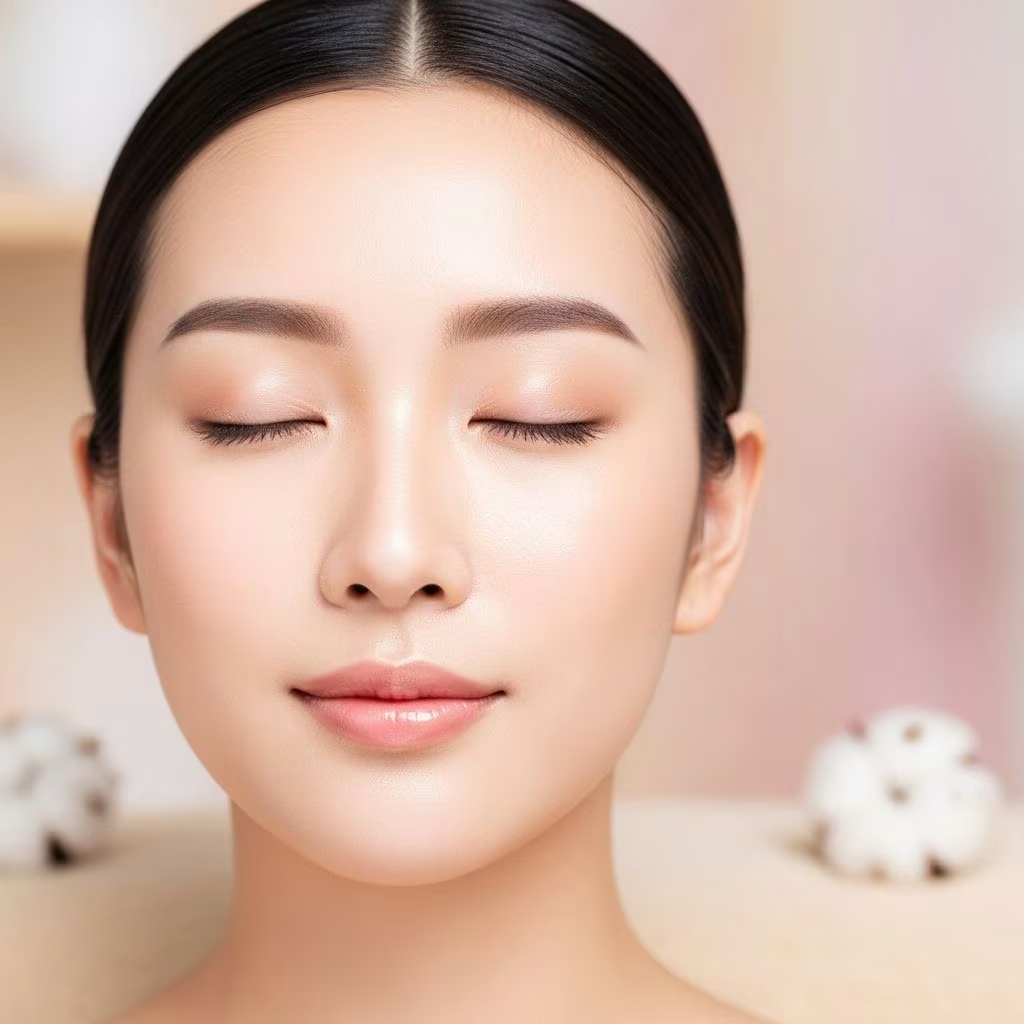
Across centuries, Japanese beauty culture has revered skin textures that transcend mere appearance, celebrating mochi hada—a plump, bouncy, and radiant skin quality reminiscent of pillowy soft rice cakes. Today, mochi hada influences global skincare philosophies and routines, yet its origins are deeply rooted in Japanese history, tradition, and an approach to beauty that embodies overall wellbeing. This article explores the fascinating journey of mochi hada: its historical context, cultural philosophy, unique routines, key ingredients, shifting trends, and timeless allure.
\n\n
Table of Contents
\n
- \n
- Introduction to Mochi Hada
- Historical and Cultural Roots
- Philosophy of Japanese Skin Ideals
- Mochi Hada vs. Glass Skin
- Key Characteristics of Mochi Hada
- Essential Skincare Routine
- Signature Ingredients and Products
- From Tradition to Modernity
- Why Mochi Hada Endures
- Frequently Asked Questions
\n
\n
\n
\n
\n
\n
\n
\n
\n
\n
\n\n
Introduction to Mochi Hada
\n
Mochi hada (Japanese for “mochi skin”) is a skincare philosophy focused on achieving skin that is soft, plump, smooth, resilient, and touchably supple—akin to the beloved Japanese mochi rice cake. In Japan and globally, the term has come to signify more than just an aesthetic trend: it is both an aspiration and reflection of holistic health and self-care.
\n
- \n
- Soft and bouncy: The skin should feel pillowy, not tight or gritty.
- Poreless and velvety: With minimal visible pores and a matte yet radiant finish.
- Hydrated from within: Moisture retention gives skin a lively, youthful resilience.
- Elastic and plump: The hallmark of healthy skin, echoing the mochi cake’s springiness when pressed.
\n
\n
\n
\n
\n\n
Historical and Cultural Roots
\n
The concept of mochi hada is deeply entwined with Japanese history, agriculture, and festival traditions.
\n
1. Mochi: The Symbolic Rice Cake
\n
The word “mochi” refers to a traditional Japanese rice cake made from mochigome (glutinous rice) pounded and molded into a soft, chewy form. Mochi is more than a snack; it embodies prosperity, health, and longevity, often featured in Shinto rituals and New Year’s celebrations.
\n
- \n
- Kagami Mochi: Stacked mochi cakes displayed as a New Year decoration symbolize renewal and may represent yin-yang, the sun and moon, or the continuity of the years.
- Mochi texture: Its smooth, soft, and slightly springy quality has long been considered a metaphor for youthful, healthy skin.
\n
\n
\n\n
2. Early Japanese Beauty Ideals
\n
Japanese literature and paintings, especially from the Heian period (794-1185), idealized unblemished, soft skin. Aristocratic women practiced elaborate cleansing and used rice-based cosmetic pastes to maintain a pale, smooth complexion.
\n\n
Philosophy of Japanese Skin Ideals
\n
Unlike fleeting beauty fads, mochi hada reflects broader Japanese philosophies of simplicity, balance, and harmony—all elements of wa (和), the cultural cornerstone of peaceful coexistence.
\n\n
- \n
- Simplicity over excess: Japanese skincare routines favor minimalism—few, high-quality products with gentle application.
- Nurture, don’t strip: Less emphasis on harsh exfoliants; focus placed on protecting the skin barrier and fostering its natural defenses.
- Hydration as a foundation: Water-based lotions and moisturizing ingredients are paramount to sustaining skin’s bounce and luster.
- Intrinsic beauty and self-care: Achieving mochi hada is seen as a journey of caring for oneself lovingly and consistently.
\n
\n
\n
\n
\n\n
Mochi Hada vs. Glass Skin: A Comparison
\n
| Aspect | Mochi Hada (Japan) | Glass Skin (Korea) |
|---|---|---|
| Finish | Matte, radiant, softly velvety | High-gloss, dewy, reflective |
| Texture | Plump, bouncy, poreless | Translucent, ultra-smooth |
| Philosophy | Less is more, gentle hydration | Layering multiple products for luminous effect |
| Ingredients | Rice, natural extracts, ceramides, hyaluronic acid | Acids (AHAs/BHAs), snail mucin, niacinamide |
\n
While both seek youthful radiance, mochi hada’s matte-yet-glowing finish focuses on health, hydration, and bounce, not just shine.
\n\n
Key Characteristics of Mochi Hada
\n
- \n
- Bouncy texture: Pressing on the skin should result in a gentle spring back, like mochi rice cakes.
- Poreless appearance: Even-textured, refined pores create a soft-focus finish.
- Matte radiance: Unlike the glossy “glass skin,” mochi skin’s luster is subtle and natural.
- Long-lasting hydration: Moisture retention deep within the skin prevents dryness or flakiness.
- Resilience and plumpness: Reflecting inner skin health and robust collagen structure.
\n
\n
\n
\n
\n
\n\n
Essential Skincare Routine for Mochi Hada
\n
Achieving mochi hada does not require a dozen products. Rather, a streamlined, mindful routine with the right ingredients is key.
\n
- \n
- Step 1: Double Cleanse\n
Begin with an oil-based cleanser to dissolve makeup and sunscreen, followed by a gentle foaming cleanser. This ritual, borrowed from geisha traditions, removes impurities without stripping natural oils.\n - Step 2: Toning Lotion\n
Japanese lotions (not Western toners) are watery, hydrating liquids applied with hands. They prepare the skin to absorb subsequent products.\n - Step 3: Essence/Serum\n
Light but potent, essences with hyaluronic acid, rice bran, or Vitamin C replenish moisture and boost skin’s resilience.\n - Step 4: Moisturizer\n
Use a lightweight but deeply hydrating cream or gel that “locks in” the previous layers without weighing the skin down.\n - Step 5: Sun Protection\n
Japanese sunscreens are respected for their elegant, featherlight textures. Daily application is essential for preventing dehydration and premature aging.\n - Step 6: Optional Sheet Mask (2–3 times weekly)\n
Hydrating sheet masks further boost suppleness and moisture.\n
\n
\n
\n
\n
\n
\n
\n
This regimen is designed to be gentle, nurturing, and sustainable—values at the heart of mochi hada.
\n\n
Signature Ingredients and Products for Mochi Hada
\n
- \n
- Rice Bran: Rich in antioxidants and vitamins, long used since the Heian period for its brightening and smoothing effects.
- Hyaluronic Acid: A hydrating powerhouse that binds up to 1,000 times its weight in water, essential for the signature bounce.
- Ceramides: Support the skin barrier, preventing moisture loss and irritation.
- Pantothenic Acid (Vitamin B5): Enhances softness, aids in skin repair, and soothes inflammation.
- Botanical Extracts: Traditional herbs and seaweed for protective, calming benefits.
- Vitamin C: Brightens, fosters collagen production, and provides antioxidant defense for more even, resilient skin.
\n
\n
\n
\n
\n
\n
\n\n
Product Recommendations (Not Sponsored)
\n
- \n
- Japanese cleansing oils and low-foam cleansers
- Hydrating water lotions/essences
- Sheet masks with rice or algae extracts
- Lightweight moisturizers (gel-creams, emulsions)
- SPF 30+ broad spectrum Japanese sunscreen
\n
\n
\n
\n
\n
\n
Remember, it is the philosophy and routine—not the brand or price—that matter most for mochi hada.
\n\n
From Tradition to Modernity: The Global Rise of Mochi Hada
\n
As Japanese beauty (J-beauty) entered global markets in the 21st century, mochi hada became a coveted ideal in skincare communities worldwide. Influencers and celebrities, including supermodels, have lauded mochi skin for its understated luxury and effortless appearance. The trend stands apart from more dramatic skincare fads, offering a sustainable alternative to aggressive exfoliation or over-layering.
\n
- \n
- Inspired product launches: Many international brands now emulate the gentle, hydrating approach central to J-beauty.
- Contrasted with Korean “glass skin”: Popularized on social media, the difference in philosophy and result highlight Japan’s subtle approach.
- Empowerment through tradition: Young Japanese increasingly embrace mochi hada as both heritage and self-expression.
\n
\n
\n
\n\n
Why Mochi Hada Endures: Philosophy, Health, and Self-Care
\n
Mochi hada is more than a surface-level ideal. It emphasizes the connection between skincare, self-compassion, and overall health: moisturized, nourished skin reflects one’s wellbeing and inner balance.
\n
- \n
- Consistency is key: The goal is not overnight results, but daily rituals that nourish skin over a lifetime.
- Self-care as wellness: Regular, mindful skincare nurtures both mind and body, making the routine itself a source of comfort.
- Adaptive tradition: Mochi hada philosophy adapts well to personal needs, climate, and lifestyle, making it universally relevant.
\n
\n
\n
\n\n
Frequently Asked Questions (FAQs)
\n\n
Q: What does ‘mochi hada’ literally mean?
\n
A: ‘Mochi hada’ literally translates to ‘mochi skin’—skin that mimics the soft, elastic, bouncy texture of the traditional Japanese rice cake.
\n\n
Q: Is mochi skin the same as glass skin?
\n
A: No. Glass skin (from Korean skincare trends) is extremely dewy and reflective, while mochi skin is characterized by matte, bouncy, and velvety softness.
\n\n
Q: Do I need Japanese products to achieve mochi hada?
\n
A: While Japanese products are optimized for this philosophy, you can adapt any routine: focus on gentle cleansing, hydration, and avoid heavy exfoliation or stripping ingredients.
\n\n
Q: Can all skin types benefit from mochi hada routines?
\n
A: Yes. The routine is gentle and suitable for most skin types, though product selection (for oiliness, dryness, or sensitivity) should be personalized.
\n\n
Q: How long does it take to see results?
\n
A: Visible improvement depends on individual skin, but consistent daily care can yield a softer, healthier complexion within several weeks.
\n\n
References and Further Reading
\n
- \n
- Mochi Skin: Japan’s Answer To Healthy Skin
- What is Mochi Skin and how to Achieve it? – Oo Spa
- Mochi Hada: J-Beauty vs. K-Beauty
- Japanese Lotions: The Ultimate Anti-Aging Beauty Secret
\n
\n
\n
\n
\n
Note: This article is for informational purposes only and does not substitute medical advice. Individual product reactions may vary.
References
- https://in.ilemjapan.com/blogs/news/mochi-skin
- https://oojapanesespa.com/2022/10/14/what-is-mochi-skin-and-how-to-achieve-it/
- https://kiyoko.com/blogs/kiyokos-notes/what-is-mochi-skin-and-how-to-get-it-japanese-korean-skincare
- https://dhcbeauty.in/blogs/skin-care/what-is-mochi-hada
- https://thejbeautycollection.com/blogs/news/mochi-skin-vs-glass-skin-whats-the-difference
- https://www.ya-manusa.com/blogs/news/mochi-hada-j-beauty-vs-k-beauty-best-skincare-ritual
- https://cremescoop.com/japanese-lotions/
- https://myufullhealth.com/en-us/blogs/news/what-is-mochi-skin-and-how-to-achieve-it
- https://www.weoutwow.com/mochi-skin-trend/


