


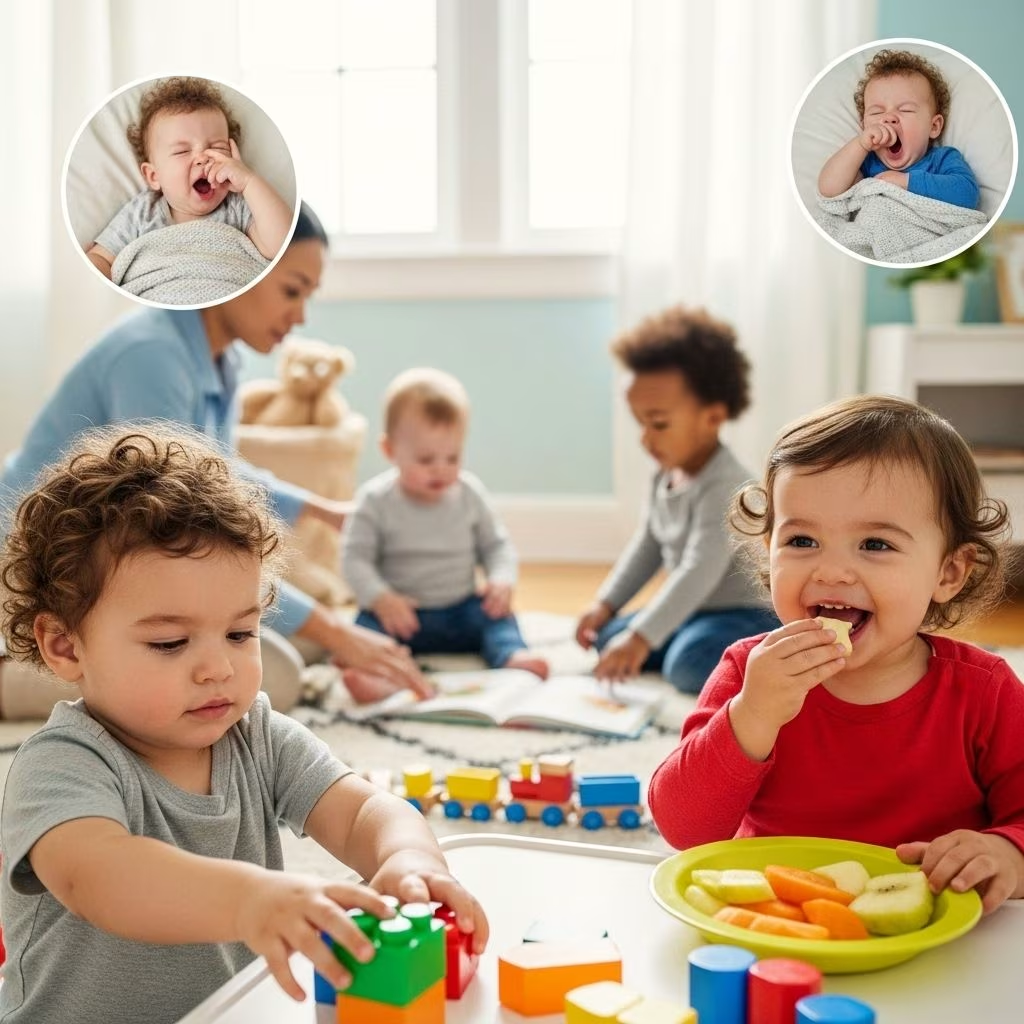
Establishing a predictable, loving daily routine is one of the most powerful ways to support your toddler’s development, physical health, and emotional security. This detailed guide will help you understand why consistency matters, how to structure each part of your toddler’s day, and how to adapt routines to fit your unique family life.
Why Consistency Matters for Toddlers
Consistent routines provide toddlers with a sense of safety, predictability, and emotional stability. A set schedule reduces anxiety, supports brain development, and helps with transitions throughout the day. By knowing what comes next, toddlers are less likely to resist daily activities, making mealtimes, naps, and bedtimes smoother for everyone.
Children thrive on repetition, and regular rhythms promote:
- Secure attachment between parent and child
- Healthy sleep habits and better rest
- Development of self-control and emotional regulation
- Enhanced independence through practicing self-care routines
- Improved transitions between activities, reducing tantrums and power struggles
While flexibility is important, a predictable routine offers the foundation toddlers need to feel confident and secure in their world.
Core Elements of a Toddler Daily Routine
Every family’s schedule will look slightly different, but a balanced toddler routine typically includes these essential components:
- Waking up and morning transition
- Mealtimes (breakfast, lunch, dinner, and snacks)
- Personal hygiene (dressing, brushing teeth, washing)
- Active play (indoor/outdoor, structured/unstructured)
- Learning and creative activities
- Rest time (naps or quiet time)
- Social engagement (family time, playdates, outings)
- Bedtime preparation and sleep
Integrating all these elements into your child’s day not only meets their physical needs but also supports cognitive growth and emotional well-being.
Building Your Toddler’s Schedule
There is no single “best” routine for every child. Instead, create a schedule that suits your family’s lives, work, and rhythm.
Here are the steps to design an effective daily routine:
- Identify key anchor points, such as wake time, meal times, nap(s), and bedtime.
- Add in hygiene routines (dressing, brushing teeth, etc.) soon after waking and before sleeping.
- Include blocks for play, creative learning, socialization, and rest.
- Balance structured and unstructured time to encourage both independence and guided exploration.
- Allow gaps for transition (moving from one activity to the next).
Your routine should meet your toddler’s individual needs for food, sleep, movement, and connection, while also aligning with parental responsibilities and household dynamics. Every routine should be viewed as a guideline, not a rigid rule. Children’s temperament, developmental stage, and daily variations all play a role.
Sample Toddler Daily Schedules
These sample schedules illustrate how you might sequence a toddler’s day. Modify times and activities to fit your lifestyle:
Sample Weekday Schedule for Toddlers
| Time | Activity |
|---|---|
| 7:00 AM | Wake up, cuddle, quiet play |
| 7:30 AM | Breakfast |
| 8:00 AM | Dress, brush teeth, morning hygiene |
| 8:30 AM | Free play or morning activity |
| 9:00 AM | Outing (park/playgroup/errands) |
| 11:00 AM | Return home, quiet independent play or storytime |
| 12:00 PM | Lunch |
| 1:00 PM | Nap or quiet time (1-2 hours) |
| 3:00 PM | Snack |
| 3:30 PM | Afternoon outdoor play |
| 5:00 PM | TV or independent play (short duration) |
| 5:45 PM | Dinner |
| 6:30 PM | Bath, pajamas, nighttime hygiene |
| 7:00 PM | Bedtime stories, cuddles, lights out |
This sample can be adjusted for later or earlier wake times, family activities, school/daycare drop-offs, or siblings.
Sample Weekend/Home-Based Toddler Routine
- 7:00 AM: Wake up, gentle start to the day
- 7:30 AM: Breakfast, family time
- 8:00 AM: Hygiene, dress, independent play
- 9:00 AM: Family outing (park/playdate/library)
- 11:00 AM: Creative activity (art, blocks, music)
- 12:00 PM: Lunch
- 1:00 PM: Nap or quiet time
- 3:00 PM: Snack, parent-led play
- 4:00 PM: Outdoor play or neighborhood walk
- 5:30 PM: Screen time (if used)
- 5:45 PM: Dinner
- 6:30 PM: Bath, pajamas, wind down
- 7:00 PM: Bedtime routine (stories, cuddles, sleep)
Every family adjusts routines for specific needs—siblings, parental work hours, household culture, and child preferences all matter.
Nap and Sleep Guidelines:
- Most toddlers (ages 2-4) need 1.5–3 hours of daytime napping.
- Nighttime sleep should target 10–12 hours.
- As toddlers grow, naps shorten or drop; quiet time can replace formal naps.
Tips for Maintaining and Adapting Routines
- Be consistent with anchor points (wake, meals, naps, bedtime) even if you need to adapt activities.
- Signal transitions with songs, visual timers, or gentle reminders. Toddlers benefit from clear cues.
- Offer choices within structure (“Do you want a bath or stories first?”) to foster autonomy.
- Balance active and quiet times to prevent overstimulation.
- Review and revise your routine periodically—new developmental stages often call for tweaks.
- Communicate routines visually with picture charts for pre-verbal or emerging speakers.
- Allow for flexibility—occasional change is normal and helps teach adaptability.
Managing Challenges and Flexibility
Despite your best efforts, some days will feel chaotic. Here’s how to navigate common hurdles:
- Power struggles and resistance: Validate feelings, use playful approaches, and give limited choices.
- Big Emotions: Model patience; avoid power struggles during meltdowns. Consistent routines help minimize but not eliminate these moments.
- Dropping naps: Transition to quiet time—offer books, puzzles, or soft toys.
- Early wake-ups: Try “morning quiet time” in their room, or use a visual timer.
- Irregular schedules due to travel, illness, or events: Maintain basic anchor points and offer extra comfort; return to routine as soon as possible.
- Sibling or multiple-child routines: Stagger key events or involve older children in helping with transitions.
Remember: It’s about rhythm, not perfection. Predictability, warmth, and patience make routines effective, not rigid adherence to the clock.
Frequently Asked Questions (FAQs)
Q: How strict should a toddler routine be?
A: The routine should be predictable but flexible. Consistent anchor points (meals, naps, bedtime) are most important; fill in the rest according to your family’s needs and allow for changes as necessary.
Q: What do I do if my toddler resists naps?
A: Replace nap time with quiet activities for rest, even if your child does not sleep. Use books, calm music, or soft toys to encourage restful downtime.
Q: How do I handle days with lots of errands or schedule disruptions?
A: Try to keep main events (meals, naps, bedtime) consistent. Prepare your child by discussing changes in advance and bring comfort objects or snacks to help with transitions.
Q: When should a toddler transition from 2 naps to 1?
A: Most children drop the second nap between 15–18 months and may stop napping altogether around age 3–4. Watch for less sleepiness and increased resistance at former nap times.
Q: Do all toddlers need the same amount of sleep?
A: No. There are age-based guidelines, but each child’s sleep needs are individual. Look for signs of tiredness and adjust bedtimes or nap durations accordingly.
Key Takeaways
- A predictable routine creates a sense of security and happiness in toddlers, making daily life calmer for all.
- Anchor your day with consistent timings for meals, sleep, and essential care routines.
- Adapt routines to fit your family’s individual needs, allowing room for both structure and flexibility.
- Address power struggles and big emotions with empathy and playful parenting, especially during transitions and nap drop periods.
- When deviations occur, return to core routines to re-establish predictability and calm.
Ultimately, an effective toddler routine is about creating a nurturing rhythm that supports growth, promotes autonomy, and brings joy and peace to family life.
References
- https://kiddikollege.com/why-toddler-routines-are-important/
- https://www.becauseisaidsobaby.com/2020/09/3-year-olds-daily-routine/
- https://www.timetimer.com/blogs/news/sample-toddler-daily-routines-from-a-pediatric-ot
- https://busytoddler.com/daily-routine-toddlers/
- https://www.takingcarababies.com/blogs/sleep-schedules/toddler-nap-schedules-for-2-3-and-4-year-olds
- https://thoughtfulparent.com/stay-at-home-mom-schedule-for-toddlers.html


