


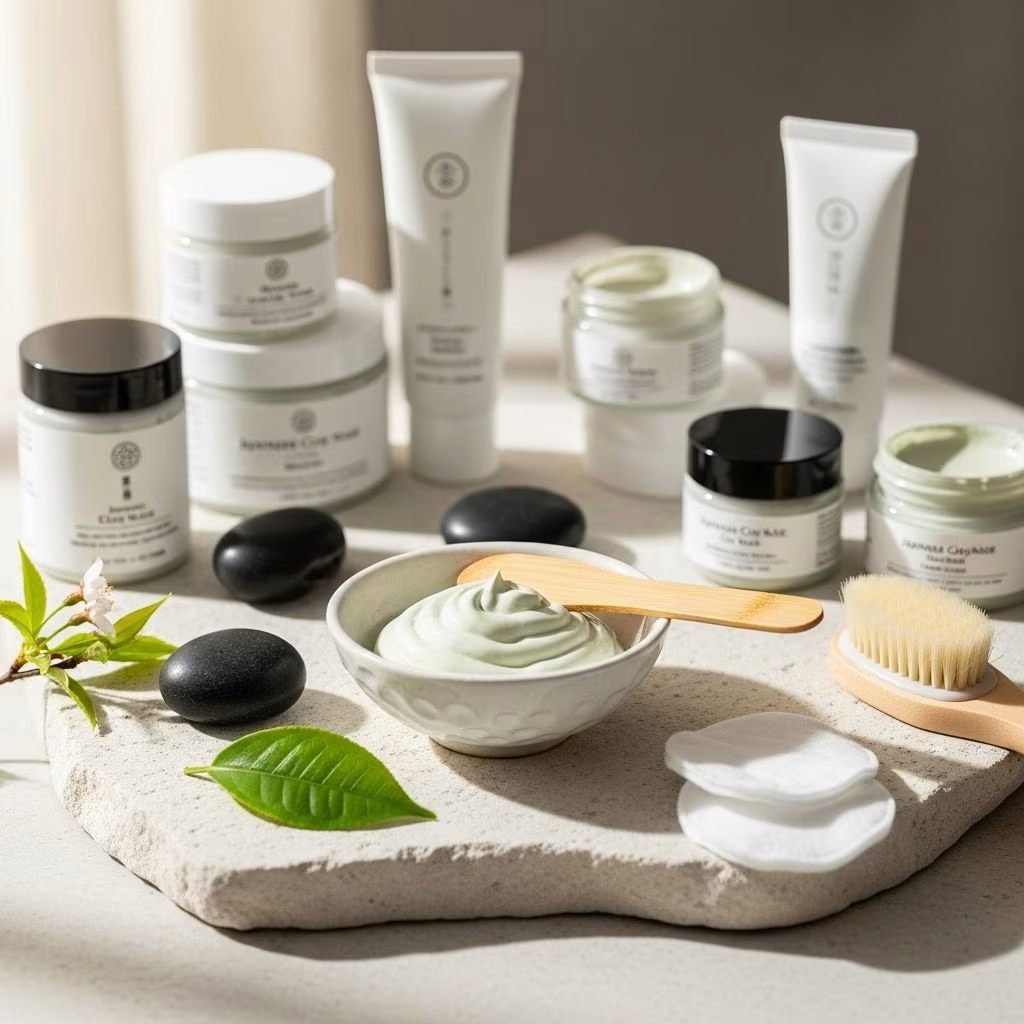
Japanese Clay Masks for Different Pore Concerns
Japanese clay masks have gained international attention for their ability to deeply cleanse, refine, and balance the skin by addressing various pore concerns. Rooted in centuries-old beauty traditions and powered by mineral-rich clays found throughout Japan, these masks offer solutions for oily, acne-prone, dry, and sensitive skin. This comprehensive guide explores how specific Japanese clays target pore issues, explains the science behind their benefits, and provides actionable advice for choosing and using clay masks for radiant, healthier-looking skin.
Introduction to Japanese Clay Masks
For centuries, Japanese beauty regimens have harnessed the natural power of clay to purify, detoxify, and replenish the skin. Unlike many commercial masks, Japanese clay masks often feature locally-sourced ingredients—including volcanic ash, mineral-rich earth, and unique botanicals—making them particularly effective for addressing pore concerns. The most famous varieties include Okinawa Kucha, Kaolin, and Pink Clay, each offering distinct benefits for pore refinement and skin texture.
How Clay Masks Benefit Pores
- Deep Cleansing: Clay masks penetrate the skin to pull out impurities, excess sebum, and dirt from within the pores, helping minimize their appearance and prevent clogging.
- Detoxification: Rich mineral content, such as magnesium and silica, aids in drawing out toxins and pollutants, making these masks ideal for urban environments with high exposure to contaminants.
- Oil Control: By absorbing excess oil, clay masks help balance sebum production, reducing shine and the probability of breakouts.
- Pore Tightening: Regular use can visibly tighten pores, smoothen skin texture, and leave the complexion appearing clearer and more refined.
- Gentle Hydration: Some Japanese clay masks, especially those blended with botanicals, offer hydrating benefits, ensuring the skin remains plump without stripping essential moisture.
Ultimately, clay masks offer both immediate and cumulative improvements, making them a staple for those concerned with enlarged or congested pores.
Types of Japanese Clay in Skincare
Japan’s rich geological landscape yields several unique clays with specialized skincare properties. The key types used in top Japanese clay masks include:
- Okinawa Kucha Clay
- Found primarily in Okinawa’s subtropical island.
- Kucha is a fine, volcanic ash clay renowned for its powerful oil-absorbing and pore-refining abilities.
- Often combined with konjac (a root vegetable) and volcanic ash for added exfoliation and detoxification.
- Recommended for oily, blemish-prone, and combination skin types.
- Kaolin Clay
- Available in white, red, pink, brown, and yellow hues, with mineral content influencing the color and potency.
- White kaolin is gentle and suitable for sensitive, dry, or acne-prone skin.
- Red kaolin, rich in iron oxide, offers enhanced oil absorption.
- Routine use helps restore skin elasticity and reduce fine lines while refining pores.
- Bentonite Clay
- A detoxifying clay with strong absorbent properties, best for deep pore cleansing.
- Ideal for oily and acne-prone skin, though use should be moderated for sensitive skin due to its intensity.
- Pink Clay
- Blended varieties often contain kaolin and mineral-rich iron oxide.
- Known for gentle hydration and mild detox properties.
- Suitable for dull, dehydrated, or sensitive skin needing a glow boost.
To maximize benefits, many Japanese brands blend these clays with traditional botanicals and fruit extracts—for example, the use of Kakadu Plum, pomegranate, and mangosteen for added antioxidants and radiance.
Comparison Table: Japanese Clays & Pore Benefits
| Clay Type | Source | Pore Concerns Addressed | Ideal For | Main Benefits |
|---|---|---|---|---|
| Okinawa Kucha Clay | Okinawa (Volcanic origin) | Enlarged, congested pores; excess oil | Oily/Combination | Deep cleansing, oil absorption, pore-tightening |
| Kaolin Clay (White) | Japan, Australia, China | Sensitive, dry or mildly congested pores | Sensitive/Dry/Acne-prone | Mild cleansing, minimizes irritation, improves elasticity |
| Kaolin Clay (Red/Pink) | Japan, Australia, Brazil | Enlarged pores, excess oil, dull skin | Oily/Dull | Oil control, radiance, mild detox |
| Bentonite Clay | Volcanic Ash Deposits | Severely clogged, acne-prone pores | Oily/Acne-prone | Intense detox, draws out impurities, reduces breakouts |
| Pink Clay | Blend (Kaolin & Iron Oxide) | Dehydrated, tired pores | Sensitive/Dull | Hydration, gentle cleanse, brightening |
Choosing a Clay Mask by Pore Concern
The effectiveness of Japanese clay masks depends on selecting the right formula for your unique pore issues. The following guide matches popular types with typical pore challenges:
- For Large and Visible Pores:
- Choose Okinawa Kucha Clay or Bentonite Clay masks—they provide deep cleansing and efficient pore-tightening, reducing the visibility and likelihood of blockages.
- Include exfoliating agents like konjac to help remove dead skin and refine texture.
- For Congested and Acne-Prone Pores:
- Bentonite and Red Kaolin are preferable for drawing out deep impurities and combating oil-induced breakouts.
- Look for formulas with antibacterial and soothing botanicals, such as green tea or licorice extracts.
- For Sensitive or Irritated Skin:
- Opt for White Kaolin Clay, known for its mildness and ability to cleanse without causing redness or dryness.
- Pink clay masks, especially those formulated with hydrating fruit extracts, are also suitable for restoring balance and softness.
- For Oily Skin with Excess Sebum Production:
- Kaolin and Kucha clay are experts at absorbing oil, tightening pores, and keeping shine at bay.
- Regular weekly use prevents long-term pore stretch and congestion.
Application and Use for Best Results
Following an effective application routine ensures optimum results and minimizes the risk of irritation, especially if you use potent detoxifying clays. Here is the optimal method for using Japanese clay masks to address pore concerns:
- Cleansing: Begin with a gentle cleanser to remove superficial dirt and oil.
- Even Application: Apply a thin, even layer of clay mask across the face, focusing on areas of greatest concern (typically the cheeks, nose, and forehead).
- Duration: Leave the mask on for 5–10 minutes; avoid letting it fully dry or crack, as this can irritate the skin and strip moisture.
- Rinsing: Use lukewarm water and gentle circular motions to remove the mask, which also benefits exfoliation.
- Moisturizing: Always follow with a lightweight moisturizer or serum to rehydrate and balance the skin.
Frequency varies by skin type, but most experts recommend 1–2 times per week for oily or acne-prone skin, and once every other week for sensitive or dry skin. Overuse can disrupt your skin’s natural barrier and cause dryness.
- TIP: Incorporate clay masks into a “skin gritting” routine with oil cleansers for extra deep pore-purification.
Frequently Asked Questions (FAQs)
How often should I use a Japanese clay mask?
For oily and acne-prone skin, 1–2 times per week is ideal. Sensitive or dry skin types should limit use to once every other week to prevent irritation.
Can clay masks help reduce blackheads?
Yes, the pore-decongesting action of clay masks helps lift impurities and oils, minimizing blackheads and preventing new ones from forming.
Are Japanese clay masks safe for sensitive skin?
White Kaolin and Pink Clay varieties are generally safe for sensitive skin, providing gentle cleansing without excessive dryness. Always patch test first.
Will clay masks make my pores disappear?
Clay masks do not permanently eliminate pores but they can make them appear smaller and less noticeable by keeping them clean and preventing stretching.
What is the difference between sheet masks and clay masks for pores?
Sheet masks mainly hydrate and brighten, while clay masks decongest pores by absorbing oils and impurities. Clay masks are better suited for deep cleansing and pore refinement; sheet masks complement moisture and radiance needs.
Conclusion
Japanese clay masks offer targeted solutions for a variety of pore concerns by harnessing the power of mineral-rich clays and traditional botanicals. Whether you struggle with oily, congested pores or seek a gentle option for sensitive skin, there is a Japanese clay mask designed for your needs. By choosing the right formula and applying it consistently, you can achieve clearer, smoother, and healthier skin—embracing a time-honored ritual that brings visible results to modern skincare routines.
References
- https://www.sandandsky.com/blogs/news/understanding-the-types-of-clay-masks-their-benefits
- https://www.youtube.com/watch?v=mDTXZIyARXQ
- https://www.skincare.com/expert-advice/ask-the-expert/clay-mask-benefits
- https://www.tatcha.com/blog/Okinawa’s-Timeless-Beauty-Secret.html
- https://kblcosmetics.com/blogs/news/what-clay-is-best-for-a-face-mask
- https://www.dermstore.com/blog/how-do-clay-masks-work/


