


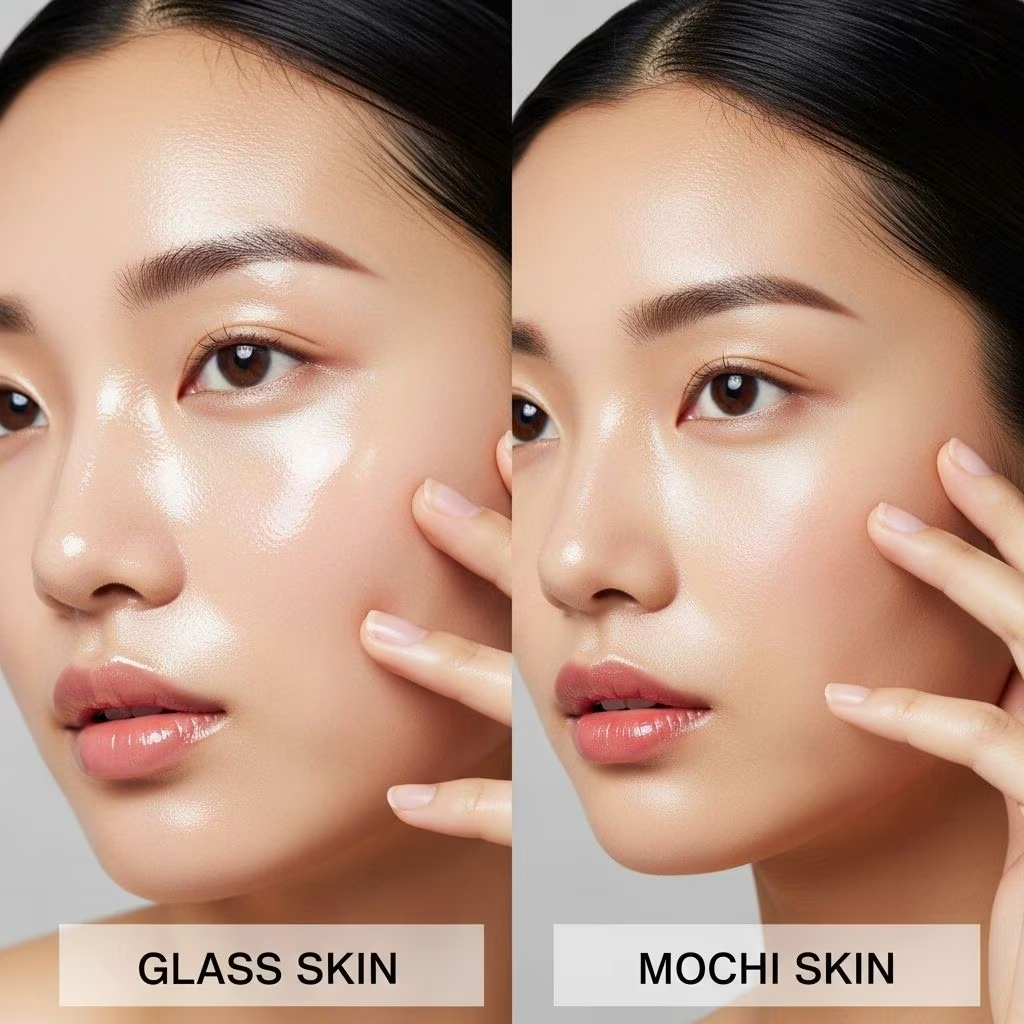
The world of beauty has been captivated by two major skincare trends that have emerged from East Asia: glass skin from Korea and mochi skin from Japan. Both promise flawless, enviable complexions, but they take distinctly different approaches to achieving skincare perfection. Understanding these differences is crucial for anyone looking to elevate their skincare routine and determine which aesthetic aligns best with their personal goals and lifestyle.
While glass skin has dominated the beauty conversation since 2017, mochi skin has emerged as a compelling alternative that challenges the notion that dewy, reflective skin is the only path to perfection. These trends represent more than just different finishing touches—they embody entirely different philosophies about what constitutes healthy, beautiful skin.
Understanding Glass Skin: The K-Beauty Phenomenon
Glass skin burst onto the global beauty scene when Los Angeles-based makeup artist Ellie Choi shared her skincare regimen that produced a complexion so clear, smooth, and luminous that it appeared almost transparent and reflective, like a pane of glass. This K-beauty trend quickly became the gold standard for skincare enthusiasts worldwide, inspiring countless tutorials, dedicated product lines, and specialized beauty treatments.
The glass skin aesthetic is characterized by several key features. The skin appears exceptionally dewy and glowy, with a wet-skin appearance that catches and reflects light beautifully. The complexion is incredibly smooth, appearing poreless and free of texture irregularities. Hydration is paramount, creating that characteristic plumpness and translucency. The overall effect is one of luminosity—skin that seems to glow from within while maintaining a polished, almost lacquered surface.
Achieving glass skin requires dedication to a multi-step skincare routine that has become synonymous with K-beauty. The process typically involves double cleansing to ensure complete removal of impurities, followed by exfoliation to maintain smooth texture and promote cell turnover. Toners prepare the skin for optimal product absorption, while essences provide deep hydration. Serums target specific concerns such as hyperpigmentation or fine lines, and ampoules deliver concentrated treatments for extra nourishment. Sheet masks offer intensive hydration sessions, eye creams address the delicate orbital area, moisturizers seal in all the beneficial ingredients, and sunscreen provides crucial protection against UV damage and premature aging.
Exploring Mochi Skin: Japan’s Answer to Beauty Perfection
Mochi skin, or mochi hada as it’s known in Japan, takes its name from the beloved Japanese rice cake dessert that’s prized for its soft, pillowy texture and subtle sweetness. This J-beauty trend represents a different vision of skincare perfection—one that prioritizes a velvety, matte finish over high-shine dewiness while still maintaining that coveted smoothness and clarity.
The defining characteristics of mochi skin set it apart from its K-beauty counterpart. The finish is decidedly matte and velvety, with a powdery softness rather than reflective shine. The emphasis is on bounce and plumpness, replicating the squishy, elastic texture of actual mochi. The skin maintains a silky smoothness that’s free of visible pores and texture issues. Unlike glass skin’s wet appearance, mochi skin offers shine-free radiance—a luminosity that comes from skin health rather than surface reflection. The complexion appears neither too oily nor too dry, achieving perfect balance.
The Japanese approach to achieving mochi skin is notably more minimalist than the extensive K-beauty regimen. The routine typically follows four essential steps that focus on quality over quantity. Double cleansing remains important, using an oil-based cleanser followed by a water-based one to gently remove impurities without stripping the skin. Gentle exfoliation with mild toning products helps polish the skin without causing irritation. Deep hydration comes from lightweight toners, essences, or serums that penetrate effectively without heaviness. Protection focuses on ceramide-rich products and diligent sunscreen application to maintain skin barrier health.
The Core Differences Between Glass Skin and Mochi Skin
While both trends share common ground in their pursuit of poreless, hydrated, clear, translucent, and smooth skin, the divergence in their ultimate goals and methods is significant and worth examining in detail.
The most immediately noticeable difference lies in the finish and texture. Glass skin creates a wet, reflective appearance that catches light dramatically, producing a mirror-like quality that’s instantly recognizable. Mochi skin, conversely, offers a matte, velvety surface with a powdery softness that absorbs rather than reflects light. This fundamental difference in finish affects everything from product selection to application techniques.
The philosophical approach to skincare differs substantially between these two trends. Glass skin emphasizes visible hydration and dewiness, celebrating moisture on the skin’s surface as a sign of health and vitality. The routine is elaborate and layered, with multiple products working together to create that characteristic glassy finish. Mochi skin prioritizes internal skin health manifesting as external softness and bounce, focusing on skin elasticity and firmness. The approach is simplified and streamlined, with fewer steps that emphasize efficacy and quality ingredients over quantity of products.
Climate considerations play a significant role in determining which trend might work better for different individuals. Glass skin’s dewy finish can be challenging to maintain in hot, humid environments where excess moisture and shine may become problematic throughout the day. Mochi skin’s matte finish proves more practical for warm climates, humid conditions, and situations where shine control is desirable. This makes mochi skin particularly appealing for those living in tropical regions or dealing with combination to oily skin types.
Comparing Glass Skin and Mochi Skin: A Detailed Analysis
| Feature | Glass Skin | Mochi Skin |
|---|---|---|
| Origin | Korean Beauty (K-Beauty) | Japanese Beauty (J-Beauty) |
| Finish | Dewy, wet-looking, reflective | Matte, velvety, powdery |
| Texture Focus | Light-reflecting smoothness | Bouncy, plump elasticity |
| Routine Complexity | Multi-step (often 10+ steps) | Minimalist (typically 4 steps) |
| Key Products | Essences, ampoules, sheet masks | Ceramide-rich products, lightweight hydrators |
| Best For | Dry to normal skin, cooler climates | All skin types, humid climates |
| Hydration Approach | Layered surface moisture | Deep internal hydration |
| Shine Level | High shine, glassy reflection | Shine-free radiance |
| Maintenance | Requires frequent touch-ups | Longer-lasting throughout the day |
Who Should Choose Glass Skin?
Glass skin proves ideal for specific skin types and lifestyle circumstances. Those with dry to normal skin types benefit most from the intensive hydration that glass skin routines provide. The multiple layers of moisture-rich products help combat dryness and create that coveted plumpness. Individuals living in cooler, drier climates find that glass skin’s dewy finish doesn’t become problematic, as environmental conditions help balance the extra moisture on the skin’s surface.
People who enjoy elaborate skincare rituals and find satisfaction in multi-step routines thrive with the glass skin approach. The process itself becomes a form of self-care, with each layer building upon the previous one. Those seeking maximum hydration and plumpness, particularly those concerned with fine lines and dehydration, appreciate the intensive moisture delivery that glass skin emphasizes. If you prefer makeup-free looks that showcase natural skin or minimal coverage that allows your complexion to shine through, glass skin provides an excellent canvas.
Who Should Choose Mochi Skin?
Mochi skin appeals to a different set of preferences and circumstances. It works exceptionally well for all skin types, including oily and combination skin that might struggle with the excess shine of glass skin. The matte finish helps control oil production throughout the day while still maintaining healthy hydration levels beneath the surface.
Those living in hot, humid climates find mochi skin more practical and comfortable. The shine-free finish doesn’t compete with environmental moisture, and the lighter product layers don’t feel heavy or suffocating in warm weather. Individuals who prefer streamlined routines without sacrificing results appreciate the minimalist approach that still delivers visible improvements in skin quality. People with time constraints or those traveling frequently benefit from the simplified regimen.
If you favor matte or semi-matte finishes in your makeup and skincare, mochi skin aligns perfectly with this aesthetic preference. Those seeking bounce and elasticity as primary skin goals, particularly those concerned with firmness and skin laxity, find that mochi skin’s emphasis on these qualities addresses their specific concerns effectively.
Achieving Glass Skin: Step-by-Step Guide
Creating the perfect glass skin complexion requires commitment to a comprehensive routine and strategic product selection. Begin with thorough double cleansing, starting with an oil-based cleanser to dissolve makeup, sunscreen, and oil-based impurities, followed by a water-based cleanser to remove any remaining residue and prepare skin for treatment products.
Exfoliation should be performed regularly but gently, typically two to three times weekly, using chemical exfoliants like AHAs or BHAs rather than harsh physical scrubs. This maintains smoothness without compromising the skin barrier. Apply a hydrating toner immediately after cleansing to replenish moisture and prepare skin to absorb subsequent products more effectively.
Layer an essence, which is lighter than serum but more concentrated than toner, to provide an extra boost of hydration and beneficial ingredients. Follow with targeted serums addressing specific concerns such as brightening, anti-aging, or hydration. For intensive treatment, add an ampoule, which contains the highest concentration of active ingredients.
Incorporate sheet masks two to three times weekly for intensive hydration sessions that flood the skin with moisture and nutrients. Apply eye cream to address the delicate orbital area where skin is thinner and more prone to showing signs of aging. Seal everything with a moisturizer appropriate for your skin type, ensuring all the beneficial products remain on the skin rather than evaporating.
Never skip sunscreen during daytime routines, as UV protection is crucial for maintaining clear, healthy skin and preventing the damage that would undermine all your other efforts. For evening routines, consider incorporating sleeping masks or overnight treatments that work while you rest.
Achieving Mochi Skin: Step-by-Step Guide
The path to mochi skin is more streamlined but equally effective when executed properly. Start with the same double cleansing method, using an oil cleanser followed by a gentle water-based cleanser to ensure complete removal of impurities without stripping natural oils or disrupting the skin barrier.
Use a mild exfoliating toner that polishes the skin gently, maintaining smoothness without irritation. Japanese skincare often favors fermented ingredients and gentle acids that refine texture over time rather than aggressive treatments that can compromise skin health.
Apply lightweight yet deeply penetrating hydration through toners, essences, or serums. Japanese formulations often feature ingredients like hyaluronic acid, ceramides, and rice extracts that provide moisture without heaviness. The focus is on products that absorb completely, leaving no residue or tackiness.
Incorporate ceramide-rich products to strengthen the skin barrier and maintain that characteristic plumpness and bounce. Ceramides are naturally occurring lipids in the skin that help retain moisture and protect against environmental stressors. Finally, never compromise on sun protection, as Japanese skincare places enormous emphasis on preventing damage before it occurs rather than treating it afterward.
Key Ingredients for Glass Skin Success
Achieving glass skin relies heavily on specific ingredients known for their hydrating and illuminating properties. Hyaluronic acid stands as perhaps the most crucial component, capable of holding up to 1000 times its weight in water, providing intense hydration that plumps the skin and creates that characteristic glassy appearance.
Niacinamide brightens the complexion, refines pores, and regulates oil production while strengthening the skin barrier. Glycerin acts as a powerful humectant, drawing moisture from the environment into the skin and helping maintain hydration throughout the day. Snail mucin, a K-beauty favorite, provides multiple benefits including hydration, healing, and texture improvement.
Fermented ingredients like galactomyces and bifida ferment filtrate are probiotic powerhouses that enhance absorption of other products while providing their own beneficial properties. Propolis offers antibacterial and anti-inflammatory benefits while promoting healing and skin clarity.
Key Ingredients for Mochi Skin Success
Mochi skin relies on ingredients that emphasize internal skin health and barrier function. Ceramides are absolutely essential, as these lipids strengthen the skin barrier, prevent moisture loss, and contribute significantly to that bouncy, resilient texture characteristic of mochi skin.
Rice extracts and rice water, fundamental to Japanese skincare for centuries, brighten, soften, and nourish the skin while providing gentle enzymatic exfoliation. Squalane, often derived from olives in Japanese formulations, mimics skin’s natural oils to provide lightweight yet effective moisture without greasiness.
Collagen and elastin-boosting ingredients help maintain firmness and bounce, addressing the structural components of skin that contribute to its texture and resilience. Green tea extract provides powerful antioxidant protection while soothing inflammation and supporting overall skin health.
Can You Combine Both Approaches?
The beauty of modern skincare is that you’re not locked into a single philosophy. Many skincare enthusiasts find success in creating hybrid routines that incorporate elements of both glass skin and mochi skin approaches, adapting their regimen based on season, climate, skin condition, and personal preference.
During colder, drier months, you might lean more heavily into glass skin techniques, embracing additional hydration and that dewy finish to combat environmental dryness. In warmer, more humid seasons, shifting toward mochi skin’s matte approach can help manage shine while maintaining skin health. Some people adopt glass skin routines for evening and special occasions when they want maximum luminosity, while using mochi skin techniques for daytime and work environments where a matte finish proves more practical.
You can also customize your approach based on skin zones, using matte-focused products in oily areas like the T-zone while applying more hydrating, dewy products to drier areas like cheeks. The key is understanding the principles behind each approach and selecting elements that serve your specific skin needs and aesthetic preferences.
Common Mistakes to Avoid
Regardless of which trend you pursue, certain mistakes can undermine your results. Over-exfoliating in pursuit of smooth skin can damage the skin barrier, leading to sensitivity, irritation, and the very texture issues you’re trying to eliminate. More isn’t always better—listen to your skin and adjust accordingly.
Skipping sunscreen compromises all your other efforts, as UV damage creates pigmentation, texture issues, and premature aging that no amount of skincare can fully reverse. Sun protection should be non-negotiable in any routine. Using products unsuitable for your skin type leads to problems regardless of how well-reviewed or expensive they are. A product that works beautifully for dry skin might cause breakouts on oily skin, and vice versa.
Expecting overnight results sets you up for disappointment and frustration. Real improvements in skin quality take time, typically requiring consistent effort over weeks or months to see significant changes. Neglecting the skin barrier in pursuit of results causes long-term problems that are much harder to fix than they are to prevent. Barrier health should always be a priority.
The Verdict: Which Is Best?
The question of whether glass skin or mochi skin is “best” doesn’t have a universal answer because the ideal choice depends entirely on individual circumstances, preferences, and goals. Glass skin excels for those with dry skin in cooler climates who love elaborate routines and want maximum dewiness. Mochi skin proves superior for oily or combination skin in humid environments, for those who prefer simplified routines, and for anyone seeking shine control with maintained radiance.
Rather than viewing these trends as competing philosophies, consider them as different tools in your skincare arsenal. The best approach is the one you’ll maintain consistently, that works with your skin type and lifestyle, that makes you feel confident and comfortable, and that improves your skin health over time rather than compromising it.
Both glass skin and mochi skin share the fundamental goal of achieving healthy, clear, smooth complexions—they simply take different routes to get there. Understanding these differences empowers you to make informed choices about your skincare routine and adapt your approach as your needs change over time.
Frequently Asked Questions
Q: Can oily skin achieve glass skin without looking greasy?
A: Oily skin can achieve a modified version of glass skin by focusing on lightweight, oil-free hydrating products and using mattifying primers in the T-zone. However, many people with oily skin find mochi skin more sustainable and comfortable as it works with rather than against their skin’s natural tendencies.
Q: How long does it take to see results with either approach?
A: Initial improvements in hydration and texture may appear within one to two weeks of consistent routine implementation. However, significant transformation in skin clarity, tone, and overall quality typically requires six to twelve weeks of dedicated adherence to your chosen regimen.
Q: Do I need to use only Korean products for glass skin and Japanese products for mochi skin?
A: Not at all. While K-beauty and J-beauty products are formulated with these specific aesthetics in mind, the principles can be applied using products from any brand. Focus on the ingredients and finish rather than the country of origin when selecting products.
Q: Can mature skin achieve these looks?
A: Absolutely. Both approaches can benefit mature skin by emphasizing hydration, barrier health, and skin quality. Mochi skin’s focus on bounce and elasticity may be particularly appealing for mature skin, while glass skin’s intensive hydration helps plump fine lines and create a more youthful appearance.
Q: Are these trends suitable for sensitive skin?
A: Yes, but product selection becomes crucial. Sensitive skin should gravitate toward fragrance-free, minimal-ingredient formulations and introduce new products slowly. Mochi skin’s simplified routine may be easier for sensitive skin to tolerate than glass skin’s multiple layering steps.
Q: Do I need to wear makeup over either of these skin finishes?
A: Neither approach requires makeup—both aim to create such beautiful skin that foundation becomes optional. However, if you choose to wear makeup, both serve as excellent canvases. Light coverage or tinted moisturizers work beautifully over either finish without obscuring your skincare results.
References
- https://thejbeautycollection.com/blogs/news/mochi-skin-vs-glass-skin-whats-the-difference
- https://www.beautycrew.com.au/mochi-skin
- https://www.timesnownews.com/lifestyle/beauty/mochi-skin-or-glass-skin-whether-japanese-skincare-or-korean-just-tap-the-right-routine-article-117779605
- https://kaneshon.com/blog/the-j-beauty-answer-to-glass-skin-is-mochi-skin/
- https://belomed.com/the-base/mochi-skin-vs-glass-skin-whats-the-difference/
- https://us.upcirclebeauty.com/blogs/upcircle/mochi-skin
- https://asianbeautyessentials.com/blogs/the-idol-beauty-blog/japanese-beauty-regime


