


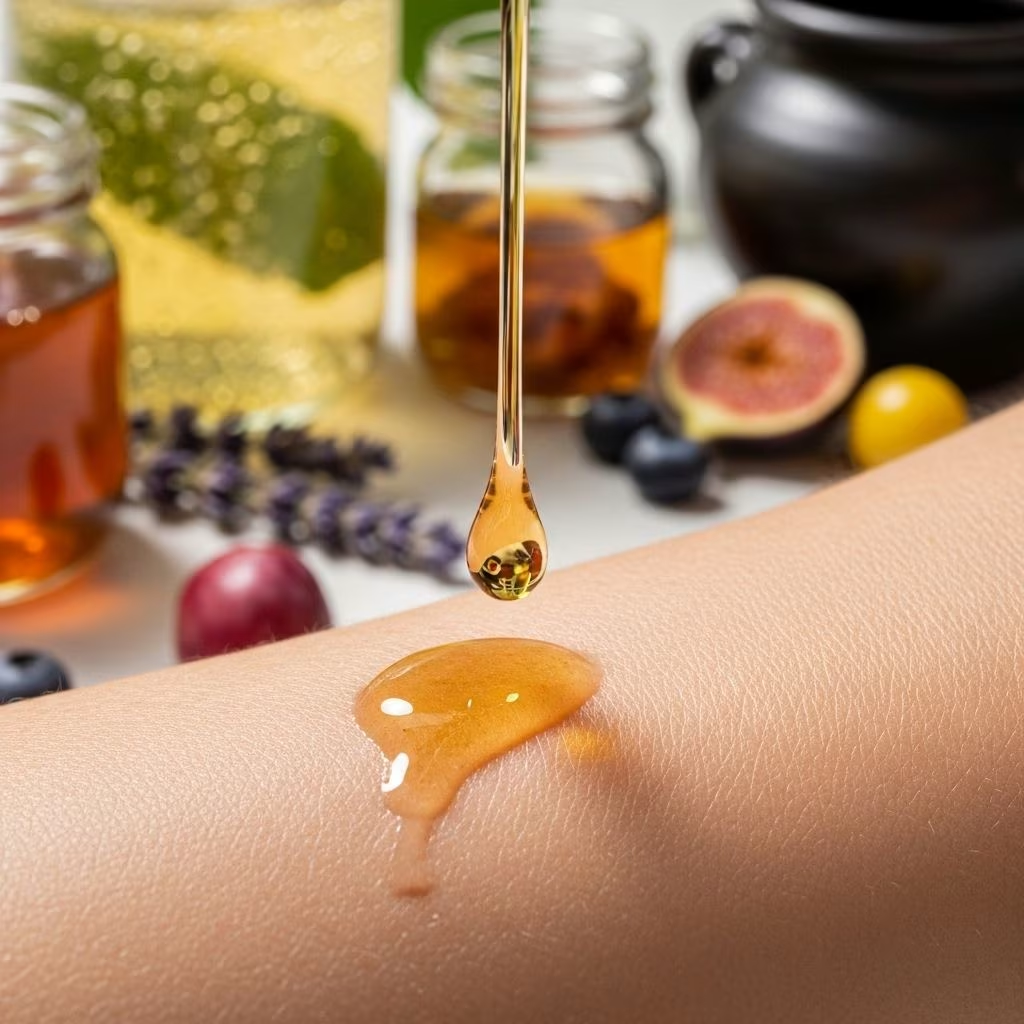
Japanese beauty (J-Beauty) is renowned for its minimalist yet highly effective skincare routines, deeply rooted in centuries-old traditions. At the cutting edge of J-Beauty innovation is double-fermentation—a process transforming natural ingredients into potent, skin-loving actives. This article delves into the origins, science, benefits, and application of double-fermentation in premium Japanese skincare, revealing how it fuels the next generation of radiant, resilient skin.
What is Double-Fermentation?
Double-fermentation refers to a process where natural ingredients undergo two distinct rounds of microbial fermentation—often involving specialized yeasts and bacteria. This technique further breaks down complex molecules, yielding highly bioavailable forms of vitamins, amino acids, peptides, and antioxidants. The result: ingredients that are more readily absorbed by the skin, with enhanced efficacy and gentleness.
- The first fermentation may utilize a specific microorganism (e.g., koji, a rice mold), breaking down starches and proteins into smaller molecules.
- The second fermentation uses a different microorganism or method to amplify active byproducts, refine texture, or neutralize irritants while boosting potency.
Fermentation in Japanese Skincare: A Brief History
Fermentation is integral to Japanese culture, spanning culinary traditions like sake brewing and the making of miso and shoyu. The skincare benefits of fermentation were famously discovered through observations of sake brewers’ hands—who maintained strikingly youthful, smooth skin despite their age. This insight prompted decades of research into harnessing fermentative processes for beauty, giving rise to the legendary SK-II Pitera fermentation and inspiring a new wave of double-fermentation technologies.
Fermentation remains a signature of premium J-Beauty brands, prized for transforming traditional botanicals and grains into powerful, skin-enhancing actives.
The Double-Fermentation Process Explained
The hallmark of double-fermentation is its multi-step approach, which refines and amplifies the benefits of natural ingredients. Here is how it unfolds in high-end J-Beauty skincare:
- Selection of Base Ingredient: Japanese brands often begin with rice, soybeans, or sake kasu (sake lees), which are nutrient-rich and conducive to fermentation.
- First Fermentation: The base ingredient undergoes controlled fermentation with select microbes (e.g., Aspergillus oryzae, Saccharomyces), breaking down macronutrients into bioactive compounds—peptides, amino acids, vitamins.
- Intermediate Processing: The product is filtered, concentrated, or otherwise refined to isolate beneficial compounds and ready them for a second fermentation.
- Second Fermentation: A different culture or extended fermentation time is introduced, further breaking down intermediates into ultra-small molecules (postbiotics), enhancing nutrient density, and ensuring maximum skin compatibility.
- Stabilization and Formulation: The double-fermented extract is stabilized and formulated into essences, lotions, and creams.
Summary Table: Double-Fermentation Stages
| Stage | Main Purpose | Outcome |
|---|---|---|
| First Fermentation | Break down macronutrients (proteins, starches) | Peptides, amino acids, basic vitamins |
| Second Fermentation | Further breakdown into postbiotics, refine actives | Ultra-bioavailable nutrients, antioxidants |
| Final Formulation | Stabilization and skin-friendly blending | Potent, gentle skincare products |
Bioactive Benefits of Double-Fermented Ingredients
- Superior Absorption: Enzymatic breakdown yields smaller, more penetrative molecules, maximizing the actives each drop delivers to the skin.
- Enhanced Potency: Vitamins (notably B and C), minerals, peptides, and organic acids are transformed into highly potent, concentrated forms.
- Reduced Irritation: Microbes can neutralize potential irritants and allergens, making these actives suitable for sensitive skin types.
- Microbiome Support: Double-fermentation fosters beneficial postbiotics—helping nourish and balance the skin’s natural microbiome barrier.
- Additional Benefits: Boosted hydration, brightening, anti-inflammation, and protection against environmental stressors due to antioxidants and amino acids.
Doctor and skincare expert Caroline Chang, MD, explains that smaller, pre-digested molecules make it easier for skin to harness the benefits of each ingredient, even if a person’s own enzyme profile is suboptimal.
Signature Double-Fermented Ingredients in J-Beauty
Japanese beauty brands utilize both time-honored and pioneering ingredients in their double-fermentation processes. Here are a few:
- Pitera™: A proprietary Galactomyces ferment filtrate, exclusive to SK-II, famed for its smoothing, brightening, and rejuvenating effects.
- Sake Kasu (Sake Lees): Byproduct of sake brewing, rich in amino acids, peptides, and arbutin—used for brightening, barrier repair, and hydration.
- Fermented Rice Extract: Sourced from traditional Japanese sake makers, deeply hydrates, improves elasticity, and imparts a dewy glow.
- Fermented Soy: Offers isoflavones and amino acids, supporting firmness and skin resilience.
- Koji Rice: Treasured for its moisturizing and skin-refining compounds produced during double fermentation.
How Double-Fermented Ingredients Enhance Skin Health
Modern clinical studies and centuries of anecdotal evidence support the effectiveness of double-fermented skincare in J-Beauty:
- Brightening: Active arbutin and antioxidants inhibit excess melanin production, reducing hyperpigmentation and enhancing radiance.
- Hydration: Small molecular weight hyaluronic acid and polysaccharides hold and deliver moisture deeply.
- Anti-Aging: Peptides and vitamins promote collagen synthesis and fortify skin against oxidative and UV damage, reducing fine lines and dullness.
- Barrier Protection: Ceramides and postbiotics from fermentation reinforce the lipid barrier and help optimize skin’s microbiome.
- Sensory Experience: Light, fast-absorbing essences and milky lotions leave skin plump, smooth, and luminous without heaviness.
J-Beauty vs. K-Beauty: Fermentation Approaches Compared
| Feature | J-Beauty (Japanese) | K-Beauty (Korean) |
|---|---|---|
| Fermentation Tradition | Sake, miso, soy, rice fermentation | Galactomyces, bifida, lactobacillus, diverse yeast fermentation |
| Hero Ingredients | Pitera (SK-II), sake kasu, fermented rice extracts | Galactomyces (Missha, COSRX), bifida (Estee Lauder), rice ferment filtrate |
| Main Focus | Barrier support, resilience, subtle glow | Quick radiance, intensive hydration, glass skin |
| Typical Fermentation Rounds | Double or extended fermentation with single-origin ingredients | Single fermentation, often blending multiple actives |
| Sensitivity Suitability | Mild, minimal, gentle formulations | Brightening, often potent; some may tingle on sensitive skin |
Both traditions strive for skin health and integrity, but double-fermentation in J-Beauty is characterized by extra refinement, aiming for both efficacy and supreme gentleness.
Incorporating Double-Fermented Skincare Into Your Routine
Double-fermented ingredients appear primarily in Japanese essences, lotions, toners, and creams. Here’s how to make the most of these advanced formulas:
- Start With Double Cleansing: The J-Beauty ritual begins with a thorough yet gentle double-cleanse, first with an oil cleanser to remove makeup and sunscreen, then a water-based cleanser to sweep away residual impurities and prepare skin for maximum absorption.
- Apply Double-Fermented Essences: After cleansing, use a double-fermented essence or lotion to deliver a surge of nutrients. Pat gently into the skin for optimal penetration.
- Layer Serums and Moisturizers: Follow with hydrating serums and creams, ideally containing fermented actives for synergy. Look for transparent, milky, or slightly viscous textures—signs of high ferment concentration.
- Seal with Sun Protection: Always finish with UV protection in the morning, as fermented actives protect and support, but do not replace, SPF.
For best results, focus on consistency and layering. Because double-fermented products are highly bioavailable, a little goes a long way—skin becomes more resilient, hydrated, and vibrant over time.
Frequently Asked Questions (FAQs)
Q: Is double-fermentation suitable for sensitive skin?
A: Yes. The process breaks down ingredients into smaller, less irritating molecules, often making double-fermented formulas gentler and more soothing than traditional actives.
Q: Which Japanese brands feature double-fermented technology?
A: Premium brands like SK-II, Albion, Tatcha, and Kikumasamune use double-fermented or extensively fermented extracts in their hero products.
Q: How is double-fermentation different from regular fermentation?
A: Regular fermentation involves a single microbial transformation, while double-fermentation means two sequential or synergistic fermentations—maximizing bioavailability and nutrient complexity.
Q: Can double-fermented products replace other actives in my routine?
A: They can deliver multilevel benefits (hydration, brightening, anti-aging), but for maximum results, combine them with sun protection and other targeted serums as needed.
Q: How long before results are visible?
A: With regular use, users often report improved hydration and radiance within a week, and smoother, firmer skin within 4–6 weeks.
Key Takeaways
- Double-fermentation is a next-level process in J-Beauty, converting natural botanicals and grains into powerhouse skincare actives.
- It maximizes absorption, potency, and gentleness through two synergistic fermentation rounds.
- Signature ingredients include Pitera, sake kasu, and fermented rice extracts—each nourishing and fortifying skin health.
- Double-fermented formulas integrate seamlessly into minimalist or multi-step routines, providing lasting glow, hydration, and resilience for all skin types.
References
- https://www.cassandrabankson.com/blogs/latest/the-benefits-of-fermented-skincare-in-k-beauty
- https://buymejapan.com/blogs/japanese-skincare-and-beauty/korean-vs-japanese-skincare-unveiling-top-differences
- https://www.youtube.com/watch?v=YpReJ_geaHU
- https://shikobeauty.com/blogs/how-tos/double-cleansing-routines-in-j-beauty-explained
- https://sokoglam.com/pages/10-step-korean-skincare-routine
- https://shikobeauty.com/blogs/how-tos/j-beauty-skincare-regimen
- https://madewithine.com/blogs/news/fermented-rice-water-guide
- https://www.albiongarden.com/blogs/news/the-abcs-of-j-beauty-with-albion-skincare
- https://www.tatcha.com/blog/japanese-skincare-routine.html


