


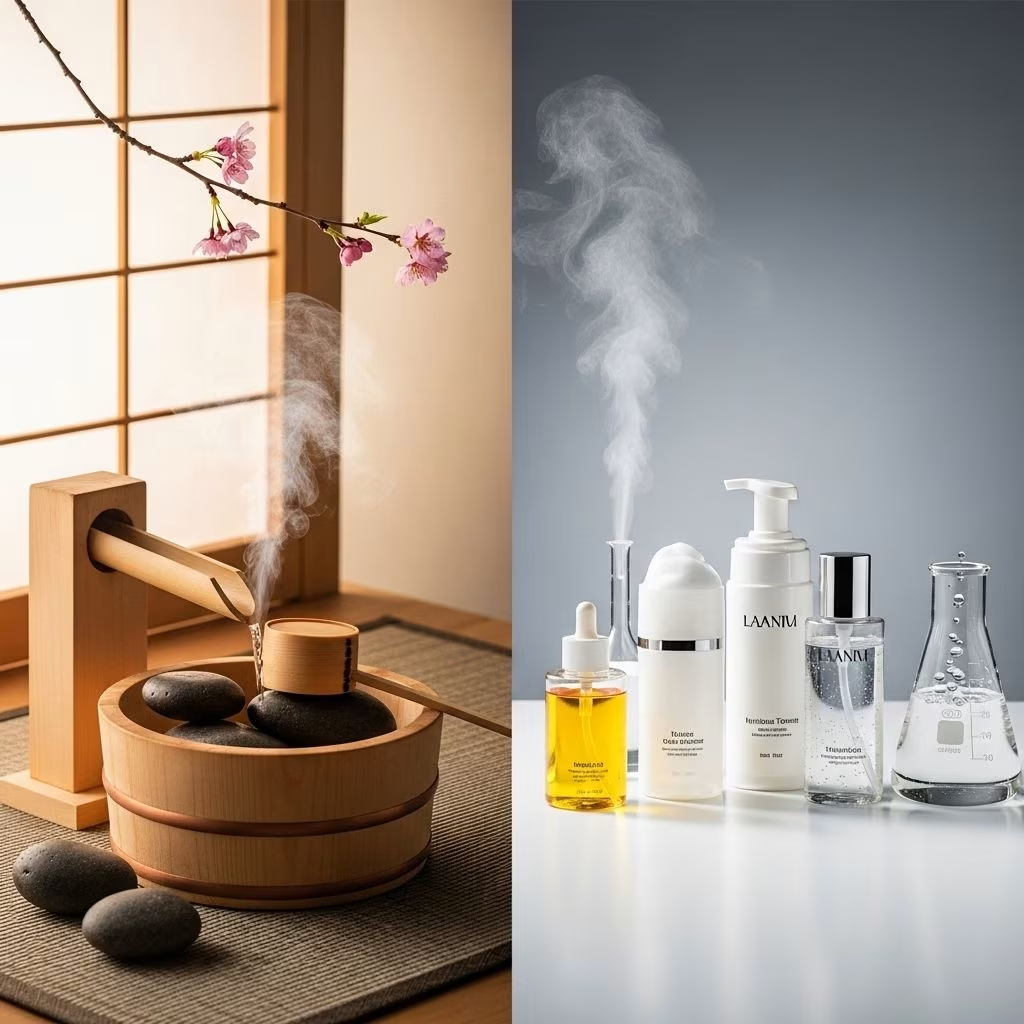
Japanese 4-2-4 Cleansing Method Review
The Japanese 4-2-4 cleansing method has gained global attention for its promise of deep cleansing, hydration, and improved skin health. This traditional ritual, embraced by beauty enthusiasts and skincare professionals alike, integrates mindful cleansing techniques with scientific rigor. In this comprehensive review, we analyze its origins, step-by-step protocol, benefits, drawbacks, compatibility with various skin types, expert opinions, and practical considerations, drawing insights from dermatologists and real-world users.
- Rooted in Japanese skincare traditions and adapted for modern routines.
- Focused on thorough, gentle cleansing and optimal skin hydration.
- Ideal for those invested in mindful, results-driven beauty rituals.
Introduction to the 4-2-4 Cleansing Method
The 4-2-4 cleansing method is a timed double-cleansing ritual renowned in Japanese skincare. Each number represents a phase:
- 4 minutes: Oil-based massage/cleanser dissolves oil-based impurities.
- 2 minutes: Water-based (or foaming) cleanser removes water-soluble dirt.
- 4 minutes: Alternating rinse, starting with warm water (opens pores), then cold (tightens and refreshes).
This method stands apart from standard cleansing routines with its extended time, attention to technique, and focus on both product and process to maximize skin health benefits .
History & Origins
The ritual traces its roots to Japanese skincare philosophy that values gentle, thorough cleansing without stripping the skin’s natural oils. It is closely related to the “double cleanse”—first using oils, then a foaming or water-based product. The 4-2-4 rule gained traction for adding a specifically timed framework and a focus on both physical massage and temperature variation during rinsing .
- Traditionally designed to suit humid climates and urban environments where pollutants accumulate on skin.
- Echoes the holistic approach of Japanese wellness, emphasizing regular, mindful skincare rituals.
Experts note the routine is not new but recently popularized in international circles for its visible results and unique approach .
Step-by-Step Guide to the 4-2-4 Method
Implementing the method requires quality products, gentle touch, and discipline with time. Here’s a breakdown:
| Step | Duration | Purpose | Method | Key Products |
|---|---|---|---|---|
| Oil Cleanse | 4 minutes | Dissolves sebum, makeup, sunscreen | Massage gently on dry face, circular motions | Oil-based cleanser (e.g., camellia, olive) |
| Water/ Foam Cleanse | 2 minutes | Removes sweat, dirt, pollution | Apply on top of oil, light massage | Gentle foaming or gel-based cleanser |
| Rinse | 4 minutes | Removes residue, refreshes skin, tightens pores | 2 min warm water (opens pores), 2 min cold (tightens, boosts circulation) | Running water, lukewarm then cool |
Optional: Follow up with light toner, liquid lotion, and moisturizer for added hydration as per Japanese four-step routines .
Scientific Rationale and Dermatologist Insights
The method’s effectiveness lies in its targeted removal of both oil- and water-based impurities—an approach backed by dermatologists:
- Phase 1 (Oil): Oils dissolve makeup, sunscreen, excess sebum. This step minimizes tugging and scrubbing, reducing skin barrier damage .
- Phase 2 (Water): Water-based cleansers address water-soluble grime (sweat, dust, pollutants) not affected by oil cleansers. The massage further aids in lymphatic drainage and blood circulation.
- Phase 3 (Rinse): Extended rinse ensures no product residue remains, reducing risk of irritation or clogged pores. Warm water initially softens and loosens debris, while cold water constricts blood vessels, calming skin and tightening pores.
Studies have shown that double-cleansing generally leads to less acne and improved absorption of active ingredients in subsequent skincare—especially when combined with massage techniques .
Expert Hint: Dr. Savitha recommends caution for sensitive or acne-prone skin, as prolonged exposure to oils may clog pores. Adapt products and timing to your specific skin needs .
Key Benefits: Why It’s Favored
The 4-2-4 cleansing method offers unique advantages that appeal to users seeking both luxury and efficacy:
- Deep Cleansing: Effectively removes all forms of impurities, leaving skin fresh and clear .
- Preserved Hydration: Less likely to strip natural oils; warm and cold rinses balance moisture .
- Enhanced Glow & Texture: Regular massage boosts circulation, resulting in radiant, even-toned skin .
- Better Absorption: Clean skin preps a canvas for active ingredients in serums and moisturizers to work more effectively .
- Mental Wellness: The mindful ritual provides stress relief, encourages self-care habits, and slows down nightly routines, echoing Japanese beauty philosophies .
Potential Drawbacks & Precautions
Despite its benefits, the method may not suit every skin type or lifestyle. Consider the following:
- Risk of Over-Cleansing: Prolonged routines may disrupt the skin’s acid mantle, especially if using harsh products .
- Clogged Pores: The oil massage may not work for everyone; acne-prone users should opt for non-comedogenic oils and observe results carefully .
- Time Commitment: At ten minutes, the routine is significantly longer than conventional cleansing. This may be impractical for busy schedules .
- Product Sensitivity: Choose gentle, fragrance-free cleansers. Irritating or drying formulas will undermine the benefits.
- Not a One-Size-Fits-All: Those with rosacea, eczema, or highly sensitive skin should proceed with caution, perhaps reducing massage duration.
Best Practices & Application Tips
- Use gentle, non-comedogenic cleansers tailored to your skin type .
- Do not rush; ensure each timed step is performed with gentle touch to maximize benefits and minimize irritation.
- Avoid excessive pressure and scrubbing: only light, circular motions are necessary during oil and foam cleanse.
- Always start the routine with clean (washed) hands to avoid introducing bacteria to the face.
- Follow up with toner, hydrating lotion, and moisturizer to seal in benefits—especially important for dry or mature skin .
Adapting the routine frequency to your skin’s needs—most experts advise nightly, but sensitive or dry skin may benefit from less frequent practice.
User Experiences & Reviews
Feedback from real users emphasizes:
- Softer, smoother texture after two weeks of nightly adherence.
- Noticeable reduction in breakouts for those with oily skin, though a few with acne-prone skin reported initial purging or increased whiteheads.
- Improved makeup removal—no residue, less tugging on delicate eye skin.
- Positive comments on relaxation and enjoyment, transforming mundane cleansing into self-care.
- Cautions about over-cleansing or dryness if harsh cleansers are used, reaffirming dermatologist warnings. Adjusting routine and products improved results for most.
Online reviews echo these findings, with many users noting initial skepticism but eventual satisfaction with skin brightness and clarity .
FAQs: Frequently Asked Questions
Q: Is the Japanese 4-2-4 cleansing method suitable for all skin types?
A: While most skin types benefit, those with acne-prone, very sensitive, or highly reactive skin should use caution—try non-comedogenic oils and patch test. Customize routine frequency and cleansers accordingly .
Q: How often should I use the 4-2-4 method?
A: Most experts recommend nightly use, but if excessive dryness or irritation occurs, switch to two-three times weekly or shorten massage duration .
Q: Can this method help with anti-aging?
A: Regular use may improve skin texture and maximize absorption of anti-aging products (like retinol, peptides, and vitamin C) but itself is not a replacement for clinically proven anti-aging treatments .
Q: Do I still need makeup remover?
A: The oil cleanse step is often sufficient for dissolving makeup, even waterproof types. Only heavy or stubborn formulas may require extra removers .
Q: What kinds of cleansers are best?
A: Opt for fragrance-free, gentle, and non-comedogenic formulas. Popular choices include olive oil, camellia oil, mild foaming washes, and gel cleansers .
Q: What changes should I expect in my skin?
A: Expect smoother texture, increased radiance, and potentially fewer breakouts with consistent use. Sensitive skin may need to adjust product types or routine length .
Conclusion
The Japanese 4-2-4 cleansing method merges traditional wisdom and scientific principles to deliver a thorough, hydrating, and mindful skincare experience. Its stepwise approach, emphasis on both technique and product choice, and adaptability for different skin needs makes it a compelling addition to modern regimens. However, results depend on consistency, product selection, and attention to individual skin sensitivities. Ground yourself in ritual, but listen to your skin’s signals—this is the true spirit of Japanese beauty culture.
References
- https://www.onlymyhealth.com/what-is-424-rule-in-skincare-japanese-double-cleanse-routine-12977825853
- https://drsylviaskincare.com/blogs/news/what-is-the-4-2-4-cleansing-method-in-skincare-and-should-you-try-it
- https://www.dhccare.com/pages/japanese-4-step-skincare-routine
- https://devouedenature.com/blogs/guides/what-is-the-4-2-4-rule-in-skincare
- https://www.wmagazine.com/story/4-2-4-cleaning-method-explained-in-fiore
- https://www.garnier.in/skin-care-tips/decoding-the-japanese-double-cleanse-routine
- https://www.youtube.com/watch?v=TtYA8i8rNXs


