


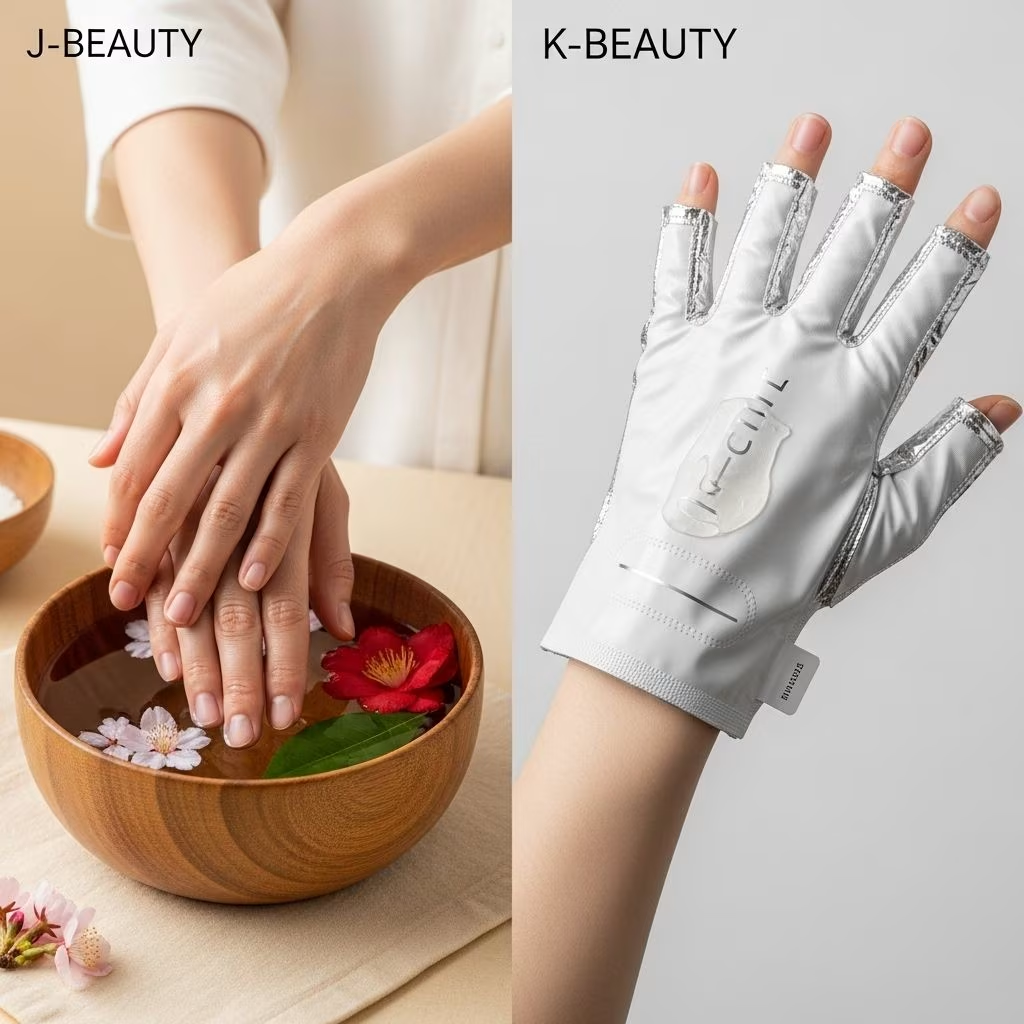
Hand care has become an essential component of modern beauty routines, with both Japanese (J-Beauty) and Korean (K-Beauty) skincare philosophies offering unique hand mask treatments. In a world where our hands are exposed to environmental stressors, intensive washing, and frequent sanitizing, protecting and nourishing them is more important than ever. But how do the philosophies and products of J-Beauty and K-Beauty differ when it comes to restoring the softness and youthfulness of our hands? This in-depth article explores their distinct approaches, signature ingredients, innovations, and cultural influences, empowering you to choose the treatment that best fits your lifestyle and skin goals.
J-Beauty and K-Beauty: An Overview
Both Japan and Korea are global leaders in skincare innovation, yet their approaches diverge in important ways:
- J-Beauty encapsulates timeless minimalism, prioritizing efficacy, functionality, and simplicity with a small number of highly effective products. Formulations lean on tradition and science, striving for gentle, long-term results and natural radiance.
- K-Beauty is trend-driven, experimental, and focuses on instant results and fun. Its famous multi-step routines promise glowing ‘glass skin’—a look that is luminous and hydrated—with innovative, sensorial products adaptable to various needs.
| Feature | J-Beauty | K-Beauty |
|---|---|---|
| Philosophy | Minimalist, traditional, long-term | Multilayered, trend-driven, instant |
| Routine | Few essential products | Many steps, targeted products |
| Innovation | Ingredient tradition & science | New textures, packaging |
| Focus | Natural skin health | Visible & quick results |
The Roots of Hand Care in Japanese and Korean Culture
Understanding the cultural context of beauty in Japan and Korea helps explain how each country approaches hand care.
- Japanese culture values wabi-sabi (beauty in simplicity and naturalness). Daily routines are often rooted in centuries-old traditions, emphasizing preservation and enhancement, not transformation. Hand care is seen as part of overall well-being, with an emphasis on gentleness and cumulative improvement. J-Beauty approaches favor solutions that protect and restore the natural integrity of skin over time.
- Korean culture is influenced by a strong desire for visible perfection and is tightly linked with modern trends, pop culture, and rapid innovation. The pursuit of “glass skin”—clear, luminous, and youthful-looking skin—extends to hands, which are meant to look flawless instantly. Hand treatments are thus designed for quick, photogenic effects and playful experiences.
Formulation and Ingredients: Nature Meets Innovation
Both J-Beauty and K-Beauty hand masks often use natural ingredients, but their choices and formulation strategies reflect their unique philosophies.
J-Beauty Hand Mask Ingredients
- Rice Bran and Sake: Used for centuries in Japan for their antioxidant and gentle exfoliating properties. Rich in vitamins E and B, they brighten and soften the skin.
- Green Tea: A powerhouse antioxidant that calms irritation, protects from free radicals, and soothes dry hands.
- Yuzu & Cherry Blossom: Traditional botanicals that offer both hydration and a luxurious sensory experience.
- Seaweed Extracts: Promote moisture retention and healing.
- Minimal Additives: Japanese products strive to avoid heavy fragrances, dyes, or harsh chemicals for sensitive skin.
K-Beauty Hand Mask Ingredients
- Snail Mucin: An innovative favorite known for healing, deeply moisturizing, and improving skin texture.
- Propolis & Honey: Popular for antibacterial, soothing, and hydrating properties.
- Fermented Extracts: Boost absorption, aid skin renewal, and support microbiome health.
- Hyaluronic Acid: Super-ingredient for retaining moisture. Delivers the dewy, “glass” finish.
- Experimentation: K-Beauty does not shy away from exotic and trendy additives, like centella asiatica, arbutin, ginseng, or multi-layered essences.
While there is ingredient overlap (like rice and green tea), J-Beauty hand masks often feel lighter, have fewer additives, and prioritize skin harmony. K-Beauty masks are engineered for striking immediate results and luxurious experiences, sometimes risking irritation for sensitive users if many actives are combined.
Rituals and Application: Simplicity vs. Indulgence
Application technique is more than mere self-care; it is a reflection of beauty philosophy.
- J-Beauty Rituals
- Place a sheet hand mask (often in a glove format) onto clean hands, usually for 10–20 minutes, 1–2 times a week.
- Emphasis on minimal steps and mess-free removal. Masks are often unscented or lightly fragranced, prioritizing comfort over stimulation.
- Focus is long-term: results accumulate with continued, gentle use.
- K-Beauty Rituals
- Hand masks are a frequent, sometimes even daily, part of an extensive regimen. Gloves, creams, and overnight wraps are common.
- Aromatherapy, colorful packaging, and unique textures (gels, hydrogel gloves, or two-step ampoules) create an indulgent, sensorial experience.
- Emphasizes instant results: visible plumping and brightening after a single use.
Popular Hand Mask Products: Japan vs Korea
| Type | J-Beauty Hand Masks | K-Beauty Hand Masks |
|---|---|---|
| Sheet/Glove | Quality First Hand Mask, Kose Cosmeport Softymo Hand Masks | Mediheal Paraffin Hand Mask, Innisfree Special Care Hand Mask |
| Main Actives | Rice bran, sake, seaweed, green tea, squalane, yuzu | Snail mucin, honey, propolis, hyaluronic acid, centella asiatica |
| Packaging | Minimalist, calming, recyclable; often multi-pack bulk | Trendy, vibrant, single-use with fun graphics |
| Frequency | Once or twice a week | As needed, up to daily use |
Efficacy and Benefits: A Side-by-Side Comparison
Both J-Beauty and K-Beauty hand masks offer significant benefits, but the emphasis may differ:
- J-Beauty Benefits
- Gradual, long-lasting improvement in skin texture and barrier strength
- Reduces irritation and allergic reactions due to minimalist ingredients
- Less likelihood of product buildup or clogged pores
- Best for sensitive skin and those preferring subtle, natural results
- K-Beauty Benefits
- Immediate hydration, smoothing, and ‘glow’ effect
- Advanced actives target specific issues: dark spots, wrinkles, dryness
- Fun, customizable experiences for skincare enthusiasts
- Best for visible improvement before social events or photos
While K-Beauty can provide a more dramatic before-and-after, J-Beauty is trusted for lasting comfort and preventative care, particularly for easily irritated hands.
Packaging, Waste, and Sustainability
- J-Beauty often sells hand masks in multi-pack bulk packaging, reducing individual waste. Their minimalist designs may use recyclable materials, though significant plastic use remains an industry concern.
- K-Beauty frequently delivers products in single-use, decorative packets, contributing to more waste. However, some brands are shifting towards eco-friendly, compostable packaging in response to consumer demand.
- Both industries are increasingly aware of sustainability issues, with new product lines emerging emphasizing biodegradable materials and refillable options.
Choosing the Right Hand Mask for You
The best hand mask depends on your personal priorities. To help you decide, consider:
- Sensitivity: If you have easily irritated skin, lean toward fragrance-free Japanese hand masks with gentle actives.
- Results Timeline: For quick fixes or special occasions, a K-Beauty mask with hydrating or brightening actives could deliver striking, immediate benefits.
- Routine Complexity: Prefer simplicity? J-Beauty offers minimalist, effective solutions. Enjoy elaborate, indulgent rituals? K-Beauty’s multi-step approach may be more satisfying.
- Sustainability Concerns: Multi-pack, minimalist options (more common in J-Beauty) generate less waste than single-use novelty masks.
Ultimately, you may wish to blend both philosophies for a hand care routine that is balanced, enjoyable, and tailored to your needs.
Frequently Asked Questions (FAQs)
Q: How often should I use a hand mask?
A: For J-Beauty masks, once or twice a week is typical. K-Beauty masks—especially lighter, hydrating varieties—can be used more frequently, sometimes even daily, depending on the sensitivity of your skin and the product’s ingredient strength.
Q: Can I combine J-Beauty and K-Beauty hand masks?
A: Yes, many skincare enthusiasts blend approaches, using a gentle Japanese mask for regular maintenance and a Korean hand mask for an occasional moisture surge or special event.
Q: What should I look for if I have extremely dry or aging hands?
A: Both traditions offer solutions. For persistent dryness, look for J-Beauty hand masks with rice bran or squalane, or K-Beauty masks with hyaluronic acid and snail mucin for deep hydration and restorative effects.
Q: Are J-Beauty hand masks safe for sensitive skin?
A: Generally, yes. Japanese products tend to contain fewer potential irritants and less fragrance, making them ideal for sensitive users. Always patch test, as individual reactions vary.
Q: What are the disadvantages of K-Beauty hand masks?
A: Their wide variety of ingredients and strong fragrances can increase the risk of irritation, and their focus on single-use, highly designed packaging tends to produce more waste. Some complex formulas may not pair well with prescription skin treatments.
Conclusion
Whether you prefer the timeless, cumulative effects of J-Beauty or the instant, radiant impacts of K-Beauty, both offer creative, effective approaches to hand care and beauty. In understanding their differences, you can personalize your own ritual, blending innovation and tradition for healthy, beautiful hands year-round.
References
- https://www.youtube.com/watch?v=WWluJo959ms
- https://www.dermstore.com/blog/j-beauty-vs-k-beauty/
- https://in.ilemjapan.com/blogs/news/j-beauty-vs-k-beauty
- https://www.albiongarden.com/blogs/news/j-beauty-and-k-beauty-what-are-the-key-differences
- https://shikobeauty.com/blogs/culture/whats-the-difference-between-k-beauty-and-j-beauty-skincare
- https://www.teamiblends.com/blogs/lifestyle/japanese-korean-skincare-differences
- https://buymejapan.com/blogs/japanese-skincare-and-beauty/korean-vs-japanese-skincare-unveiling-top-differences
- https://omakase-tokyo.com/blogs/news/k-beauty-vs-j-beauty-what-s-the-difference-and-which-one-is-right-for-you
- https://moshimoshimart.com/blogs/tips/k-beauty-j-beauty-skincare-guide


