


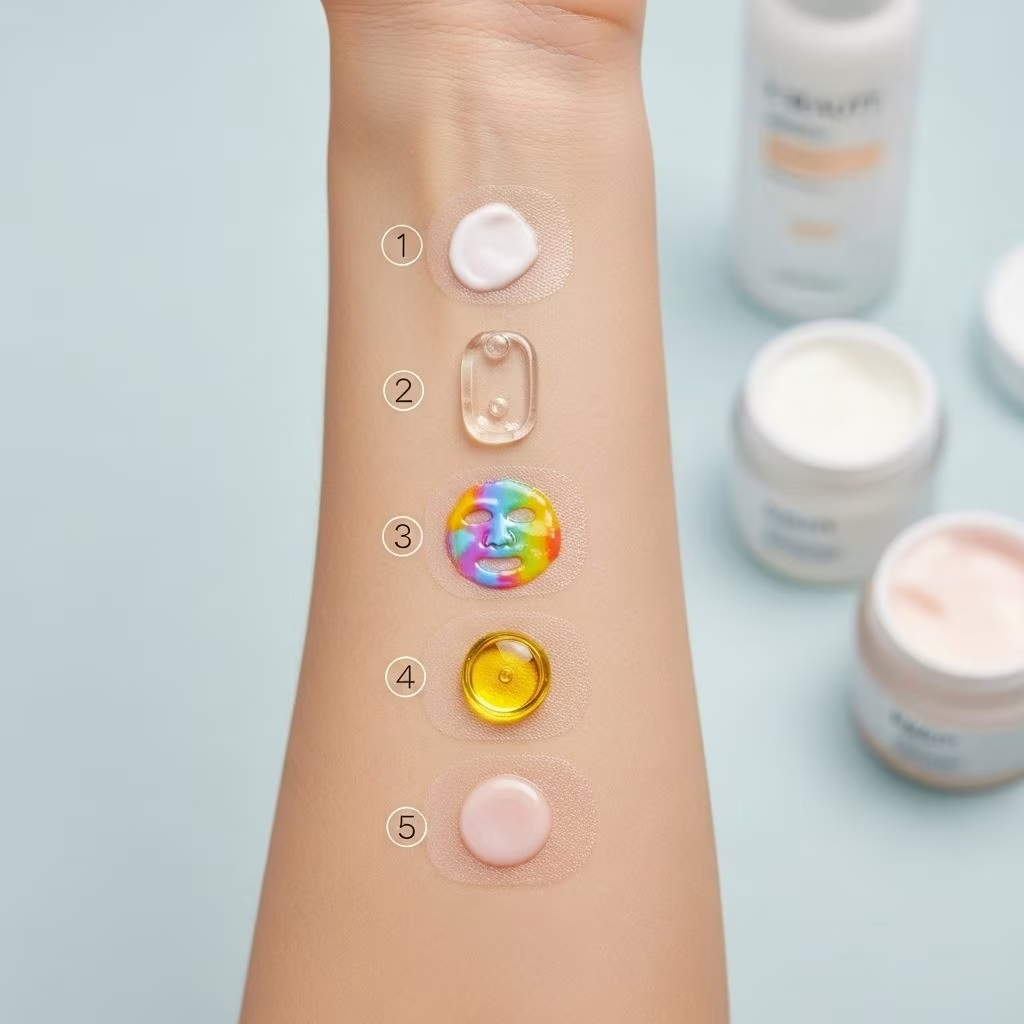
Why Patch Testing Matters in K-Beauty
Korean beauty, or K-beauty, is renowned for its innovative formulas and unique active ingredients—from snail mucin and propolis to ginseng, mugwort, and fermented botanicals. While these ingredients can deliver transformative results, they also have the potential to cause adverse reactions, especially in individuals with sensitive skin or allergies. Patch testing is a simple, effective way to minimize risks by identifying potential irritants before applying them to your entire face.
Allergic reactions can range from mild redness and itching to severe swelling and discomfort. Even natural, plant-derived ingredients can provoke sensitivities, so it’s essential to test each new product—especially those with strong actives—before regular use. This precaution is especially important in K-beauty, where multi-step routines and layering are common, increasing the chance of ingredient interactions.
Common New Actives in K-Beauty Products
K-beauty is famous for both traditional and cutting-edge ingredients. Here are some of the most popular actives currently trending:
| Active Ingredient | Main Benefits | Potential for Sensitivity |
|---|---|---|
| Snail Mucin | Hydration, repair, anti-aging | Low, but possible for some |
| Centella Asiatica (Cica) | Soothing, healing, anti-inflammatory | Generally low |
| Propolis | Antioxidant, anti-inflammatory, wound healing | Moderate (bee product allergy risk) |
| Ginseng | Energizing, brightening, anti-aging | Low |
| Mugwort (Artemisia) | Calming, antioxidant, hydrating | Moderate, especially at higher concentrations |
| Rice Water | Brightening, exfoliating, anti-aging | Low |
| Niacinamide | Brightening, pore-minimizing, barrier repair | Moderate (can cause flushing in some) |
| Vitamin C | Brightening, antioxidant, collagen-boosting | Moderate (can cause irritation at high concentrations) |
| Green Tea | Anti-inflammatory, antioxidant, soothing | Low |
| Hyaluronic Acid | Hydration, plumping, barrier support | Very low |
Even ingredients marketed as gentle or “natural” can cause reactions, so always patch test—especially if you have a history of allergies or sensitive skin.
Selecting the Right Area for Patch Testing
To get accurate results, choose a patch of skin that resembles your facial skin in texture and sensitivity. Recommended areas include:
- Behind the Ear: Sensitive, similar to facial skin. Ideal for products with strong fragrances or actives.
- Inner Elbow (Forearm): Sensitive and easy to monitor. This spot is widely recommended for patch testing.
- Jawline or Neck: For facial products, these areas provide results most relevant to your face.
Avoid areas with active acne, irritation, or broken skin, as these can skew results.
Step-by-Step Patch Test Guide
Follow these steps to safely test any new K-beauty active or product:
- Cleanse the Area: Wash your chosen patch of skin with a gentle, fragrance-free cleanser and pat dry.
- Apply a Small Amount: Use a pea-sized amount of the product, dab it onto the test area, and avoid rubbing it in too much. For multi-step products (e.g., serum followed by moisturizer), test each product separately.
- Cover the Area (Optional): Some experts recommend covering the test spot with a bandaid to prevent accidental removal or contamination.
- Wait 24–48 Hours: Leave the product in place for at least 24 hours. If you experience any pain, burning, or itching, remove the product and wash the area immediately. With products containing strong actives or if you have very sensitive skin, consider waiting up to 48 hours.
- Monitor for Reactions: After the waiting period, check for redness, swelling, itching, bumps, or irritation.
How to Read and Interpret Patch Test Results
No reaction after 24–48 hours (aside from mild, temporary redness from rubbing) usually means the product is safe for you. If you notice any of the following, discontinue use immediately:
- Redness or inflammation
- Swelling or puffiness
- Itching or burning
- Rash, bumps, or hives
- Stinging or discomfort that lasts more than a few minutes
If you experience any of these symptoms, wash the area with lukewarm water and avoid using the product on your face or body. If the reaction is severe, consult a dermatologist.
Special Considerations for Sensitive Skin
If you have sensitive or reactive skin, extra caution is necessary:
- Extend the Testing Period: Consider waiting 48–72 hours before using a new active on your face.
- Test One Product at a Time: Introducing multiple new actives simultaneously makes it difficult to pinpoint the cause of a reaction.
- Dilute Potent Actives: For actives known to be strong (e.g., high-concentration vitamin C, acids), you can dilute a small amount with a gentle moisturizer for your patch test.
- Consult a Dermatologist: If you have a history of severe reactions or eczema, consider consulting a professional before trying new actives.
What to Do If You Have a Reaction
If your patch test results in irritation:
- Immediately Wash Off: Use lukewarm water and a gentle cleanser to remove the product.
- Apply a Soothing Product: Use a fragrance-free, gentle moisturizer or aloe vera gel to calm the skin.
- Avoid Further Irritation: Skip exfoliants, actives, and fragranced products until the reaction resolves.
- Seek Medical Advice: If the reaction is severe, painful, or spreads, consult a dermatologist immediately.
Remember: A reaction to a patch test is much easier to manage than a reaction on your entire face. Always err on the side of caution, especially with new, potent actives.
Frequently Asked Questions (FAQs)
Q: Do I really need to patch test every product?
A: Yes, especially for new actives, serums, and anything with a high concentration of active ingredients. Even products labeled “gentle” or “hypoallergenic” can cause reactions in sensitive individuals.
Q: How long should I wait after a patch test before using the product on my face?
A: Wait at least 24 hours for most products. For sensitive skin or very potent actives, wait up to 48 hours.
Q: Can I patch test multiple products at once?
A: It’s best to test one product at a time to accurately identify the cause of any reaction. Testing multiple products simultaneously can lead to confusion and potential irritation.
Q: What if I have no reaction during the patch test, but develop irritation when using the product on my face?
A: Facial skin can be more sensitive than other areas. If this happens, discontinue use immediately and consult a dermatologist. It may indicate that the area you tested was less sensitive, or that repeated use is causing irritation.
Q: Are there any K-beauty ingredients that are especially likely to cause reactions?
A: While most K-beauty ingredients are well-tolerated, those with a history of allergies should be cautious with propolis (bee product), essential oils, high-concentration vitamin C, acids (AHA/BHA), and niacinamide. Patch testing is especially important for these ingredients.
Q: Can I patch test makeup as well as skincare?
A: Yes, the same principles apply—test a small amount on your inner arm or behind your ear and monitor for at least 24 hours.
Q: How should I store K-beauty products between patch testing and regular use?
A: Keep products in a cool, dry place away from direct sunlight. Avoid contaminating the product by using clean hands or a spatula.
Conclusion
Patch testing is a simple, essential step in any K-beauty routine, especially when introducing new actives. By following a structured patch test, you can enjoy the benefits of innovative Korean skincare while minimizing the risk of irritation or allergic reactions. Always listen to your skin, proceed with caution, and consult a professional if you have concerns—your complexion will thank you.
References
- https://learncanyon.com/k-beauty-must-have-korean-skincare-ingredients/
- https://seoulmamas.com/how-to-patch-test-a-cosmetic-product/
- https://edenskinstore.com/blogs/news/how-to-patch-test-skincare
- https://kbeauty.shop/blog/unusual-effective-korean-skincare-ingredients
- https://www.drrachelho.com/blog/popular-korean-skincare-ingredients-brands/
- https://www.mochimag.com/lifestyle/k-beauty-ingredients-guide/
- https://fabrxstudio.com/k-beauty-korean-skincare-revolution/
- https://misshaus.com/blogs/blog/mastering-the-korean-skincare-routine-order
- https://shop.kosmoderma.com/blogs/beginners-guide-to-active-ingredients-skin-care/


