


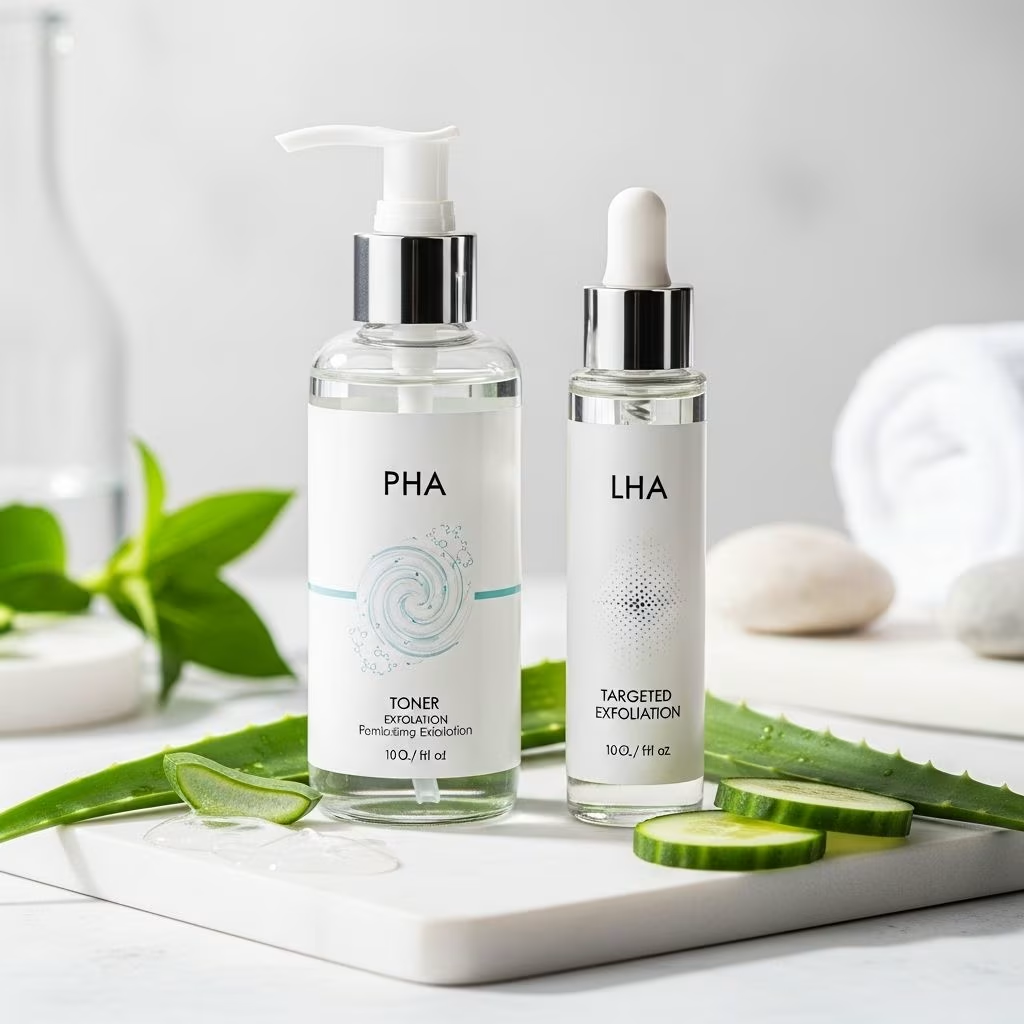
Korean skincare has revolutionized the way we approach sensitive skin care, introducing gentler alternatives to traditional exfoliating acids that once caused irritation and redness. Among the most transformative innovations are PHA (Poly Hydroxy Acid) and LHA (Lipo Hydroxy Acid) toners, both designed to deliver effective exfoliation without compromising the skin barrier. For those with reactive, sensitive, or easily irritated skin, understanding the nuanced differences between these two acid types can mean the difference between achieving radiant, smooth skin and experiencing uncomfortable flare-ups.
The rise of PHA and LHA in K-beauty formulations reflects a broader shift toward science-backed, barrier-friendly skincare that prioritizes skin health alongside visible results. While both acids promise gentle exfoliation, they work through distinctly different mechanisms and target different skin concerns. PHA operates on the skin’s surface with its larger molecular structure, while LHA penetrates deeper into pores as an advanced derivative of salicylic acid. This fundamental difference makes each acid uniquely suited to specific skin types and concerns within the sensitive skin spectrum.
Understanding PHA: The Surface Soother
Poly Hydroxy Acids represent a breakthrough in gentle exfoliation technology, offering sensitive skin types the resurfacing benefits traditionally reserved for those with more resilient complexions. The defining characteristic of PHAs lies in their molecular size, which is significantly larger than their AHA cousins like glycolic and lactic acid. This larger molecular structure prevents deep penetration into the skin, limiting the acid’s action to the uppermost layers of the stratum corneum where dead skin cells accumulate.
What makes PHA particularly exceptional for sensitive skin is its dual functionality as both an exfoliant and a humectant. Unlike traditional acids that can strip moisture, PHAs actually attract and bind water molecules to the skin, providing hydration while simultaneously dissolving the intercellular glue that holds dead skin cells together. This moisture-binding property means that even as PHA removes dull surface cells, it simultaneously plumps and hydrates the newly revealed skin underneath.
The exfoliation process with PHA is remarkably gentle because the acid works slowly and steadily rather than aggressively dissolving cellular bonds. This gradual action significantly reduces the risk of irritation, redness, and the compromised barrier function that often accompanies stronger exfoliants. For individuals dealing with conditions like rosacea, eczema, or post-inflammatory sensitivity, PHA offers a way to address texture concerns and dullness without triggering inflammatory responses.
Beyond basic exfoliation, PHA toners deliver antioxidant benefits that protect sensitive skin from environmental stressors. The acid has been shown to chelate metal ions that can catalyze free radical formation, essentially providing a protective shield against pollution and UV-induced oxidative stress. This makes PHA toners particularly valuable in urban environments where sensitive skin faces constant assault from environmental aggressors.
Understanding LHA: The Pore Perfecter
Lipo Hydroxy Acid represents a technological advancement in the BHA family, specifically developed as a lipophilic derivative of salicylic acid that offers enhanced tolerability while maintaining pore-clearing efficacy. The key innovation of LHA lies in its slower, more controlled release mechanism that allows it to penetrate pores without the harsh stripping effect often associated with traditional salicylic acid formulations.
The lipophilic nature of LHA means it dissolves readily in oil, allowing it to navigate through sebum-filled pores and break down the sticky mixture of dead skin cells and oil that leads to congestion. This oil-soluble property makes LHA exceptionally effective for addressing comedones, blackheads, and the micro-comedones that can eventually develop into inflammatory acne. For sensitive skin types who also struggle with oiliness or acne, LHA provides targeted treatment without widespread irritation.
What distinguishes LHA from standard salicylic acid is its ability to work at a lower pH while releasing more gradually into the skin. This controlled delivery system means the acid exerts its effects over an extended period, reducing the likelihood of the stinging, burning, or immediate redness that can occur with traditional BHAs. The slower penetration allows the skin to acclimate to the exfoliating action, making it suitable even for those with compromised barriers who need pore-clearing benefits.
LHA excels at refining skin texture by promoting more even cell turnover within the pore lining itself. This targeted action helps prevent the formation of new blemishes while simultaneously improving the appearance of enlarged pores that have been stretched by accumulated debris. The result is smoother, more refined skin texture without the dryness or tightness that often accompanies pore-focused treatments.
Key Differences Between PHA and LHA
While both PHAs and LHA fall under the umbrella of gentle exfoliants suitable for sensitive skin, their mechanisms of action, penetration depth, and ideal applications differ substantially. Understanding these distinctions is crucial for selecting the acid that will best address your specific skin concerns while maintaining barrier integrity and comfort.
| Aspect | PHA (Poly Hydroxy Acid) | LHA (Lipo Hydroxy Acid) |
|---|---|---|
| Molecular Size | Large molecules that stay on surface | Smaller, oil-soluble molecules |
| Penetration Depth | Surface layer only | Penetrates into pores |
| Primary Action | Surface exfoliation and hydration | Deep pore clearing and sebum control |
| Best For | Dry, dehydrated, extremely sensitive skin | Oily, acne-prone, combination sensitive skin |
| Texture Benefit | Smooths rough surface texture | Refines pores and prevents congestion |
| Hydration Effect | Actively hydrates as humectant | May require additional hydration |
| Speed of Results | Gradual, cumulative improvement | Faster visible pore refinement |
The solubility difference between these acids fundamentally determines their behavior in the skin. PHAs being water-soluble remain in the aqueous environment of the skin’s surface, while LHA’s lipophilic nature draws it into oil-rich pores. This means that even when used in the same routine, these acids target completely different zones of concern without competing for absorption or overwhelming the skin with excessive exfoliation.
Another critical distinction lies in their secondary benefits beyond exfoliation. PHA’s humectant properties make it actively beneficial for maintaining skin hydration levels, essentially performing double duty as both exfoliant and moisturizing agent. LHA, while gentler than salicylic acid, maintains a more singular focus on exfoliation and may require pairing with additional hydrating ingredients to prevent any potential drying effects, especially in sensitive skin prone to dehydration.
Benefits for Sensitive Skin Types
Sensitive skin exists on a spectrum, encompassing various triggers, reactivity patterns, and underlying conditions. Both PHA and LHA offer specific advantages that make them suitable for sensitive complexions, though their benefits manifest differently depending on the nature of your sensitivity.
For sensitive skin characterized by chronic dryness, tightness, and vulnerability to moisture loss, PHA toners provide unparalleled benefits. The humectant action ensures that the exfoliation process actually improves hydration rather than depleting it, addressing one of the primary concerns that makes traditional exfoliants unsuitable for dry-sensitive types. The surface-level action means minimal disruption to the deeper barrier structures, preserving the lipid matrix that protects against transepidermal water loss.
Individuals with sensitivity triggered by inflammatory conditions like rosacea or eczema find PHA particularly compatible because it lacks the penetration depth that can stimulate nerve endings or trigger inflammatory cascades. The antioxidant properties provide additional calming benefits, potentially reducing the baseline inflammation that makes skin reactive in the first place. Regular use of PHA toners can gradually strengthen the skin’s resilience without ever pushing it into the red zone of irritation.
For sensitive skin complicated by congestion, blackheads, or hormonal breakouts, LHA offers targeted benefits that address these concerns without the full-face irritation risk of traditional acne treatments. The controlled release mechanism means that even reactive skin can tolerate the pore-clearing action, as the acid works gradually rather than delivering an immediate high-concentration punch. This makes it possible to address acne and texture without sacrificing comfort or triggering the post-inflammatory hyperpigmentation that sensitive skin is prone to developing.
Both acids support barrier function in ways that go beyond simply being non-irritating. By promoting healthy cell turnover, they help maintain the organized structure of the stratum corneum, ensuring that the barrier remains intact and functional. This improved barrier integrity subsequently reduces sensitivity over time, creating a positive cycle where the skin becomes progressively more resilient with consistent, gentle exfoliation.
Top K-Beauty PHA Toner Recommendations
The Korean skincare market has embraced PHA technology with enthusiasm, resulting in numerous innovative formulations that combine this gentle acid with complementary barrier-supporting ingredients. These products exemplify the K-beauty philosophy of treating skin with care while delivering measurable results.
SKIN1004 Madagascar Centella Toning Toner stands as a minimalist masterpiece, combining PHA with centella asiatica, niacinamide, and hyaluronic acid in a streamlined 15-ingredient formula. This toner addresses multiple sensitive skin concerns simultaneously, with PHA providing gentle exfoliation while centella calms inflammation and supports wound healing. The inclusion of niacinamide strengthens the barrier and reduces redness, making this an excellent choice for those whose sensitivity manifests as visible redness or post-inflammatory marks. The lightweight, watery texture absorbs instantly without any sticky residue, fitting seamlessly into layered K-beauty routines.
ANUA Heartleaf 77% Clear Pad elevates the PHA experience through its innovative double-sided pad format, featuring a smooth side for gentle application or mask-like spot treatment and a textured side that provides mild physical exfoliation to complement the chemical action. The heartleaf extract at 77% concentration delivers exceptional soothing benefits, making these pads ideal for calming reactive skin while addressing texture and dullness. The PHA works synergistically with the botanical extracts to refine skin without irritation, and the pad format ensures even distribution of active ingredients across the entire face.
Some By Mi AHA BHA PHA 30 Days Miracle Toner takes a multi-acid approach, combining PHA with AHA and BHA at carefully calibrated percentages that remain gentle enough for sensitive skin. This formulation is particularly effective for those transitioning into acid use, as the PHA provides the bulk of the exfoliating action while tiny amounts of AHA and BHA offer targeted benefits. The inclusion of tea tree extract adds antimicrobial properties beneficial for acne-prone sensitive skin, though those with extreme sensitivity to essential oils should patch test carefully.
Top K-Beauty LHA Toner Recommendations
LHA formulations in K-beauty tend to focus on balancing effective pore care with skin barrier protection, often incorporating hydrating and soothing ingredients to offset any potential drying effects. These products demonstrate that targeted treatment and gentleness need not be mutually exclusive.
Dermathod Derma Priming Peel Booster Pads combine slow-releasing PHA and LHA in a convenient swipe-and-go format that delivers dual-layer exfoliation without requiring rinse-off. These pads address both surface texture through PHA and deeper pore concerns through LHA, making them exceptionally versatile for combination-sensitive skin that experiences both dryness and oiliness in different zones. The formulation includes barrier-supporting ingredients that prevent the dryness sometimes associated with pore-focused treatments, and the no-rinse format makes them perfect for busy routines or travel.
CosRX BHA Blackhead Power Liquid, while technically a BHA product, uses a gentle formulation approach similar to LHA philosophy, delivering controlled exfoliation that sensitive, acne-prone skin can tolerate. The 4% betaine salicylate concentration provides effective pore clearing without the harshness of traditional salicylic acid, and the addition of niacinamide and panthenol ensures the skin remains hydrated and calm throughout the exfoliation process. This product works particularly well for those whose sensitivity is complicated by stubborn blackheads or closed comedones.
Layering PHA and LHA for Maximum Benefits
Advanced skincare enthusiasts often wonder whether combining PHA and LHA can deliver synergistic benefits that address multiple concerns simultaneously. The answer is yes, but this approach requires careful consideration of formulation, concentration, and your skin’s individual tolerance threshold.
The strategic combination of PHA and LHA creates a comprehensive exfoliation system that works on multiple levels without overwhelming the skin. LHA penetrates into pores to clear congestion and prevent new blemishes, while PHA simultaneously addresses surface texture and hydration. This dual-layer approach means you’re treating both the visible surface concerns and the underlying pore-level issues that can lead to future breakouts or texture problems.
When introducing both acids into your routine, the key is gradual integration and careful monitoring of your skin’s response. Begin by establishing tolerance to one acid before introducing the second, allowing your skin to adapt to the exfoliating action without shock. Some formulations, like the Dermathod pads, combine both acids in one product at carefully balanced concentrations, eliminating the guesswork of layering separate products.
The protective benefit of pairing these acids lies in PHA’s humectant action counteracting any potential drying effect from LHA. While LHA works to clear pores, PHA ensures the skin surface remains hydrated and plump, preventing the tightness or flaking that can occur with pore-focused treatments. This balanced approach allows sensitive skin to experience thorough exfoliation without compromising barrier integrity or comfort.
Timing and frequency matter significantly when using both acids. Most sensitive skin types benefit from alternating acids on different days rather than layering them in the same routine, especially when first introducing them. As your skin builds tolerance, you may find that simultaneous use becomes comfortable, but always prioritize your skin’s feedback over aggressive treatment schedules.
How to Incorporate PHA or LHA Toners Into Your Routine
Successful integration of acid toners into a sensitive skin routine requires thoughtful placement within your overall skincare sequence and attention to supporting products that enhance benefits while minimizing risk.
Apply your PHA or LHA toner immediately after cleansing on slightly damp skin, which helps the product spread more easily and can actually enhance penetration of subsequent products. Pour a small amount onto your palms or a reusable cotton pad and press gently into the skin rather than rubbing vigorously, which can cause unnecessary friction and potential irritation. Allow the toner to absorb fully for 30-60 seconds before proceeding with serums or moisturizers.
Frequency should start conservatively, with 2-3 applications per week for the first two weeks while your skin acclimates to the exfoliating action. Monitor for any signs of irritation including increased redness, stinging, unusual dryness, or breakouts that might indicate over-exfoliation. As your skin demonstrates tolerance, you can gradually increase frequency to every other day or even daily use, though many sensitive skin types find optimal results with 4-5 applications per week rather than daily use.
Supporting your acid toner with barrier-strengthening products is essential for sensitive skin. Follow your toner with hydrating serums containing ingredients like hyaluronic acid, ceramides, or centella asiatica that reinforce the barrier and provide anti-inflammatory benefits. Always conclude your routine with an appropriate moisturizer that seals in hydration and protects the newly exfoliated skin from environmental stressors.
Morning versus evening application depends on your specific toner and overall routine. PHA toners can typically be used morning or evening, though morning application followed by diligent sunscreen use helps protect the gently exfoliated skin throughout the day. LHA toners are often best reserved for evening use, allowing the pore-clearing action to work overnight while you sleep and avoiding any potential photosensitivity concerns.
Potential Side Effects and Precautions
While PHA and LHA toners are formulated for gentleness, even the mildest exfoliants can cause adverse reactions if misused or if your skin is experiencing particular vulnerability. Understanding potential side effects and how to prevent them ensures a positive experience with these transformative products.
Over-exfoliation remains the most common issue, occurring when acids are used too frequently or combined with other exfoliating treatments without adequate recovery time. Signs include increased sensitivity to products that previously caused no issues, persistent redness or flushing, tightness that doesn’t resolve with moisturizer, and paradoxical increases in oil production as the skin tries to compensate for barrier damage. If you notice these symptoms, immediately reduce acid frequency and focus on barrier repair with gentle, hydrating products.
Purging can occur when introducing LHA toners, as the pore-clearing action brings underlying congestion to the surface more rapidly. This is a normal, temporary process that typically resolves within 4-6 weeks as the skin completes accelerated cell turnover. However, distinguish between purging and genuine breakouts caused by product intolerance, watching for breakouts in areas where you don’t typically experience congestion, which may indicate a reaction rather than purging.
Patch testing remains crucial even with gentle acids, particularly if you have a history of severe sensitivity or allergic reactions. Apply a small amount of the toner to your inner forearm or behind your ear for three consecutive days, monitoring for any redness, itching, or irritation before using on your face. This simple precaution can prevent full-face reactions that might otherwise compromise your barrier or trigger inflammatory conditions.
Sun protection becomes non-negotiable when using any exfoliating acid, as the removal of surface dead cells leaves newer, more vulnerable skin exposed to UV damage. Apply broad-spectrum SPF 30 or higher every morning regardless of whether you used your acid toner that morning or the previous night. The increased photosensitivity can persist for several days after acid use, making daily sun protection essential rather than optional.
Expert Tips for Sensitive Skin Success
Optimizing your experience with PHA or LHA toners involves understanding nuanced strategies that go beyond basic application instructions, drawing on dermatological insights and K-beauty skincare philosophy.
Customize your approach based on seasonal changes and your skin’s fluctuating needs. During winter months or periods of increased dryness, favor PHA formulations that provide more hydration alongside exfoliation. Summer or humid seasons when oil production increases may warrant shifting toward LHA for enhanced pore control. This adaptive strategy ensures your exfoliation remains beneficial rather than problematic as environmental conditions change.
Layer strategically with other active ingredients, understanding that certain combinations enhance benefits while others increase irritation risk. PHA and LHA pair beautifully with niacinamide, which strengthens the barrier and reduces inflammation. Centella asiatica, madecassoside, and other soothing botanicals complement acids by providing anti-inflammatory support. However, avoid combining your acid toner with retinoids, vitamin C at high concentrations, or other exfoliating acids until your skin demonstrates robust tolerance.
Hydrate generously after acid application, recognizing that exfoliation increases the skin’s ability to absorb subsequent products. This enhanced absorption is an opportunity to flood your skin with hydrating and barrier-supporting ingredients that will penetrate more effectively. Consider incorporating multiple hydrating layers using the K-beauty principle of building hydration through multiple lightweight products rather than relying on a single heavy cream.
Listen to your skin above all else, adjusting your routine based on real-time feedback rather than adhering rigidly to recommended frequencies or protocols. If your skin feels comfortable and looks healthy with daily acid use, that frequency works for you. If you experience better results with twice-weekly application, honor that rhythm. Skincare is inherently personal, and the goal is finding what allows your specific skin to thrive.
Frequently Asked Questions
Q: Can I use both PHA and LHA toners in the same routine?
A: Yes, but introduce them gradually. Start by establishing tolerance to one acid before adding the second. Many people alternate them on different days or use formulations that combine both acids at balanced concentrations specifically designed for sensitive skin.
Q: How long does it take to see results from PHA or LHA toners?
A: PHA typically shows gradual improvements in hydration and texture within 2-3 weeks, with cumulative benefits building over 6-8 weeks. LHA often delivers faster visible pore refinement within 2-4 weeks, though continued use provides progressive improvement in skin clarity and texture.
Q: Are PHA and LHA toners safe during pregnancy?
A: PHA is generally considered safe during pregnancy as it works only on the skin surface. LHA, being a salicylic acid derivative, falls into a gray area where topical use at low concentrations is typically considered acceptable, but you should consult your healthcare provider before introducing any new active ingredients during pregnancy.
Q: Will these toners make my sensitive skin more sensitive over time?
A: When used appropriately, PHA and LHA actually strengthen the skin barrier and can reduce sensitivity over time by promoting healthy cell turnover and improving barrier function. Over-use can increase sensitivity, so maintaining appropriate frequency and supporting your routine with barrier-repair ingredients is essential.
Q: Can I use PHA or LHA toners if I have rosacea?
A: PHA is often well-tolerated by rosacea-prone skin due to its surface-level action and anti-inflammatory properties. LHA may be suitable for some rosacea patients but requires more caution and should be introduced slowly. Always patch test and consider consulting a dermatologist familiar with your specific rosacea triggers.
Q: Do I need to wait between applying toner and the next product?
A: Allowing 30-60 seconds for the toner to absorb before applying subsequent products optimizes penetration and prevents pilling. However, applying the next product on slightly damp skin from the toner can actually enhance hydration, so you don’t need to wait until the skin is completely dry.
Q: Should I use PHA or LHA if I already use retinol?
A: Combining acids with retinoids requires caution for sensitive skin. If you’re established on retinol, introduce PHA or LHA on alternate nights initially, monitoring for increased irritation. Some skin types can eventually tolerate both in the same routine, but sensitive skin often benefits more from alternating these powerful actives.
Q: Can these toners help with hyperpigmentation on sensitive skin?
A: Yes, both PHA and LHA support fading hyperpigmentation through promoting cell turnover that helps dark spots gradually surface and shed. PHA’s gentleness makes it particularly suitable for preventing the post-inflammatory hyperpigmentation that sensitive skin is prone to developing when irritated.
References
- https://skinsort.com/products/toners-with-pha-from-korean-brands
- https://www.mysticbeautyandskincare.com/blogs/k-beauty-skincare/gentle-yet-effective-exfoliation-why-lha-pha-are-game-changers-in-korean-skincare
- https://www.youtube.com/watch?v=CYuw7YesskQ
- https://www.cosmopolitan.com/style-beauty/beauty/g62694677/toner-pads/
- https://www.youtube.com/watch?v=kKQe5RxCNuw
- https://www.newbeauty.com/best-korean-beauty-toners-for-glass-skin/


