


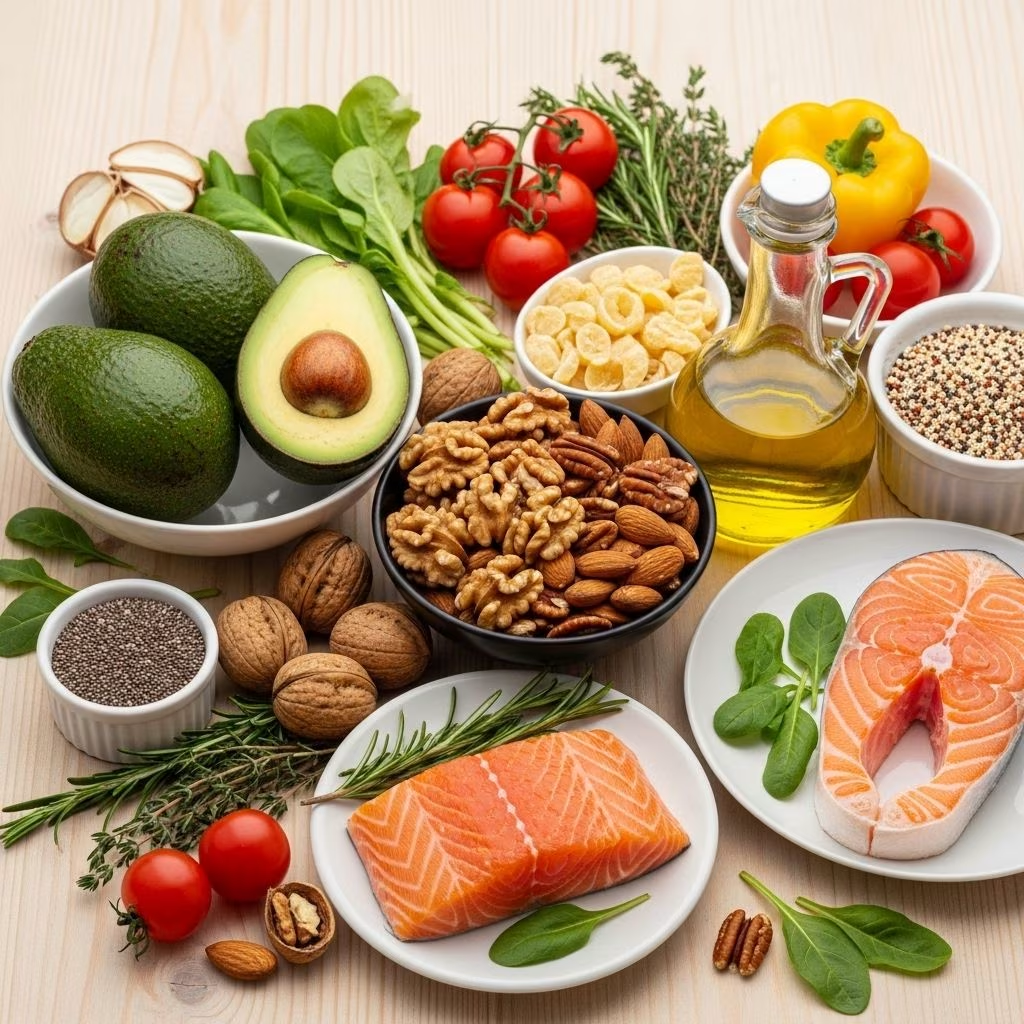
Prioritizing brain health through nutrition is a growing focus for families seeking vibrant well-being at every age. Healthy fats—including monounsaturated, polyunsaturated, and select long-chain saturated fats—play a critical role in brain function. This guide details the science behind healthy fats and brain health, practical advice for incorporating them into family meals, and answers common questions about dietary fat and cognition.
Why Healthy Fats Matter for the Brain
The human brain is composed of about 60% fat, and its structure and signaling depend on a steady supply of the right dietary fats. Essential fatty acids form the building blocks of cell membranes, support neurotransmitter function, and help shield the brain from inflammation and oxidative stress. Diets rich in healthy fats are linked to:
- Improved cognitive development in children and adolescents
- Better memory and learning capacity across the lifespan
- Reduced risk of age-related cognitive decline and dementias
- Protection against mood disorders and enhanced emotional regulation
Research suggests that diet modification, particularly in fat content, is a clinically relevant strategy for maintaining brain health and even managing certain neurological conditions over the lifespan.
Types of Dietary Fat and Their Effects on Brain Health
Not all fats are created equal, and their effects on brain health can vary dramatically. It’s crucial to understand the key categories:
Monounsaturated Fats (MUFAs)
These fats—abundant in extra-virgin olive oil, avocados, and nuts—help maintain flexible cell membranes and support neuroplasticity. Research links higher monounsaturated fat intake to better cognitive performance, particularly in tasks requiring complex visual and executive functions.
Polyunsaturated Fats (PUFAs)
PUFAs include two main families:
- Omega-3 fatty acids (ALA, EPA, DHA): Found in fatty fish, walnuts, flaxseeds, and chia, omega-3s are essential for brain development, synaptic transmission, and protection against neuroinflammation.
- Omega-6 fatty acids: Present in many plant oils and nuts; they are important in moderation but should not dominate omega-3s in balance.
Numerous studies support omega-3s for reducing cognitive decline and the risk of neurological disorders. Adequate DHA, in particular, is crucial in pregnancy and infancy for brain and vision development.
Saturated Fats: The Nuanced Story
Long suspected to be solely detrimental, saturated fats actually come in various forms. Newer research distinguishes between short/medium-chain saturated fats (often from animal fat and coconut oil) and long-chain saturated fats.
- Short/Medium-chain saturated fats (in butter, red meat, coconut oil): Excess intake is linked to poorer vascular and cognitive outcomes.
- Very long-chain saturated fats (found in nuts and dairy): These are associated with slower cognitive decline and positive brain outcomes, potentially matching the benefits of omega-3s in some populations.
Trans Fats
Artificial trans fats (partially hydrogenated oils, often in processed foods) are universally associated with inflammation and cognitive impairment, and should be avoided entirely.
| Fat Type | Main Food Sources | Effect on Brain Health |
|---|---|---|
| Monounsaturated (MUFA) | Olive oil, avocado, nuts | Improves cognition, protects cells |
| Polyunsaturated (PUFA, esp. Omega-3) | Fatty fish, walnuts, flaxseed, chia | Essential for development, reduces decline |
| Very long-chain saturated | Nuts, dairy (cheese, yogurt) | Slows cognitive decline |
| Short/Medium-chain saturated | Butter, red meat, coconut oil | Excess may harm cognition |
| Trans fat (industrial) | Processed foods, baked goods | Harms brain, increases inflammation |
Best Food Sources of Healthy Fats for Brain Health
- Fatty fish (salmon, sardines, mackerel, trout): Leading dietary source of long-chain omega-3s (EPA and DHA), vital for brain cell membrane integrity.
- Walnuts: Provide both omega-3s and polyphenols for neuroprotection.
- Olive oil (extra virgin): High in MUFAs and linked to lower risk of dementia and better cognitive scores.
- Avocados: Packed with MUFA, plus vitamin E and antioxidants.
- Seeds (flaxseed, chia, hemp): Plant-based omega-3s (ALA), fiber, and antioxidants.
- Nuts (almonds, pecans, hazelnuts): MUFA, vitamin E, and—some varieties—very long-chain saturated fats.
- Dairy (cheese, yogurt): A source of beneficial very long-chain saturated fatty acids when consumed in moderation, especially from full-fat varieties.
- Eggs: Choline-rich, which is essential for brain cell signaling and memory formation.
Family Meal Planning Tips: Fats for All Ages
Building a brain-healthy family menu is about quality, diversity, and moderation—not restriction. Here are evidence-based tips for making the most of healthy fats in your family’s diet:
- Include fatty fish twice weekly (use canned, fresh, or frozen for convenience)
- Swap out processed snacks with nuts, seeds, or nut butters
- Use extra-virgin olive oil for salad dressings, drizzling, and even light sautéing
- Add avocado slices to sandwiches, salads, or smoothies
- Encourage variety by rotating types of nuts and seeds
- Choose whole-milk dairy products in moderation, when appropriate, especially for young children
- Limit red meat, processed meats, and especially processed snacks high in trans fats
- Read labels to avoid partially hydrogenated oils
Meal planning should be flexible, fitting cultural and individual preferences. The overall pattern—rich in whole foods, healthy fats, fiber, and low in processed sugars—is the essential framework for lifelong brain health.
Special Considerations for Children, Teens, and Adults
Pregnant Women and Infants
- Omega-3 fatty acids (especially DHA) are critical for fetal and infant brain development
- Include fish or omega-3-rich foods regularly, or speak with a healthcare provider about supplementation
Children and Teens
- Growth and rapid brain development require adequate fat intake
- Focus on variety: offer nut butters (as age-appropriate), yogurt, eggs, seeds, and small fatty fish
- Minimize processed fried snacks
Adults and Seniors
- Healthy fat intake may help maintain cognitive agility and mood stability
- Pair fats with fiber (fruits, vegetables) to protect vascular health
- Monitor total calorie intake to align with changing metabolism
Practical Guide: Shopping, Cooking, and Eating Healthy Fats
How to Shop for Brain-Healthy Fats
- Buy fresh or frozen fish (wild or farmed—both can be healthy choices)
- Choose unroasted, unsalted nuts and seeds
- Pick extra virgin olive oil for salads and dips; light olive oil or avocado oil for higher-temperature cooking
- Look for minimally processed cheeses and yogurts; avoid “fat-free” in foods where fat is naturally present
Cooking with Healthy Fats
- Roast vegetables with olive oil for a flavorful brain-boosting side
- Grill salmon or sardines; serve with a sprinkling of chopped walnuts
- Add a spoonful of nut butter to oatmeal or smoothies
- Top toast with avocado, seeds, or an egg
Family-Friendly Brain-Healthy Meal Ideas
- Breakfast: Greek yogurt with berries and chia seeds
- Lunch: Tuna salad with olive oil, leafy greens, and whole-grain pita
- Snack: Apple slices with almond butter, or a small handful of mixed nuts
- Dinner: Baked salmon with roasted Brussels sprouts and wild rice cooked in olive oil
Frequently Asked Questions (FAQs)
Q: Do all saturated fats harm brain health?
A: Not necessarily. While excess short/medium-chain saturated fats (from butter, red meat) can be problematic, very long-chain saturated fats from nuts and dairy may actually help slow cognitive decline. Balance and source matter greatly.
Q: How much healthy fat should children eat daily?
A: Dietary guidelines recommend that children ages 1–3 get 30–40% of their calories from fat, gradually reducing with age, focusing on quality sources like eggs, dairy, fish, nuts, and seeds for optimal brain development.
Q: Are omega-3 supplements as effective as food sources?
A: Omega-3-rich foods are preferable for their additional nutrients and better absorption, but supplements (especially algal or fish oil) may be useful for picky eaters or during pregnancy—consult a healthcare provider.
Q: Can making these changes benefit adults with memory complaints?
A: Yes. Multiple studies show that even older adults experience cognitive improvements from adopting a Mediterranean-style diet rich in healthy fats.
Q: Do plant oils like sunflower or canola contribute to brain health?
A: These oils supply unsaturated fats, but olive oil and canola oil are preferable due to their healthier fatty acid profiles and additional antioxidants.
References
- Impact of Dietary Fats on Brain Functions, PMC6120115
- Foods linked to better brainpower, Harvard Health
- Boost your brain power with the right nutrition, Ohio State Wexner Medical Center
- New Research Finds Saturated Fats Can Lower Change of Cognitive Function Over Time, University of Minnesota
- The Best Fat for Your Brain, Alzheimer’s Information
- What Are the Best Fats for Brain Health?, Psychology Today
- Dietary Fat and Cognitive Function in Community Health, University of New Hampshire
References
- https://med.umn.edu/news/new-research-finds-saturated-fats-can-lower-change-cognitive-function-over-time
- https://pmc.ncbi.nlm.nih.gov/articles/PMC6120115/
- https://pmc.ncbi.nlm.nih.gov/articles/PMC8181712/
- https://wexnermedical.osu.edu/our-stories/boost-your-brain-power-with-the-right-nutrition
- https://www.health.harvard.edu/healthbeat/foods-linked-to-better-brainpower
- https://www.alzinfo.org/articles/prevention/the-best-fat-for-your-brain/
- https://colsa.unh.edu/resource/dietary-fat-cognitive-function-community-health
- https://www.psychologytoday.com/us/blog/the-modern-brain/202210/what-are-the-best-fats-for-brain-health
- https://www.heart.org/en/news/2024/09/27/food-for-thought-how-diet-affects-the-brain-over-a-lifetime


