


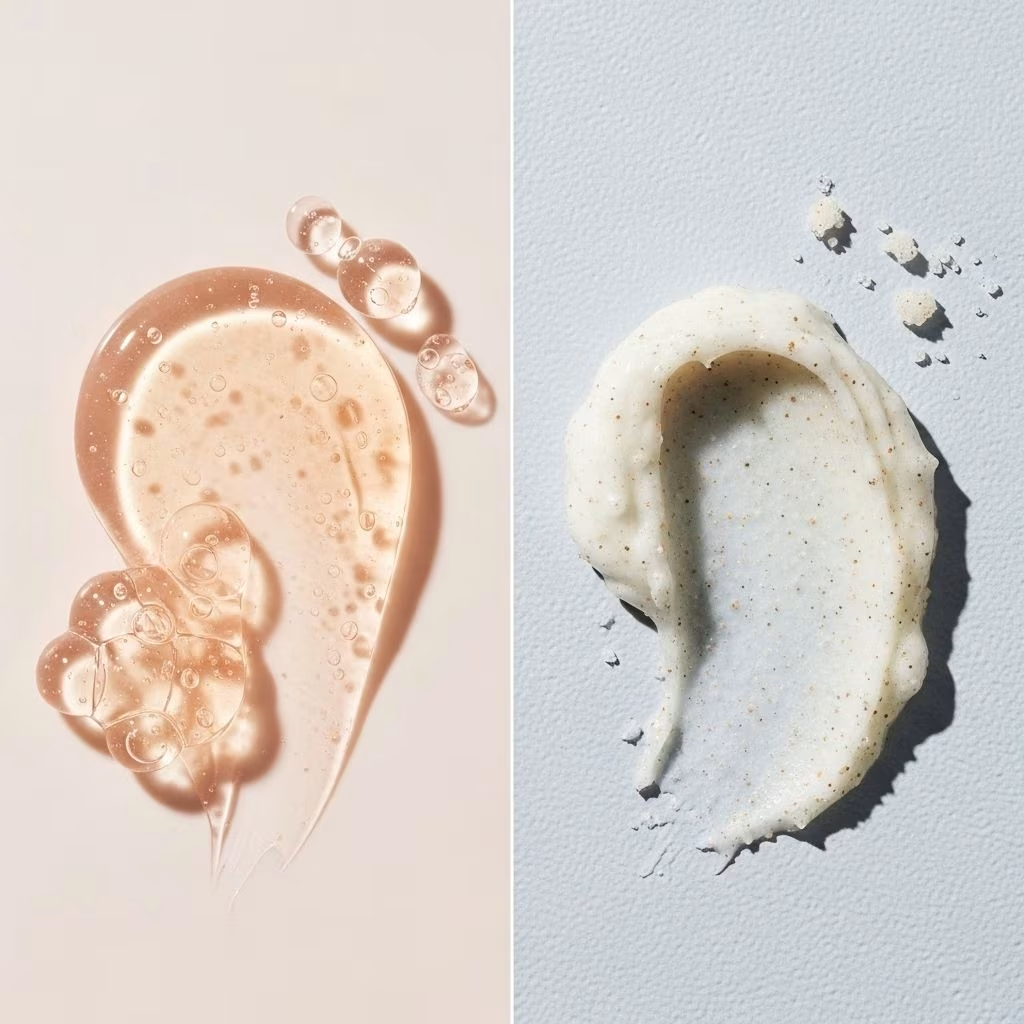
Exfoliation is a cornerstone of Korean beauty routines, promising to unveil radiant, healthy skin by gently removing dead skin cells and impurities. Among the abundance of exfoliating products, two types stand out in the K-Beauty world: gommage exfoliators and physical scrubs. Each offers distinct approaches, benefits, and ideal uses, making it crucial to understand their differences to optimize your skincare routine.
Introduction to Exfoliation in K-Beauty
The Korean approach to skincare is world-renowned for its focus on gentle, yet effective, techniques that prioritize the skin’s health and integrity. Exfoliation in K-Beauty is less about aggressively stripping the skin and more about nurturing and revitalizing it. Modern Korean exfoliation embraces methods that unclog pores, refine skin texture, and maximize absorption of skincare products—without compromising the skin’s barrier.
Key purposes for K-Beauty exfoliation:
- Smooth and brighten skin
- Reduce clogged pores and prevent breakouts
- Enhance product absorption
- Support overall skin health and radiance
What is Gommage Exfoliation?
Gommage exfoliation is a technique that originated in France and has found a loyal following in modern K-Beauty. The term “gommage” means “to erase” in French—a fitting descriptor for this method, as it erases dull, dead skin layers through a combination of enzymatic and physical exfoliation.
How gommage works:
- Gommage products are usually gel-like and contain enzymes such as papain (from papaya) or bromelain (from pineapple).
- They are applied to dry skin and left briefly to become slightly tacky.
- When rubbed gently, the product visibly pills and rolls off, taking dead skin cells with it—providing instant, tactile results.
The dual-action process involves:
- Chemical exfoliation: Enzymes break down proteins in dead skin cells
- Physical exfoliation: The pilling action helps lift away debris and cells as you massage the gel off
Suitability: Gommage is known for being gentle enough for sensitive, dry, or acne-prone skin. It doesn’t penetrate as deeply as some chemical exfoliants, making adverse reactions less likely, but it also has a somewhat milder effect regarding dramatic rejuvenation.
Origins of Gommage in Beauty
The gommage method dates back centuries—legend has it even Marie Antoinette created her own exfoliating gommage mask with natural kitchen ingredients. Today’s K-Beauty brands use safe, modern ingredients to offer a gentle yet effective approach ideal for fragile skin types.
Understanding Physical Scrubs
Physical scrubs are exfoliating products containing tiny particles or granules that manually slough off dead skin as you massage them over your face. Popular in traditional skincare regimes, K-Beauty has adopted a milder approach compared to harsher Western scrubs.
Common scrubbing agents:
- Sugar crystals
- Ground walnut shells (very finely milled)
- Microfine rice powder
- Jojoba beads (plant-derived and biodegradable)
K-Beauty physical scrubs often combine these particles with moisturizing bases, prioritizing gentle buffing and avoiding sharp, aggressive grains that could cause microtears in the skin.
Step-by-Step Exfoliation: How Gommage and Physical Scrubs Differ
| Step | Gommage Exfoliator | Physical Scrub |
|---|---|---|
| Preparation | Apply product to dry skin | Apply to damp/wet skin |
| Action | Let product become tacky, then gently rub in circular motions | Massage gently in circular motions |
| Mechanism | Enzyme and pilling action chemically and physically removes dead skin | Particles physically abrade dead skin from the surface |
| Aftercare | Rinse off residue; skin often feels soft and calm | Rinse off particles thoroughly; sometimes leads to redness or sensitivity |
| Visible Results | Dead skin seen as product pills/rolls away | Smoother finish after rinsing, but no visible pilling |
Benefits of Gommage Exfoliators
Gommage exfoliators are growing in popularity for good reason, especially in the K-Beauty space.
- Ultra-gentle exfoliation: Does not disrupt the barrier or cause microtears.
- Ideal for sensitive or reactive skin: Less likely to cause irritation, inflammation, or redness.
- Immediate visual feedback: Dead skin visibly rolls away, creating instant gratification.
- Improves skin texture and radiance: Regular use leads to smoother, more even skin tone.
- Non-abrasive and safe for frequent use: Won’t traumatize even delicate complexions.
- Eco-friendly formulas: Typically free from microplastics and environmentally damaging ingredients.
- Customizable formulations: Can include antioxidents, hydrating agents, or other botanical extracts for added skin benefits.
It’s worth noting that while gommage exfoliators excel in gentleness, they may not deliver the dramatic resurfacing or collagen-stimulating effects associated with deeper chemical peels or strong acids.
Benefits and Limitations of Physical Scrubs
Physical scrubs can provide swift, satisfying results but also carry potential drawbacks if not used carefully.
- Quick smoothing effect: Instantly polishes and softens the skin’s surface.
- Removes flaky, rough patches: Especially helpful for areas with stubborn texture.
- Boosts microcirculation: Gentle massage action can provide a rosy glow.
- Potential for irritation: Harsh or oversized grains can cause microtears, redness, or worsen sensitivity—especially if rubbed too vigorously or used on delicate facial skin.
- Variable formulation: Some scrubs (especially those with walnut shell or apricot pit) may be too harsh for regular use, while those with ultra-fine particles can be safer.
Modern K-Beauty Approach to Physical Scrubs
K-Beauty brands often formulate their physical exfoliants with smaller, rounded particles in creamy, nourishing bases to reduce the risk of damage and maximize hydration. Still, due to their abrasive action, they are typically recommended for those with oilier, thicker, or less reactive skin types.
Comparison Table: Gommage Exfoliators vs Physical Scrubs
| Feature | Gommage Exfoliator | Physical Scrub |
|---|---|---|
| Main Exfoliation Mechanism | Enzyme + gentle physical pilling | Physical abrasion from particles/granules |
| Application | On dry skin | On wet/damp skin |
| Key Benefits | Gentle, suited for sensitive skin, visual feedback | Instant polishing effect, good for visible roughness |
| Risks | Rare; unlikely to irritate if used as directed | Potential for microtears, irritation with harsh grains |
| Environmental Impact | Usually eco-friendly (no plastic microbeads) | Varies—avoid microbeads/non-biodegradable particles |
| Frequency of Use | 1–3 times weekly; gentle enough for frequent use | 1–2 times weekly for most skin types |
| Best For | Sensitive, dry, mature, acne-prone, or normal skin | Thicker, oily, or less reactive skin |
| Post-Use Effect | Smooth, glowing, calm skin | Smoother skin, possible redness |
Choosing the Right Exfoliator for Your Skin
Skin type and sensitivities should guide your exfoliator selection:
- Sensitive, reactive, or dry skin: Opt for a gommage exfoliator to minimize the risk of irritation and protect your skin’s moisture barrier.
- Oily or rough, textured skin: A gentle physical scrub may provide a quick fix for stubborn patches, but choose formulas with ultra-fine beads and a creamy base.
- Acne-prone skin: Gommage can help unclog pores without exacerbating inflamed, broken-out skin—avoid harsh scrubs which might worsen sensitivity.
- Mature or thin skin: Gommage’s low-abrasion technique is preferable to avoid worsening thin skin’s fragility.
Always patch test new products and adjust frequency to your skin’s tolerance.
Best Practices for Exfoliation
- Do not over-exfoliate: Even the gentlest product can cause irritation if used too frequently. Generally, 1–3 times per week is ideal for most skin types.
- Use sunscreen daily: Newly revealed skin is more vulnerable to sun damage after exfoliation.
- Follow with hydration: After exfoliating, replenish with toner, essence, serum, and moisturizer to strengthen your moisture barrier.
- Be gentle: Never scrub vigorously; let products work gradually for best results and fewer adverse effects.
- Personalize your routine: The best exfoliator is one that fits your skin’s evolving needs—listen to your skin and adjust accordingly.
Frequently Asked Questions (FAQs)
Q: What is the main difference between gommage exfoliators and physical scrubs?
A: Gommage exfoliators combine enzymes with gentle pilling to remove dead skin, while physical scrubs rely solely on abrasive particles to slough away skin cells. Gommage is typically much gentler and preferred for sensitive skin.
Q: Can gommage exfoliators irritate the skin?
A: Gommage exfoliators are formulated to minimize irritation and are generally suitable for sensitive, dry, or acne-prone skin. However, frequency and method still matter: always use with a light touch and observe your skin’s response.
Q: Are physical scrubs bad for your skin?
A: Physical scrubs can be damaging if they contain sharp, harsh particles or if used too aggressively. K-Beauty scrubs typically use small, rounded exfoliants in hydrating bases, making them much safer than some Western counterparts—but caution is still advised for sensitive and thin skin.
Q: How often should I exfoliate?
A: Most skin types benefit from 1–3 exfoliation sessions weekly. Sensitive skin might only need once per week with gentle products; oilier types may tolerate up to three.
Q: Which is more environmentally friendly: gommage or physical scrubs?
A: Gommage exfoliators are usually more eco-friendly since they are formulated without microplastics. When choosing a physical scrub, avoid those containing non-biodegradable microbeads and opt for scrubs with natural, sustainable exfoliants.
Q: What results can I expect after switching to K-Beauty exfoliation methods?
A: With consistent use, both gommage exfoliators and gentle physical scrubs help reveal smoother, brighter skin. The bonus of K-Beauty methods is maintaining your skin’s protective barrier for long-term glow and health.
Choosing the right exfoliation method for your unique skin ensures you enjoy all the benefits of a K-Beauty routine—radiance, softness, and resilience—without the risk of irritation or damage.
References
- https://inspecsolutions.com/about-gommage-exfoliation/
- https://skin-seoul.com/blog/k-beauty-exfoliation-guide-for-glowing-skin/
- https://www.mindbodygreen.com/articles/what-is-gommage-we-explain-french-exfoliating-method
- https://www.shaferplasticsurgery.com/blog/what-is-gommage-we-explain-the-french-exfoliating-method/
- https://highbeauty.com/blogs/news/what-is-a-gommage-an-exfoliating-peel-with-instant-gratification
- https://intothegloss.com/2019/09/do-gommage-peeling-gels-work/
- https://lafervance.com/what-is-gommage/


