


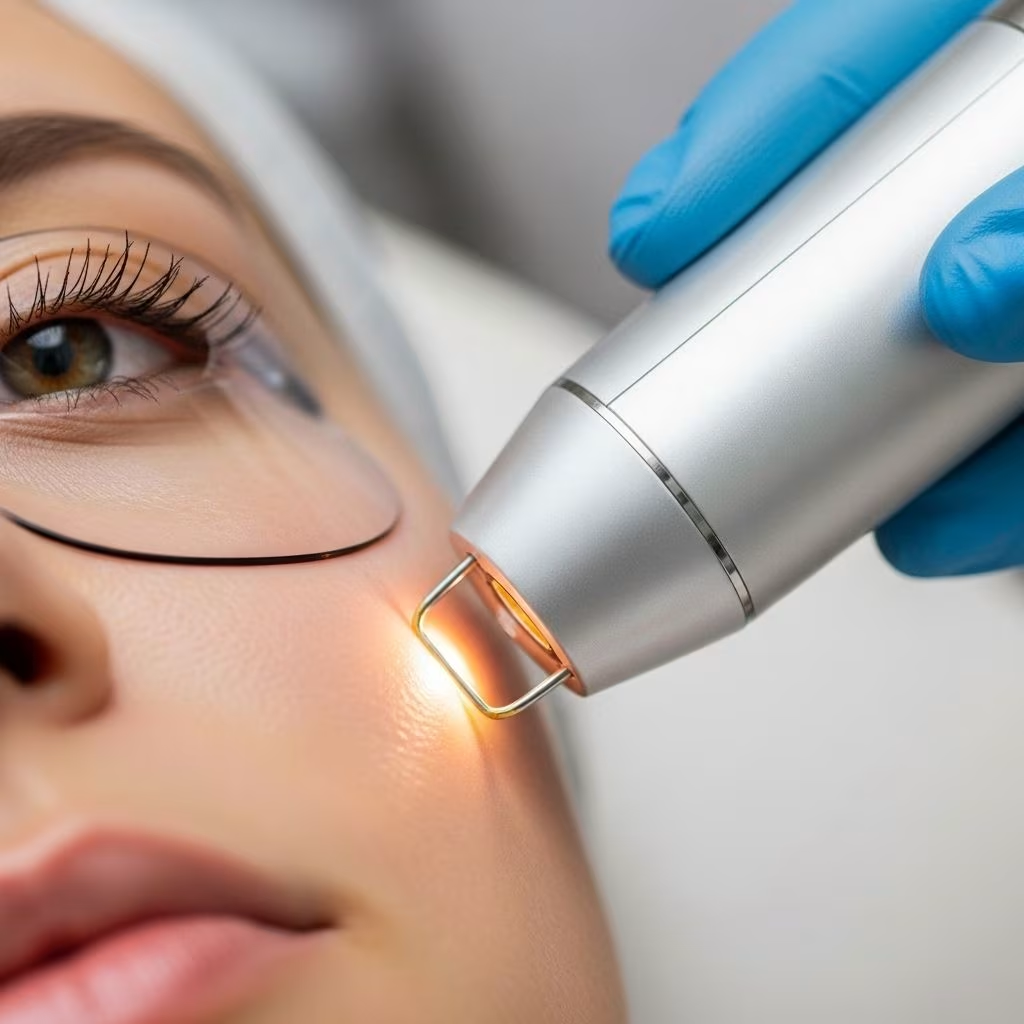
Laser skincare treatments have revolutionized the cosmetic and dermatology industries, offering effective solutions for various skin concerns from wrinkle reduction to pigmentation correction. As these procedures become increasingly accessible, understanding the safety protocols, potential risks, and essential guidelines becomes paramount for anyone considering laser-based treatments. This comprehensive guide explores everything you need to know about laser skincare treatment safety.
Understanding Laser Technology in Skincare
Laser treatments utilize concentrated beams of light directed onto targeted areas of the skin. These beams penetrate beneath the surface level to cause controlled physical changes, such as breaking up pigments, stimulating collagen production, or removing unwanted layers of tissue. The technology varies significantly in strength and application, with higher-powered lasers capable of addressing deeper skin concerns while lower-powered systems handle more superficial treatments.
The effectiveness and safety of laser treatments depend on selecting the appropriate laser type for specific skin conditions and patient characteristics. Different wavelengths target different chromophores in the skin, making proper selection crucial for optimal results and minimal complications. Ablative lasers vaporize tissue layers, while non-ablative lasers work beneath the surface without removing the top layer of skin.
Comprehensive Risk Assessment
While laser treatments are generally safe when performed by qualified professionals, they carry inherent risks that patients must understand before proceeding. The specific risks vary depending on the laser type, treatment area, individual health factors, and the practitioner’s expertise. Comprehensive risk assessment forms the foundation of safe laser practice.
Ocular Hazards
Eye damage represents one of the most serious risks associated with laser treatments. The retina and choroid strongly absorb visible light radiation, particularly ultraviolet and infrared rays. Exposure can cause keratoconjunctivitis, corneal burns, or cataracts. The risk level varies with laser classification, with Class 3b and Class 4 healthcare laser systems posing the highest danger. Protection requires appropriate eyewear specifically designed for the wavelength being used, and standard prescription glasses or contact lenses provide no protection whatsoever.
Cutaneous Complications
Skin-related risks constitute the most common complications from laser treatments. These thermal effects can manifest as hyperpigmentation, hypopigmentation, achromia, atrophic or hypertrophic scars, scabs, epidermal blisters, and erythema. Ultraviolet and infrared rays prove most aggressive because they are strongly absorbed at the skin surface. Short pulses of high-power exposure can cause superficial carbonization of the epidermis, blistering, or severe burns resembling sunburns with accompanying redness and swelling.
Darker skin tones face elevated risks for pigmentation changes due to higher melanin content, which absorbs more laser energy. Patients with certain skin conditions, such as active herpes, psoriasis, or eczema, may experience flare-ups following treatment. Those taking photosensitizing medications or supplements like isotretinoin or beta-carotene face increased vulnerability to adverse reactions.
Infection and Scarring
Laser treatments involving tissue removal increase infection risk, particularly when proper post-treatment care is not followed. Ablative procedures create open wounds that require meticulous care to prevent bacterial or viral infections. Although rare when procedures are performed correctly, scarring can occur, especially with ablative laser resurfacing. The risk increases with improper technique, inadequate healing protocols, or patient non-compliance with aftercare instructions.
Airborne Contaminants
Ablative lasers generate laser-generated airborne contaminants through tissue vaporization. These surgical plumes contain bacteria, viruses including Escherichia coli, Staphylococcus aureus, human papillomavirus, and human immunodeficiency virus, along with cell debris, toxic gases like benzene, formaldehyde, and hydrogen cyanide, and harmful aerosols. These contaminants pose health risks to both practitioners and patients, necessitating proper extraction and respiratory protection.
Essential Safety Guidelines and Standards
Practitioner Qualifications
The safety of laser treatments depends fundamentally on who performs the procedure. Qualified dermatologists, cosmetic surgeons, and extensively trained professionals possess the knowledge to adjust laser settings appropriately for individual skin types and conditions. This expertise dramatically reduces risks of burns, pigmentation changes, or scarring. Practitioners must understand laser physics, tissue interactions, proper parameter selection, and complication management.
Each wavelength, system, delivery device, and application requires different training, credentialing, policies, and procedures. Proper education ensures practitioners can anticipate potential hazards and implement appropriate control measures. Patients should verify their provider’s credentials, training, and experience with the specific laser type being used for their treatment.
Treatment Room Standards
Laser treatment facilities must meet specific safety standards to prevent accidents and minimize hazards. Rooms should contain no reflective surfaces to avoid accidental scattering of laser beams. Walls should feature matte paint or dark blue ceramic tile, floors should be covered with gray linoleum or similar non-reflective materials, and windows must be covered with appropriate barriers like galvanized steel or specialized protective films.
Proper ventilation systems are mandatory, including air filters or fume extractors positioned to capture and eliminate surgical plume effectively. Warning signs must be posted outside treatment rooms indicating laser use, and access should be controlled to prevent unauthorized entry during procedures. Emergency shut-off mechanisms must be readily accessible and regularly tested.
Personal Protective Equipment
Comprehensive personal protection forms a critical safety layer. Appropriate protective eyewear specifically designed for the laser wavelength being used is absolutely mandatory for all personnel in the treatment room. These must meet optical density requirements for the specific laser class and wavelength, and generic safety glasses offer no protection. Patients must also wear proper eye protection throughout the procedure.
Non-flammable gloves protect against thermal effects, particularly when working near the treatment site. Respiratory protection masks rated FFP2, KN95, or equivalent are essential when performing ablative procedures that generate surgical plume. These masks filter out bacteria, viruses, and toxic particles that could otherwise be inhaled.
Pre-Treatment Preparation Guidelines
Proper preparation significantly impacts treatment safety and outcomes. Patients must avoid sun exposure for several weeks before treatment to minimize pigmentation risks and maximize results. Tanning beds and self-tanning products should also be avoided. A thorough medical history review identifies contraindications such as photosensitizing medications, active infections, immunosuppression, or pregnancy.
The skin must be cleaned thoroughly before each session to remove makeup, lotions, and debris that could interfere with laser energy delivery or increase infection risk. Some treatments require topical or oral antibiotics to reduce post-procedure infection likelihood. Patients with history of herpes simplex may need antiviral prophylaxis to prevent outbreak reactivation.
A comprehensive consultation should address realistic expectations, potential risks specific to the patient’s situation, detailed aftercare requirements, and emergency contact procedures. Informed consent documentation ensures patients understand and accept the risks involved. Patch testing may be recommended for patients with unknown skin reactivity or higher risk profiles.
During-Treatment Safety Protocols
Active treatment requires vigilant adherence to safety protocols. Only trained personnel should operate laser equipment, with settings verified before each use. The laser should remain in standby mode when not actively treating tissue. Treatment areas should be clearly defined and limited to prevent accidental exposure of non-target tissues.
Constant communication between practitioner and patient ensures immediate response to discomfort or adverse reactions. Cooling methods, whether contact cooling, cryogen spray, or cold air, help minimize thermal damage and improve patient comfort. Treatment parameters must be adjusted based on real-time tissue response, and any unexpected reactions should prompt immediate protocol modification or treatment cessation.
Fire safety is paramount, as lasers can ignite flammable materials. Alcohol-based prep solutions must be completely dry before laser activation. Draping materials should be fire-resistant, and water or saline should be readily available. Emergency equipment including fire extinguishers must be present and accessible.
Post-Treatment Care and Monitoring
Proper aftercare proves crucial for optimal healing and complication prevention. Immediately following treatment, healing creams or ointments should be applied as directed to protect treated areas and promote recovery. Sun protection becomes absolutely critical, with broad-spectrum SPF 30 or higher required for several weeks or months post-treatment, as treated skin exhibits increased photosensitivity.
Patients should receive detailed written instructions covering wound care if applicable, products to avoid, signs of infection requiring immediate attention, expected healing timeline, and activity restrictions. Follow-up appointments allow practitioners to monitor healing, address concerns, and identify complications early when intervention proves most effective.
Common expected side effects include temporary redness, swelling, warmth, and sensitivity. These typically resolve within days to weeks depending on treatment intensity. However, patients must understand warning signs requiring immediate medical attention, including severe pain, excessive swelling, oozing, fever, or signs of infection.
Risk Management for Different Patient Populations
Certain patient groups require special consideration and modified protocols. Individuals with darker skin tones need carefully selected laser types and parameters to minimize pigmentation changes. Fitzpatrick skin types IV through VI face higher risks with certain laser wavelengths and may benefit from test spots before full treatment.
Patients with pre-existing eye conditions require ophthalmologic evaluation before facial laser treatments. Those with autoimmune conditions, bleeding disorders, or immunosuppression may face increased complication risks and need medical clearance. Pregnant women should generally avoid laser treatments due to unknown effects and hormonal changes that can affect healing.
Individuals taking photosensitizing medications including certain antibiotics, diuretics, or anti-inflammatory drugs need careful evaluation and possible medication adjustment before treatment. Active skin infections, open wounds, or recent cosmetic procedures in the treatment area constitute contraindications requiring resolution before proceeding.
Laser Classification and Associated Risks
Lasers are classified by risk level, with healthcare applications typically involving Class 3b and Class 4 systems. Class 3b lasers pose moderate hazards requiring protective eyewear and controlled access. Class 4 lasers, the most powerful category used in medical settings, present the highest risks including eye damage from direct or reflected beams, skin burns, and fire hazards from igniting flammable materials.
Maximum permissible exposure levels define the highest radiation exposure permissible without causing immediate or long-term damage. These thresholds vary by wavelength, exposure duration, and tissue type. Understanding these limits guides safe parameter selection and ensures treatments remain within safe boundaries for both patients and operators.
Regulatory Compliance and Quality Assurance
Laser facilities must comply with regulatory standards established by organizations including OSHA, ANSI, and FDA. Regular equipment maintenance, calibration, and safety inspections ensure proper functioning and hazard control. Documentation systems track equipment performance, maintenance schedules, and adverse events.
Quality assurance programs implement standardized protocols, regular staff training updates, incident reporting systems, and continuous improvement processes. Laser safety officers oversee compliance, conduct risk assessments, develop policies and procedures, and ensure all personnel receive appropriate training for their roles and responsibilities.
Emergency Preparedness
Despite preventive measures, emergencies can occur, making preparedness essential. Treatment facilities must maintain emergency protocols for fire, eye exposure, severe adverse reactions, and equipment malfunctions. Staff should receive regular training in emergency response procedures, including fire extinguisher use, eye irrigation techniques, and medical emergency management.
Emergency contact information for ophthalmologists, burn specialists, and poison control should be readily accessible. First aid supplies including eye wash stations, burn treatment materials, and emergency medications must be stocked and regularly checked for expiration. Regular emergency drills ensure staff can respond effectively under stress.
Comparing Laser Treatment Safety Across Procedures
| Treatment Type | Risk Level | Common Side Effects | Recovery Time |
|---|---|---|---|
| Non-Ablative Resurfacing | Low to Moderate | Redness, mild swelling, temporary sensitivity | 1-3 days |
| Ablative Resurfacing | Moderate to High | Significant redness, swelling, crusting, infection risk | 1-3 weeks |
| Hair Removal | Low | Temporary redness, folliculitis, pigmentation changes | 1-2 days |
| Pigment Treatment | Moderate | Darkening before lightening, temporary hyperpigmentation | 1-2 weeks |
| Vascular Treatment | Low to Moderate | Bruising, temporary vessel darkening, mild swelling | 3-7 days |
Making Informed Treatment Decisions
Patients considering laser treatments should conduct thorough research and ask comprehensive questions during consultations. Inquire about the practitioner’s training, experience with the specific laser type, complication rates, and how they handle adverse events. Request to see before-and-after photos of patients with similar skin types and concerns.
Understanding the complete cost including follow-up treatments and potential complication management helps avoid financial surprises. Realistic expectations about results, number of sessions required, and recovery commitment ensure satisfaction. Patients should feel comfortable with their provider and confident in their expertise before proceeding.
Alternative treatments should be discussed, comparing risks, benefits, costs, and outcomes. Some conditions may respond equally well to less aggressive options with lower risk profiles. The principle of choosing the least invasive effective treatment helps minimize potential complications while achieving desired results.
Frequently Asked Questions
Q: How do I know if my practitioner is qualified to perform laser treatments?
A: Qualified practitioners should be licensed dermatologists, plastic surgeons, or extensively trained medical professionals. Ask about their specific training in laser physics and the laser system being used, years of experience, and request to see before-and-after photos of their work. Verify their credentials through state medical boards and professional organizations.
Q: What should I do if I experience unexpected side effects after treatment?
A: Contact your treatment provider immediately if you experience severe pain, excessive swelling, signs of infection like oozing or fever, unexpected pigmentation changes, or vision problems. Most facilities provide emergency contact information for after-hours concerns. Prompt intervention can prevent complications from worsening.
Q: Are laser treatments safe during pregnancy?
A: Laser treatments are generally not recommended during pregnancy due to unknown effects on fetal development and hormonal changes that can affect healing and results. Most practitioners advise waiting until after pregnancy and breastfeeding to undergo elective laser procedures.
Q: Can laser treatments cause permanent damage?
A: While rare when performed correctly, permanent complications can include scarring, permanent pigmentation changes, and eye damage if proper safety protocols are not followed. Choosing a qualified practitioner, following all pre and post-treatment instructions, and using appropriate protective equipment minimizes these risks significantly.
Q: How long should I avoid sun exposure after laser treatment?
A: Sun avoidance recommendations vary by treatment type but typically range from two weeks to several months. Treated skin exhibits increased photosensitivity and sun exposure can cause hyperpigmentation or compromise results. Use broad-spectrum SPF 30 or higher sunscreen daily and wear protective clothing when outdoors.
Q: What is the difference between ablative and non-ablative laser treatments?
A: Ablative lasers remove the outer layers of skin, providing more dramatic results but requiring longer recovery and carrying higher risks. Non-ablative lasers work beneath the skin surface without removing the top layer, offering less downtime but potentially requiring more treatment sessions for comparable results.
Q: Do all laser treatments require eye protection?
A: Yes, appropriate eye protection is mandatory for all Class 3b and Class 4 laser procedures for both patients and all personnel in the treatment room. The specific eyewear must match the laser wavelength being used, as generic safety glasses provide no protection against laser damage.
Conclusion
Laser skincare treatments offer remarkable benefits for various skin concerns when performed safely by qualified professionals following established guidelines. Understanding the risks, necessary precautions, and proper protocols empowers patients to make informed decisions and ensures optimal outcomes. The combination of appropriate practitioner selection, comprehensive pre-treatment evaluation, strict adherence to safety protocols during procedures, and diligent post-treatment care creates the foundation for safe, effective laser treatments. By prioritizing safety alongside aesthetic goals, patients can confidently pursue laser treatments that enhance their appearance while minimizing potential complications. The key lies in thorough research, open communication with providers, realistic expectations, and unwavering commitment to following professional guidance throughout the treatment journey.
References
- https://pmc.ncbi.nlm.nih.gov/articles/PMC9287998/
- https://www.spaclinic.net/shedding-light-on-laser-safety-a-comprehensive-overview/
- https://molechex.com.au/2024/10/24/is-laser-treatment-safe-a-guide-to-understand-the-risks-and-benefits/
- https://encoremdspa.com/the-safety-and-risks-of-laser-treatments/
- https://pmc.ncbi.nlm.nih.gov/articles/PMC3799025/
- https://www.aslms.org/docs/default-source/for-professionals/mentorship-program/alsms-laser-safety-guide.pdf?sfvrsn=1f1f43b_7
- http://www.osha.gov/enforcement/directives/std-01-05-001
- https://www.fda.gov/radiation-emitting-products/surgical-and-therapeutic-products/medical-lasers
- https://www.mayoclinic.org/tests-procedures/laser-resurfacing/about/pac-20385114
- https://upderm.com/complete-guide-laser-skin-care/


