


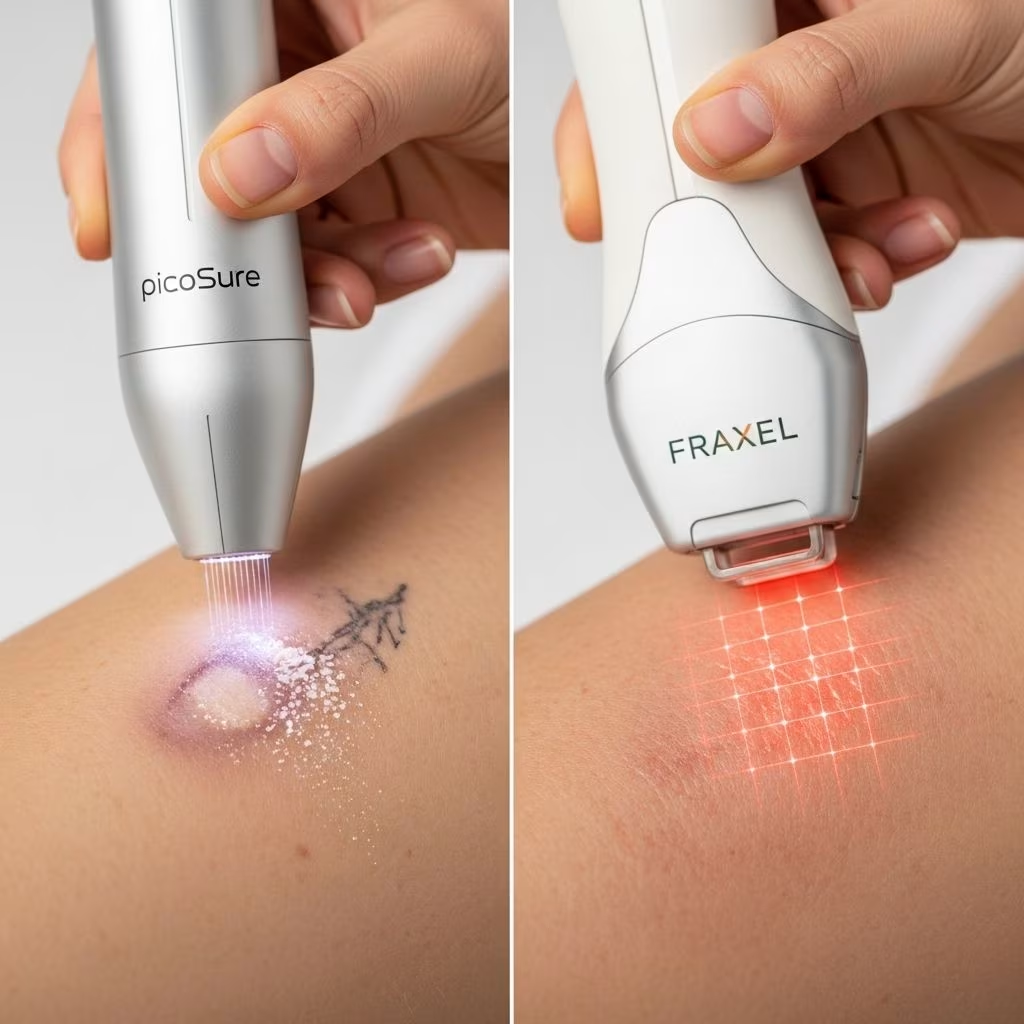
PicoSure and Fraxel are two leading laser platforms widely used for treating scars and removing tattoos. This comprehensive guide examines their differences, mechanisms, advantages, and practical considerations, enabling patients to make informed choices based on their skin concern, goals, and lifestyle.
Introduction
The field of cosmetic dermatology offers many laser options for skin rejuvenation, scar revision, and tattoo removal. Among these, PicoSure and Fraxel represent distinct technologies with proven records for improving skin texture, clarity, and appearance.
Choosing between PicoSure and Fraxel depends not only on personal preference but also on the skin issue—such as scars or tattoo ink—skin type, desired recovery time, and budget.
Technology Differences: PicoSure vs. Fraxel
| Feature | PicoSure | Fraxel |
|---|---|---|
| Type of laser | Picosecond Alexandrite (755 nm) | Fractional Non-Ablative (typically 1551–1927 nm) |
| Pulse duration | Trillionth of a second | Microseconds/Milliseconds |
| Mechanism | Photoacoustic (breaks pigment with shockwaves) | Photothermal (heats columns of skin to stimulate repair) |
| Depth of penetration | Superficial to mid-dermis (great for pigment and surface) | Deeper (excellent for scars and deep rejuvenation) |
| Downtime | Minimal (hours to 1 day) | Moderate (several days of redness/flaking) |
| FDA clearances | Tattoo removal, pigmented lesions, acne scars, skin rejuvenation | Scars, wrinkles, skin resurfacing, sun damage |
PicoSure uses ultra-short laser bursts, fragmenting pigment particles or stimulating skin renewal without significant skin injury. Fraxel leverages fractional photothermolysis, creating microscopic thermal zones in the skin that trigger healing and collagen formation for overall skin renewal.
Treatment Comparison: Scars & Tattoo Removal
Acne Scars and Surgical Scars
- Fraxel is particularly effective for deep acne scars and surgical scars. Its deeper penetration allows more significant remodeling of the dermis, resulting in smoother skin texture and faded scars after multiple sessions.
- PicoSure is beneficial for *mild to moderate acne scars*, post-inflammatory pigmentation, and superficial textural irregularities. It excels with minimal downtime and is safe across all skin tones.
Tattoo Removal
- PicoSure is considered a gold standard for laser tattoo removal. Its picosecond pulses generate pressure waves that shatter ink particles, especially stubborn and multi-colored tattoos, which are then cleared by the body’s immune system. Treatments usually require fewer sessions than traditional Q-switched lasers.
- Fraxel is not primarily designed for tattoo removal; its wavelength and mechanism target skin texture and pigmentation rather than tattoo ink. Most experts do not recommend Fraxel for tattoos.
Hyperpigmentation, Melasma, and Sun Damage
- PicoSure is optimal for treating pigmented lesions and sun spots, particularly in darker skin types due to its low risk of post-inflammatory hyperpigmentation (PIH).
- Fraxel excels for photoaged skin, melasma, and texture issues when deeper dermal remodeling is required, although there is higher PIH risk in darker skin types.
Ideal Candidates and Suitability
PicoSure Candidates
- All skin types (Fitzpatrick I–VI), including darker skin
- Individuals seeking rapid recovery with minimal downtime
- Patients with superficial pigmentation, light scars, or tattoos
- Desiring gentle, non-invasive skin rejuvenation
Fraxel Candidates
- Light to medium skin tones (Fitzpatrick I–IV), due to PIH risk
- Patients with deep acne scars, pronounced wrinkles, or sun damage
- Prepared for moderate downtime and gradual improvement
- Individuals seeking overall skin resurfacing and texture improvement
Treatment Experience & Recovery
| Aspect | PicoSure | Fraxel |
|---|---|---|
| Session time | 15–30 minutes | 20–45 minutes |
| Pain level | Mild (cold air, topical numbing if needed) | Moderate (local/topical anesthesia recommended) |
| Downtime | Hours to one day | Several days to a week (redness, swelling, flaking) |
| Healing signs | Mild redness, swelling resolves quickly | Sunburn-like redness, flaking, swelling |
| Return to activity | Immediate (often next day) | 2–5 days post-treatment |
Many patients prefer PicoSure for its minimal disruption to daily life, while Fraxel is suitable for those who can accommodate downtime in exchange for deeper skin transformation.
Results and Longevity
- PicoSure: Visible improvements usually appear after 2–4 sessions, with results being cumulative. Effects are long-lasting, especially when supported by proper skincare and sun protection.
- Fraxel: Gradual improvement occurs over weeks after each session; 3–5 treatments are commonly needed for optimal scar revision. Maintenance sessions can prolong results for several years.
For tattoo removal, PicoSure typically requires fewer sessions than older lasers, reducing overall cost and inconvenience.
Risks, Safety, and Side Effects
PicoSure Risks
- Temporary redness or swelling
- Rare risk of blistering or hypo/hyperpigmentation
- Extremely low risk of scarring or infection
Fraxel Risks
- Redness, swelling, and peeling for several days
- Possible hyperpigmentation, especially in darker skin types
- Rare risk of infection or persistent scarring
The skill and experience of the provider strongly impact safety and satisfaction. Choose certified, experienced practitioners for optimal outcome.
Post-Treatment Care
- PicoSure: Gentle moisturizing and diligent sun protection are essential. Redness usually subsides within hours.
- Fraxel: Use gentle skincare, hydrate, and avoid sun exposure until healed. Expect several days of visible redness and dryness/flaking.
Strict adherence to the aftercare instructions provided by your provider reduces risk and ensures lasting results.
Cost Considerations
- PicoSure: Pricing depends on location, size of area, and provider experience. Tattoo removal with PicoSure generally costs more per session, but fewer sessions may be needed compared to old Q-switched lasers.
- Fraxel: Typically priced per area/face, with several sessions needed for full effect. The need for post-procedure products or recovery time can affect indirect costs.
Consult multiple providers to receive personalized estimates and treatment plans.
Frequently Asked Questions (FAQs)
Q: Which treatment is better for deep acne scars?
A: Fraxel is better for deep acne and surgical scars due to its deeper penetration and collagen stimulation, though PicoSure is efficient for mild/moderate scarring and hyperpigmentation.
Q: Is PicoSure safe for dark skin tones?
A: Yes. PicoSure is proven safe and effective for all skin types, including dark skin, with minimal risk of hyperpigmentation.
Q: How many sessions are needed for tattoo removal?
A: Most tattoos require 4–10 PicoSure treatments, depending on ink colors and density. PicoSure usually means fewer sessions than traditional lasers.
Q: Can Fraxel be used for tattoo removal?
A: No. Fraxel lasers are not recommended or designed for tattoo removal; their wavelengths do not efficiently target tattoo ink.
Q: What is the downtime for PicoSure vs. Fraxel?
A: PicoSure downtime is minimal, usually mere hours. Fraxel requires 2–5 days for recovery due to redness and flaking.
Q: Can multiple concerns be treated in one session?
A: Yes, especially for PicoSure, which can target pigment and superficial scars. Fraxel is also versatile but may need separate protocols for different skin concerns.
Conclusion
PicoSure and Fraxel are both powerful tools for scar revision and skin rejuvenation, but they serve somewhat different purposes. PicoSure excels in pigment correction, superficial scar revision, and tattoo removal with fast recovery, making it ideal for patients seeking minimal downtime and safety for every skin tone. Fraxel dives deeper, effectively remodeling skin texture and smoothing robust scars and wrinkles, at the expense of longer recovery and increased risk for pigment changes in darker skin.
The best results stem from detailed assessment by an experienced provider, aligning technology with your specific skin needs and expectations. Always demand thorough consultation and realistic advice before embarking on laser treatment for scars or tattoo removal.
References
- https://www.keylaserinstitute.com/how-does-the-picosure-focus-compare-to-fraxel-skin-resurfacing/
- https://www.realself.com/question/spain-es-picosure-fraxel
- https://www.youtube.com/watch?v=jIZFOuQu0Ww
- https://www.premierveinandbody.com/blog/how-does-the-picosure-focus-laser-facial-compare-to-fraxel/
- https://springhousederm.com/cosmetic/fraxel-pico-genesis/
- https://artofdermatology.com/what-laser-procedure-is-right-for-me/
- https://beaconderm.com/everything-to-know-about-the-pico-laser-treatment/
- https://drarielostad.com/fraxel-co2-vs-picoway-which-laser-treatment-is-right-for-you/
- https://www.fundamentalaestheticclinic.com.sg/post/pico-laser-vs-co2-laser


