


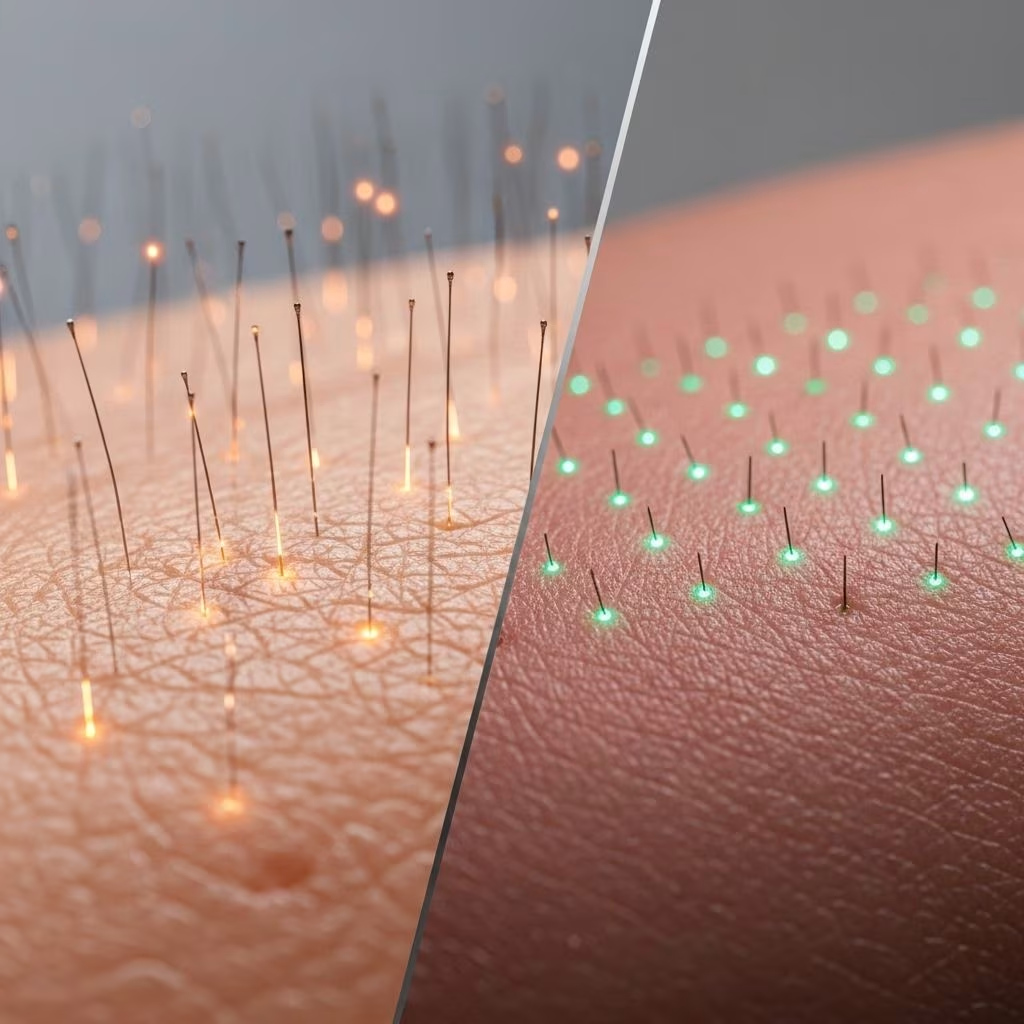
Microneedling RF vs. Fractional Laser for Skin Texture: Which is More Effective?
Introduction
In the quest for smoother, more youthful skin, two advanced treatments have become popular: microneedling with radiofrequency (RF) and fractional laser resurfacing. Both promise to rejuvenate skin texture, reduce signs of aging, and improve overall skin appearance. However, they differ in mechanisms, outcomes, and patient experiences. This article provides an extensive, evidence-based comparison between microneedling RF and fractional laser for skin texture improvement, helping you make an informed decision for your skin care needs.
What Are Microneedling RF and Fractional Laser?
Microneedling RF combines traditional microneedling—a process that creates tiny punctures in the skin to stimulate collagen—with radiofrequency energy, which heats the deeper layers of skin to further boost collagen and elastin formation. This dual-action approach aims to enhance skin tightening and texture simultaneously.
Fractional Laser treatments, such as Fraxel or CO2 lasers, use laser energy to create microscopic columns of thermal damage in the skin. These controlled injuries trigger the body’s natural healing process, leading to skin resurfacing, improved texture, and reduced pigmentation and scarring.
How Do These Treatments Work?
Microneedling RF devices penetrate the skin with fine needles while delivering radiofrequency energy at the tips. This combination stimulates deeper layers of the dermis, promoting collagen and elastin remodeling for firmer, tighter skin with a smoother surface.
Fractional lasers, on the other hand, deliver targeted laser energy to small areas of the skin, leaving the surrounding tissue intact. This precision minimizes downtime while still stimulating significant collagen production for improved skin texture and tone.
Effectiveness for Skin Texture Improvement
Both treatments are effective for improving skin texture, but their mechanisms and outcomes differ:
- Microneedling RF is particularly effective for skin tightening and reducing pore size, as it stimulates collagen in both superficial and deeper layers. It is especially suitable for patients with sagging skin, deep wrinkles, and large pores.
- Fractional Laser is best for addressing surface irregularities such as fine lines, acne scars, and uneven pigmentation. It resurfaces the skin, providing a smoother, more radiant appearance.
| Treatment | Best For | Collagen Stimulation | Downtime | Pain Level |
|---|---|---|---|---|
| Microneedling RF | Skin tightening, large pores, deep wrinkles | Deep and superficial | Short | Mild to moderate |
| Fractional Laser | Skin texture, fine lines, pigmentation | Primarily superficial | Short | Mild |
Collagen Stimulation and Skin Renewal
Collagen is the key protein responsible for skin firmness and elasticity. Both treatments stimulate collagen, but in different ways:
- Microneedling RF induces collagen in both the outer and deeper layers of the skin, leading to not only improved texture but also a lifting and tightening effect.
- Fractional Laser primarily stimulates collagen in the outer layers, making it more effective for treating surface-level concerns like acne scars and uneven tone.
Downtime & Recovery
Both treatments have relatively short downtime compared to more aggressive procedures. However, fractional lasers (especially CO2) typically require 3–5 days of social downtime, while RF microneedling often allows a faster return to normal activities—sometimes just a day or two. This makes RF microneedling more attractive for those seeking convenience and minimal interruption to daily life.
Side Effects & Safety
Both procedures are generally safe when performed by qualified professionals, but side effect profiles differ:
- Microneedling RF is associated with less swelling, less pain, and a lower risk of post-inflammatory hyperpigmentation (PIH), especially in darker skin types.
- Fractional Laser may cause more bruising, swelling, and temporary redness. There is a higher risk of PIH, particularly with ablative lasers like CO2, which can be a concern for people with darker skin.
Pain and Comfort Levels
Microneedling RF generally causes mild to moderate discomfort, while fractional lasers are typically associated with mild discomfort. Pain levels can be managed with topical anesthetics for both procedures. Some studies report that patients experience more pain with fractional lasers, but individual tolerance varies.
Cost Comparison
Microneedling RF and fractional laser treatments are both investment procedures, but microneedling RF tends to be more cost-effective. A recent study found that fractional RF lasers are approximately three times more expensive than microneedling, making the latter a more budget-friendly option for significant skin texture improvement.
Who is Best Suited for Each Treatment?
- Microneedling RF is ideal for individuals seeking skin tightening, reduced pore size, and lifting effects, especially those with mild to moderate sagging or deep wrinkles.
- Fractional Laser is better suited for individuals with textural issues, pigmentation, fine lines, and superficial scars who desire more noticeable surface-level improvements.
Special Considerations: Skin Type and Sensitivity
Individuals with darker skin types may benefit more from microneedling RF due to the reduced risk of hyperpigmentation compared to fractional lasers, which can sometimes trigger PIH. Sensitive areas, such as around the eyes or on delicate skin, may also tolerate RF microneedling better, as it is generally gentler and causes less epidermal injury.
Expert Opinions and Clinical Evidence
Recent clinical studies provide valuable insights:
- A 2021 study comparing microneedling and fractional RF laser for skin rejuvenation found that microneedling produced better results in skin lightening and pore healing, with similar rates of erythema but less swelling and bruising.
- Another study demonstrated that both fractional CO2 laser and fractional microneedling RF are equally effective for atrophic acne scars, but microneedling RF offers a safer profile with less downtime and fewer side effects, especially in darker skin types.
- Overall, microneedling RF is emerging as a superior, cost-effective skin rejuvenation technique with fewer complications, while fractional lasers remain effective for those seeking more dramatic texture improvement and are willing to tolerate slightly more downtime.
Frequently Asked Questions (FAQs)
Q: Which is better for large pores, microneedling RF or fractional laser?
A: Microneedling RF is generally better for reducing large pores due to its dual action of mechanical needling and radiofrequency-induced collagen remodeling in deeper skin layers.
Q: Can microneedling RF and fractional laser be combined?
A: Yes, some clinics offer combination therapies based on individual skin concerns. Consult a board-certified dermatologist for a personalized plan.
Q: Is there a risk of hyperpigmentation with these treatments?
A: Fractional lasers, especially CO2, carry a higher risk of post-inflammatory hyperpigmentation, particularly in darker skin types. Microneedling RF is generally safer in this regard.
Q: How many sessions are typically required?
A: Most patients require 3–6 sessions spaced 4–6 weeks apart for optimal results, depending on the severity of skin concerns and the chosen modality.
Q: Which treatment has less downtime?
A: Microneedling RF usually has less downtime, allowing for a quicker return to daily activities compared to fractional lasers, especially ablative types.
Conclusion
Microneedling RF and fractional laser are both advanced, effective treatments for improving skin texture, but they differ in mechanisms, outcomes, and patient experience. Microneedling RF excels in skin tightening, pore reduction, and is safer for sensitive or darker skin, with minimal downtime and lower risk of complications. Fractional laser remains the gold standard for dramatic resurfacing of fine lines, scars, and pigmentation, though with a slightly higher risk of side effects and longer recovery in some cases. The best choice depends on your individual skin concerns, tolerance for downtime, and desired outcomes. Always consult a qualified dermatologist to determine the most suitable treatment for your unique needs.
References
- https://continentalhospitals.com/blog/fractional-laser-vs-mnrf-which-is-best-for-skin-renewal/
- https://pmc.ncbi.nlm.nih.gov/articles/PMC11088736/
- https://pmc.ncbi.nlm.nih.gov/articles/PMC8423204/
- https://naderm.com/rf-microneedling-vs-fraxel-laser-how-to-choose/
- https://aestheticsandmedicallasers.com/fractional-ablative-co2-laser-vs-radiofrequency-microneedling/
- https://www.eternaldermatology.com/fraxel-laser-vs-rf-microneedling-which-one-is-best/
- https://upderm.com/rf-microneedling-vs-laser-treatment/
- https://dermablue.com/co2-vs-rf-microneedling-for-acne-scarring/
- https://www.jptcp.com/index.php/jptcp/article/view/10653


