


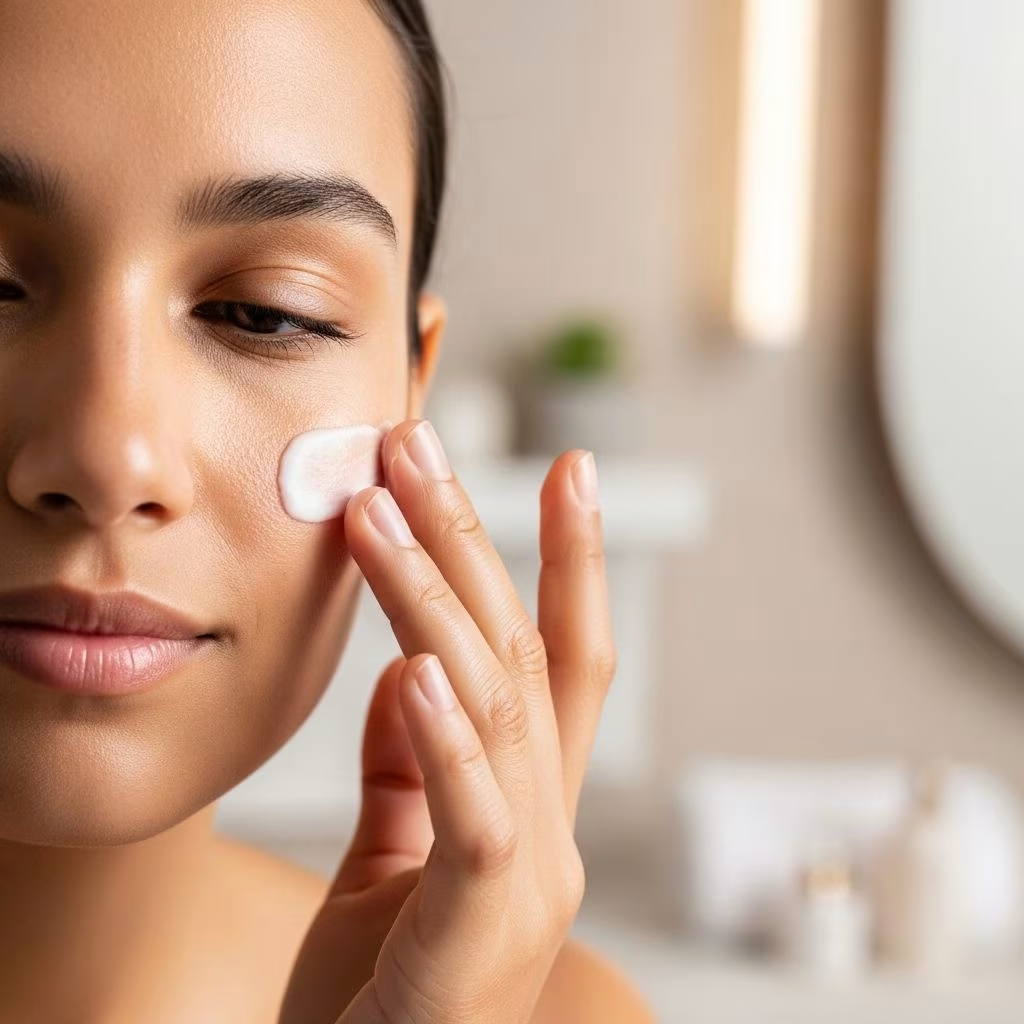
Laser skin treatments are highly effective for addressing various skin concerns, from wrinkles and pigmentation to scars and texture. However, their benefits come with a critical period of healing and vulnerability. Implementing the correct post-laser care skincare routine can determine the speed and quality of your skin’s recovery, minimize complications, and help you achieve the best possible results.
Understanding Laser Procedures and Healing Dynamics
Laser treatments, such as fractional CO2 lasers, non-ablative resurfacing, or hybrid devices, stimulate skin renewal by creating controlled micro-injuries. This triggers the skin’s natural repair mechanisms, encourages collagen production, and removes damaged skin layers. The process leaves the skin highly sensitive and requires a dedicated healing phase for optimal recovery and best outcomes.
Why is Post-Laser Care So Important?
- Promotes faster healing by supporting skin barrier regeneration and minimizing irritation.
- Prevents complications such as infection, scarring, and hyperpigmentation.
- Maintains and optimizes treatment results for smoother, more radiant skin.
The Healing Timeline: What to Expect After Laser Treatments
Recovery time varies based on the type of laser and the intensity of the treatment. However, most follow a similar pattern:
| Stage | Timeframe | Key Features |
|---|---|---|
| Acute Phase | Days 1–3 | Redness, swelling, sensitivity, raw sensation Possible oozing or crusting |
| Shedding Phase | Days 4–7 | Peeling/sloughing of old skin Emergence of pink, fresh skin |
| Subacute Recovery | Week 2–3 | Decreasing redness, lingering sensitivity Most normal activities resumed |
| Restoration Phase | Weeks 3–4+ | Skin tone evens out Radiance and smoothness improve |
Note: Full collagen remodeling and complete result visibility can take several months depending on the procedure. Deep or ablative laser treatments generally require longer recovery.
Immediate Post-Laser Care: The First 48 Hours
During this critical period, your skin’s protective barrier is at its weakest. Diligent, gentle care is crucial:
- Do not touch, rub, or pick at the treated area. This prevents scarring and infection.
- Gentle cleansing with cool or lukewarm water; avoid soaps with fragrances or harsh surfactants.
- Apply prescribed ointments or recovery creams as directed (often petrolatum or medical-grade barrier creams).
- Avoid makeup and any occlusive or pore-clogging products for at least 48 hours.
- Minimize exposure to heat (hot showers, saunas) and environmental toxins.
- Sleep with your head slightly elevated and on your back to reduce swelling and avoid pressure on the area.
Core Skincare Routine for Healing Skin
Once your provider confirms it is safe (often after the initial 1–2 days), you may follow this core routine to support healing:
1. Gentle Cleansing
- Use a mild, fragrance-free, sulfate-free cleanser to avoid disrupting the barrier.
- Cleansing 2–3 times daily keeps the area clean and reduces the risk of infection. Pat skin dry; do not rub.
- For stronger ablative procedures, dilute vinegar/saline compresses may be recommended.
2. Barrier Repair and Moisturization
- Apply a recovery cream or approved moisturizer containing:
- Ceramides: Support barrier repair and reduce irritation.
- Aloe Vera & Calendula: Soothe inflammation.
- Hyaluronic Acid & Glycerin: Hydrate and retain moisture.
- Reapply moisturizer as needed throughout the day, especially if skin feels dry or tight.
3. Sun Protection
- Use a broad-spectrum, mineral-based sunscreen (zinc oxide/titanium dioxide) with SPF 30+, designed for sensitive or post-procedure skin.
- Avoid direct sun exposure as much as possible. Wear hats and seek shade when outdoors.
- Apply sunscreen daily, even when inside, as windows still allow some UV penetration.
4. Additional Comfort Measures
- Use a cold compress or store your moisturizer in the fridge for extra soothing relief.
- Do not use ice directly on the skin as it can cause frostbite on compromised skin.
Ingredients and Practices to Avoid
The healing window is a sensitive stage prone to irritation and further injury. Avoid the following until your provider approves:
- Retinoids (Retin-A), vitamin C serums, AHAs/BHAs, glycolic and salicylic acid
- Fragrance, alcohol-based toners, and harsh exfoliants
- Manual scrubs, cleansing devices, or sponges
- All active anti-aging or brightening ingredients until complete re-epithelialization
Prematurely introducing these substances can prolong the healing process, provoke redness, or cause long-term pigment changes.
Hydration and Skin Barrier Restoration
Hydration goes beyond topical skincare. Both internal and external hydration are essential for effective healing:
- Topical Hydration: Use creams or gels with hyaluronic acid, glycerin, and ceramides. These support hydration and barrier repair while minimizing transepidermal water loss (TEWL). Reapply as often as needed.
- Internal Hydration: Drink plenty of water throughout the day. Stay hydrated to support cell repair and overall skin health.
- Humidifiers: Using a humidifier in your bedroom helps maintain ideal ambient moisture, preventing post-procedure dryness.
Sun Protection: A Non-Negotiable Step
Post-laser skin is significantly more susceptible to UV injury, increasing risks of hyperpigmentation, burns, and impaired healing. Adhere to these sun-safety measures:
- Sunscreen: Begin as soon as peeling subsides and your provider allows (generally 5–7 days post-treatment). Use only mineral-based, gentle formulations suitable for sensitive skin.
- Sun Avoidance: Limit time outdoors, especially from 10AM–4PM when UV exposure is highest.
- Protective clothing and hats: Physical barriers provide further protection.
- Consistent sunscreen use: Even mild exposure (indoors by windows) can derail pigment healing.
Transitioning Back to Your Regular Skincare
As healing progresses (usually in weeks 2–3 after lighter lasers or week 4+ for ablative treatments), you may gradually resume your standard routine:
- Introduce actives slowly: Once there is no redness or peeling, approved ingredients like vitamin C or gentler exfoliants may be reintroduced—always check with your provider first.
- Retinoids and stronger acids: Reintroduce these only as tolerated and per medical advice, often after 6 weeks.
- Monitor for irritation: Scale back immediately if redness or sensitivity returns.
Lifestyle Factors That Enhance Healing
- Nutrition: Eat a balanced diet rich in antioxidants (fruits and vegetables), protein, and healthy fats to support collagen synthesis and immune function.
- Sleep: Aim for regular, restorative sleep to encourage effective tissue repair and reduce inflammation.
- Stress Management: High stress can slow skin regeneration—incorporate relaxation techniques where possible.
- No Smoking or Alcohol Excess: Both severely impair skin healing and collagen production.
Frequently Asked Questions (FAQs)
Q: How long does it take to recover after a laser treatment?
A: Recovery depends on the type and depth of the laser but generally ranges from 5–7 days for mild treatments up to 2–4 weeks for deep resurfacing. Redness and sensitivity may persist beyond this period as collagen remodeling continues.
Q: When can I wear makeup again?
A: It is usually safe to resume gentle, non-comedogenic makeup after all peeling has finished (approximately one week for most treatments). However, always confirm with your provider.
Q: Which moisturizer is best after laser?
A: Choose a fragrance-free, barrier-repairing moisturizer with ceramides, hyaluronic acid, aloe, or calendula. Avoid products with active ingredients or heavy scents.
Q: Is it normal for skin to be pink or red after healing?
A: Yes, post-laser skin is often pink or reddish for several weeks. The color gradually subsides over two to three months but sometimes lasts longer for those with lighter complexions.
Q: How can I minimize downtime after laser treatments?
A: Strict adherence to your provider’s instructions, proper hydration, gentle cleansing, consistent moisturization, and sun avoidance are the most effective ways to speed up recovery and minimize complications.
Key Takeaways for Post-Laser Recovery
- Strictly follow medical instructions—every procedure and individual may require different care.
- Keep skin clean and hydrated with gentle products and plenty of water.
- Never skip sun protection, both during and after the active healing phase.
- Be patient—true results emerge over weeks to months as collagen remodels beneath the surface.
Supporting your skin after laser therapy is not only about avoiding problems—it’s about empowering your natural healing for the radiant, healthy complexion you desire.
References
- https://rejuvaskin.com/blogs/science-and-health/minimizing-downtime-after-laser-treatments-the-role-of-rejuvaskin-skin-recovery-cream
- https://www.mi-skin.com/blog/co2-laser-recovery-your-skin-day-by-day/
- https://www.plasticsurgery.org/cosmetic-procedures/laser-skin-resurfacing/recovery
- https://www.alluraskin.com/6-ways-to-maintain-your-laser-results-after-treatment/
- https://www.mskcc.org/cancer-care/patient-education/skin-care-after-fractionated-carbon-dioxide-laser-treatment
- https://www.virginiafacialplasticsurgery.com/blog/skin-care-makeup-tips-laser-resurfacing
- https://centerforderm.com/how-to-prepare-for-a-laser-treatment-what-to-do-before-and-after/
- https://www.srderm.com/2024/10/22/recovery-and-results-what-to-expect-after-a-halo-laser-treatment/
- https://www.ctfacialplasticsurgery.com/blog/how-to-care-for-your-skin-after-laser-treatments/


