


Introduction
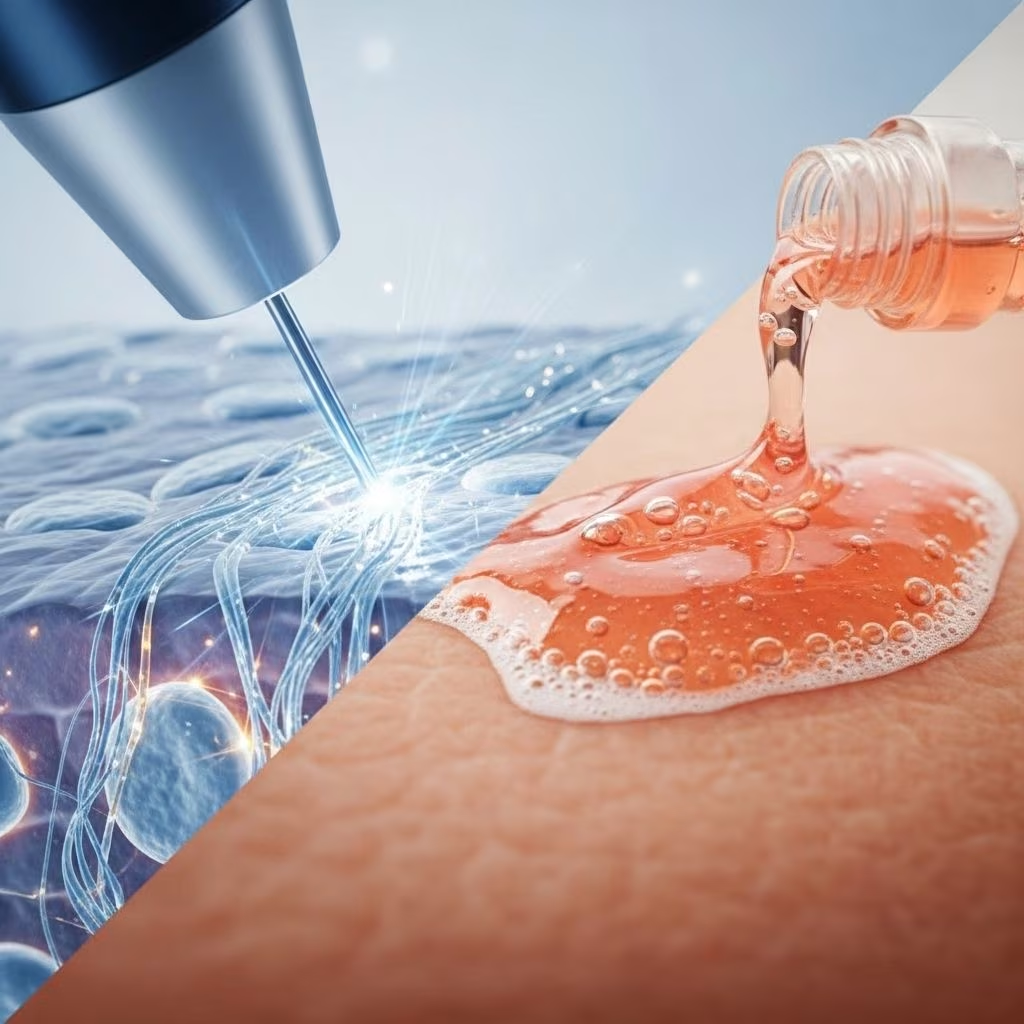
Combining laser resurfacing and chemical peels has emerged as an advanced technique in aesthetic dermatology, targeting a wide spectrum of facial skin concerns. This approach harnesses the individual benefits of both modalities, aiming for enhanced outcomes in terms of texture, pigmentation, and reduction of wrinkles and scars. As the demand for minimally invasive procedures rises, understanding the safety, efficacy, and optimal techniques for this combination therapy is crucial for both practitioners and patients.
Background on Skin Rejuvenation Techniques
Aesthetic skin resurfacing aims to reverse signs of aging, sun damage, and various dermatological imperfections. Traditionally, this has involved single-modality treatments such as:
- Chemical peels: Application of acids or keratolytic agents to exfoliate skin layers.
- Laser resurfacing: Use of lasers to induce controlled thermal injury, stimulating collagen remodeling and epidermal renewal.
Recent innovations have focused on combining these modalities to leverage their unique mechanisms for more robust rejuvenation, especially in challenging cases of deep wrinkles, pigmentation, and scars.
Types of Lasers and Chemical Peels
Laser Modalities
- Ablative Lasers: CO2 (UltraPulse), Er:YAG – vaporize epidermal and dermal layers for profound remodeling.
- Fractional Lasers: Fraxel (fractional photothermolysis) – generate microscopic columns of ablation interspersed with intact skin to allow faster healing.
- Non-Ablative Lasers: Target deeper tissue with minimal surface injury (less common in combined techniques).
Chemical Peel Agents
- Alpha-hydroxy acids (AHA) – glycolic, lactic acid; suitable for superficial exfoliation.
- Beta-hydroxy acids (BHA) – salicylic acid; preferred for oily, acne-prone skin.
- Trichloroacetic acid (TCA) – penetration depth dictated by concentration; used for medium-depth peels.
- Phenol peels – deep exfoliation; reserved for severe skin damage due to higher risk profile.
Rationale for Combining Lasers and Chemical Peels
The synergistic approach seeks to:
- Address multiple skin issues simultaneously: Texture, tone, pigmentation, and deep rhytides (wrinkles).
- Achieve enhanced results: Chemical agents can optimize the resurfacing effect initiated by lasers; lasers can improve penetration and action of subsequent peels.
- Reduce recovery time: Fractional or staged approaches may allow faster healing compared to deep, single-modality interventions.
Studies indicate improved long-term benefits in facial rejuvenation with tailored protocols using both modalities.
Clinical Indications for Combination Therapy
- Photoaging: Combination treatments can reduce actinic damage, pigmentary changes, and solar elastosis more effectively than either technique alone.
- Wrinkles and Scarring: Fine, moderate, and deep wrinkles, as well as acne scars and surgical scars, often respond better to combined protocols.
- Pigmentation Disorders: Melasma, post-inflammatory hyperpigmentation, and age spots can be managed by strategic use of chemical peels and fractional lasers.
Technique and Procedural Considerations
General Protocols
- Sequence is critical: Chemical peel is performed first, followed by targeted laser application. This reduces scarring risk, as peeling into lasered skin can increase complications.
- Energy and pass tailoring: Laser parameters (energy, density, passes) are customized to skin type and target area. Danger zones (e.g., eyelids, jawline) typically receive reduced energy.
- Patterning: Feathering the laser into hairline, ear, and neck regions ensures seamless blending and minimizes lines of demarcation.
- Overlapping passes: Criss-cross overlap avoids geometric healing patterns, yielding natural results.
- Laser selection: Ablative lasers are favored for deeper resurfacing, though fractional techniques may be preferred for lighter phototypes and for reducing downtime.
Contraindications
- Skin flaps from facelifts: Should not be lasered or peeled simultaneously, as undermined flaps increase complication risk.
- Deep peels on compromised patients: Particularly with phenol, contraindicated in those with cardiac, renal, or hepatic dysfunction due to systemic toxicity risk.
Safety and Risk Management
Safety Considerations
- Complication minimization: Adhering to safe energy levels, limiting passes in danger zones, and following sequence protocols reduces risk.
- Phenol peels: Require cardiac monitoring and systemic hydration due to risk of arrhythmia and toxicity.
- TCA peels: Risk of post-inflammatory pigmentation changes, especially in darker skin types.
- Laser risks: Include erythema, infection, scarring, hyper- and hypo-pigmentation.
- Combination risks: Require meticulous technique to avoid cumulative tissue injury, lines of demarcation, and late-onset pigmentation anomalies.
Adverse Effects
- Atrophy
- Scarring
- Cardiac arrhythmias (phenol)
- Laryngeal edema
- Toxic shock syndrome (rare but documented)
- Hyperpigmentation / Hypopigmentation
Pre-procedural education on risks and signs of complications is vital for patient safety.
Efficacy and Real-World Outcomes
Evidence supports the safety and efficacy of combination therapy when protocols are meticulously followed. Expert consensus and clinical data reveal:
- Long-term improvement in texture, color, and elasticity of facial skin, especially for advanced photoaging and deep wrinkles.
- Superior outcomes for deep scars and pigment disorders compared to monotherapy.
- Patient satisfaction is generally high when realistic expectations are set, and risks are managed.
Medium-depth peels (e.g., TCA) combined with ablative lasers (e.g., CO2, Er:YAG) remain standard for extensive rejuvenation, while lighter peels and fractional lasers are escalating in popularity for their beneficial healing profiles.
Patient Selection and Pre-Procedure Preparation
Ideal Candidates
- Individuals with fair to medium skin types (Fitzpatrick I–III) are ideal, as darker phototypes carry higher risk for pigmentation side effects.
- Patients seeking pronounced improvement in wrinkles, scars, or photodamage.
- Healthy patients without contraindicated cardiac, hepatic, or renal history (particularly for deep peels).
Pre-Procedure Steps
- Medical evaluation including history and clinical examination.
- Priming: Use of topical retinoids or hydroquinone in advance to enhance results and reduce pigmentary risks.
- Discuss risks, expectations, recovery time, and care instructions thoroughly.
Post-Procedure Care
- Wound management: Use of bland ointments, non-adherent dressings, and gentle cleansing.
- Inflammatory phase: Immediate erythema, edema, crusting, and sterile pyoderma within 24–48 hours; expect swelling and discomfort, especially after deep peels.
- UV protection: Strict avoidance of sun exposure during healing periods; use of high-SPF sunscreen and physical barriers.
- Follow-up: Regular review for signs of infection, delayed healing, or pigmentary changes.
Laser vs. Chemical Peels: Comparative Efficacy
| Parameter | Chemical Peels | Laser Resurfacing | Combined Approach |
|---|---|---|---|
| Effectiveness on Fine Wrinkles | Moderate | Strong | Strongest |
| Improvement of Deep Wrinkles/Scars | Variable | Effective | Superior |
| Pigmentation Correction | Good | Fair | Best Overall |
| Downtime | Low to moderate | Moderate to high (ablative) | Tailored (may reduce overall downtime with fractional) |
| Complication Risk | Low to moderate | Moderate | Moderate, requires expertise |
| Cost | Lower | Higher | Highest |
| Patient Satisfaction | High | High | Very High |
Frequently Asked Questions (FAQs)
Q: Who are the best candidates for combination laser and chemical peel therapy?
A: Fair to medium skin types seeking improvement in photoaging, wrinkles, scars, and pigmentation. Individuals with healthy cardiac, hepatic, and renal function are ideal. Thorough pre-evaluation is essential to assess candidacy.
Q: What are the main risks and complications?
A: Risks include infection, scarring, hyper- or hypo-pigmentation, persistent redness, and systemic toxicity with deep peels (phenol). Most can be minimized via technique and patient selection.
Q: How long is the recovery period after combined treatment?
A: Downtime ranges from several days for superficial treatments to two weeks for deep protocols. Fractional laser plus medium-depth peel may allow faster recovery than two deep single-modality treatments.
Q: Is the procedure painful?
A: Discomfort is expected; sedation, topical anesthetics, and analgesics are often used, especially during deep or combined procedures.
Q: How soon can results be seen?
A: Initial improvements are visible within one to two weeks; full results manifest as healing completes, usually 4–6 weeks post-procedure.
Q: Can these treatments be repeated?
A: Yes, but clinical judgment is crucial. Repeat sessions depend on skin healing, patient goals, and prior complications. Deep peels and ablative lasers should be spaced months apart; lighter protocols can be repeated more frequently.
Conclusion
Combining laser resurfacing and chemical peels represents a scientifically grounded, highly effective approach for facial rejuvenation. When performed by skilled practitioners with attention to safety and patient selection, outcomes can be optimally enhanced with manageable risks. Personalized protocols, rigorous pre- and post-treatment care, and clear patient communication are essential to success.
References
- https://www.dermatologytimes.com/view/indications-technique-combining-ablative-laser-resurfacing-chemical-peels
- https://pmc.ncbi.nlm.nih.gov/articles/PMC6122508/
- https://mednexus.org/doi/10.1097/JD9.0000000000000363
- https://pmc.ncbi.nlm.nih.gov/articles/PMC2921757/
- https://www.jcosmetmed.org/journal/view.html?volume=8&number=2&spage=81
- https://actasdermo.org/es-efficacy-safety-phenol-trichloroacetic-acid-articulo-S0001731022005427


