


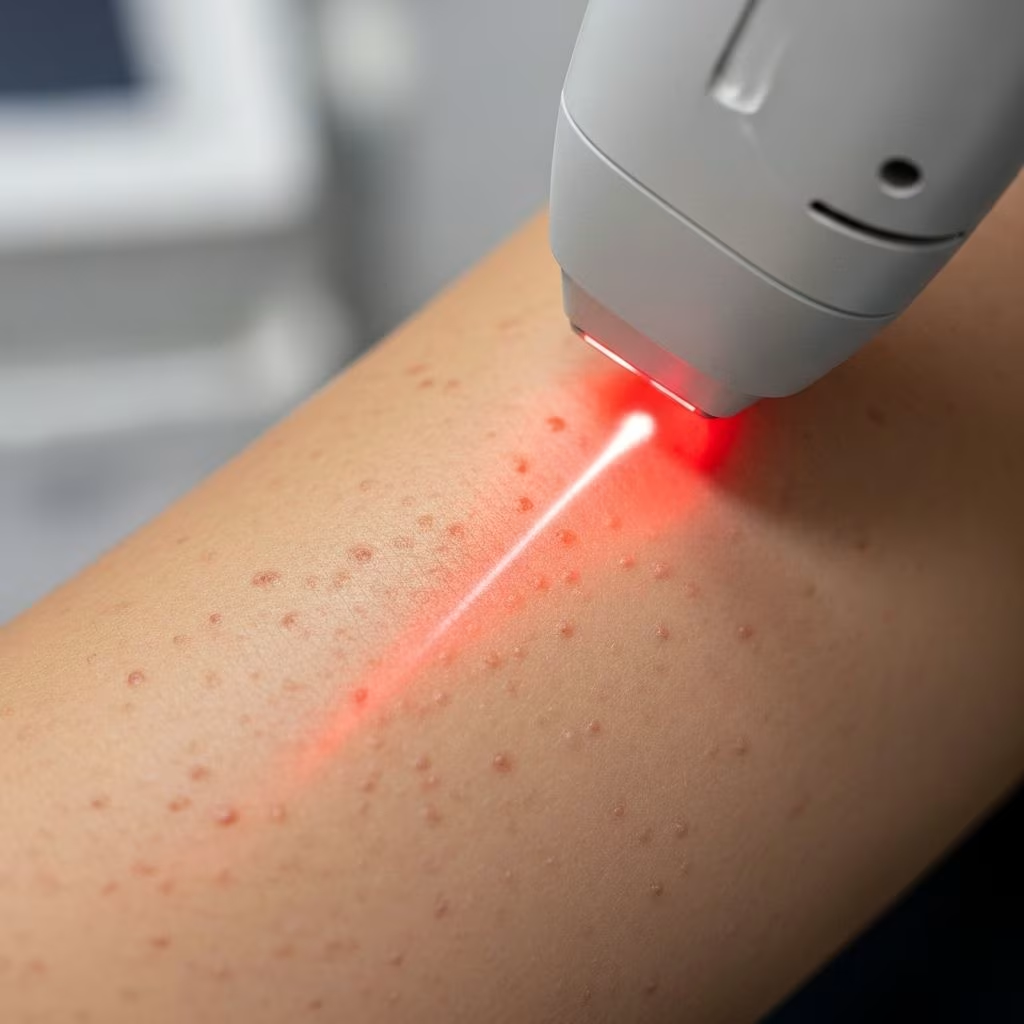
Keratosis pilaris, commonly known as KP or “chicken skin,” affects approximately 40% of adults and up to 80% of adolescents worldwide. This benign skin condition creates rough, bumpy patches on the skin, typically appearing on the upper arms, thighs, cheeks, and buttocks. While traditional treatments like moisturizers and chemical exfoliants offer limited relief, laser therapy has emerged as a promising solution for those seeking more dramatic and lasting improvements. This comprehensive guide explores how laser treatments work for keratosis pilaris, which types are most effective, and what results you can realistically expect from professional procedures.
Understanding Keratosis Pilaris and Why Traditional Treatments Fall Short
Keratosis pilaris occurs when excess keratin, a protein that protects skin from infections and harmful substances, builds up around hair follicles. This accumulation creates hard plugs that block the follicle openings, resulting in the characteristic rough texture and small bumps that define this condition. The affected areas often display redness or inflammation, making the skin appear mottled or uneven in tone.
For decades, dermatologists have recommended topical treatments including moisturizing creams with urea or lactic acid, retinoids, and gentle exfoliation. While these approaches can soften the skin’s texture temporarily, they rarely produce significant or long-lasting improvements. The bumps typically return shortly after treatment is discontinued, leaving many patients frustrated with the cycle of temporary relief followed by recurrence. This limitation has driven the search for more effective interventions, leading to the exploration of laser-based therapies that target the underlying follicular dysfunction.
How Laser Therapy Addresses Keratosis Pilaris at the Source
Laser therapy represents a fundamentally different approach to treating keratosis pilaris compared to topical medications. Rather than simply smoothing the skin’s surface, laser treatments work by targeting the hair follicles and surrounding blood vessels that contribute to the condition’s characteristic appearance. The laser energy penetrates the skin to address multiple aspects of KP simultaneously.
When laser light is absorbed by melanin in the hair follicles or hemoglobin in blood vessels, it generates controlled thermal damage. This heat disrupts the follicle structure, reducing keratin buildup and preventing the formation of new plugs. Additionally, the thermal effect stimulates collagen production and remodeling in the dermis, which can improve overall skin texture. For the redness associated with KP, certain lasers specifically target the dilated blood vessels around affected follicles, reducing inflammation and evening out skin tone.
The mechanism is particularly effective because it addresses both the textural irregularities and the vascular component of keratosis pilaris. By treating the follicles themselves rather than just managing surface symptoms, laser therapy offers the potential for more durable results than conventional topical treatments alone.
Types of Laser Treatments Used for Keratosis Pilaris
Long-Pulsed Nd:YAG Laser (1064 nm)
The long-pulsed Nd:YAG laser operating at 1064 nanometers has demonstrated considerable promise in treating both the texture and redness associated with keratosis pilaris. Research studies have shown that this laser type can reduce symptoms effectively, with one investigation revealing that 40% of patients experienced excellent improvement, 50% showed marked improvement, and 10% had moderate improvement after treatment sessions. The 1064 nm wavelength penetrates deeply into the skin, making it effective for targeting hair follicles while remaining safe for darker skin types. This laser’s ability to address both bumpy texture and redness in a single treatment modality makes it particularly attractive for comprehensive KP management.
810-nm Diode Laser
The 810-nm diode laser has been specifically studied for its effectiveness in reducing the textural components of keratosis pilaris. Clinical trials involving this wavelength have demonstrated significant improvements in skin roughness and bumpiness after three treatment sessions spaced four to five weeks apart. Both dermatologist assessments and patient self-reports confirmed these improvements in texture. However, research indicates that while this laser excels at smoothing rough skin, it does not significantly impact the erythema or redness that often accompanies KP. Patients seeking comprehensive treatment may need to combine the diode laser with vascular-specific treatments to address all symptoms fully.
Intense Pulsed Light (IPL) Therapy
Intense pulsed light therapy, while technically not a true laser, uses broad-spectrum light filtered to specific wavelength ranges (typically 645-950 nm) to treat keratosis pilaris. A clinical study examining IPL’s effectiveness found that four monthly treatment sessions significantly reduced skin roughness compared to control areas. The treatment also prevented increased hyperpigmentation that occurred in untreated areas. IPL therapy demonstrated an excellent safety profile with no adverse events such as burning, blistering, or scarring reported throughout the study period. Patients reported high satisfaction scores and noted improvements in overall skin appearance, making IPL a viable option particularly for those concerned about skin texture and preventing pigmentation issues.
CO2 Fractional Laser
Carbon dioxide fractional lasers represent another treatment avenue for keratosis pilaris, creating microscopic columns of thermal injury in the skin while leaving surrounding tissue intact. This fractional approach stimulates healing responses that can remodel skin texture. Studies have indicated that a single session of CO2 laser treatment can achieve approximately 50% improvement in skin texture on average. The fractional delivery system allows for effective treatment with reduced downtime compared to fully ablative procedures, though patients should expect a recovery period involving redness and potential peeling.
Pulsed Dye Laser (PDL)
Pulsed dye lasers operating at wavelengths of 585-595 nm specifically target the vascular component of keratosis pilaris. These lasers are absorbed by hemoglobin in blood vessels, making them ideal for reducing the redness and inflammation associated with KP. Multiple studies have confirmed PDL’s effectiveness in improving erythema and patient satisfaction. However, like the diode laser, pulsed dye lasers show limited effectiveness in addressing the rough, bumpy texture of keratosis pilaris. They work best as part of a combination approach or for patients whose primary concern is redness rather than texture.
Clinical Evidence and Treatment Outcomes
The body of scientific evidence supporting laser therapy for keratosis pilaris has grown substantially over the past decade. Multiple peer-reviewed studies have documented meaningful improvements in KP symptoms following laser treatment, though no study has yet demonstrated 100% clearance rates. The evidence suggests that laser therapy can significantly improve keratosis pilaris, but expectations should be realistic regarding the degree and permanence of results.
A comparative study examining the long-pulsed Nd:YAG laser against 20% trichloroacetic acid chemical peels found that the laser performed nearly as well as the chemical treatment, with the majority of patients experiencing marked to excellent improvement. Another investigation using the 810-nm diode laser showed statistically significant improvements in texture as measured by both objective dermatologist ratings and subjective patient assessments. The IPL therapy study demonstrated quantifiable reductions in skin roughness using advanced 3D imaging technology, providing objective evidence of texture improvement beyond subjective impressions.
These studies collectively indicate that laser therapy can reduce KP symptoms by approximately 50-70% in many patients, with some achieving even greater improvement. However, complete elimination of all bumps and redness remains uncommon. The duration of improvement varies among individuals, with some maintaining results for many months and others experiencing gradual recurrence of symptoms. Most research has focused on short to medium-term outcomes, and more studies are needed to fully understand the long-term durability of laser treatment benefits.
What to Expect During Laser Treatment for KP
Initial Consultation and Assessment
Your journey toward laser treatment for keratosis pilaris begins with a comprehensive consultation with a qualified dermatologist or laser specialist. During this appointment, the practitioner will examine your affected areas, assess your skin type using the Fitzpatrick scale, and discuss your treatment goals and expectations. This evaluation is crucial because skin type influences laser selection and parameter settings. Darker skin tones require specific wavelengths and energy levels to minimize the risk of hyperpigmentation or hypopigmentation. The provider will also review your medical history, current medications, and any previous treatments you’ve tried.
Treatment Session Procedure
On the day of your laser treatment, the affected area will be thoroughly cleansed to remove any lotions, oils, or cosmetics. Depending on the laser type and your pain tolerance, a topical anesthetic cream may be applied 30-60 minutes before the procedure to minimize discomfort. Both you and the practitioner will wear protective eyewear to shield your eyes from the laser light.
The actual treatment involves passing the laser handpiece over the affected areas in a systematic pattern. You may feel sensations ranging from mild warmth to a snapping feeling, often compared to a rubber band lightly striking the skin. Most patients find the discomfort tolerable, especially with topical anesthesia. A typical session for the upper arms takes approximately 20-30 minutes, though treatment time varies based on the area size and laser type used.
Immediate Aftermath and Downtime
Immediately following laser treatment, the treated area will likely appear red and may feel warm, similar to a mild sunburn. This reaction is normal and typically subsides within a few hours to a couple of days. Some patients experience mild swelling around the treated follicles. Your provider may apply a cooling gel or recommend cold compresses to alleviate discomfort and reduce inflammation.
The downtime associated with laser treatment for KP is generally minimal, with most people resuming normal activities the same day or the following day. However, you should avoid direct sun exposure, hot showers, saunas, and vigorous exercise for 24-48 hours post-treatment. Your skin may be more sensitive than usual, making sun protection absolutely essential to prevent hyperpigmentation.
Treatment Protocols and Number of Sessions Required
Laser therapy for keratosis pilaris is not a single-treatment solution. Clinical studies consistently show that multiple sessions are necessary to achieve optimal results. Most protocols involve three to four treatment sessions spaced approximately four to five weeks apart. This interval allows the skin to heal completely between treatments and enables the practitioner to assess your response and adjust parameters if needed.
The four-week spacing also aligns with the hair growth cycle, which is relevant since many laser types target hair follicles. By treating during different phases of the growth cycle, subsequent sessions can address follicles that were in dormant phases during earlier treatments. Some patients may require additional maintenance sessions every few months to sustain their improvements, particularly if symptoms begin to recur.
Your individual treatment plan will depend on several factors including the severity of your KP, your skin type, the specific laser being used, and how your skin responds to initial treatments. Some patients notice improvements after just one or two sessions, while others require the full series to see significant changes.
Potential Side Effects and Safety Considerations
While laser therapy for keratosis pilaris is generally considered safe when performed by qualified professionals, potential side effects do exist. The most common reactions are temporary and resolve without intervention. These include redness, swelling, and mild discomfort in the treated area, typically lasting a few hours to several days. Some patients experience temporary darkening or lightening of the treated skin, though this usually normalizes over time.
More concerning but rare side effects include persistent hyperpigmentation or hypopigmentation, particularly in individuals with darker skin tones. Clinical studies have reported occasional cases where patients developed inflammatory hyperpigmentation after treatment, though these cases resolved completely within three months with sun protection. Burns, blistering, and scarring are extremely rare when appropriate laser parameters are used for your skin type.
To minimize risks, choosing an experienced, qualified practitioner is paramount. Board-certified dermatologists or trained laser specialists understand how to adjust treatment parameters for different skin types and can recognize early signs of adverse reactions. Always disclose your complete medical history, including any medications you’re taking, as certain drugs can increase photosensitivity or affect healing. Pregnant or breastfeeding women should typically postpone laser treatments as a precautionary measure.
Comparing Laser Therapy to Other KP Treatments
| Treatment Type | Effectiveness | Duration of Results | Cost Range | Best For |
|---|---|---|---|---|
| Laser Therapy | 50-70% improvement in texture and redness | Several months with possible maintenance needed | $300-$600 per session | Moderate to severe KP, those seeking significant improvement |
| Topical Retinoids | 20-40% improvement, mainly texture | Benefits last only while using product | $30-$150 per month | Mild KP, budget-conscious patients |
| Chemical Peels | 40-60% improvement in texture | Several weeks to months | $150-$300 per session | Those wanting professional treatment at lower cost than laser |
| Moisturizers with Urea/Lactic Acid | 10-30% improvement | Temporary, requires ongoing use | $10-$40 per product | Mild KP, maintenance therapy |
| Microdermabrasion | 20-35% improvement | Few weeks | $75-$200 per session | Mild to moderate KP, gentle exfoliation preference |
When comparing laser therapy to alternative treatments, several factors merit consideration beyond effectiveness alone. Laser treatments typically require a higher upfront investment but may offer more substantial and longer-lasting results than topical therapies. Chemical peels can achieve similar improvements to some laser types at a lower cost per session, but may require more frequent treatments. The advantage of laser therapy lies in its ability to address both textural and vascular components of KP in fewer sessions with potentially more durable outcomes.
Cost Considerations and Insurance Coverage
The financial investment required for laser therapy can be substantial, with individual treatment sessions typically ranging from $300 to $600 or more, depending on the treatment area size, laser type used, and your geographic location. Since most protocols require three to four sessions for optimal results, the total cost can easily exceed $1,200 to $2,400. Urban areas and practices with renowned specialists often charge higher fees than suburban or rural clinics.
Unfortunately, insurance companies typically classify keratosis pilaris treatment as cosmetic rather than medically necessary, meaning laser therapy costs are usually not covered by health insurance plans. Patients must be prepared to pay out-of-pocket for these procedures. However, some medical practices offer payment plans or financing options through healthcare credit companies to make treatment more accessible.
When evaluating cost, consider the long-term value proposition. If laser treatment provides significant improvement lasting many months, the cost per month of clear skin may compare favorably to continuously purchasing prescription topicals or receiving frequent chemical peels. Additionally, the psychological and quality-of-life benefits of improved skin appearance should factor into your decision-making process.
Maximizing Your Results: Before and After Care
Pre-Treatment Preparation
Proper preparation can significantly enhance your treatment outcomes and minimize side effect risks. In the weeks leading up to your laser session, avoid sun exposure and tanning beds, as tanned skin increases the risk of hyperpigmentation and reduces treatment effectiveness. Discontinue self-tanning products at least two weeks before treatment. Your practitioner may recommend stopping certain medications or supplements that increase photosensitivity or bleeding risk, such as retinoids, certain antibiotics, or high-dose vitamin E.
On the day of treatment, arrive with clean skin free of lotions, perfumes, deodorants, or makeup on the treatment area. Shaving the area a day or two before treatment may be recommended, depending on the laser type. Avoid using any irritating products like strong exfoliants or acids for several days prior to your appointment.
Post-Treatment Care Protocol
The days and weeks following laser treatment are critical for optimal healing and results. Apply a gentle, fragrance-free moisturizer frequently to keep the treated skin hydrated and support the healing process. Your provider may recommend specific products or prescribe a healing ointment. Sun protection is absolutely essential—apply broad-spectrum SPF 30 or higher sunscreen daily, even when indoors, as UV exposure can trigger pigmentation changes in healing skin.
Avoid hot water on the treated area for 48 hours, opting for lukewarm showers instead. Skip saunas, steam rooms, and vigorous exercise for a few days to prevent excessive heat and sweating that could irritate healing skin. Do not pick at any flaking or peeling skin, as this can lead to scarring or pigmentation issues. If you experience significant discomfort, over-the-counter pain relievers like acetaminophen can help, though avoid aspirin or ibuprofen immediately after treatment as they can increase bruising risk.
Who Makes an Ideal Candidate for Laser Therapy
Laser therapy for keratosis pilaris works best for certain patient profiles. Ideal candidates include individuals with fair to medium skin tones (Fitzpatrick types I-IV), as lighter skin provides better contrast between the target (hair follicle or blood vessel) and surrounding tissue, allowing for more aggressive treatment with lower complication risks. However, darker-skinned individuals can still safely undergo treatment with appropriate laser selection and parameter adjustments.
Those with moderate to severe KP that has not responded adequately to topical treatments are excellent candidates, particularly if the condition significantly impacts their quality of life or self-confidence. Patients with realistic expectations—understanding that significant improvement rather than complete cure is the likely outcome—tend to be most satisfied with their results. Individuals already considering laser hair removal for affected areas are especially good candidates, as they can potentially address unwanted hair and KP simultaneously.
Conversely, laser therapy may not be appropriate for people with active skin infections in the treatment area, those with certain photosensitivity disorders, individuals taking medications that increase light sensitivity, or pregnant or breastfeeding women. People with unrealistic expectations of complete, permanent clearance after one treatment should be counseled about actual outcomes before proceeding.
Combining Laser Therapy with Other Treatment Approaches
Many dermatologists recommend a comprehensive treatment strategy that combines laser therapy with complementary approaches for optimal results. Since different laser types address different aspects of KP—some targeting texture while others focus on redness—combining multiple laser wavelengths can provide more complete improvement than either treatment alone. For example, pairing an 810-nm diode laser to smooth texture with a pulsed dye laser to reduce erythema addresses both primary manifestations of the condition.
Incorporating topical treatments between and after laser sessions can help maintain improvements. Moisturizers containing ingredients like urea, lactic acid, or salicylic acid gently exfoliate and prevent keratin buildup, potentially extending the benefits of laser treatment. Prescription retinoids may enhance skin cell turnover and further smooth texture. Some practitioners recommend gentle chemical peels between laser sessions to augment texture improvements.
This multimodal approach recognizes that keratosis pilaris is a chronic condition without a definitive cure. By addressing it from multiple angles—reducing follicular plugging with lasers, maintaining exfoliation with topicals, and supporting overall skin health with proper moisturization—patients can achieve more substantial and lasting improvements than with any single treatment alone.
Long-Term Outlook and Maintenance
While laser therapy can produce impressive improvements in keratosis pilaris, understanding the long-term outlook is essential for setting appropriate expectations. Most patients who complete a full treatment series of three to four sessions maintain noticeable improvements for several months. However, because KP is a chronic genetic condition rather than an acute problem, symptoms often gradually return over time, though typically not to their original severity.
The durability of results varies considerably among individuals, influenced by factors including genetic predisposition, age, hormonal status, and ongoing skincare practices. Some fortunate patients enjoy sustained improvement for a year or longer after completing their treatment series, while others notice recurrence within a few months. Most dermatologists recommend maintenance treatments every three to six months for patients who experience symptom return, though the maintenance frequency needed is typically less intensive than the initial treatment protocol.
Continuing with supportive topical treatments after completing laser therapy can help prolong results. Regular use of exfoliating moisturizers, sun protection, and gentle skincare practices all contribute to maintaining smoother, clearer skin. Viewing laser therapy as a significant intervention that improves a chronic condition rather than a one-time cure helps align expectations with reality and leads to greater long-term satisfaction.
Frequently Asked Questions About Laser Therapy for KP
Q: Is laser treatment for keratosis pilaris painful?
A: Most patients describe the sensation as tolerable, comparing it to a rubber band snapping against the skin. Topical anesthetic creams are typically applied before treatment to minimize discomfort, making the procedure manageable for most people. The level of discomfort varies depending on the laser type used and your individual pain tolerance.
Q: How long does each laser treatment session take?
A: Treatment duration depends on the size of the affected area. For the upper arms, which are commonly treated for KP, sessions typically last 20-30 minutes. Larger areas or multiple treatment sites may require 45-60 minutes. The initial consultation will be longer as your provider assesses your skin and discusses the treatment plan.
Q: Can laser therapy completely cure keratosis pilaris?
A: No, laser therapy does not cure keratosis pilaris. KP is a chronic genetic condition, and while laser treatment can significantly improve symptoms—with many patients experiencing 50-70% reduction in bumps and redness—complete permanent elimination is unlikely. Most patients see substantial improvement but may need occasional maintenance treatments as symptoms gradually return.
Q: Are the results from laser treatment permanent?
A: Results are typically not permanent, though they can last for several months to over a year depending on individual factors. Because KP is a chronic condition rooted in genetics, symptoms often gradually recur over time. Many patients opt for maintenance treatments every few months to sustain their improvements.
Q: Is laser therapy safe for darker skin tones?
A: Yes, laser therapy can be safely performed on darker skin tones when appropriate lasers and settings are used. The Nd:YAG laser (1064 nm) is particularly suitable for darker skin because its longer wavelength penetrates deeper while being less absorbed by melanin in the epidermis. However, the risk of pigmentation changes is higher in darker skin, making it crucial to choose an experienced provider familiar with treating diverse skin types.
Q: How soon can I see results after laser treatment?
A: Some patients notice initial improvements within a few weeks after their first treatment, but optimal results typically become apparent after completing the full series of three to four sessions. Improvements continue to develop over the weeks following each treatment as skin texture remodels and inflammation subsides.
Q: Can I combine laser treatment with my current topical treatments?
A: In many cases, yes, but you should discuss your current regimen with your laser provider. Some topical treatments like retinoids may need to be temporarily discontinued before and immediately after laser sessions to prevent excessive irritation. Your provider will give you specific instructions about when to pause and resume your topical treatments to ensure optimal safety and results.
Q: Will my insurance cover laser treatment for keratosis pilaris?
A: Insurance typically does not cover laser treatment for KP as it is considered a cosmetic procedure rather than a medically necessary treatment. You will likely need to pay out-of-pocket for these services. Some practices offer payment plans or financing options to make treatment more accessible.
Q: What should I avoid after laser treatment?
A: After treatment, avoid direct sun exposure, hot showers, saunas, steam rooms, and vigorous exercise for at least 24-48 hours. Do not use harsh exfoliants, retinoids, or other potentially irritating products until your skin has fully healed. Always apply broad-spectrum sunscreen when going outdoors, as treated skin is more susceptible to sun damage and pigmentation changes.
Q: Are there any long-term risks associated with laser treatment for KP?
A: When performed by qualified professionals using appropriate settings for your skin type, laser treatment for KP has an excellent long-term safety profile. The most common long-term concerns are pigmentation changes, but these are rare and often preventable with proper technique and post-treatment sun protection. No evidence suggests that laser treatment causes lasting damage to skin when performed correctly.
Final Thoughts on Laser Therapy for Keratosis Pilaris
Laser therapy represents a significant advancement in the treatment of keratosis pilaris, offering hope to individuals who have struggled with this persistent skin condition despite trying numerous topical treatments. The growing body of clinical evidence demonstrates that various laser modalities can meaningfully improve both the textural roughness and redness associated with KP, with many patients experiencing substantial enhancement in their skin’s appearance and feel.
However, approaching laser treatment with realistic expectations is crucial for satisfaction. While these procedures can produce impressive results—often reducing symptoms by 50-70%—they do not constitute a cure for this genetic condition. Keratosis pilaris symptoms may gradually return over time, and maintenance treatments may be necessary to sustain improvements. The investment required, both financially and in terms of multiple treatment sessions, should be carefully considered alongside the potential benefits.
For individuals significantly bothered by their KP, particularly those with moderate to severe symptoms that have not responded to conventional treatments, laser therapy offers a valuable option worth exploring. Consulting with a board-certified dermatologist or qualified laser specialist can help you determine whether you’re a good candidate, which laser type would be most appropriate for your skin type and specific concerns, and what outcomes you can realistically expect. With proper patient selection, appropriate laser choice, and skilled technique, laser therapy can dramatically improve the quality of life for people living with keratosis pilaris.
References
- https://www.bclaserandskincare.com/2023/09/laser-hair-removal-for-keratosis-pilaris/
- https://pmc.ncbi.nlm.nih.gov/articles/PMC6937144/
- https://jamanetwork.com/journals/jamadermatology/fullarticle/1922024
- https://us.typology.com/library/using-laser-treatment-to-eliminate-keratosis-pilaris
- https://www.healthline.com/health/keratosis-pilaris-treatment
- https://acr.amegroups.org/article/view/11097/html


