


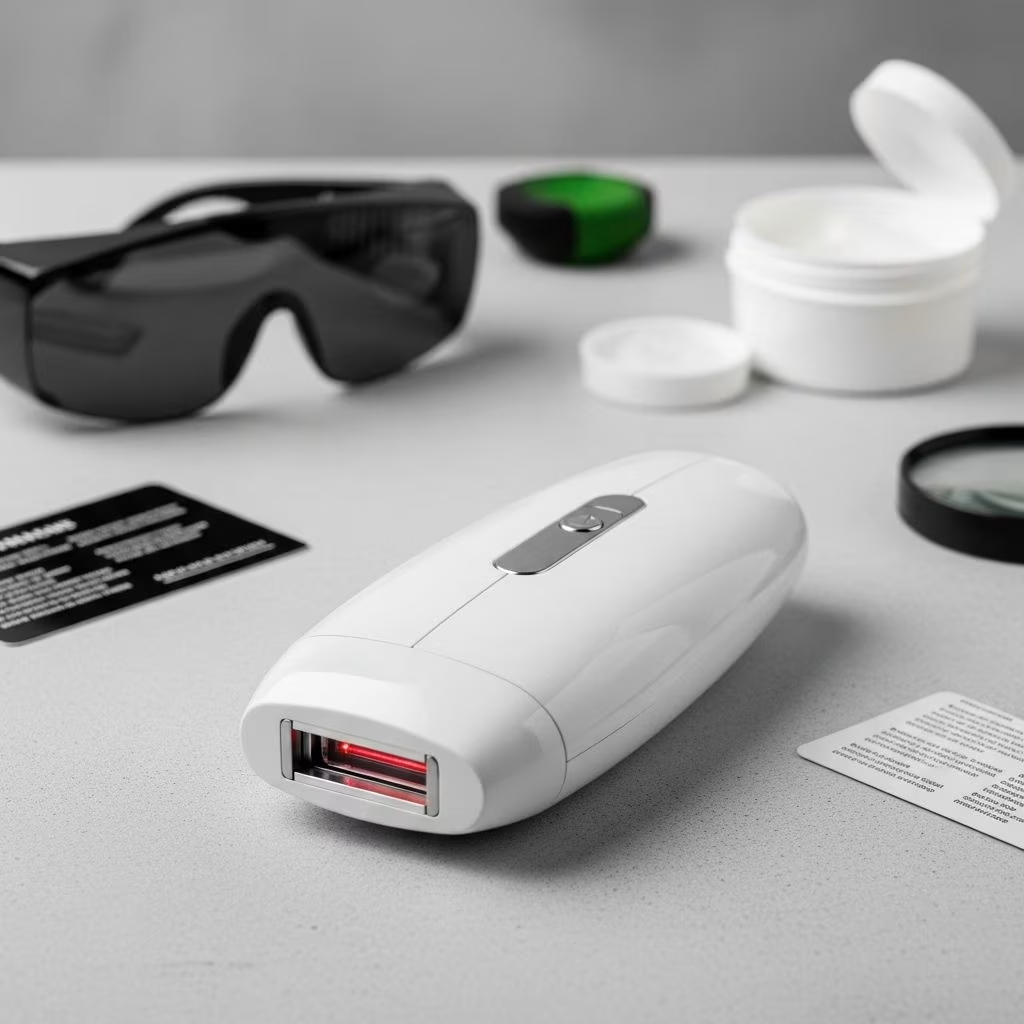
The proliferation of at-home laser devices has democratized access to technologies once available only in professional settings. From laser cutters for creative projects to Intense Pulsed Light (IPL) devices for hair removal, these tools offer convenience and cost savings. However, with this accessibility comes significant responsibility. Understanding the safety requirements and ethical implications of operating laser devices at home is not merely advisable—it is essential for preventing serious injury and ensuring responsible use.
This comprehensive guide explores the multifaceted landscape of at-home laser device safety and ethics, providing detailed insights into proper operation, hazard mitigation, and the moral obligations that accompany laser device ownership.
Understanding At-Home Laser Devices
At-home laser devices span a wide spectrum of applications and power levels. The most common categories include CO2 laser cutters and engravers, which utilize gas-filled tubes to generate infrared light at 10,600 nanometers for cutting and engraving materials; diode lasers, which employ semiconductor technology to produce blue or green laser radiation for similar applications; fiber lasers, combining semiconductors with optical fiber to create powerful infrared light sources; and IPL hair removal devices, which use broad-spectrum light rather than coherent laser light for cosmetic applications.
Almost all laser cutters contain Class 4 laser devices, which represent the highest hazard classification. These powerful systems can cause permanent injury to eyes and skin, create fire hazards, and produce toxic fumes when processing certain materials. The classification exists because these devices operate at power levels exceeding 500 milliwatts and can cause immediate damage upon exposure. Understanding your device’s classification and capabilities forms the foundation of responsible ownership.
The basic operation of these devices involves generating concentrated light energy and directing it with precision. CO2 lasers use mirrors to bounce the beam through the machine until it reaches the laser head, where it focuses to a tiny point with extreme intensity. Diode and fiber lasers employ different optical systems but achieve similar concentration of energy. This concentration is what makes them useful tools—and what makes them dangerous when misused.
Laser Safety Fundamentals
Laser safety revolves around understanding and mitigating four primary hazard categories: radiation exposure, fire risks, electrical dangers, and toxic fume generation. Each category demands specific attention and protective measures.
Radiation hazards represent the most immediate danger. The eye is exceptionally vulnerable to laser injury due to its optical properties—the cornea and lens naturally focus incoming light onto the retina, magnifying the energy density of laser radiation by up to 100,000 times. This amplification means even brief exposure to Class 4 laser radiation can cause instantaneous and permanent blindness. The eye lacks the protective outer layer of skin, making it comparatively defenseless against directed energy.
Skin exposure carries significant risk as well, though typically less severe than eye injury. Direct beam contact can cause burns ranging from superficial to deep tissue damage, depending on exposure duration and laser power. While reflected radiation from diffuse surfaces is unlikely to damage skin, direct or specularly reflected beams maintain dangerous power levels.
Home laser cutters incorporate multiple safety features designed to minimize radiation exposure during normal operation. Enclosed designs with lid interlocks prevent the laser from firing when the protective cover opens. However, certain operations like using passthroughs for oversized materials require partially opening the enclosure during laser operation, dramatically increasing exposure risk. Many diode and fiber lasers lack enclosures entirely, making appropriate eye protection absolutely mandatory during operation.
Primary Hazards and Risk Management
Eye Protection Requirements
Selecting appropriate laser safety eyewear requires understanding several technical specifications. Optical density (OD) indicates the logarithmic reduction in transmitted light—an OD of 6 means the glasses reduce laser intensity by a factor of one million. For CO2 lasers operating at 10,600 nanometers, safety glasses with an OD of at least 6 specifically rated for that wavelength are essential for any work performed with the enclosure open.
Diode and fiber lasers operate at different wavelengths, typically in the visible and near-infrared spectrum. Safety glasses must match the specific wavelength of your laser to provide adequate protection. Many devices include appropriate eyewear, but verifying the specifications against your laser’s output wavelength remains the operator’s responsibility. Generic sunglasses or tinted lenses provide no protection whatsoever against laser radiation.
Fire Hazards and Prevention
Lasers concentrate sufficient energy to ignite numerous common materials, making fire prevention a critical safety concern. Materials particularly susceptible to laser ignition include hair and hair products, cosmetics, synthetic fabrics like rayon and nylon, paper towels and drapes, gauze, oxygen tubing, alcohol-based products, eyewear straps, and certain chemical compounds. Several fatal injuries have resulted from airway tube ignition during medical procedures, demonstrating the severity of this hazard.
Erbium YAG and CO2 lasers present the greatest fire risk due to their infrared wavelengths and high power output. A single pulse from a CO2 laser can create visible flames on dry materials like cotton balls or fabric drapes. This reality necessitates maintaining fire-resistant barriers, keeping a water reservoir immediately accessible, and positioning a fire extinguisher within easy reach of the laser workstation. Never operate a laser cutter without functional fire safety equipment readily available.
Electrical Safety Considerations
CO2 laser cutters operate using extremely high voltages, often exceeding 25,000 volts—levels that are immediately lethal upon contact. These high-voltage systems remain enclosed behind protective cabinet doors that must stay closed whenever the laser receives power. An emergency stop button provides immediate voltage isolation, but any work inside the electronics cabinet should only occur after disconnecting the device from mains power.
Condensation presents a particularly insidious electrical hazard. Moisture accumulation on high-voltage components causes arcing and short circuits, identifiable by a characteristic snapping sound during laser operation. Lasers located in garages, basements, or other areas subject to temperature fluctuations and humidity require special attention. Always inspect for condensation before operation and ensure adequate climate control to prevent moisture accumulation. If arcing occurs, immediately shut down the laser, disconnect power, and resolve the moisture issue before resuming operation.
Toxic Fume and Particulate Exposure
Laser cutting and engraving generates airborne contaminants through the vaporization and combustion of materials. The specific hazards vary dramatically based on the material being processed. Certain plastics release toxic gases, wood generates irritating smoke and fine particulates, and some materials produce carcinogenic compounds. Inadequate ventilation allows these contaminants to accumulate to dangerous concentrations.
Effective fume extraction requires proper ventilation system design and maintenance. External venting that exhausts contaminated air outside the building provides the safest solution. Filter-based systems can work but require regular filter replacement and may not capture all hazardous compounds. Ventilation fans should be cleaned every six months to maintain effectiveness. Never operate a laser cutter without functioning ventilation, and never work in an unventilated space even briefly—the health consequences of repeated exposure accumulate over time.
Essential Safety Protocols
Establishing and maintaining consistent safety protocols transforms laser operation from a hazardous activity into a managed risk. These protocols should become automatic habits rather than occasional considerations.
Pre-operation procedures form the first line of defense. Before every session, inspect the laser for signs of condensation, verify that all safety systems function properly, confirm ventilation operates correctly, ensure the work area remains clear of flammable materials, verify appropriate safety eyewear is accessible, and check that fire safety equipment remains charged and accessible. This checklist approach, proven to improve safety and reduce adverse events across multiple industries, takes only minutes but prevents the majority of preventable incidents.
During operation, never leave a running laser unattended. Fires can start within seconds, and immediate intervention often prevents minor incidents from becoming catastrophic. Keep your body and particularly your eyes away from the beam path. Wear appropriate eye protection anytime the enclosure is open or when working with unenclosed lasers. Monitor the cutting process continuously, watching for excessive smoke, flames, or unusual sounds that might indicate problems.
Material selection requires careful consideration. Never process materials without first confirming their safety for laser cutting. Certain materials like PVC, vinyl, and polycarbonate release highly toxic or corrosive gases that damage both the laser and the operator’s health. Others like fiberglass contain materials that become airborne hazards. When trying new materials, research their laser safety profile thoroughly and start with small test cuts while monitoring carefully for problems.
Post-operation protocols ensure ongoing safety. Allow the laser to cool completely before closing ventilation systems, as residual heat can trigger delayed ignition of debris. Clean the work area regularly, as accumulated dust and debris present fire hazards for subsequent operations. Maintain a logbook documenting any issues or concerns, particularly valuable when multiple people share the laser. Regular maintenance schedules for cooling systems, optics cleaning, and component inspection prevent gradual deterioration of safety systems.
Ethical Considerations in Home Laser Use
Beyond physical safety, operating powerful laser devices at home raises ethical questions about responsibility to others and proper stewardship of potentially dangerous technology.
Responsibility to Household Members
Anyone maintaining a laser device where family members, particularly children, might access it bears special responsibility. Children lack the judgment to understand laser dangers and may be tempted to experiment with fascinating technology. Securing the device behind locked doors when not in use represents a minimum precaution. The magic key that unlocks laser cabinet interlocks should never be left in the machine or stored where curious individuals might find it.
Education serves as another layer of protection. Family members old enough to understand should receive clear instruction about laser hazards and safety protocols. They should know never to open the laser enclosure during operation, understand the importance of eye protection, and know how to activate the emergency stop if they observe a problem. This education transforms them from potential victims into additional safety monitors.
Environmental Responsibility
Laser operation generates waste products requiring responsible disposal. Toxic fumes should be vented in ways that do not harm neighbors or the environment. Filter cartridges contaminated with hazardous materials need proper disposal rather than casual discard with household trash. Material offcuts and debris may contain toxic residues depending on what was processed. Responsible laser ownership includes understanding and properly managing these environmental impacts.
Community and Professional Standards
The growing community of home laser users benefits from shared knowledge and collective commitment to safety. Sharing safety information, reporting hazards or device defects, and refusing to normalize dangerous shortcuts all contribute to community wellbeing. When teaching others to use laser devices, thoroughness in safety instruction represents an ethical obligation, not an optional nicety.
Professional standards exist for laser safety in industrial and medical settings. While home users may not be legally bound by these standards, voluntary adherence demonstrates respect for the serious nature of these tools. Standards organizations like ANSI (American National Standards Institute) publish detailed laser safety guidelines that inform best practices even in home settings.
Honest Representation of Capabilities
The ethics of laser use extend to honest representation when selling products created with laser devices or offering laser services. Claims about safety certifications, material properties, or product capabilities should be accurate. Using lasers to create counterfeits or trademark violations violates both legal and ethical standards. The accessibility of laser technology creates opportunities for both legitimate creation and problematic misuse—choosing the ethical path remains the operator’s responsibility.
Device-Specific Safety Guidelines
CO2 Laser Cutters and Engravers
CO2 laser cutters generally provide the safest home laser platform when used properly, thanks to their fully enclosed designs and integrated safety systems. The enclosure prevents radiation exposure during normal operation, and lid interlocks stop the laser when the cover opens. However, passthrough operations for oversized materials require opening the enclosure partially while the laser runs, necessitating protective eyewear rated for 10,600-nanometer radiation with optical density of at least 6.
The cooling system in CO2 lasers requires regular maintenance. Water should be changed monthly and treated with algicide to prevent biological growth that can clog cooling passages and cause overheating. Using distilled water prevents mineral deposits. Temperature monitoring ensures the cooling system functions properly—overheating can damage the expensive laser tube.
Diode and Fiber Lasers
Diode and fiber lasers frequently lack enclosures, dramatically increasing exposure risk. These devices absolutely require appropriate safety glasses during any operation. Many manufacturers include glasses, but verifying they match your laser’s wavelength remains essential. The blue light from diode lasers is particularly hazardous because the eye naturally focuses it on the retina with minimal aversion response—unlike visible red light, your natural blink reflex provides no protection.
Building or purchasing an enclosure for unenclosed lasers significantly improves safety. Simple enclosures are available commercially and provide protection from both direct and reflected radiation. Unlike CO2 laser enclosures, these rarely include interlocks, meaning the laser can fire with the enclosure open—maintaining vigilance about keeping it closed during operation falls entirely on the operator.
IPL Hair Removal Devices
IPL devices for home hair removal operate at lower power levels than industrial lasers but still require proper safety protocols. These devices use broad-spectrum light rather than coherent laser beams, but the intense light can still damage eyes. Most IPL devices include UV-protective glasses that should be worn during treatment sessions.
Proper skin preparation is essential for both safety and efficacy. Shaving rather than plucking or waxing prepares the treatment area—the light energy must travel down the hair shaft to the follicle, and removed hairs prevent this energy transfer. Multiple passes over the same area in a single session can cause skin burns, so following manufacturer guidelines about treatment intervals and technique is crucial. Home IPL devices are efficacious and safe for hair removal when used according to instructions, but deviation from protocols increases injury risk.
Regulatory Compliance and Standards
Laser devices in the United States fall under FDA regulation as radiation-emitting products. The FDA requires manufacturers to certify that devices comply with federal performance standards, including proper classification, safety features, and labeling. Class 4 lasers must include specific safety features and warning labels.
Purchasers should verify that devices carry proper FDA certification and have not been modified in ways that defeat safety systems. Buying from reputable manufacturers and authorized dealers helps ensure regulatory compliance. Imported devices from jurisdictions with less stringent standards may lack critical safety features or accurate power ratings.
ANSI Z136 standards provide detailed laser safety guidance for various applications. While primarily developed for industrial and medical settings, these standards inform best practices for home users. ANSI Z136.3 specifically addresses laser safety in medical settings and includes useful safety checklists adaptable to home use.
OSHA (Occupational Safety and Health Administration) regulations govern laser safety in workplaces but do not directly apply to home use. However, the hazards OSHA addresses—eye injury, skin burns, fire risks, and electrical hazards—remain identical in home settings, making OSHA guidance valuable for understanding and mitigating these risks.
Best Practices for Safe Operation
Synthesizing safety information into practical daily habits ensures consistent protection. The following best practices represent the collective wisdom of the laser safety community:
Never bypass safety features. Interlock defeats, removing safety shields, or operating damaged devices dramatically increases injury risk. The minor inconvenience of proper safety systems pales beside the consequences of laser injury.
Maintain workspace organization. A clean, organized work area prevents accidents and ensures safety equipment remains accessible. Clutter creates fire hazards and makes emergency response more difficult.
Implement regular maintenance schedules. Cleaning ventilation fans every six months, changing cooling water monthly, inspecting electrical connections, and maintaining optical components prevents gradual safety degradation.
Educate everyone who might access the laser. Safety knowledge should be shared, not hoarded. Anyone who might encounter the device should understand basic hazards and safety protocols.
Never become complacent. The most dangerous moment in laser operation is when familiarity breeds carelessness. Maintaining healthy respect for the device’s hazards regardless of experience level prevents the casual shortcuts that cause injuries.
Keep emergency procedures visible. Post emergency contact information, fire extinguisher locations, and emergency shutdown procedures where they can be seen and accessed quickly during a crisis.
Use checklists consistently. Pre-operation and post-operation checklists prevent the oversights that occur when relying on memory alone. Digital or physical checklists create accountability and ensure critical steps are not skipped.
Stay current with safety information. Laser technology evolves, new materials enter the market, and safety understanding improves over time. Participating in user communities, reading manufacturer updates, and staying informed about emerging hazards ensures practices remain current.
Frequently Asked Questions
Q: Can I use regular sunglasses instead of laser safety glasses?
A: No. Regular sunglasses and even dark welding glasses provide no protection against laser radiation. Laser safety glasses are specifically designed with filters that block particular wavelengths while allowing other light through. You must use glasses rated for your specific laser’s wavelength with appropriate optical density, typically OD 6 or higher for Class 4 devices.
Q: How do I know what materials are safe to cut with my laser?
A: Never cut materials containing PVC, vinyl, or polycarbonate, as these release toxic and corrosive gases. Fiberglass and carbon fiber create dangerous airborne particles. Before cutting any new material, research its laser safety profile. Many manufacturers and user communities maintain lists of safe and unsafe materials. When in doubt, do not cut the material.
Q: Is it safe to use my laser cutter in the garage or basement?
A: You can use a laser cutter in a garage or basement, but you must address specific safety concerns. Ensure adequate ventilation that exhausts fumes outside, maintain climate control to prevent condensation on electrical components, protect the laser from temperature extremes and moisture, and secure the device from unauthorized access. Regular inspection for condensation is essential in these environments.
Q: Can I leave my laser cutting while I step away briefly?
A: No. Never leave a laser cutter unattended during operation. Fires can start within seconds, and immediate intervention often prevents disasters. If you need to leave the area, pause the job or let it complete before stepping away. This is one of the most important safety rules in laser operation.
Q: How often should I replace the water in my CO2 laser cooling system?
A: Change cooling water monthly and treat it with algicide to prevent biological growth. Use distilled water to prevent mineral deposits. Regular water changes prevent clogs in cooling passages and ensure the laser tube remains properly cooled, preventing expensive damage and potential safety hazards from overheating.
Q: Are home IPL hair removal devices safe for all skin types?
A: IPL devices work best on light skin with dark hair because the light targets melanin pigment. Very dark skin can absorb too much light energy, causing burns. Most devices include skin tone charts to help determine safety. Always follow manufacturer guidelines, start with the lowest settings, and discontinue use if you experience pain or burning. Home IPL devices are generally safe when used according to instructions.
Q: What should I do if someone is injured by laser radiation?
A: For eye exposure, immediately shut down the laser and seek medical attention, even if injury is not immediately apparent. Laser eye damage may not be immediately painful but can be permanent. For skin burns, apply cool water and seek medical attention for anything beyond minor redness. Document the incident including device settings, duration of exposure, and circumstances. This information helps medical professionals provide appropriate treatment.
Q: Do I need special ventilation for my laser cutter?
A: Yes. All laser cutters require proper ventilation to remove toxic fumes and particles generated during cutting and engraving. External venting that exhausts outside provides the best protection. Filter-based systems can work but require regular filter changes and may not capture all hazardous compounds. Operating a laser without proper ventilation poses serious health risks from repeated exposure to toxic substances.
References
- https://omtech.com/blogs/tips/how-to-laser-engrave-safely-at-home
- https://www.aslms.org/docs/default-source/for-professionals/mentorship-program/alsms-laser-safety-guide.pdf?sfvrsn=1f1f43b_7
- https://www.microcenter.com/site/mc-news/article/laser-safety-tips.aspx
- https://www.ulike.com/blogs/hair-removal/13-safety-tips-and-practices-for-using-ipl-hair-removal-devices
- https://www.mayoclinic.org/tests-procedures/laser-hair-removal/about/pac-20394555
- https://pmc.ncbi.nlm.nih.gov/articles/PMC8918178/
- https://www.fda.gov/radiation-emitting-products/home-business-and-entertainment-products/laser-products-and-instruments
- http://www.osha.gov/laser-hazards
- https://beware-of-laser.squarespace.com/s/Guidelines_on_the_safety_of_light_based.pdf


